
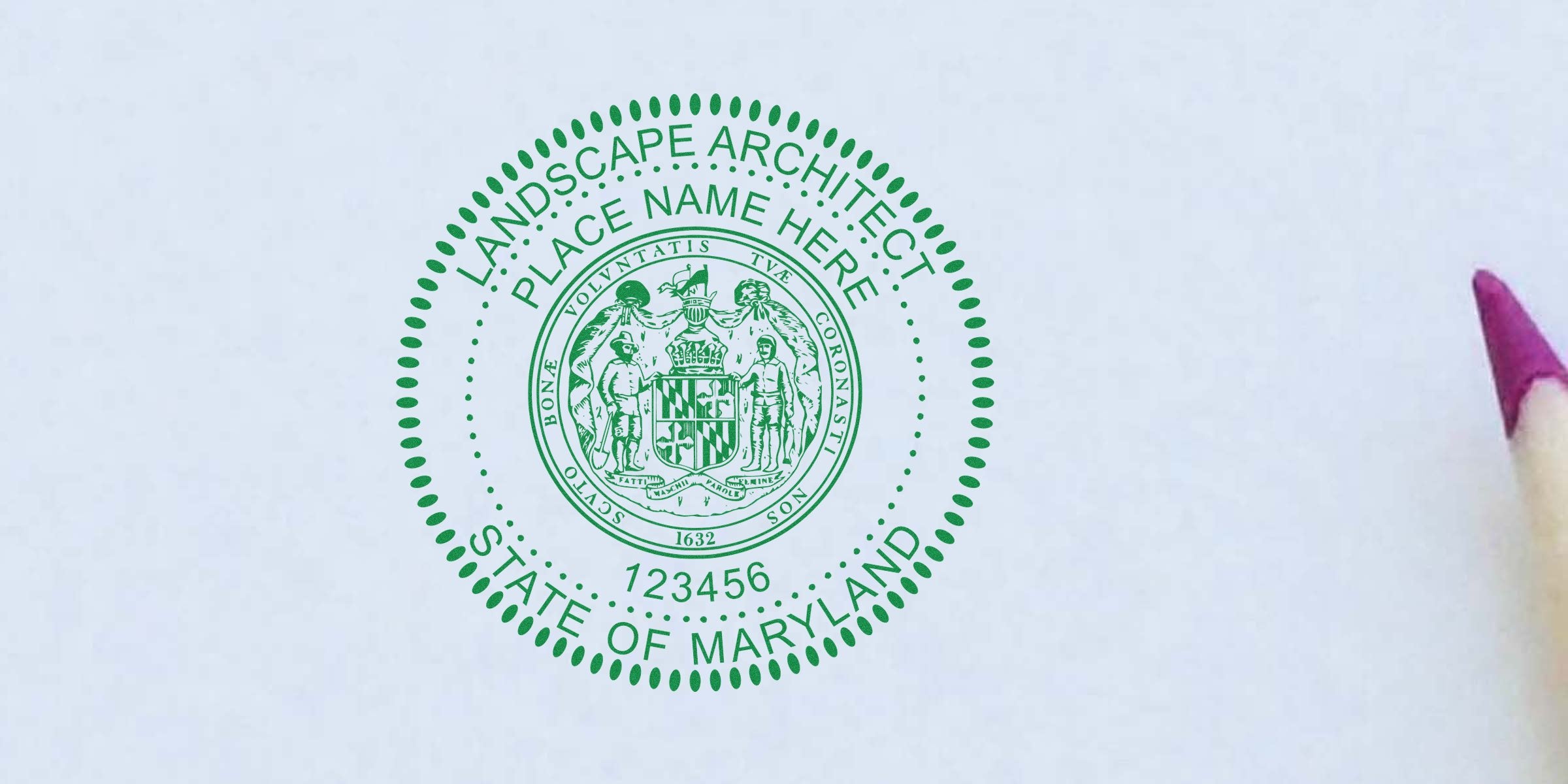
If you’re shopping around for a Maryland landscape architect seal embosser, you’re likely balancing excitement about your professional work with concern over meeting state requirements. After all, you want that official mark of legitimacy on your drawings and documents, but it’s easy to get tangled in the details. That’s exactly why this guide exists: to help you feel confident about the process from start to finish.
In the following sections, you’ll learn what Maryland demands of practicing landscape architects, the differences between stamps and embossers, how to acquire and care for your seal, and where to find trusted providers. By the end, you’ll have a clear roadmap for choosing the right seal embosser, putting it to use correctly, and staying compliant with local regulations. Let’s jump right in.
Learn the Maryland Requirements
To seal your documents properly, it helps to understand the rules and what your state’s board expects. In Maryland, landscape architects must affix a state-approved seal on plans submitted to public agencies, clients, and contractors. While it might seem like one extra step in your workflow, having a seal isn’t just about following the law. It’s about giving credibility to all your design work.
Why You Need a Seal
In Maryland, the seal requirement protects both you and your clients. When you stamp or emboss your plans, you’re effectively saying, “I take responsibility for the integrity of this design.” That level of accountability fosters trust. It also ensures that only licensed professionals can produce official landscape architecture documents. As you build your portfolio or bid on projects, a clear, well-placed seal helps potential clients see you as a dedicated professional.
How the Guidelines Work
Maryland’s regulations specify that your seal must be readable, with all required elements visible. Usually, it includes your name, license number, and sometimes further details such as the state name and profession. If these elements aren’t present or legible, your sealed paperwork might be rejected. To avoid delays, confirm that your seal meets the official sizing and layout rules. And if you ever have questions, it’s good practice to consult Maryland’s Board of Examiners of Landscape Architects.
Explore Seals and Stamps
Whether you finalize your documents with an embosser or opt for an ink-based alternative, it’s useful to know the differences. They both achieve the same primary function: verifying the authenticity of your work. But they do it in slightly different ways.
Comparing Stamps and Embossers
To see which best suits your mode of practice, check out the quick table below:
| Feature | Stamp | Embosser |
|---|---|---|
| Impression Style | Ink-based mark | Raised imprint on paper |
| Visibility | Dark, high-contrast | More subtle but tactile |
| Common Use Cases | Quick sign-offs, multiple copies | Official documents, more formal presentation |
| Portability | Light, easy to carry | Can be bulkier unless you opt for a pocket embosser |
| Replacement Pads/Inserts | Requires fresh ink pad over time | May need replacement inserts or extra care for moving parts |
If you rely heavily on digital workflows but still need a physical mark, you might lean toward a stamp. If you often present paper-based plans and want a classic appearance, the raised impression from an embosser can be a nice finishing touch. For Maryland’s regulations, either method is acceptable, so long as the information is clear and follows required guidelines.
Why Choose an Embosser
An embosser offers a unique, professional look that instantly stands out. That elegant raised impression makes it difficult to copy or alter, which can be helpful for protecting your work. Plus, if you enjoy giving clients something tangible to hold, an embossed plan feels extra polished. This format is particularly popular for final submissions, client presentations, or official government filings. Depending on your personal style, it can give your business documents a “premium” vibe that leaves a lasting impression.
Get Your Embosser
Securing the right embosser involves verifying your license, deciding on the type of embosser you want, and selecting a reliable supplier. Let’s unpack what each step looks like.
Verify Your License
Before you place any order, make sure your Maryland landscape architect license is valid and updated. The last thing you want is to invest in a custom seal that includes an old number or incorrect details. If you’ve recently moved, changed your name, or renewed your license, double-check that the board’s records reflect your current status. Confirming these details upfront will save you time and cost later on.
Choose a Quality Supplier
The next step is deciding where to buy your Maryland landscape architect seal embosser. You’ll want a supplier who is familiar with Maryland’s exact design requirements and offers high-quality materials, ensuring your seal impression stays crisp. That’s why many professionals choose Acorn Sales, a trusted provider known for precision craftsmanship in seals and stamps. We’ve been in business since 1964, and through the decades, we’ve focused on delivering products that meet or exceed state standards.
Looking for an ink-based approach to complement your embosser? You can check out a Maryland Landscape Architect stamp. It offers the same essential information, just in an inked mark instead of a raised impression.
Requirements for Seal Layout
When you order, you’ll typically need to submit a form that confirms your license name, license number, and sometimes a proof of your status. The embosser design itself has to include the circle layout with the words “State of Maryland” and an indication that you’re a licensed landscape architect. Some boards also specify maximum or minimum diameter. Keep an eye on any official diagrams or sample images released by the Maryland regulatory board. If your design deviates from the guidelines, your seals might not be recognized as valid.
Follow Usage Guidelines
Once your embosser is in hand, you’re only halfway there. You still need to use it correctly. The board recommends that the seal be placed near your signature and the date on official documents. This way, anyone reading your plans can immediately confirm whom to contact if questions arise.
Handling and Storage
An embosser can be a small desktop device or a portable pocket-style tool. Either way, you’ll want to store it in a safe, dry place where it won’t get banged around. Moisture and heavy impacts might interfere with the mechanics, leading to faint or uneven impressions. Similarly, keep it dust-free by occasionally wiping the metal parts with a soft cloth. This helps ensure that whenever you press your embosser onto official documents, you get a clean, professional seal.
Replacing or Updating
As time goes by, you might need to replace certain parts. For instance, some embossers require periodic retooling if the raised die gets worn out. Always check the manufacturer’s guidelines about replacement inserts or recommended maintenance intervals. Also, if you have a change in your license status or number, you must update your embosser. Using an outdated seal can lead to serious professional implications, including the possibility your documents might be rejected.
Trust Acorn Sales
Finding a reliable supplier shouldn’t feel like guesswork. At Acorn Sales, we make sure you have the resources and products you need for compliance with Maryland’s rules. Our focus on precision helps you produce a crisp raised logo or text that’s easy to read, aligning with every regulation the state sets.
Benefit from a Free Digital Seal
When you order a physical Maryland Landscape Architect seal embosser from Acorn Sales, you also get a free digital seal. That means you can place an official mark on digital PDFs or other electronic documents, particularly handy for those times you need to email plans to a client or sign off on changes remotely. This free digital seal ensures that even your electronic records maintain the same standard of authenticity as your paper documents.
Our Experience Since 1964
We opened our doors in 1964, so we bring decades of experience in manufacturing seals and stamps that stand up to professional scrutiny. Our team is well-versed in the specifics of each state’s board regulations. That means you’ll receive an embosser designed to meet Maryland’s guidelines. We thoroughly check your license information and any custom text, so you don’t need to worry about rejections or do-overs.
By now, you have a solid understanding of how to remain compliant with Maryland’s rules, how to pick the perfect embosser, and where to find high-quality products. Consider Acorn Sales for your official tool, knowing you’ll also snag a free digital seal to keep you covered for electronic projects. Feel free to bookmark this guide or share it with peers who might be wading into the same territory. You’ve got this. Enjoy your new professional edge in delivering top-notch, authenticated landscape architecture plans!
Frequently Asked Questions
Do I Need a Physical Embosser if I Rarely Use Paper?
Yes, even if your workflow is mostly digital, certain agencies may still require a paper-based submission. Having a physical embosser ensures you’re never caught off guard.
Can I Share My Embosser With a Colleague?
You shouldn’t. Each embosser is tied to the licensee’s personal information. Sharing it puts you and your colleague at risk of non-compliance.
What Happens if My Seal Impression Is Faint?
Try adjusting the pressure or check for wear on the embosser dies. If issues persist, you may need a replacement insert or a quick tune-up from the supplier.
How Do I Order a Replacement Seal if I Renew My License?
Simply contact your supplier, provide your updated license number, and confirm the new details. They’ll guide you through reordering to keep everything in line with current rules.
Should I Add My Seal to Digital Files?
Yes, especially if your board and clients accept electronic documents. Using a digital seal is often faster than printing and scanning, plus it keeps your office more paper-efficient.








