
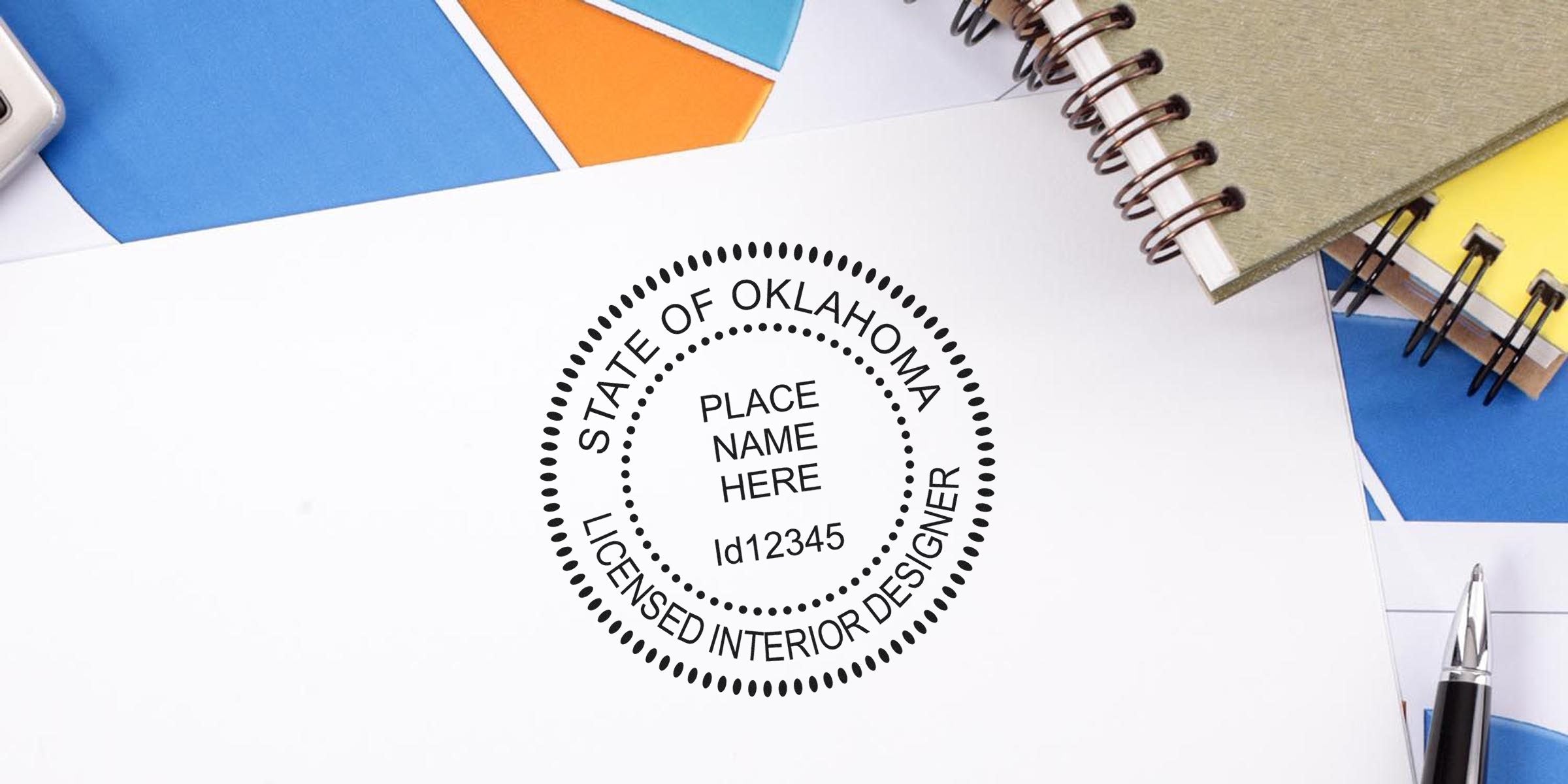
If you’re focused on establishing a professional interior design practice in Oklahoma, you’ve probably come across a crucial detail: the Oklahoma Interior Designer Seal. This official seal isn’t just a fancy emblem—it’s a way of demonstrating that you meet state guidelines and are ready to stamp your approval (literally) on design documents. But how do you get one, and what exactly does it entail? In this guide, we’ll walk through everything you need to know about obtaining, using, and maintaining the seal so you can confidently move forward with your design career. Let’s jump in.
Uncover The Oklahoma Interior Designer Seal
Before you can effectively use the Oklahoma Interior Designer Seal, it’s important to understand what it is. Think of it as your professional signature. In many cases, building inspectors or other officials will look for this seal to make sure your drawings align with Oklahoma’s interior design statutes. It quickly shows that you’re operating with the right credentials.
Defining The Seal
In simple terms, this seal is a customized design tool that usually features your name, your official license number (if applicable), and some unique markings that reference Oklahoma regulatory guidelines. Once you’re approved to carry it, you’ll place this seal on any crucial documents: floor plans, structural layouts, and other proposals that need official validation. Essentially, it’s your proof of legitimacy—like a personal stamp of approval.
The Role Of The Stamp
Along with the seal, many professionals in Oklahoma also invest in an official stamp. Stamps work much like the seal but can be quicker to apply, especially on multiple pages. Our Oklahoma Interior Designer Stamp is an option many designers choose for speed and convenience. If you’re juggling multiple project documents each day, a stamp can be a huge time-saver. However, whether you opt for a stamp or an embosser, the idea is the same: to add your professional hallmark to your project plans.
Physical And Electronic Versions
If you’re working in a modern design office or love to share documents via email, you’ll be glad to know electronic versions of your seal are also common. In fact, Acorn Sales includes a free Electronic Seal with every purchase, so you can seamlessly add it to digital PDFs or CAD files. This is a game-changer when coordinating with remote clients or quickly sending your designs for review. Electronic seals go through the same approval processes as their physical counterparts, meaning they’re just as valid in the eyes of Oklahoma regulatory boards.
Recognize Its Importance
You might be wondering: why does the Oklahoma Interior Designer Seal matter so much? After all, can’t you just sign your name on your plans? The short answer: Not really. The seal indicates that you adhere to local requirements, and it underscores that your work has been approved by someone with the proper licensure. Without it, you could face headaches like delayed projects or even legal ramifications.
Building Trust
Clients don’t just want rooms that look great; they want to know they’re in safe, capable hands. A seal is a powerful trust builder. It shows that the state of Oklahoma recognizes you as a qualified professional. So when you present your sealed or stamped drawings during client meetings, you’re giving them extra assurance that your designs are legitimate, code-compliant, and professionally vetted.
Meeting Legal Obligations
Some projects, especially commercial or large-scale residential ones, require official documentation stamped right there on the page. Without that seal, you may fail to meet local building code requirements or licensing regulations. If officials spot unsealed drawings during an audit or code check, you could face fines, project delays, or both. Ignoring this detail might jeopardize your entire project timeline.
Review Key Requirements
Each state has its own approach to licensure and design regulations. In Oklahoma, regulations may focus on academic background, work experience, or even your passing of relevant interior design exams. Knowing what’s expected helps you avoid wasted time.
Education And Exam Criteria
Typically, you’ll need a degree in interior design or a related field from an accredited institution. Many designers also take the NCIDQ (National Council for Interior Design Qualification) exam to prove their competence in areas like safety codes, accessibility, and design principles. After passing the exam, state licensing authorities might run a check on your professional experience.
Application Process
Once you meet the educational and exam requirements, you turn in your application. This usually includes:
- Completed application form.
- Proof of education (diploma, transcripts).
- Proof of exam completion (NCIDQ certificate or equivalent).
- Payment of any required fees.
Once you’ve been approved, you’ll be given the go-ahead to get your Oklahoma Interior Designer Seal. This process can take a few weeks, so planning ahead is key if you have projects lined up and deadlines looming.
Renewals And Maintenance
Licensure doesn’t always last forever. Some states, including Oklahoma, have renewal cycles (often yearly or biennial). During renewals, you may need to complete continuing education hours or submit updated documentation. Remember to keep track of deadlines on your calendar. Nothing is worse than rushing to renew right before you need to stamp a big set of design plans.
Select A Trusted Supplier
Anyone can slap together a quick seal graphic or stamp template, but choosing a trusted supplier can save you headaches in the long run. Look for a provider with a track record of producing high-quality seals that meet state specifications.
Acorn Sales: A Trusted Partner
Acorn Sales has been in business since 1964, and we’ve specialized in stamps and seals for industries like engineering, architecture, and, of course, interior design. Over the years, we’ve built a reputation for delivering top-notch products that comply with changing state guidelines. Plus, with each order, you’ll receive a free Electronic Seal—which can be a lifesaver if you frequently email sets of documents.
Why Quality Matters
Have you ever tried to read a smudged stamp on a project plan? It’s risky because a poor imprint can lead to misunderstandings or even rejections during official reviews. That’s why quality is crucial. The last thing you want is to be told your stamp is illegible or doesn’t match the official format. High-quality seals and stamps are designed to provide clear, crisp impressions, ensuring your documents pass muster without a hitch.
Making The Purchase
In terms of buying logistics, confirm the stamp or embosser you’re looking at meets Oklahoma’s mandated design. Each state publicly provides guidelines on how the seal should look, including shape, text, and size. A company experienced in making official Oklahoma Interior Designer Seals will already know these requirements by heart. Don’t forget to inquire about shipping timelines and digital delivery if you plan on using an electronic version.
Avoid Common Pitfalls
Even the most seasoned designers can stumble over small details. Being aware of these pitfalls in advance helps you sidestep the usual frustrations.
Misplacing Renewal Dates
It might seem trivial, but missing your renewal is surprisingly common. A simple calendar reminder is all it takes to avoid lapsed licensure. If your license isn’t active, your seal is essentially invalid, risking project rejections or legal repercussions until you renew. Some professionals set two or three reminders—one months ahead, one weeks ahead, and one the day before—for extra security.
Overusing Your Seal
While you want to show authenticity, stamping every single page like crazy can backfire. In some cases, repeated stamps may dilute the seriousness of the seal. Instead, focus on stamping key pages of the design document, especially covers, indexes, or general notes pages, depending on the regulatory body’s guidance. Always check local rules, because certain projects might require a specific stamping pattern.
Not Checking For Updates
Regulations aren’t static. Official agencies can update or refine guidelines, often making small tweaks that can have a big impact. Keep your eyes open for new mandates about your seal’s appearance or usage scope. If clients or local municipalities mention new rules, it’s best to confirm with the official Oklahoma board. Staying on top of changes keeps your professional credentials intact.
Skipping Proper Training
Just because you have the seal doesn’t necessarily mean you fully understand the local code. Some designers skip continuing education or advanced courses, which can leave them behind on best practices. Remember, a sealed document is a declaration of professional competence. If you’re unsure about certain code interpretations, it’s worth brushing up on them or hiring a consultant who speaks the local code language fluently.
Failing To Proofread Documents
Picture this scenario: you’re finalizing an interior design plan for a new office space, and you hurriedly stamp it. Later, you realize that you labeled the bathrooms incorrectly or placed a load-bearing wall where it shouldn’t go. By that time, you’ve already turned those documents over to a municipal planning board. Make sure you carefully review all details before you press that seal or stamp onto the page.
Wrap Up And Final Tips
Ensuring you have the correct Oklahoma Interior Designer Seal is about more than just ticking a boxes. It’s also about demonstrating your expertise and respect for state regulations. Clients and local authorities take your seal seriously, so it’s worth putting in the time and care to get it right. Here’s a quick recap of the most important points:
- Double-check you’ve met all of Oklahoma’s requirements, from education to practical experience.
- Pick a reliable supplier—like Acorn Sales—that provides clear, crisp seals along with a free Electronic Seal.
- Understand when and where your seal is mandatory: typically on final design documents and other official submissions.
- Keep an eye on your license renewal schedule, so you’re always valid when stamping.
- Stay current on any changes to the seal’s format or usage rules by monitoring state announcements.
Once you’ve perfected your workflow, stamping documents becomes second nature. Whether you’re revamping a cozy living room or designing a sprawling hotel lobby, the seal says, “This work meets Oklahoma’s professional standards.”
By understanding the process behind the Oklahoma Interior Designer Seal, you’re putting yourself in the best position to succeed. You’ll not only comply with state mandates but also build an elevated level of trust with your clients, municipalities, and future collaborators. Ready to take the next step? Look into getting your official seal today, and turn your interior design visions into certified reality.
Frequently Asked Questions
Do I need a physical seal if I only submit digital plans?
Yes. Even if your primary method of submission is digital, many municipalities still require an accompanying physical stamp for recordkeeping. You may use an electronic seal for quick revisions, but confirm the submission guidelines with your local board.
What if my seal’s impression is faint or hard to read?
Inconsistency can be a red flag to local boards. Make sure you’re using a high-quality stamp or embosser. If your seal is consistently faint, you might need a replacement ink pad or to adjust your embosser’s pressure. High-quality suppliers like Acorn Sales can guide you on that.
How often should I update my seal design?
Typically, you only need to update if the state’s design standards change or if your name or licensing information changes. Check the Oklahoma board’s website periodically or subscribe to their newsletters to stay in the loop.
Can I lend my seal to a colleague if they’re not licensed yet?
Absolutely not. The seal is your personal representation of meeting Oklahoma’s interior design requirements. Lending it out risks serious legal consequences for both you and your colleague. Encourage them to go through the proper channels to get their own seal.
Where can I get a seal that meets all Oklahoma guidelines?
A reputable supplier like Acorn Sales has been crafting official stamps and seals for interior designers since 1964. They can ensure every detail—like spacing, border style, and text size—matches the state’s specifications, and you’ll get a free Electronic Seal with your order.








