
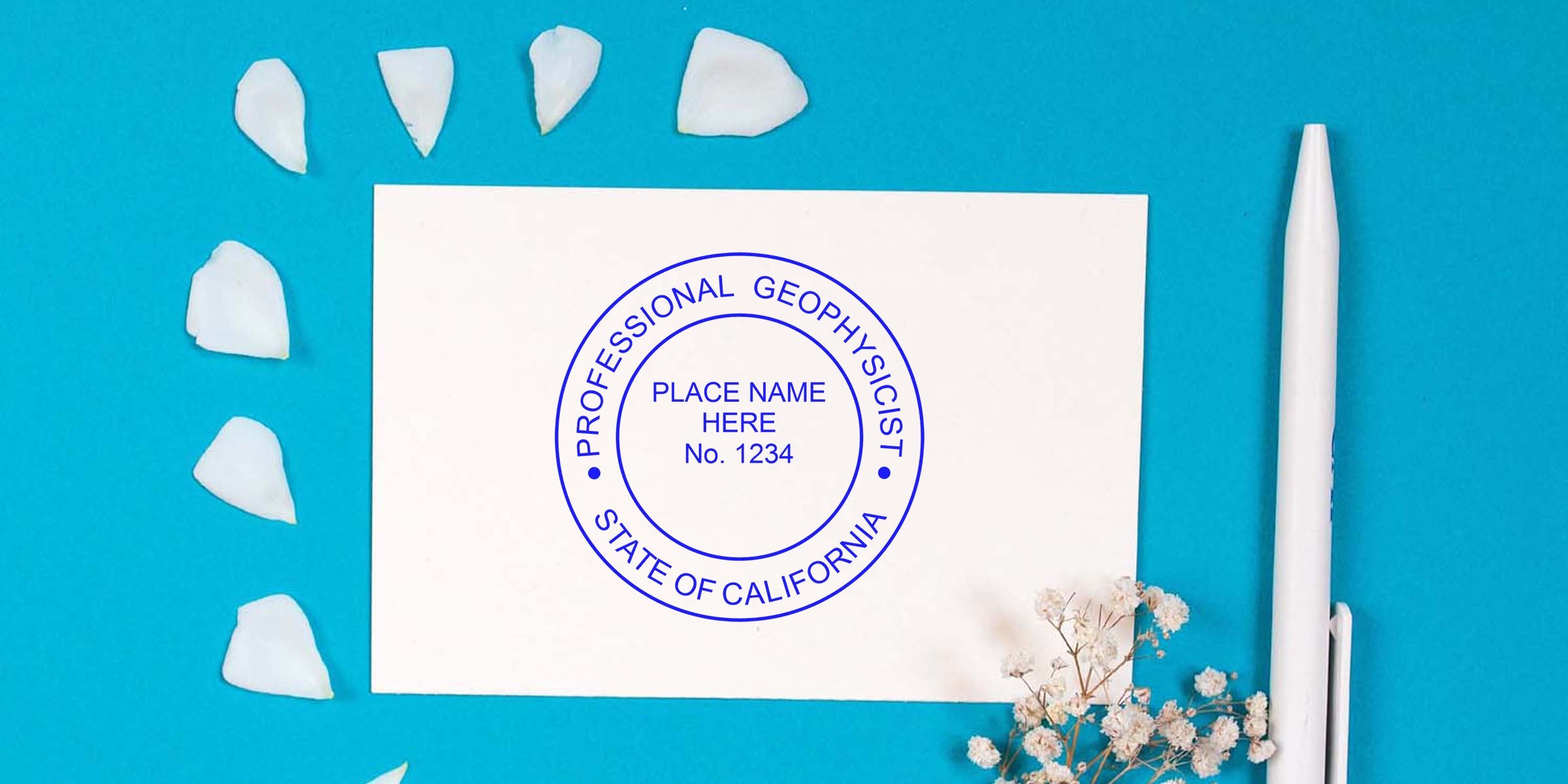
You know how important precision is in your geological work, but do you ever wonder if you’re meeting all the California geologist seal specifications required by state regulations? Ensuring that your seal adheres to both legal standards and professional best practices might seem complicated, but it’s not as tough as it sounds. In this guide, we’ll walk through everything you need to know about creating, using, and ordering your California geologist seal. You’ll come away feeling confident that your seal meets the state’s requirements, looks great, and represents your expertise with every imprint or emboss.
Following these guidelines also ensures you uphold the professional image you’ve worked so hard to build. And if you’re looking for a reputable place to get your seal, we’ll talk later about a trusted supplier that’s been around since 1964. Ready to explore the ins and outs of the California geologist seal? Let’s dive in.
Know the Purpose
Before we dig into the nitty-gritty details, let’s clarify why you need a California geologist seal at all. Essentially, the seal is proof that you’ve met any licensing and certification standards set by the California Board for Professional Engineers, Land Surveyors, and Geologists. It assures clients, employers, and the general public that your geological reports, maps, or evaluations were prepared by a qualified professional.
You might ask, “Why is this small piece of identification so significant?” The answer is that a properly used seal can protect your credibility, help guard against legal issues, and demonstrate compliance with the regulations that govern your profession.
- It verifies you’re an officially licensed geologist in California.
- It shows that your work meets or exceeds professional standards.
- It helps your clients trust that they’re getting expert guidance.
Even though it’s a simple stamp or emboss, your seal represents the larger weight of your expertise and responsibility.
Check Legal Requirements
When it comes to meeting legal requirements, you’ll want to start by reviewing up-to-date information from California’s regulatory board. If you’re unsure about the full spectrum of rules for your seal, consider reviewing additional details about california geologist stamp requirements. That resource can help you confirm that the text, format, and even the impression style you choose align with state guidelines.
But what are the core mandates you really need to know? In many cases, your seal must include:
- Your name as it appears on your license
- Your professional title (Registered Geologist, Professional Geologist, etc.)
- The wording that indicates “State of California” or “California Licensed Geologist”
- Your license number (clearly legible)
Missing or misstated information in your seal can lead to administrative headaches, so double-check everything. Also, keep your current license status active. If your license lapses, that fancy seal instantly stops being valid.
Identify Key Elements
California geologist seal specifications call for certain elements in your seal’s overall design. Though the precise details can vary, the state typically has rules for aspects such as size, shape, and text placement. Generally, the seal:
- Must be at least 1.5 inches in diameter (though some professionals prefer a 2-inch seal for clarity).
- Should display “Registered Geologist,” “Professional Geologist,” or a similar stated title.
- Must include the phrase “State of California” or “California” plus your license number.
Your seal’s style can vary slightly, but most geologists stick with a circular design to ensure their imprint is easy to interpret. The circle shape is common for professional seals, and it’s recognized instantly by state agencies, employers, and others who need to verify your credentials.
Tips for Legibility
- Use fonts that are easy to read, even at smaller sizes.
- Consider a clean, high-contrast color for self-inking or pre-inked stamps.
- Test your seal on multiple surfaces to confirm the text doesn’t blur or fade.
Once you confirm your design meets these specifications, you’re all set on the biggest hurdles of compliance.
Choose the Right Format
Next up is deciding on the format, which includes both physical and digital options. A physical seal can be either a stamp or embosser, while a digital seal is perfect for electronic documents. Because technology has shifted much of our work online, you may find it useful to have both.
Below is a quick comparison table to help you understand the benefits of common physical formats:
| Stamp Type | Advantage |
|---|---|
| Self-inking | Built-in ink pad, quick and convenient. |
| Pre-inked | Crisp impressions, designed for repeated use. |
| Embosser | Raised impression, offers a professional look. |
If you plan to submit documents electronically, a digital seal is also essential. Having a digital seal means you can quickly apply your credentials to PDF files or other digital formats without printing, stamping, rescanning, and emailing. Many geologists these days prefer both a physical stamp and a digital seal to cover all their bases.
Order From a Trusted Supplier
Once you’ve decided whether you want a simple rubber stamp, a heavy-duty self-inker, or even an embosser, you’ll need to find a reputable provider. This is where we introduce ourselves: Acorn Sales has been helping professionals like you get the right stamps and seals since 1964. Our experience runs deep, and we’ve built a reputation for delivering high-quality products that meet California’s legal standards.
Why choose Acorn Sales?
- We know the California geologist seal specifications inside and out.
- We offer a free digital seal when you order your physical stamp.
- Our support team can guide you through any questions regarding design or compliance.
- We stand behind our products, offering top-notch durability.
We believe getting your seal shouldn’t be stressful, so we focus on strong customer service. If your design needs a second look, we’re here to help. We also keep track of regulation changes, which makes it easier for you to remain in compliance over the long haul. In short, we save you time so you can concentrate on what you do best: geology.
Use Best Practices
Now that you’ve nailed down the specifics and ordered your seal, let’s talk about daily use. After all, merging technical precision with a bit of everyday practicality can go a long way.
Common Usage Scenarios
- Field Reports: When finalizing site investigations or hazard assessments, your stamp adds that finishing touch.
- Geology Maps: Whether you’re delineating bedrock or groundwater flow, stamping your name and license info ensures clarity of authorship.
- Official Submissions: Government agencies, engineering firms, and research groups often require that a geologist’s official seal accompany any key documents.
Storage and Maintenance
- Store your stamp where dust, moisture, and direct sunlight can’t damage it.
- For self-inking and pre-inked stamps, keep a refill on hand so you never run out mid-job.
- Regularly check the impression to ensure the seal is producing clear, readable text.
Document Security
- Maintain a digital record of vital stamped documents.
- For physical copies, consider scanning and filing them securely.
- If you use a digital seal, store the file or software in a password-protected location.
These daily tasks might seem small, but they significantly reduce the risk of errors, tampering, or lost paperwork. Because your reputation hinges on the authenticity of your seal, it’s wise to treat it with the same care you’d give any expensive piece of gear.
Wrap It Up
By now, you should feel more confident about California geologist seal specifications and how to meet them without breaking a sweat. At its core, your seal represents your hard-earned expertise and your commitment to professional standards, so giving it the proper attention is only natural. Whether you opt for a self-inking stamp, a formal embosser, or both, always confirm your information is accurate and up-to-date.
If you’re ready to check “order seal” off your to-do list, Acorn Sales has your back. We’ve been around since 1964, and we supply geologists with high-quality stamps and seals that align with state requirements. On top of that, you’ll get a free digital seal to streamline your electronic submissions. Because let’s be honest, your day is busy enough already.
Go ahead and take that next step. Once you have your seal, you’ll be all set to confidently mark every report, map, and official document—showing the world that your geological work is nothing short of professional. Happy stamping!
Frequently Asked Questions
Do I need both a stamp and an embosser?
It depends on how you typically submit documents. A stamp is usually enough for most situations, especially if it’s self-inking. An embosser can be a classy option for official certificates or documents that require a raised impression. Many geologists prefer to have both to cover different needs.
Are digital seals legally recognized?
Yes, as long as they meet the requirements set forth by the California regulatory board. Digital seals can be applied to PDFs or other electronic documents without printing. At Acorn Sales, we provide a free digital seal when you purchase a physical stamp, making it easier for you to comply with these modern workflows.
What is the minimum size for a California geologist seal?
Generally, 1.5 inches in diameter is recommended, but many professionals go for a 2-inch seal. The primary goal is clarity. If the seal is too small, your license number or text might look cramped, which can cause confusion.
Can I use a nickname or abbreviated name on my seal?
It’s best to stick with your full legal name exactly as it appears on your license. If your documents show any discrepancy, you might face unnecessary questions or have to refile paperwork. Accurate info equals fewer administrative hassles.
How often should I replace my stamp or embosser?
If you own a self-inking or pre-inked stamp, you can often just replace the ink cartridge or re-ink the pad as needed. For embossers, it’s mostly about checking for wear on the die. Keep an eye on the clarity of your imprints. As soon as letters or numbers start to blur, consider a replacement.








