
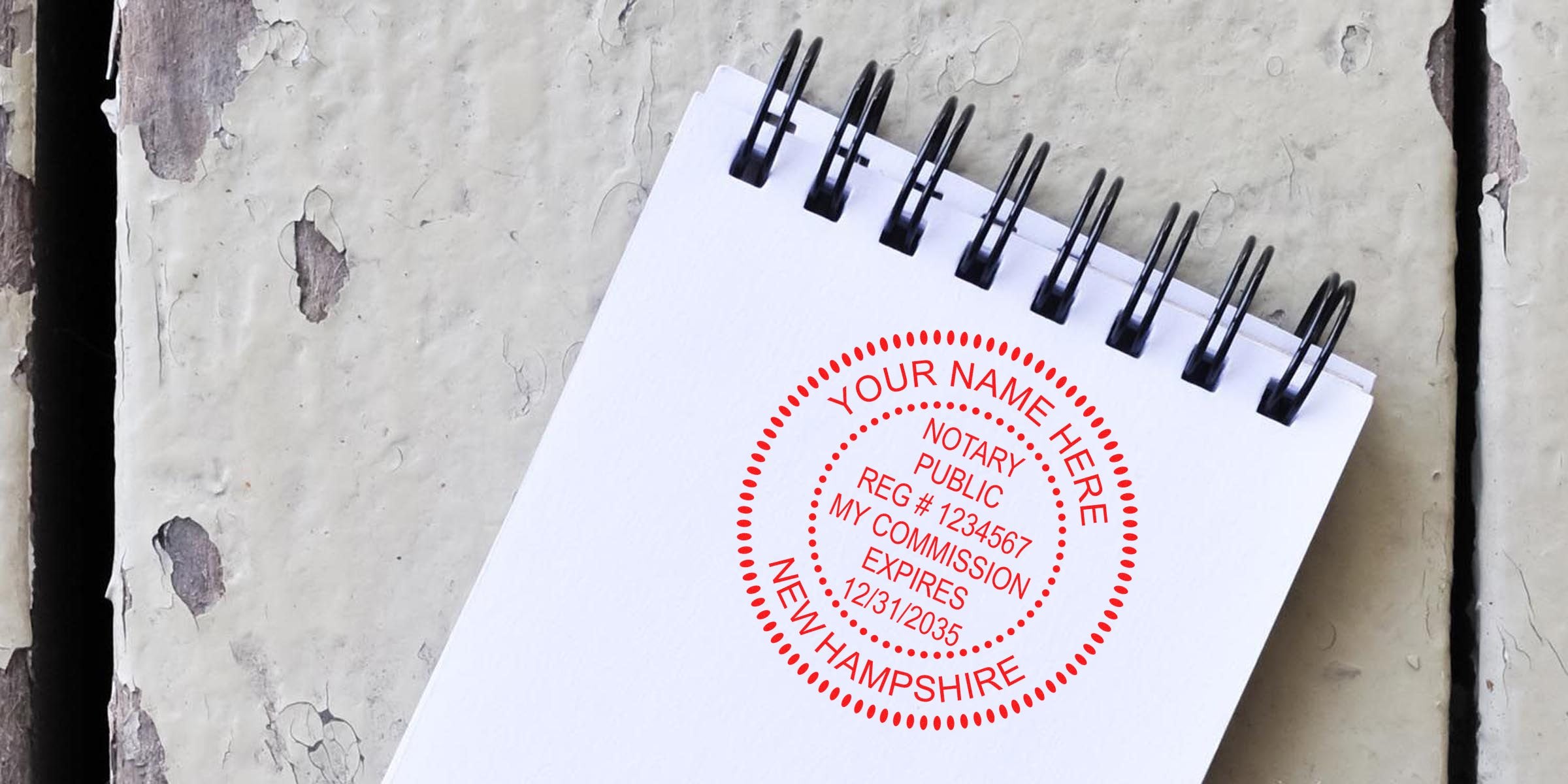
Selecting a New Hampshire notary public stamp can feel like a big decision, especially if you’re new to the notary world. You want something that meets state guidelines, holds up through plenty of stamping, and, of course, looks professional. Below is a friendly guide on what to consider as you choose the right notary stamp for your needs.
Understand the Role
Before diving into the features and styles, it helps to know why your notary stamp matters. In New Hampshire, your stamp (also called a notary seal) identifies you as an authorized notary, validates the documents you sign, and helps prevent fraud. Whenever you affix your stamp, you’re adding an official layer of trust that people rely on to confirm the authenticity of a signature or document.
Check State Requirements
State regulations can influence the style and look of your stamp. You’ll often see guidelines that specify details such as:
- Shape (circular or rectangular)
- Required text (your name, “Notary Public,” and the words “New Hampshire”)
- Size limits to ensure clarity
Because these rules can change, it’s smart to confirm current requirements through official state resources before you order. By doing so, you help guarantee that you’re stamping documents with a seal that meets compliance standards.
Explore Stamp Types
Notary stamps aren’t one-size-fits-all. There are several types you’ll encounter, each with unique pros and cons:
Self-Inking Stamps
These come with built-in ink pads. All you do is press down, and your seal appears cleanly on the page. They’re quick and convenient, though you might need to refill the ink eventually.Pre-Inked Stamps
Generally offering crisper, more detailed impressions, these stamps are infused with ink inside the rubber. They can last for thousands of impressions before requiring a refill.Embossing Seals
Instead of ink, embossers press a raised imprint into the paper. In some states, an embosser is either optional or used alongside an inked stamp. Embossers look official, but they can be trickier to see on photocopies.
Feel free to choose what best suits your routine. Some notaries keep both a self-inking stamp for everyday use and an embosser for special documents.
Choose a Dependable Vendor
Picking a reliable vendor helps ensure you receive a compliant and long-lasting stamp. You’ll find many options, including local shops and online retailers. Look for:
- Customization options (accurate text, correct spelling)
- Quality of materials (durable plastic or metal handles)
- Good reviews from other notaries
If you want a one-stop shop for all your needs, you can also explore New Hampshire Notary Supplies to see if they offer a compatible stamp that meets state guidelines.
Pay Attention to Ink
Ink color might seem like a small detail, but it can matter. Traditional black ink is standard because it’s easy to read and copy. Some clients or offices may prefer blue or red for specific purposes, though black remains the most widely accepted. If you opt for a self-inking or pre-inked style, be sure the replacement ink cartridges or refills are easy to find.
Maintain Your Notary Stamp
Once you’ve found the perfect seal, a little maintenance goes a long way. You don’t want the text fading halfway through an important signing. Simple tips include:
- Storing your stamp in a cool, dry place
- Checking ink levels regularly (if you use a self-inking or pre-inked model)
- Keeping a spare ink pad or refill cartridge on hand
By caring for your notary stamp, you’ll consistently get sharp, clear imprints. That means fewer re-stamps and a more professional presentation.
Key Takeaways
- Your stamp’s primary purpose is to validate official documents, so ensure it meets State of New Hampshire requirements.
- Different stamp types exist: self-inking, pre-inked, and embossing seals are the most common.
- Research your options to find a vendor known for quality, accurate customization, and solid reviews.
- Pick an ink color that stands out on paper, typically black.
- Store your stamp properly and keep an eye on ink levels to maintain crisp impressions.
Choosing a new stamp is about finding the right balance between compliance, convenience, and durability. With the right research and a little care, you’ll be set up to provide professional notary services whenever someone needs your seal. If you’ve still got questions or want to share your personal experience, you’re more than welcome to chime in and help others make an informed choice. Happy stamping!
Frequently Asked Questions
What are the New Hampshire notary stamp requirements?
Your New Hampshire notary public stamp should include your name, the words “Notary Public,” and “New Hampshire.” It also needs to follow any current state rules for shape and size, so it’s best to verify the latest requirements before ordering.
Which type of New Hampshire notary stamp is best: self-inking, pre-inked, or embossing?
The best stamp depends on your workflow. Self-inking stamps are fast and convenient for frequent use, pre-inked stamps offer crisp impressions and long-lasting performance, and embossing seals provide a raised official look that may be used alone or with an inked stamp.
What ink color is recommended for a New Hampshire notary stamp?
Black ink is the most widely accepted choice because it is easy to read and copies clearly. Some offices may accept blue or red, but black is usually the safest option for professional notary use.
How do I make sure my New Hampshire notary stamp is compliant?
To ensure compliance, confirm that the stamp includes all required wording, matches current New Hampshire notary stamp requirements, and comes from a reputable vendor that customizes seals accurately. Checking state guidelines before purchase can help prevent issues later.
Where can I buy a durable New Hampshire notary public stamp?
You can buy a New Hampshire notary public stamp from local office supply stores or online notary supply vendors. Look for a seller with strong reviews, durable materials, and accurate customization so you receive a long-lasting, compliant seal.
How do I care for my New Hampshire notary stamp so it lasts longer?
Store your stamp in a cool, dry place, check the ink level regularly, and keep a spare ink pad or refill cartridge nearby if needed. Proper storage and maintenance help preserve sharp impressions and extend the life of your notary stamp.








