
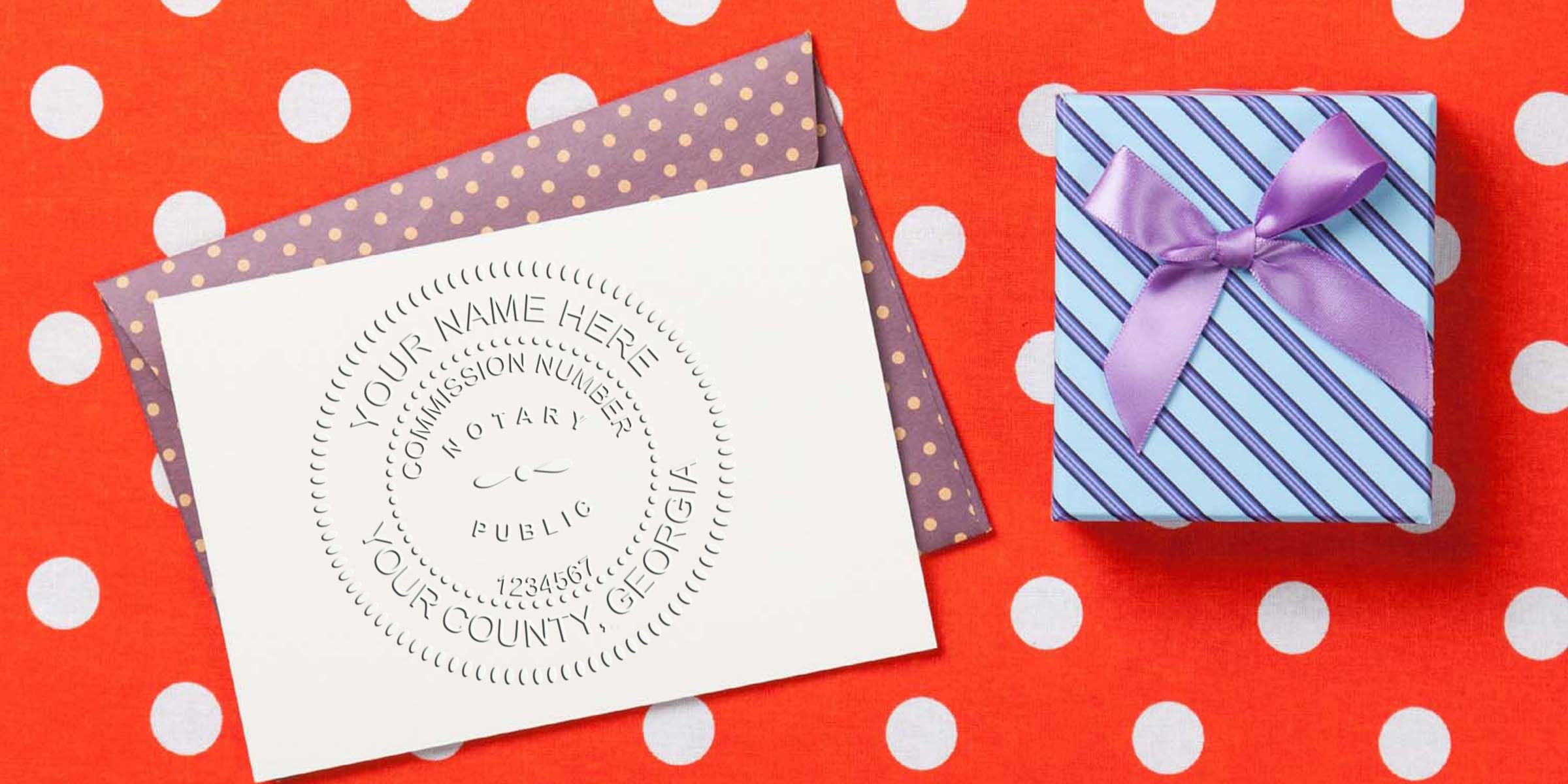
Are you on the hunt for a notary public stamp and embosser engraved with your personalized details? You’ve come to the right place. At the start of a notary commission and when a current seal shows signs of wear, understanding the ins and outs of these tools is key to boosting your efficiency and professionalism. In this guide, we’ll walk through everything you need to know, from the basic differences between stamps and embossers to how to keep them in tiptop shape.
Recognize your notary basics
Before you pick out a notary public stamp or an embosser, it helps to understand the core responsibilities of a notary. You’re in charge of verifying identities, confirming signatures on important documents, and helping prevent fraud. With so much riding on your stamp, you want a seal that accurately reflects your credentials and meets every legal requirement in your jurisdiction.
Why your seal matters
- It’s a legal mark of authenticity placed on documents.
- It signals that you’ve verified the identity of the person signing.
- It provides a record of your commission details.
- It’s a quick way to represent your notarial authority.
By choosing a well-made seal device that you can easily use and store, you’ll make your job simpler while maintaining the trust placed in you as a notary.
Distinguish stamp and embosser
Notary tools typically come in two main forms: a rubber stamp or an embosser (a device that creates a raised impression on the document). While they’re both used to add your official notary seal, each offers unique benefits and considerations.
Stamps: quick impressions
Rubber stamps (or pre-inked stamps) create an ink-based marking that’s highly visible. This style is especially handy when a clear, easy-to-read print is required. It’s often faster too, simply press down the device on your document and you’re done.
How stamps stand out:
- Produce a crisp, dark imprint that’s easy for recipients and officials to see.
- Work well for long signing sessions because they’re fast to apply.
- Are compact and simple to store in your notary bag.
Embossers: textured impressions
Embossers, on the other hand, physically press or crimp the paper to create a raised seal. This makes tampering more difficult, since the impression is part of the page itself rather than just ink on top. Many notaries love the professional look that an embossed mark can provide.
Why embossers shine:
- Provide a tactile, three-dimensional mark that deters duplication.
- Offer a traditional look that feels especially official for some documents.
- Can be used in combination with inkers if needed for photocopies.
Using both for versatility
In many cases, notaries choose to keep both a stamp and an embosser on hand. A stamp offers speed and clarity, while an embosser delivers extra security and a more formal appearance. Depending on your state regulations, you may be required to use one specific type, or you might have the freedom to use both.
Consider state requirements
Notary rules vary from state to state, so confirm what’s acceptable where you live. Some states are quite flexible, as long as your seal contains the critical details (like name, commission number, and state). Other states outline exact size requirements or prefer certain wording. You’ll need these details handy to make sure your notary public stamp and embosser engraved with your information meets every legal requirement.
Common state-mandated elements
- The notary’s name exactly as it appears on the commission.
- The words “Notary Public” and often the state name.
- Your commission number or commission expiration date.
- An outline, shape, or border specified by the state.
When in doubt, check your local notary laws or ask your state’s commissioning authority for guidance. You can also reach out to experts like Acorn Sales, which has been serving notaries nationwide since 1964. We’ll talk more about them in a bit.
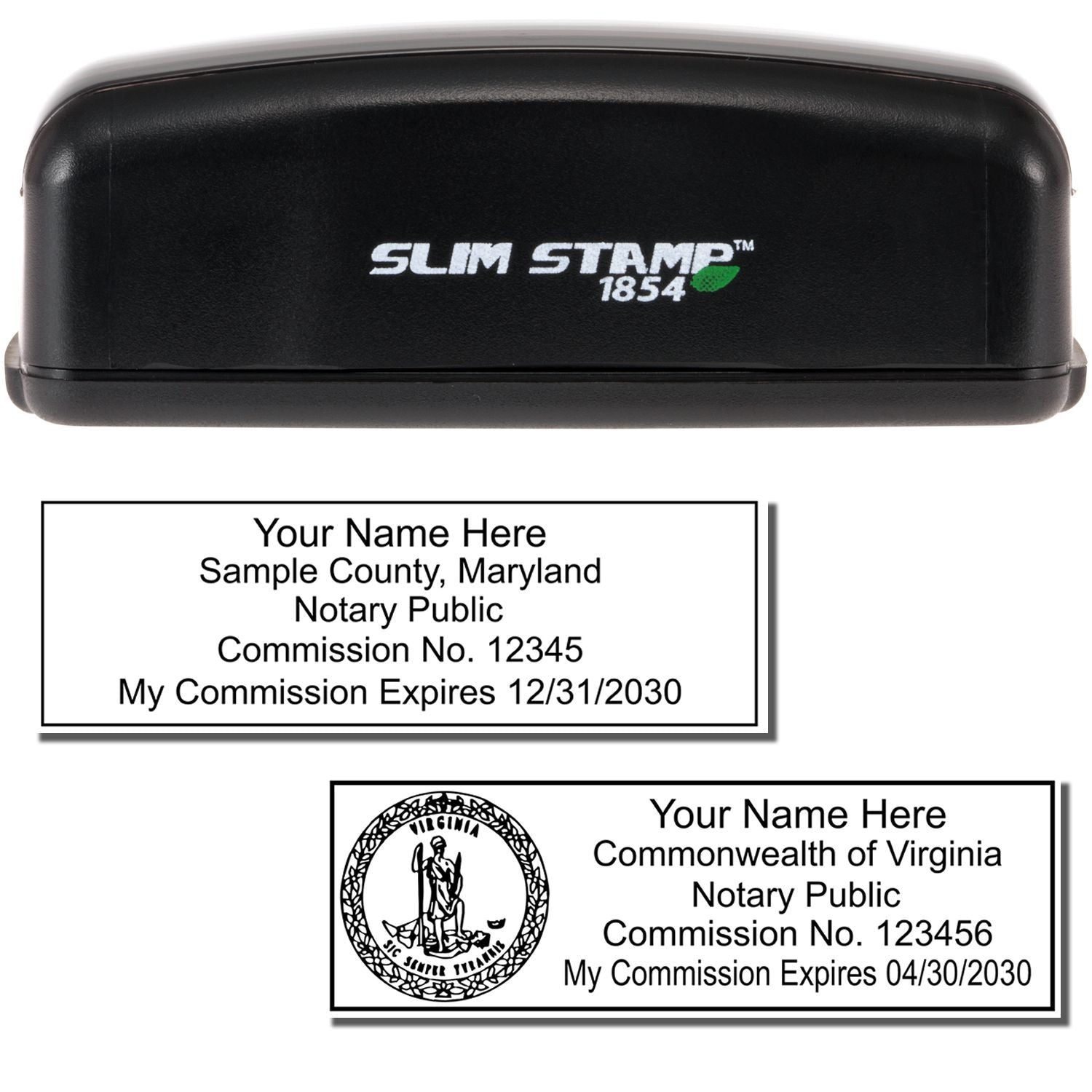
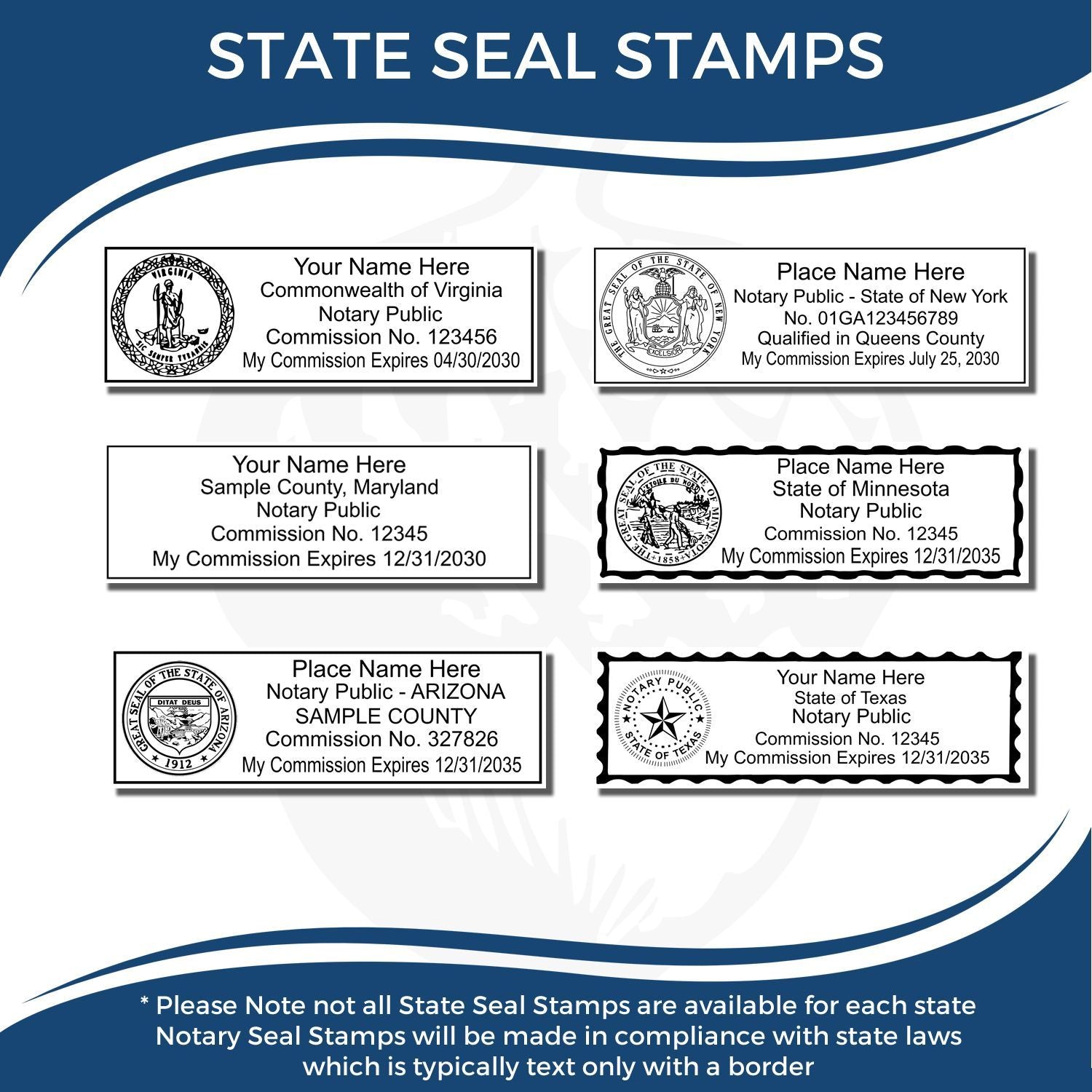

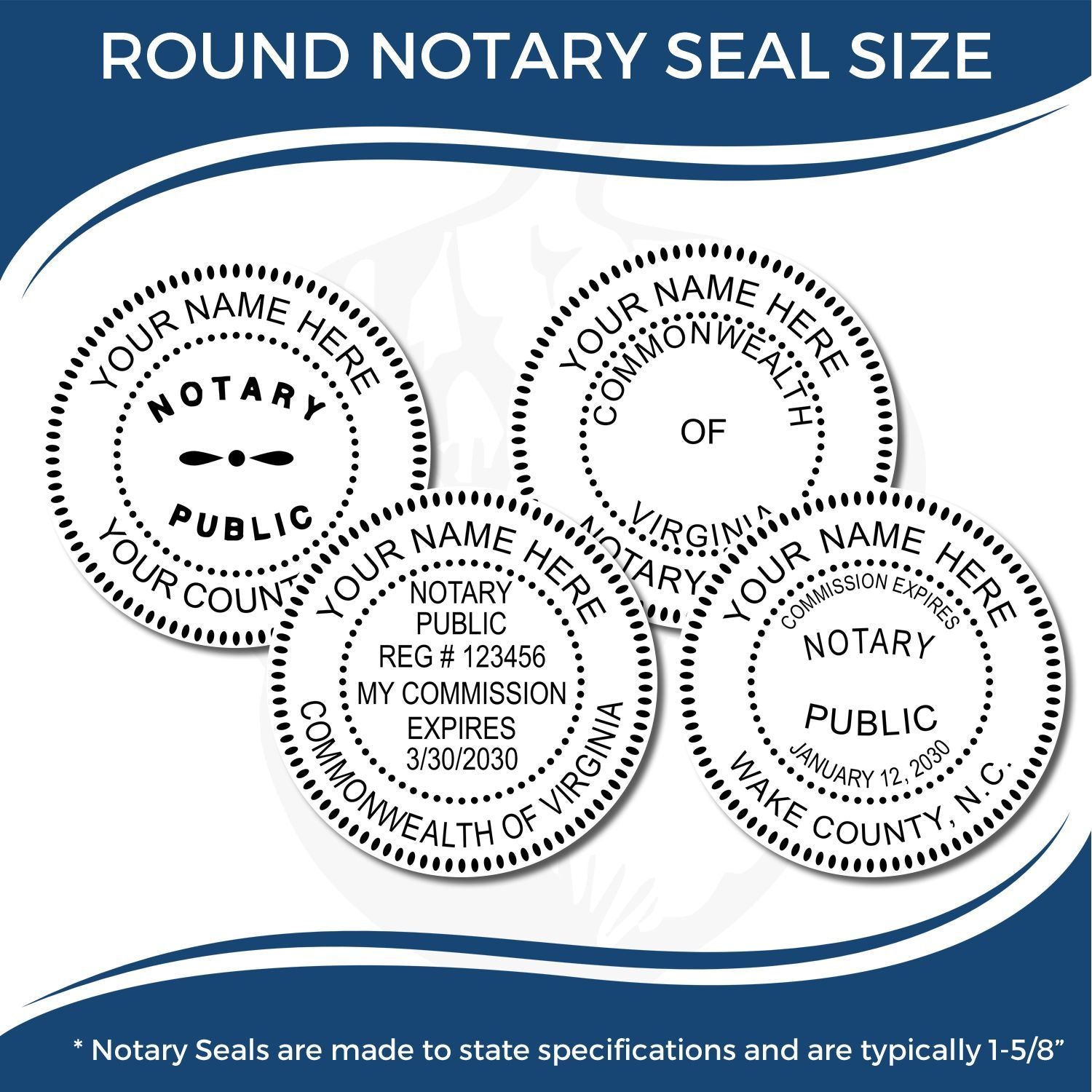


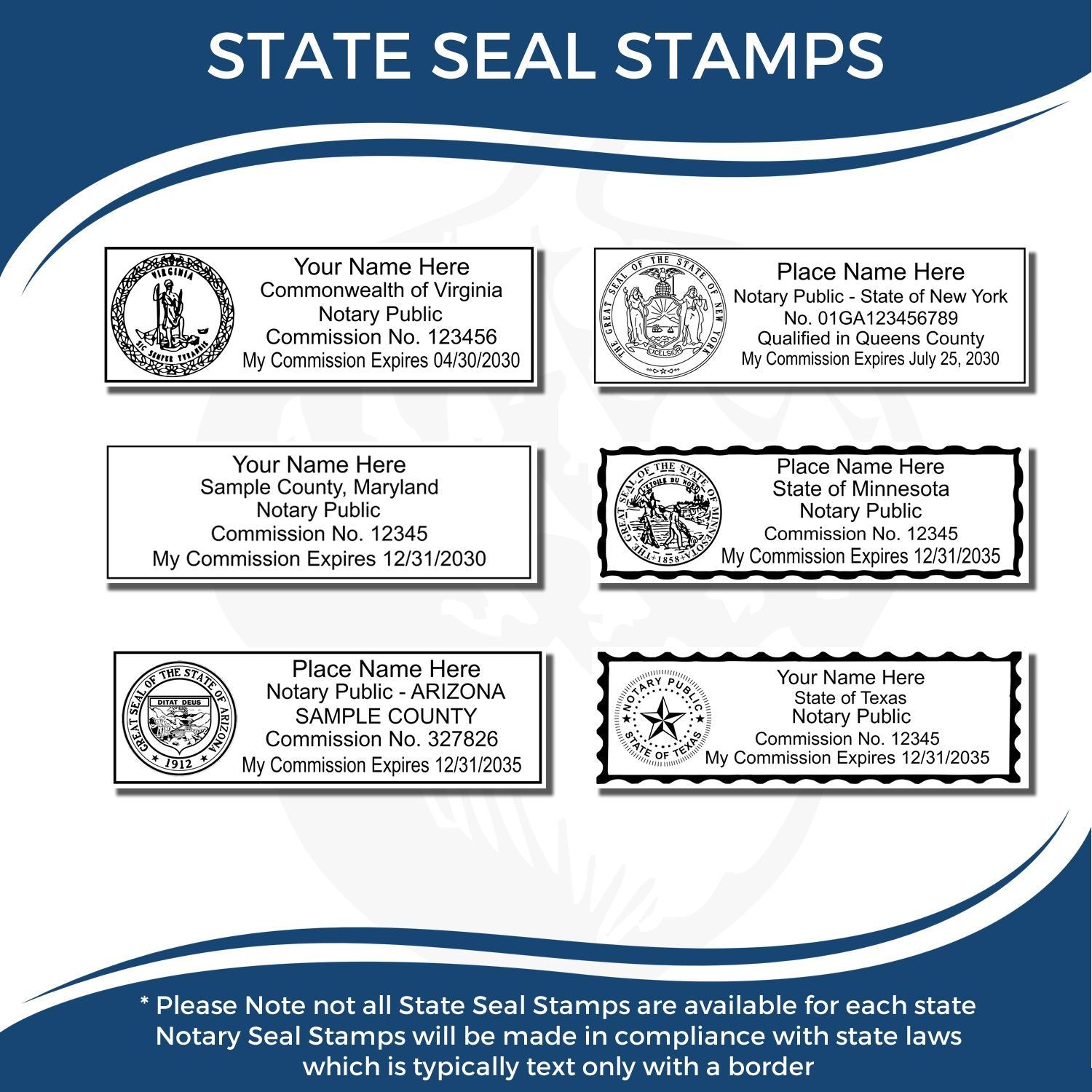
Look at engraver details
When ordering an engraved seal, many people assume it’s as simple as typing in your name and calling it a day. Yet, there are some subtle decisions that can make your seal more user-friendly and visually appealing.
The components of a notary engraving
- Your name: Must match your legal notary name precisely.
- State name: Usually spelled out, not abbreviated (unless allowed).
- Commission number (if required): Check local rules to see if you need this.
- Expiration date (if required): Some states mandate your commission expiration.
- Border design: Decorative circles or rectangles are common.
- Optional text: Terms like “My Commission Expires” or relevant disclaimers.
You’ll typically see these elements arranged in a circle or rectangle for stamps and embossers. That shape is not purely decorative; it also keeps your notarial details contained and easy to locate on a document.
Explore material choices
Notary stamps and embossers are often made from different materials like metal or durable plastic. While a sturdy metal embosser might weigh more, it often stands up to frequent use. A lighter, plastic-bodied stamp might be a breeze to carry around, but it could wear faster over time.
Comparing stamp and embosser materials
| Aspect | Typical Stamp Materials | Typical Embosser Materials | Key Considerations |
|---|---|---|---|
| Structure | Plastic or metal body | Mostly metal | Weight, durability |
| Portability | Lightweight | Heavier, especially if long-reach | How often you travel for notary work |
| Longevity | Minimal maintenance needed except for alignment | Frequency of usage | |
| Customization | Flexible design elements | Mostly about plate design | Look, feel, and user preference |
Think about your daily workflow. If you notarize documents primarily in your office, a heavier device may not be a big deal. If you’re often on the go, a more portable tool might serve you better in the long run.
Select your design features
No two notaries have exactly the same preferences, which is why you’ll find a number of design styles out there. Some prefer large, highly detailed stamps, while others want a compact design that fits easily in a pocket.
Handling custom logos
Depending on your state rules, adding a custom logo might be restricted or disallowed. However, if your jurisdiction allows it and you want to put a unique spin on your seal, think about incorporating a small icon or logo. A simple design helps keep everything legible. Always remember that clarity is critical, so any artwork must not obscure the required legal text.
Font choices and layout
Legibility is paramount. You’ll see that most official seals use minimal, block-style fonts. Cursive and overly decorative typography might look nice at first glance, but it can be tough to read. Stick with bold, clear text that stands out on the page.
Maintain your notary tools
Getting a notary public stamp and embosser engraved is only the first step. You’ll also want to ensure your seal stays clean, functional, and aligned.
Stamps
- Store upright: Keep stamps on their side to avoid ink pooling.
- Test on scrap paper every few uses: Make sure the impression is sharp.
Embossers
- Press evenly: Use balanced pressure so the impression is clearly transferred.
- Clean the plates: Wipe them down gently to remove dust or tiny bits of paper.
- Check alignment: Sometimes the top and bottom plates can drift slightly over time, making the impression uneven.
If your stamp or embosser starts producing faint or incomplete seals, it’s time to investigate. You might need to tighten a screw, or it could be time for a replacement if the wear is significant.
Discover reasons to trust Acorn Sales
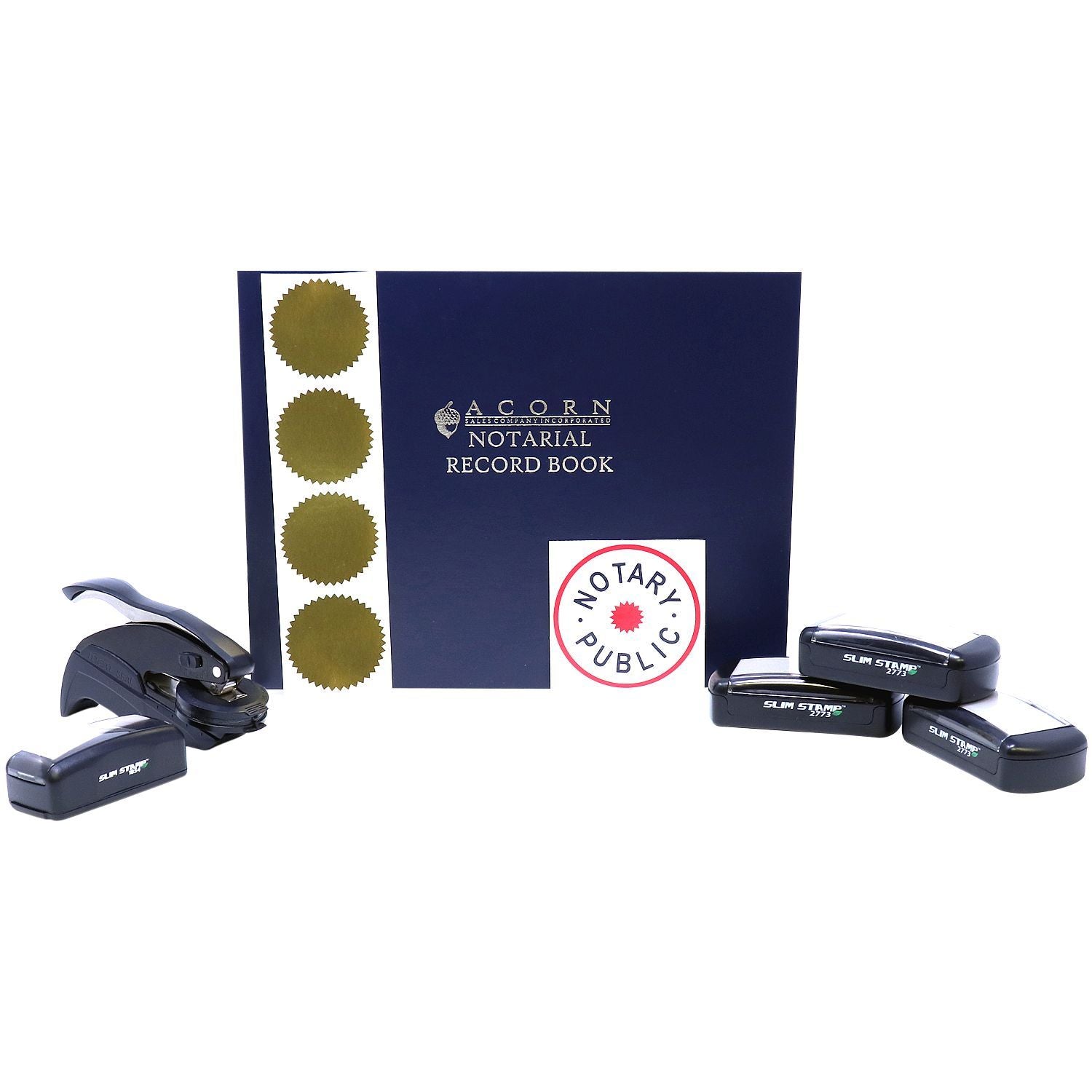
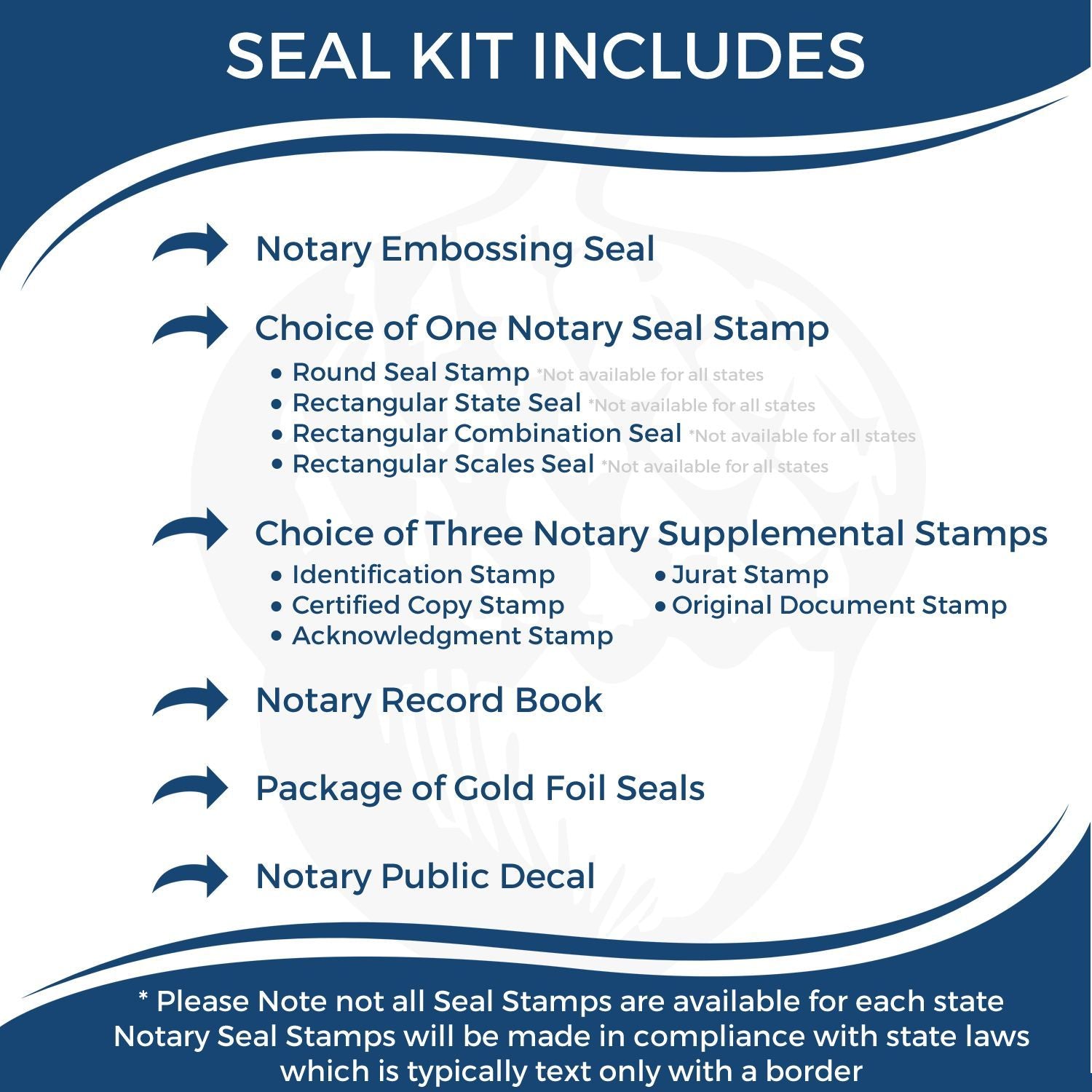
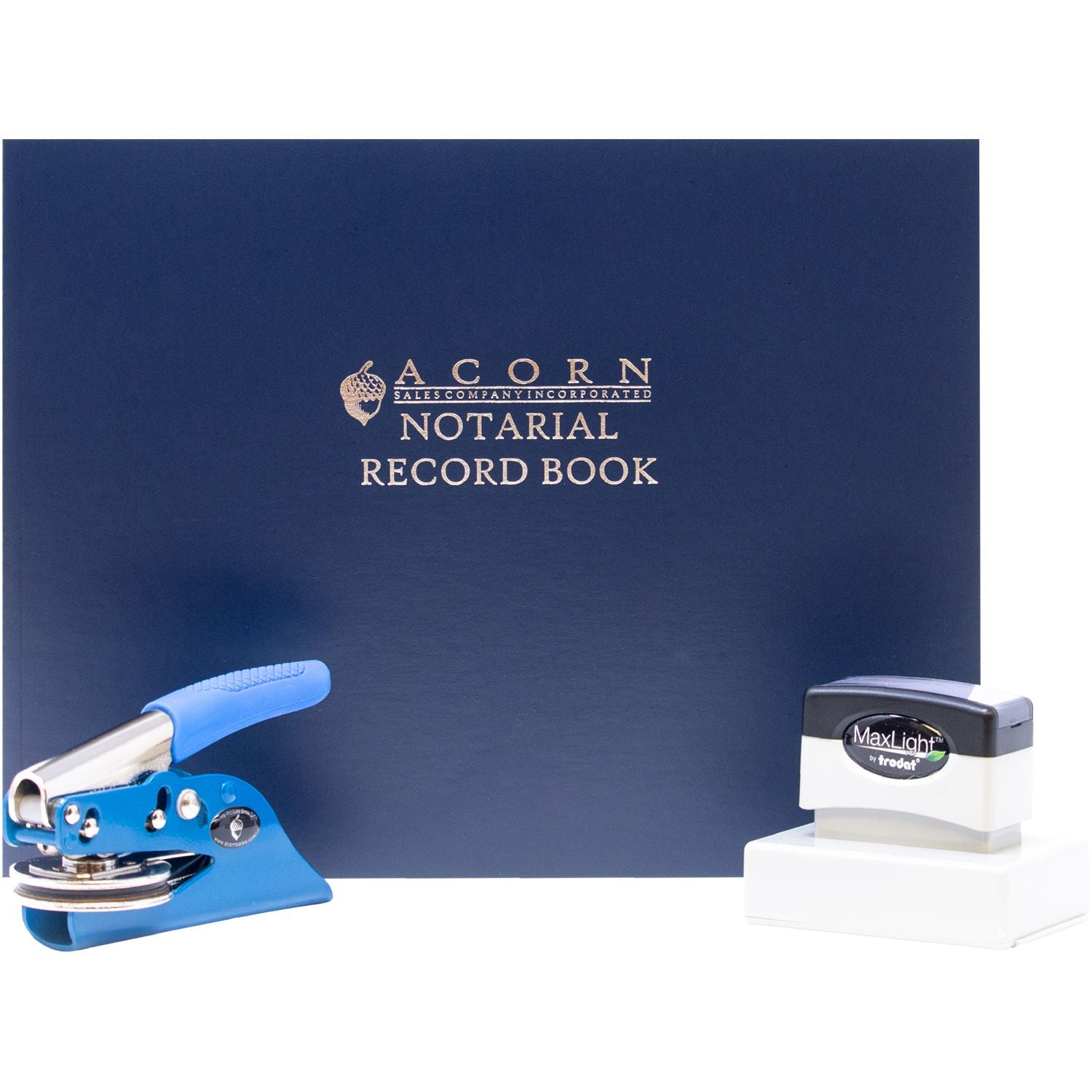
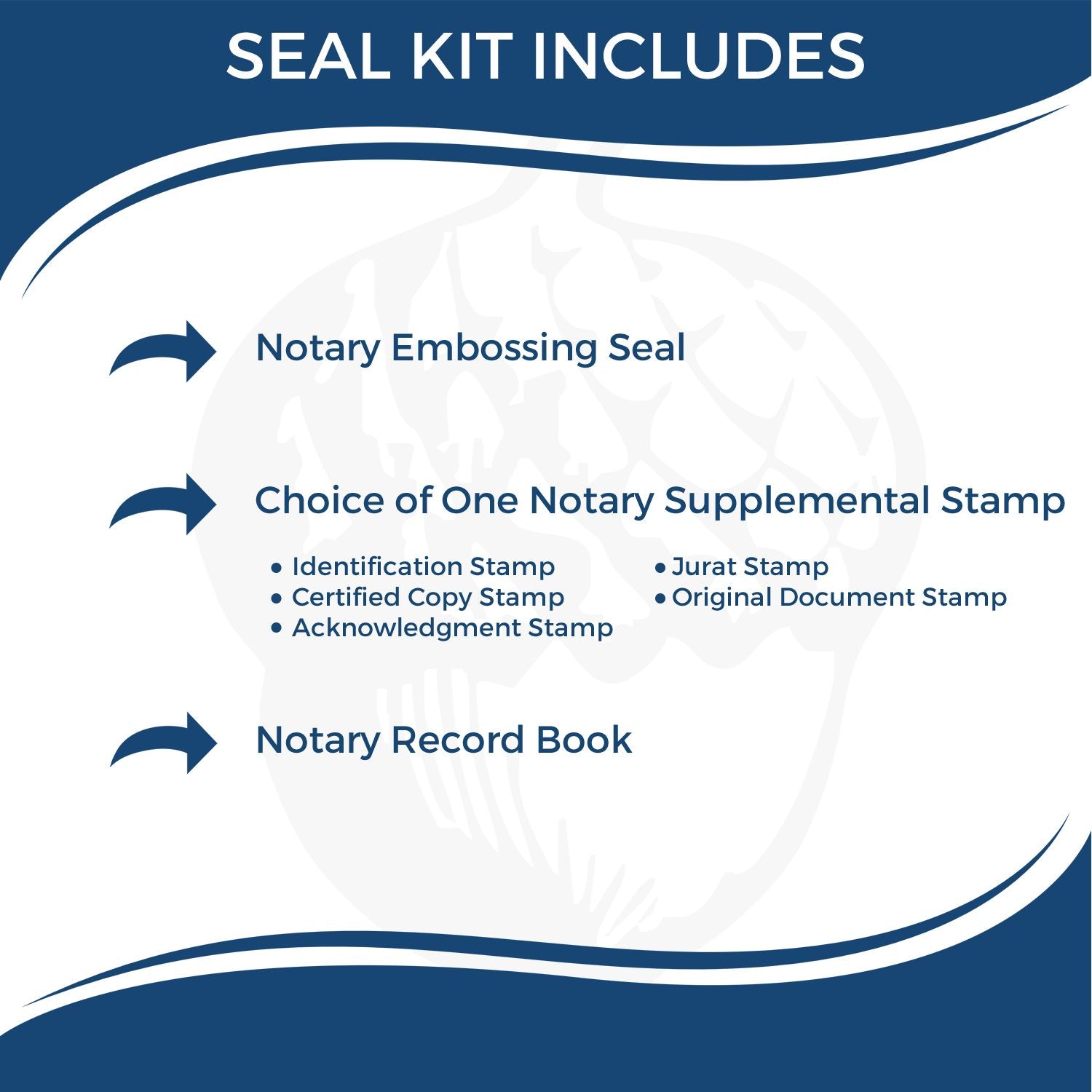
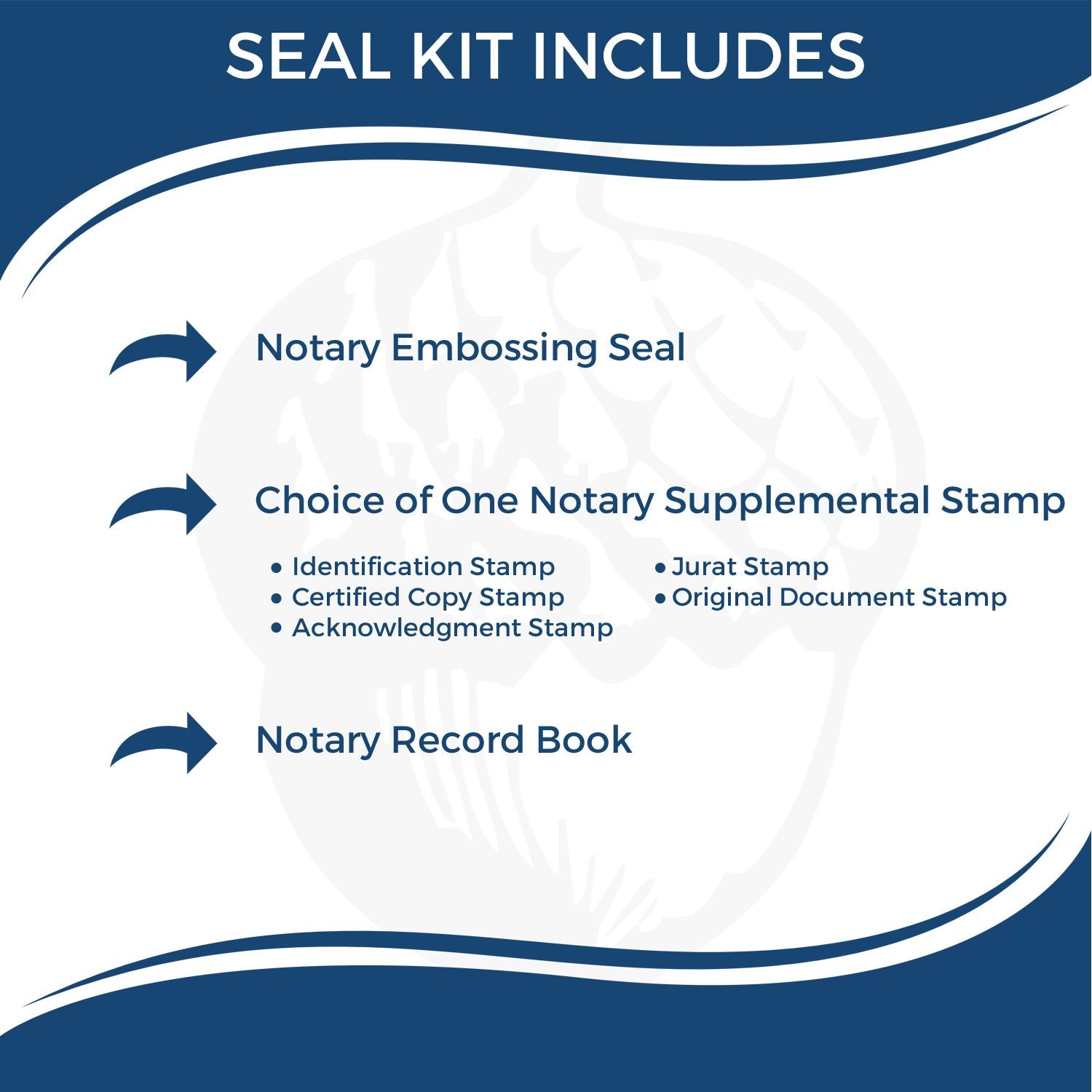
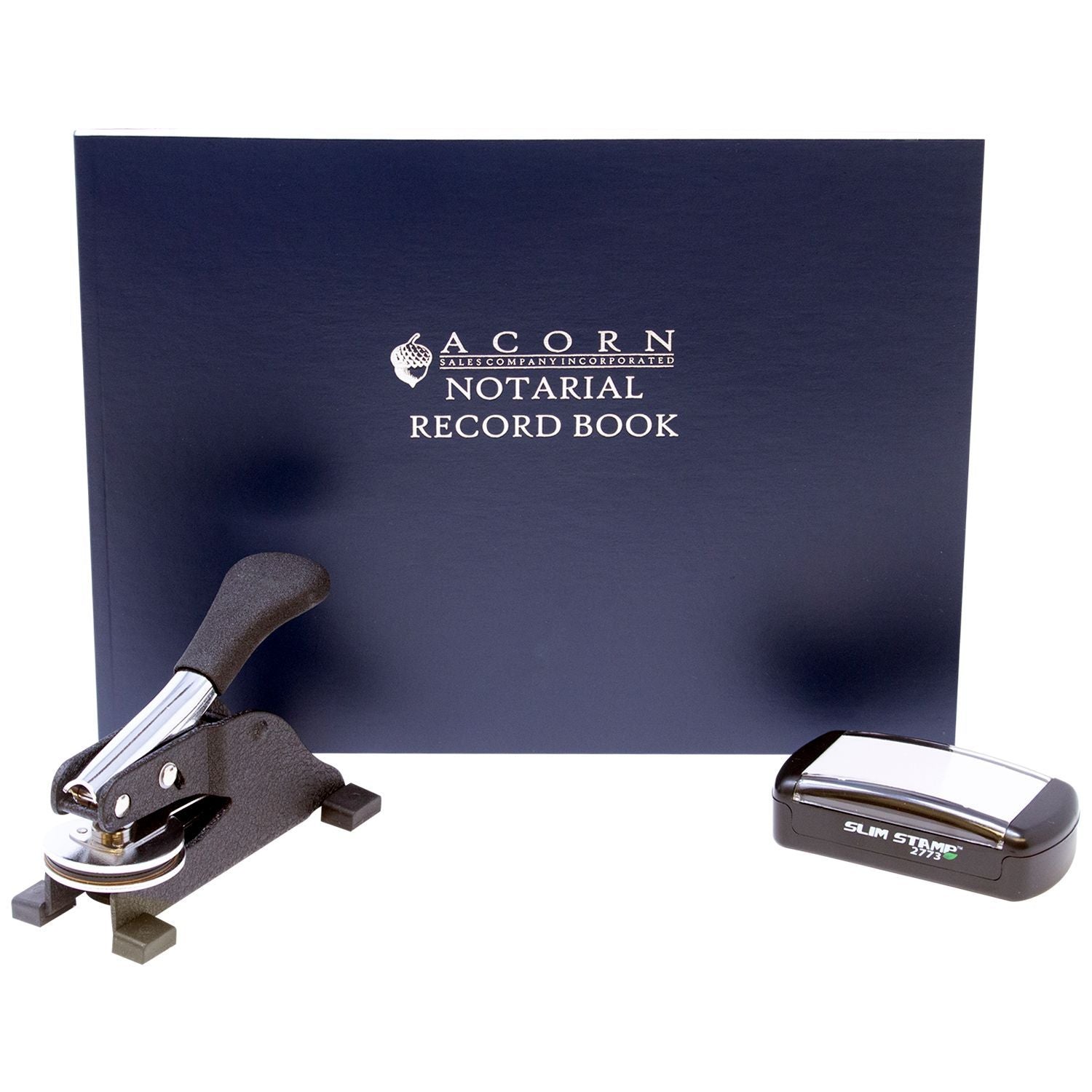
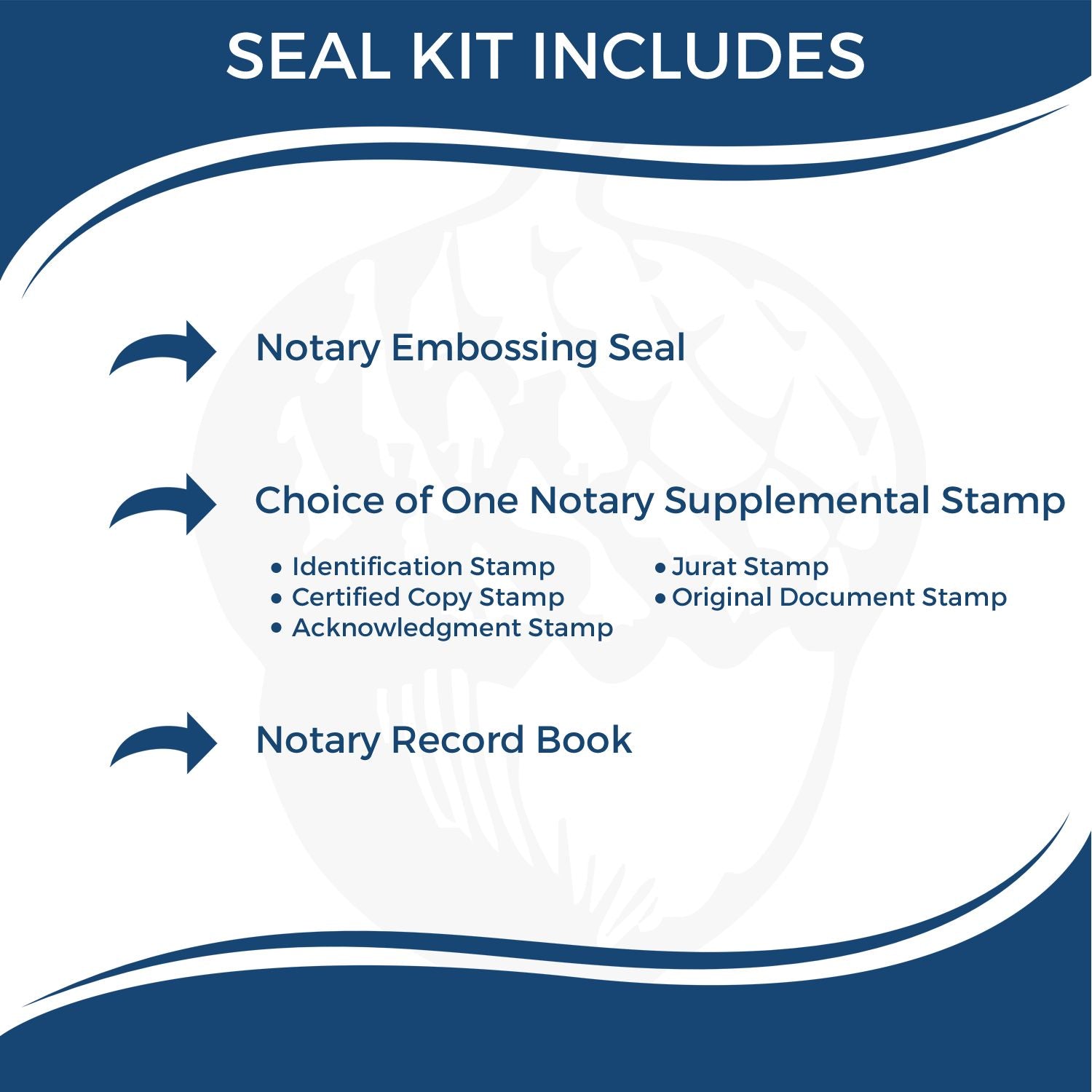
Choosing the right supplier can make all the difference, especially if you need your seal shipped quickly or guaranteed to meet your state’s standards. That’s where Acorn Sales steps in, a company that has been crafting notary stamps and notary public seals nationwide since 1964.

A track record of reliability
Acorn Sales has decades of experience creating notary public stamp and embosser engraved products. With that kind of history, you know they’ve seen it all, from state-specific guidelines to the most intricate custom designs. They stand behind their work with a state board guarantee, meaning your official seal should be accepted without any issues. If there is a problem, they’ll work with you to make it right.
Quick production and shipping
We’ve all been in situations where a new notary commission letter arrives and you need your stamp fast. Acorn Sales recognizes that urgency and typically produces your seal quickly, shipping it so you’re not left hanging. This is a big plus if you need to begin notarizing documents as soon as you’re sworn in.
Personalized service
The team at Acorn Sales is happy to answer questions about formatting your seal, clarifying which elements are required, or ensuring that your name and commission number are accurate. If you’re unsure about the text, they’ll guide you so you’re up to code, no guesswork needed.
Inspect security features
Because your seal carries legal weight, you want to ensure it isn’t easily copied or misused. While no tool is foolproof, certain design elements can help deter fraud. An embosser, for example, creates a raised impression that’s harder to replicate with a simple printer or scanner. Some stamps use tamper-proof inks or unique die cuts for extra peace of mind.
Best practices for safeguarding your seal
- Keep your stamp or embosser locked up when not in use, especially if you share a workspace.
- Record each notarization in your logbook to track usage.
- Check your devices for any signs of tampering before each session.
- Report any stolen or lost notary devices immediately to your local authority.
Follow your state’s usage rules
Maintaining your seal is about more than physical upkeep. Many states have strict guidelines on how, when, and why a notary seal can be used. Always be sure you’re following the correct procedures.
Notarizing ethically
- Verify your signers in person, checking valid identification.
- Ensure the signer understands the document and is signing willingly.
- Avoid conflicts of interest, such as notarizing your own signature, or close family signatures, if your state forbids it.
- Keep a neat and accurate record of every notarization.
When to update your seal
You’ll occasionally need to replace or update your seal, especially if your name changes or if your commission is renewed. Plan ahead so you can order your new seal in time, easily continuing your notary duties without a gap.
Compare your options
If you’re on the fence about whether to get a stamp, an embosser, or both, it might help to think about how you typically work. Let’s break it down in a simple list.
- High-volume signings: A stamp is quick and straightforward.
- Formal documents (like real estate deeds): An embosser offers a classic, official look.
- Varied tasks: Keeping both tools at hand covers all your bases.
Some states might require you to have a notary public stamp and embosser engraved with specific details, while other states simply let you choose. Either way, having the right tool for the job can improve your notarial presence.
Plan your purchase budget
Costs for stamps and embossers vary based on brand, materials, and customization. A hefty, high-end metal embosser can be pricier up front, but it might last longer than a budget option. Similarly, a premium self-inking stamp can endure thousands of impressions, which might be worth it if you notarize daily.
Questions to ask yourself
- How often will I use the seal?
- Is portability a top priority?
- Do I want a basic, no-frills design or a more stylized look?
- Am I able to reorder quickly if I need changes?
A little planning goes a long way For notary supplies. You’re investing in a tool that ensures legal documents get the official confirmation they need.
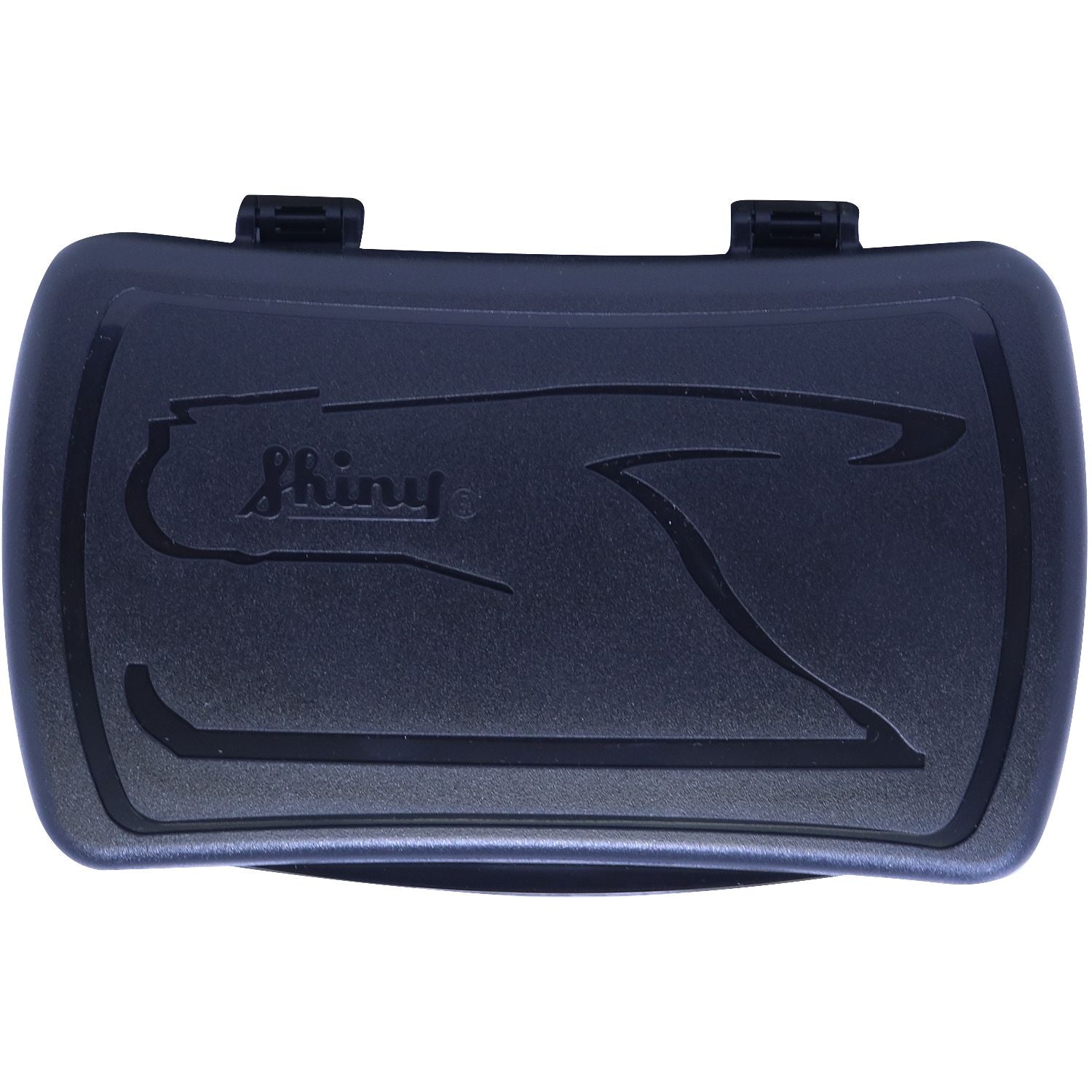
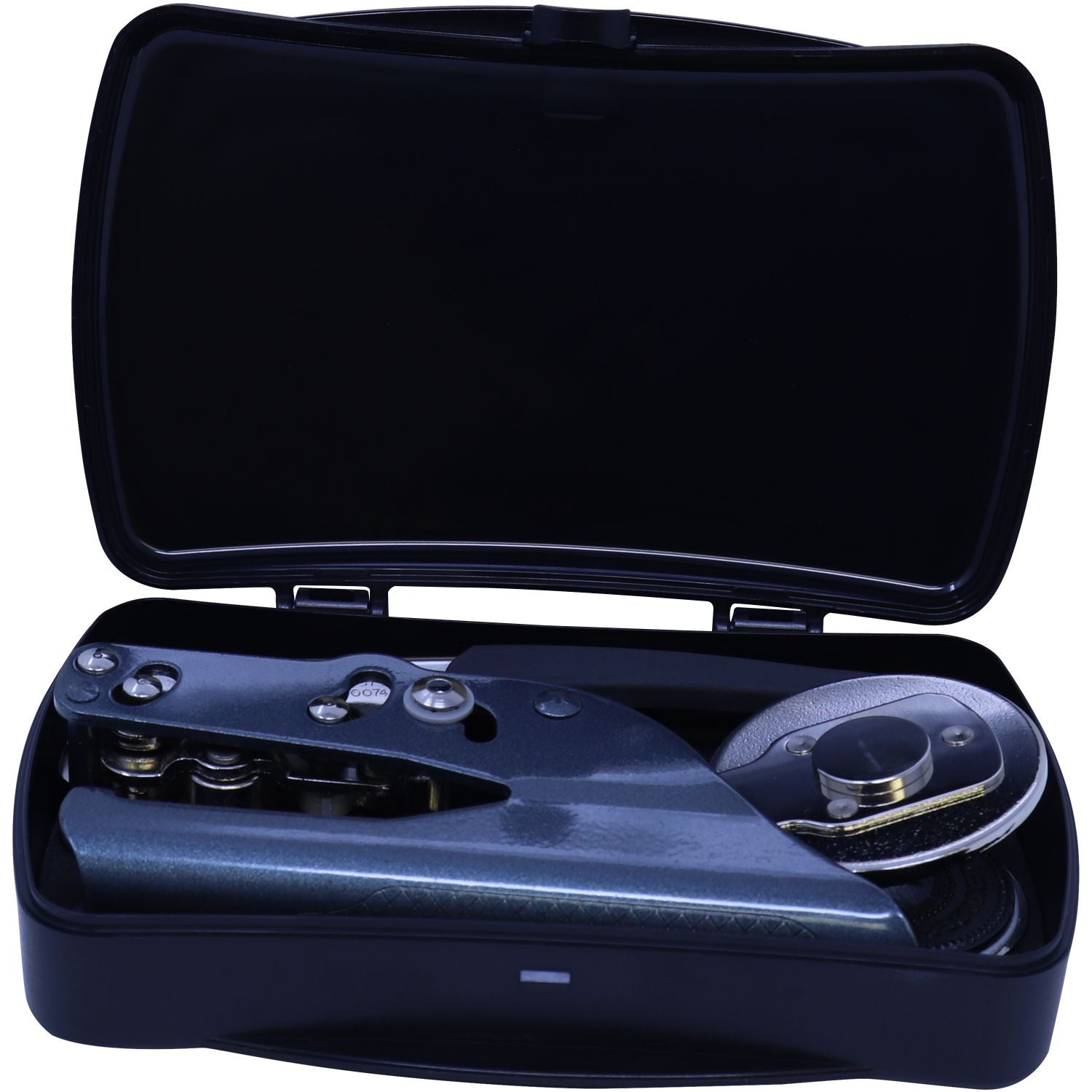
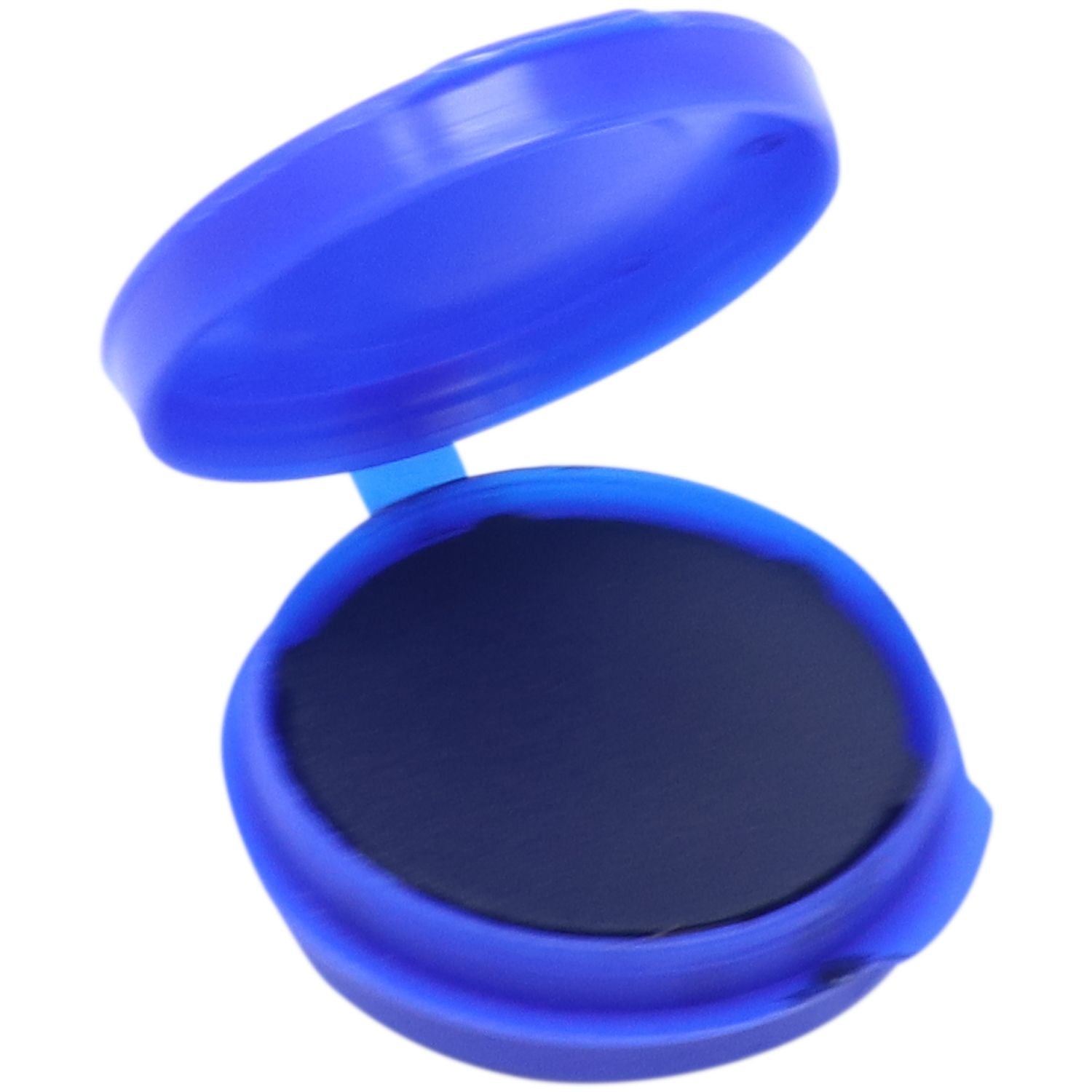
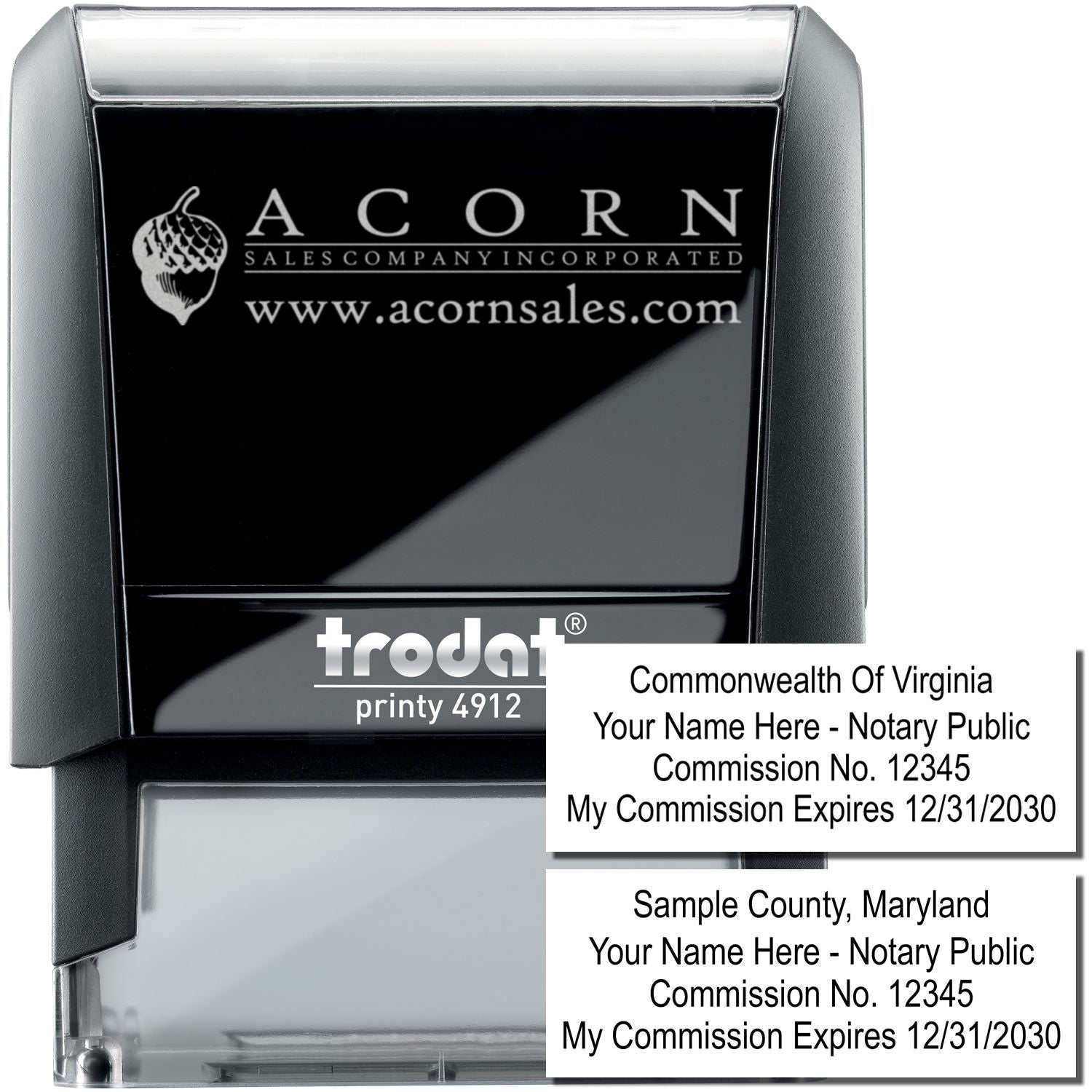


Understand the engraving process
When you place your order for a stamp or embosser, you’ll typically provide these details upfront:
- Your name exactly as on your commission.
- Your state.
- Commission number or expiration date (if required).
- Any additional text or disclaimers (if permitted by your state).
From there, the engraver will create a custom die or plate that reflects these details. For an embosser, that plate will be pressed into the paper. For a stamp, it’ll be used to produce an inked impression. In both cases, accuracy is everything. Make sure you carefully check your details before submitting them.
Manage everyday usage
Once your seal arrives, get into the habit of practicing a few times to ensure you’re comfortable with the pressure (for an embosser) or the alignment (for a stamp).
Best practices for alignment
- Place your document on a flat, sturdy surface.
- Position your seal near an edge for easier pressing.
- If you’re stamping, align the bottom edge of the stamp with the line where you want the impression.
- Double-check the orientation before pressing down. It can be easy to apply the seal upside down if you’re rushing.
Mistakes happen, but a little bit of practice upfront can prevent awkward or invalid notarizations later.
Tackle common seal challenges
When you’re applying your seal in the real world, you can run into a few hiccups. Here are some quick fixes:
Issue: Tough or uneven embossing.
Cause: Pressing on a soft surface or misaligned plates.
Fix: Use a firm table and check that the embosser’s plates are properly oriented.
Issue: Crooked imprint.
Cause: Not positioning the stamp or embosser flush with the document.
Fix: Make a light pencil mark on the page beforehand as a guide for alignment.
By quickly addressing these concerns, you’ll maintain professional-quality markings on every document you witness.
Address special scenarios
You might sometimes notarize pages in triplicate, need a second language included, or handle a type of document your state requires an inked seal for. Being prepared separates an efficient notary from a frustrated one.
Multiple-page notarizations
When you have a document spanning multiple pages, check your state’s guidance on where your seal should appear. Some states allow you to place the seal on the specific page being notarized, while others ask for it to be on the signature page.
Documents in another language
If you’re notarizing a document written in another language, you generally only confirm the identity of the signer, not content of the document. Make sure your seal is still legible. If you have a bilingual notary seal (allowed in some places), verify that it satisfies your local laws.
Keep your records safe
A notary’s recordbook or journal is just as important as the seal itself. Beyond the mechanical aspects of stamping or embossing, your journal is where you document the who, what, and when of each notarization.
- Note each signer’s name, the date, and the type of document.
- Keep track of the identification method used (driver’s license, passport, etc.).
- Jot down any unique circumstances or unusual requests.
If a legal dispute arises, these notes can be invaluable for confirming the authenticity of the notarization.
Avoid common pitfalls
Even an experienced notary can fall into simple mistakes that cause big headaches later. Have a quick mental checklist to keep your notary practice safe and efficient.
- Not double-checking names: Make sure each signature matches the ID exactly.
- Failing to verify signers in person: A remote request might be illegal unless your state explicitly allows online notarization.
- Overlooking commissions: If your commission is about to expire, get a new stamp or embosser ahead of time.
- Mixing up personal matters: Don’t use your notary seal for non-notarial tasks.
A few extra seconds of caution can save you from invalidating a document or running afoul of regulations.
Benefit from dual devices
If your state law allows it, having both a notary stamp and an embosser can broaden your resiliency. You can opt for the speed of a stamp or the security of an embossed seal whenever needed.
- Stamp for routine signings: Quick impressions for a clean, bold mark.
- Embosser for formal documents: Adds an official, raised seal that’s tough to forge.
Some professionals simply like the effect of an embossed seal on important client-facing documents. Others prefer the stamp for day-to-day paperwork. Consider your volume of signings and typical client needs when deciding if investing in both is worthwhile.
Showcase your professionalism
A well-crafted seal is a requirement and part of your professional presentation. When people see your stamp or embosser, they know you’re prepared and organized. Plus, many signers view a crisp seal impression as evidence of your attention to detail.
Adding extra touches
- Keep a pen dedicated for notarizations (so your signature is neat and consistent).
- Use a tidy, protective case for your tools to keep them in good shape.
- Present your notary ID or card when you arrive, reinforcing your authority.
Little steps can enhance your credibility and create a more fluid signing experience for everyone involved.
Appreciate Acorn Sales’ state board guarantee
Acorn Sales stands apart by offering a state board guarantee on all the official notary supplies produced. This is huge if you’ve ever worried about rejections or needing a redo because your seal isn’t technically correct. They verify that each notary public stamp and embosser engraved is compliant, making your life simpler.
- Guarantee covers state requirements: They ensure your seal meets code.
- Peace of mind: One less thing for you to stress over.
- Simple correction: If an issue does arise, they’ll help fix it in a flash.
It’s one of the many reasons that notaries across the country have continued to rely on Acorn Sales for decades.
Recap your next steps
Choosing the right notary public stamp and embosser engraved for your specific needs boils down to four main moves:
- Research your local rules. Confirm exactly what your state requires in terms of shape, text, and format.
- Decide on a tool type. You might prefer an inked stamp for speed, an embosser for tradition, or both for maximum versatility.
- Order from a trusted source. Pick a reputable provider like Acorn Sales, established since 1964, to get exactly what you need quickly and reliably.
- Keep up maintenance. Store your embosser properly to maintain crisp impressions.
Your notary seal leaves more than ink on paper or a pressed mark. It adds a layer of trust to every document you notarize. Make the selection process a priority, taking the time to ensure your seal meets your personal style as well as your legal responsibilities.
Finally, don’t be afraid to lean on the experts. If you have any lingering questions, the team at Acorn Sales is always ready to guide you through the process. They’ve made it their mission for over half a century to help notaries leave the best possible impression on every important document. After all, a little attention to detail goes a long way in building a notary practice that signers trust.
Try exploring your options today, and enjoy the peace of mind that comes with a high-quality, precise seal. When you’re ready to place an order, you’ll feel confident knowing you’ve covered all your bases. Plus, with a brand that’s backed by decades of experience and a state board guarantee, you can focus on what really matters, serving your clients with integrity and professionalism.
Frequently Asked Questions
What is the difference between a notary public stamp and an embosser?
A notary public stamp creates a visible ink impression, making it ideal for quick, clear notarizations. An embosser presses a raised seal into the paper, offering a more traditional, tamper-resistant look. Many notaries use both so they can choose the best option for the document and their state requirements.
What information should be included on a notary public stamp and embosser engraved design?
Most notary seals must include your name exactly as it appears on your commission, the words “Notary Public,” your state name, and in some cases your commission number or expiration date. Some states also require a border shape or specific layout. Always verify your local laws before ordering.
How do I know whether my state requires a stamp, an embosser, or both?
Notary seal requirements vary by state. Some states require only an ink stamp, some allow only an embosser in certain situations, and others permit either. The safest approach is to check your state notary handbook or commissioning authority before purchasing a notary public stamp and embosser engraved with your details.
Which is better for professional use: a self-inking stamp or a metal embosser?
If you notarize documents frequently, a self-inking or pre-inked stamp is usually best for speed and readability. A metal embosser is better when you want a formal, raised impression that adds security and a polished appearance. Many professionals choose both to stay flexible for different document types.
How do I maintain my notary stamp and embosser so they last longer?
Store your stamp upright or in a protective case, and test impressions periodically to make sure they stay crisp. For embossers, keep the plates clean, use even pressure, and check alignment regularly. Proper care helps prevent faint, crooked, or incomplete seals.
Why should I order a state-compliant notary public stamp and embosser from a trusted supplier?
Ordering from a reputable supplier helps ensure your seal matches state requirements and is produced accurately the first time. A trusted provider can also help with formatting, customization, and quick turnaround. If your supplier offers a state board guarantee, you get added peace of mind that your notary public stamp and embosser engraved product will be accepted.








