
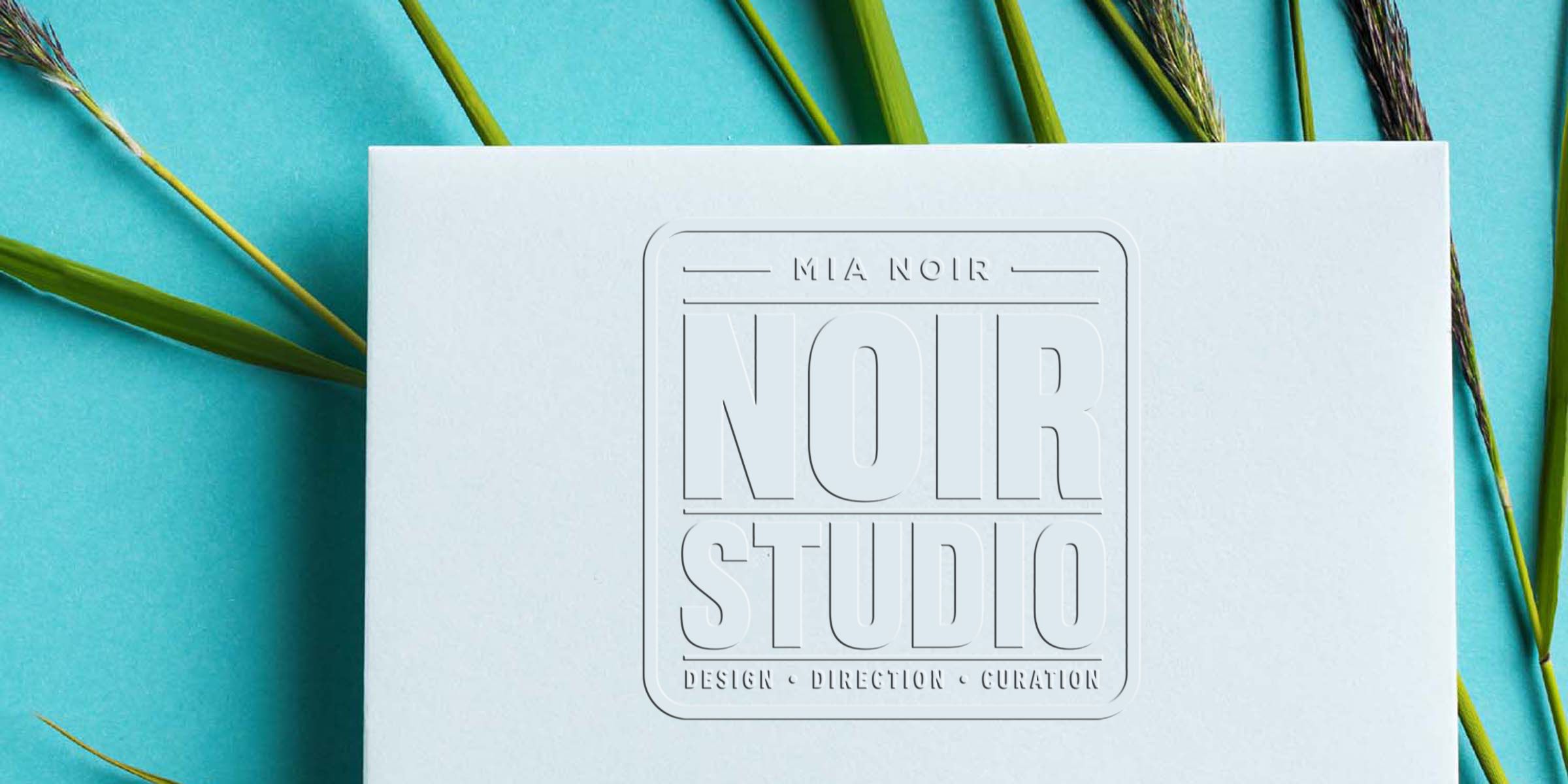
If you’re searching for an embossing seal maker who can bring your custom artwork or company logo to life, you’ve come to the right place. An embossed seal can transform ordinary paper into an official or personal statement—it’s the perfect way to add distinction to certificates, stationery, wedding invitations, or official documents. But how do you pick the right maker? In this guide, you’ll learn about materials, design features, production timelines, and more, so you can make an informed choice that meets your exact needs.
Understand Embossing Seals
Before you settle on a maker, it’s helpful to know how embossing seals actually work. An embossing seal, sometimes called an embosser, uses a die (a metal plate with your design) and a counter-die (the matching reverse plate) to create a raised impression on paper. It’s a simple mechanism, yet the results can be incredibly elegant.
You might have seen these seals on official documents like notary papers or corporate letters, but they’re also cherished by individuals who want a special personal touch. If you’re curious about adding a custom visual to your seal, consider exploring custom embossing stamps. These stamps let you personalize everything from monograms to logos, giving you that memorable raised finish.
Why People Choose Them
- Provide authenticity for business documents
- Elevate personal stationery or invitations
- Create a professional finish that’s hard to replicate
- Make items easier to identify or brand
Essentially, an embossing seal can transform a plain sheet of paper into something that feels official, personal, or even luxurious.
Identify Your Purpose And Style
You’ll want to figure out why you need an embossing seal before deciding on a maker. Do you plan to emboss personal items like scrapbooks, wedding invites, or personal letters? Or are you aiming for corporate branding on contracts and letterheads?
- Corporate Use: A crisp logo or organizational seal says you mean business. It conveys trustworthiness and attention to detail, whether you’re embossing certificates, contracts, or mailers for clients.
- Personal Use: Personal seals can be monograms, family crests, or any expressive design you love. It’s like stamping your personality onto your letters or event invitations.
Balancing Style And Readability
The style you pick depends on your aesthetic, but clarity matters. Highly detailed designs translate well with deeper embossing dies, but if your logo has tiny text, it might not visibly pop. Keep it bold and simple enough to read, but artistic enough to stand out. If you’re planning a more intricate logo or family crest, confirm that your chosen embossing seal maker can accommodate detailed artwork without losing sharpness.
Check Quality Materials
Not all embossers are created equal. The design is one thing, but the materials used for the die and the mechanism also make a difference in your embosser’s performance and lifespan.
- Metal Dies: These are often made from brass, steel, or a durable alloy. Metal dies typically deliver a crisp, long-lasting impression.
- Plastic Dies: Some makers offer plastic components, which can be less expensive but may not hold up if you’re doing large production runs.
- Build Quality: Check the stiff frame or handle. A flimsy structure can wobble, leading to uneven impressions on your paper.
Durability And Frequency
If you only emboss a few pages a month, a light-duty construction may be enough. But if you’re embossing stacks of brochures or multiple legal documents daily, you’ll need a heavy-duty model. A robust, metal-based embosser can last for years, maintaining consistent pressure and crisp designs.
Consider The Embossing Mechanism
You’ll come across a few different operational styles when shopping for an embosser. Each style suits a different need, so consider how often and where you’ll be using it.
- Handheld Embossers: These small, compact units are great for on-the-go use or occasional embossing in a home office. They’re easy to store in a drawer.
- Desk Embossers: These sit on a flat surface and often have a more substantial handle that reduces hand strain if you’re doing lots of embossing.
- Electric Embossers: Typically for high-volume tasks, they automate the pressure application. These might be overkill for personal use, but perfect for busy offices.
Adjusting For Paper Types
Some embossers let you adjust the pressure based on paper thickness. If you’re planning to emboss thick cardstock, be sure to ask if your embossing seal maker can handle it. Overly stiff paper could lead to faint or incomplete impressions if your embosser wasn’t designed for it.
Look For Trusted Experience
A trusted provider will have a track record of delivering quality seals and reliable service. For instance, Acorn Sales has been a stamp and seal maker for more than 60 years, dating back to 1964. That heritage means they’ve seen every design tweak imaginable and can guide you through the process of selecting the right embosser.
Why Experience Matters
- Skilled teams can refine your design, ensuring crisp imprints.
- Long-standing companies generally have consistent quality control.
- Better guidance on which embosser type best fits your intended use.
- Secure ordering channels and professional customer support.
It’s always a good idea to read reviews, check testimonials, or even request samples if available. Remember, an experienced company typically offers reliable turnaround times and clear communication, both of which simplify your decision process.
Assess Turnaround And Support
You might find a great embossing seal maker who checks off all the design and quality boxes, but how quickly can they deliver? And what happens if something goes wrong?
Timely Production
In many cases, you don’t want to wait weeks for your embosser, especially for a business that requires an immediate solution. Ask prospective makers about their standard lead times—some can expedite orders if you’re in a rush.
Stellar Customer Service
Quick response times and a helpful customer support team can make all the difference. Errors in text or design sometimes happen. When they do, you’ll want a company that stands by their product and makes it easy to fix. Acorn Sales, for example, prides itself on its stellar customer service. That means you’ll have someone on the other end if you need changes in design or face shipping hiccups.
Double-Check Artwork Requirements
If you plan to use your own artwork or logo, confirm the format needed. High-resolution images, vector files, or clear black-and-white designs often yield sharper results. Some logos may need small adjustments—like thicker lines or enlarged text—to ensure they emboss clearly.
- Provide vector artwork (EPS or AI files) for the best outcome.
- If you only have a raster image (JPG or PNG), ask if the maker provides file conversion or design cleanup.
- Double-check how the final die will interpret design elements like shading. Most embossers produce single-layer raised patterns, so shading may not translate exactly.
Preview Costs And Budget
Cost is another major factor. Some embossers come with a simple flat rate that includes a personalized die, while others charge separately for the die, handle, and shipping. Keep an eye out for hidden fees like expedited service charges or design overhauls.
Possible Extras
- Additional dies or plates if you want multiple designs.
- Specialty handles with sleek or ergonomic features.
- Custom packaging if you’re planning to gift or resell.
Balancing budget with quality is key. In most cases, it’s worth investing a bit more for a durable unit that will emboss cleanly for years, rather than cutting corners and ending up with a subpar impression.
Keep Maintenance In Mind
Embossing seals are relatively low-maintenance tools, but a little care goes a long way. Keep the embosser clean by wiping off any paper dust or debris, and store it in a cool, dry place to avoid rust or damage. If you notice the die wearing down, contact your maker to see if it needs replacing or if a minor adjustment can restore its crispness.
Wrap It All Up
Choosing the best maker for your custom seal embosser is a balancing act of design, materials, turnaround, and support. You want someone who can handle your unique logo or artwork, offer guidance on paper thickness, and provide a reliable product that lasts.
Acorn Sales, with its 60+ years of experience in stamp and seal production, is a strong contender in the market. They’ve honed their craft since 1964, offering quick turnaround times, clear communication, and stellar customer service. Whether you’re embossing a batch of corporate certificates or customizing your wedding invitations, the right embossing seal maker should simplify your journey, not complicate it.
Once your design is finalized, you’ll be set to transform plain sheets into official, stylish, or personal keepsakes. The raised impression adds that extra flair, so anyone who receives it will know you care about even the tiniest details.
Feel free to explore custom embossing stamps if you want to expand beyond a single design. Whichever route you choose, you’ll soon be creating striking raised impressions that lend a professional or personal flair to all your documents. Happy embossing!
Frequently Asked Questions
How Long Does It Take To Produce A Custom Seal Embosser?
Turnaround times vary. Some makers offer same-day or next-day service if you have a ready-to-go design, while others might need a week or more. It’s worth asking about rush processing if you’re on a tight deadline.
Can I Use My Own Artwork Or Logo?
Absolutely. Most reputable embossing seal makers welcome personal artwork or logos. Just make sure your files are high-resolution or vector-based so details aren’t lost. If you’re unsure about file formats, ask if design assistance is available.
Is A Handheld Or Desk Model Better?
That depends on your usage. Handheld embossers are compact and ideal for lighter tasks or mobile use, while desk models offer more leverage if you’re embossing frequently. If you plan to do large volumes of embossing, a sturdy desk embosser generally makes the process easier.
Which Paper Thickness Works Best With Embossers?
Most embossers work well on standard writing paper and letterheads. If you’re dealing with heavy cardstock or textured surfaces, check with your maker about adjustable pressure settings or whether a heavier-duty unit is needed.
Why Does My Imprint Sometimes Look Uneven?
Uneven impressions often occur if your paper shifts or if your embosser is nearing the end of its lifespan. Make sure to press firmly and keep the paper fully seated. If the issue persists, it might be time to check for worn-out dies or consider a more robust model.
How Do I Maintain And Store My Embosser Properly?
Store your embosser in a dry area, away from dust or moisture that could affect the metal parts. A quick wipe with a clean cloth after each use helps remove any paper residue. If you plan not to use it for a while, you can cover it with a small pouch or box to keep out dust.








