
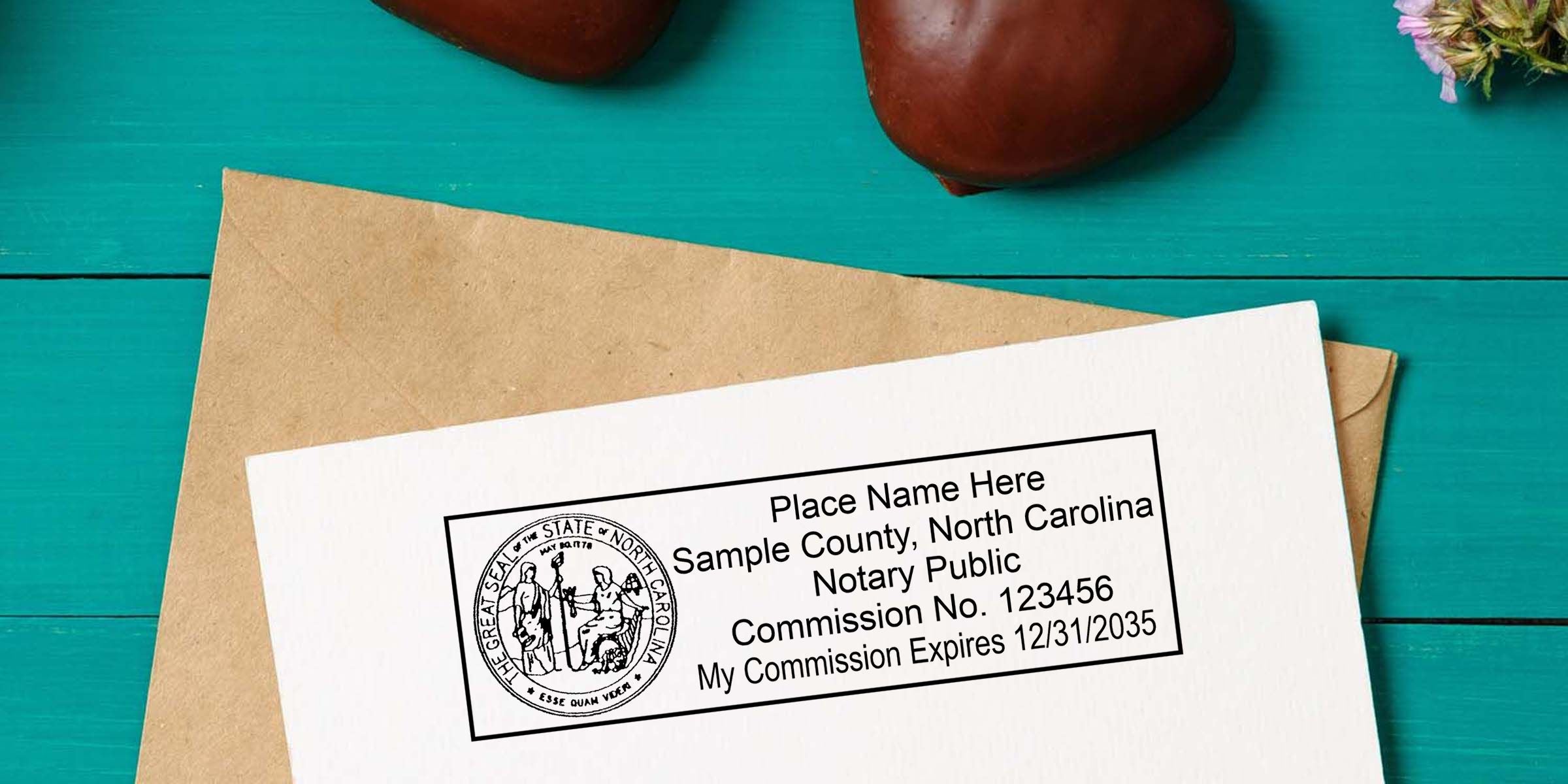
If you are exploring options for notary public seals, you are in the right place. Whether you are just starting out as a notary or looking to upgrade your existing tools, choosing the perfect seal is a huge step. A properly chosen seal allows you to authenticate and finalize documents, but it also reflects your professional style and meets all the rules from your state board. In other words, it is more than just an instrument that makes an impression on a page, it is a significant part of your notarial duties.
Here at Acorn Sales, we have been helping notaries across the nation find the right stamps and seals since 1964. We know you want a tool that is both durable and easy to use. We also understand you need an official solution that meets the highest legal requirements. That is why we offer a state board guarantee on all the notary seals and stamps we produce, meaning our products will be accepted for official notarial acts. Plus, we ship orders quickly, so you can get up and running in no time.
In this guide, you will learn what to look for when picking out your seal, what different options are available, and how to ensure that your new seal fits your personal notary workflow. We will also share a few tips on how to keep everything in compliance with your local regulations. By the time you are done reading, you will have the confidence to make an informed choice that suits your needs, style, and budget. Let’s jump right in!
Understand notary public seals
It helps to start with a clear explanation of what a seal does. A notary seal is the official impression you apply on affidavits, acknowledgments, and other legal documents. This impression usually includes your name, your title, and sometimes additional information like commission number or expiration date. The primary purpose is to prove that you are a duly commissioned notary public authorized to validate and witness signatures. Without a proper seal, your notarial act may not be considered legitimate.
You might be wondering, do corporate seals or other professional stamps serve the same purpose as notary public seals? They can look similar, but they are used for different objectives. For notarial acts, you need a specific seal that meets state guidelines. Many jurisdictions require certain shapes, borders, or statements on these seals to ensure uniformity. If you make an error in choosing the format, your official acts can be challenged.
Another important factor is that seals can come in a hard-to-alter format, such as an embosser, or as an inking stamp. Either way, a seal helps prevent forgery. Think of it as your notary signature’s sidekick. If you want to keep your credentials secure and your documents valid, a correctly designed seal is key. It is the hallmark of your professional authority. After all, your clients look to you for trusted validation on documents that could impact their lives, finances, or property.
Learn key seal types
When it comes to notary supplies, you will see several seal types, each offering unique benefits. Understanding the big picture helps you compare which might work best for you.
- Traditional rubber stamp: This is the ink-based stamp you press firmly into documents. It is often simpler to use and leaves a clean image if used on flat surfaces. Some models allow you to re-ink them, extending life and saving costs over time.
- Self-inking stamp: Self-inking stamps contain an internal ink pad. You press down on the device, and it automatically re-inks for the next impression. This design ensures faster stamping and less mess, making it a favorite among busy notaries.
- Pre-inked stamp: These stamps hold ink within the device, releasing a carefully metered amount of ink each time you press it down. They tend to produce sharper images and can be more durable after repeated use, though they might be a bit pricier upfront.
- Embosser: An embosser creates a raised impression in the paper itself, often giving documents a more official or classy look. Some states allow you to use an embosser on its own, while others require an inked seal or a combination of embossing and inking.
Each of these seals can technically serve as valid notary public seals if they meet your state’s guidelines. However, each type has pros and cons. For instance, a stamp is simple and quick, which is perfect if you handle large volumes of notarizations in a day. Embossers not only look distinguished but also perk up the security aspect, since raised impressions are harder to replicate precisely.
If you like the appearance of a crisp, raised seal, you might consider notary embossing seals that meet official standards. If you prefer the convenience of a quick inking device, a self-inking model is a crowd-pleaser. There is no universal best seal, only the best one for your style of work and state rules.
Check your legal requirements
Not every state has the same rules for notary seals, so it pays to understand exactly what your state demands. Some states outline color requirements for the ink, while others detail the size and shape of the stamp. For example, a rectangular seal may be required in one place, whereas a circular design might be acceptable or even mandatory elsewhere.
How can you be absolutely sure you are compliant? Your state’s notary handbook or secretary of state website usually offers guidelines on notary public seal design. It is wise to confirm whether your state wants your commission number included, or if you must have an expiration date. In addition, be aware of any directions about how bold or legible the text needs to be. If you are unsure, you can always check the references in your state’s official notary guide, or contact your local notary regulating authority for a clarification.
You might also discover that in addition to your seal, you need a specific notary public stamp and seal that meets certain design elements. Some states insist on including a border that indicates the words “Notary Public”. Others might want a small star or a specific style of text. At Acorn Sales, we keep track of these evolving requirements. Since we have been around since 1964, we have encountered countless variations of state laws. That means you can rest assured we will help verify that your design meets every rule your board sets forth.
Remember that if your seal does not match up perfectly with your jurisdiction’s regulations, your notarizations may be invalid. Considering the significance of legal documents, it is best to double-check the rules rather than improvise. That bit of extra caution can save you headaches if you ever face an audit or a complex legal question down the road.
Explore design considerations
Once you know your seal is legally compliant, you get to have some fun with the design details. When people hear “notary,” they often picture the same plain black text in a static layout. But depending on your state, you may have opportunities to make your seal look a bit more custom. Think about how you will use your seal day in and day out. If you handle estate documents, for instance, you may want something more traditional and formal. If you are a mobile notary dealing with lots of everyday real estate closings, a sleeker, simpler format might suit you better.
Personalization options could include unique borders, slight variations in font, or additional text fields like your company name. Custom notary seals can still meet official requirements if they follow the mandated shape and text. It is a way to distinguish yourself from the next notary in line, especially if you also market your services online.
You might ask: does adding a flourish or a particular font weaken the professionalism of the seal? Not necessarily. Provided you keep your state’s rules in mind, a carefully chosen design can look elegant yet fully compliant. It also helps your seal stand out, which can be beneficial if you present multiple pages for notarization and need to confirm at a glance it is your personal imprint.
Feel free to get creative with the color of your self-inking or pre-inked stamp if that is allowed. Some states are strict about only black or blue ink, while others offer more freedom. The real priority is clarity and legibility. You do not want your seal impression to be faint or smudged, so do a quick practice run when you receive it, checking that your text is crisp and easy to read.
Contrast stamp vs embosser
Here is where many people find themselves torn: should you go with a stamp or an embosser? Both can be valid forms of notary public seals, but each brings unique advantages. Before you decide, it helps to see a side-by-side comparison:
| Feature | Stamp | Embosser |
|---|---|---|
| Appearance | Inked impression, visible in color (usually black/blue) | Raised impression, more formal or traditional look |
| Ease of Use | Quick, straightforward (just press and go) | Requires paper insertion and steady pressure |
| Legibility | Usually very clear on flat documents, less effective on textured paper | Elegant raised effect, can be difficult to photocopy or fax |
| State Requirements | Many states allow or require stamps explicitly | Some states require an inking seal, but some accept embossers in addition or exclusively |
| Portability | Compact designs, easy to carry around | Bulkier in some cases, though handheld embossers exist |
| Image Quality | Depends on ink pad condition over time | Long-lasting impression, not reliant on ink |
You will notice that if you handle a lot of digital scans or copies of documents, an ink stamp might be more suitable. The stamped image shows up in a photocopy, ensuring that your notarial act is clearly observed. An embossed seal, on the other hand, might not always scan well, which could cause confusion during digital transactions.
An embosser, however, definitely brings an extra sense of tradition and security. The raised impression is harder to duplicate, which can deter fraud. If your state permits an embosser only, or if it allows both but you prefer the professional aesthetic, you can opt for a notary seal embosser. Some notaries even keep both a stamp and an embosser in their toolkit, using each in different scenarios. Decide based on your daily workflow, your clients’ needs, and the specific legal framework in your jurisdiction.
Assess portability factors
Do you visit clients at their homes, offices, or even coffee shops? If so, you likely do not want to lug around something heavy or cumbersome. A portable seal can be the difference between a smooth client interaction and a mini struggle at the table. If you are constantly on the move, you might consider a compact self-inking stamp or a pocket-sized embosser. There are even streamlined kits that tuck neatly into a notary bag.
A portable seal should be fairly discreet and lightweight. Imagine juggling a laptop, a bag of files, and your phone. The last thing you need is a bulky contraption slowing you down. That said, make sure you do not sacrifice quality for portability. A flimsy device might break or produce uneven impressions that could fail to meet your state’s regulations.
You could also keep a backup option on hand. Think about a notary stamp kit that includes both a smaller embosser and a self-inking stamp. That way, no matter what location or document style you encounter, you will be able to leave a crisp and legally valid impression without rummaging through multiple pouches. If your line of work demands frequent travel, portability stands out as a top consideration.
Focus on durability
While you want a lightweight and easy-to-use seal, durability remains important if you plan to notarize hundreds of documents. A cheaply made stamp might fade over time, smudge, or break more easily. That is why, at Acorn Sales, we emphasize materials and construction that hold up, even under heavy use.
One way to gauge durability is to look at frame materials for embossers and handle construction for stamps. Metal frames typically outlast plastic alternatives. Also, check the manufacturer’s track record. We have been manufacturing notary products since 1964, so we know the difference sturdy construction can make when you are stamping day in and day out.
Then there is ink durability to consider. Some inks are formulated for quick drying and longer lifespan. Others might be more prone to fading if exposed to sunlight or moisture. You will also want to see whether your stamp can be re-inked easily. If you do not want to worry about running out of ink at a critical moment, a self-inking or pre-inked model with refill options might be ideal. Regularly test your stamp for clarity, and change the ink pad when your impression starts to look faint. Nothing is worse than discovering mid-appointment that your official seal is barely legible.
Plan your supply budget
Costs vary widely, so it is a good idea to figure out your budget before diving headfirst into your purchase. Stamps typically start at a lower price point than embossers, but the final cost depends on the brand, features, and any extras you add. You could find a basic, no-frills stamp for a modest sum, while a custom pre-inked stamp may cost a bit more but offer longer life in return.
When you factor in the cost, consider how often you will use the seal. If you only notarize a few documents a month, you might not need a high-end device. On the flip side, if you handle dozens of signings every week, investing in a sturdy seal will pay off in the long run. Also, keep an eye on replacement costs for ink pads or plates. Some stamps might be cheaper on day one, but more expensive to maintain over time.
If you like to stay well-stocked, you might grab additional notary public supplies along with your seal. This can include extra ink, storage pouches, or even protective cases. Bulk ordering might let you take advantage of special offers. Meanwhile, if you want everything in a single bundle, there are packages that include both a seal and a complementary stamp. If your state allows or requires a notary journal, factor in that cost too. The main point is to be realistic and plan for both immediate and future costs. That way, you do not face any last-minute surprises.
Once you have your budget set and a sense of how many documents you will stamp, it becomes easier to narrow down your choices. At Acorn Sales, we offer a wide range of options suitable for different price points. Plus, with our quick shipping, you can finalize your purchase and start stamping in just a few days.
Order with confidence
When you are finally ready to place an order for your seal, remember to check all the details. Confirm the exact name you want on your seal, your commission number (if needed), and any extra text or design flourishes. Take a close look at your state’s guidelines. For instance, if your state insists that your name appear exactly as it is on your commission certificate, you do not want to introduce a middle initial if it is not officially documented.
It can be helpful to keep a copy of your state board’s notary stamp requirements on hand so that you can quickly confirm each detail. If you have questions or face a snag while checking requirements, do not hesitate to ask the seal provider for assistance. We have spent decades ensuring that our customers get exactly the notary products they require. Our state board guarantee means we will stand behind every seal we produce.
Additionally, think about the ordering timeline. If you need your seal to begin notarizing right away, check the expected processing times. At Acorn Sales, we understand that quick shipping can be essential when you are starting up or renewing your notary commission. Because of that, we strive to turn around your order as fast as possible while still delivering top-notch quality.
And what if you are not sure which design or product to pick? Many notaries start with a phone call or chat session with a product specialist. Sometimes talking through your typical notary scenarios can help clarify which seal type will work best for you. You will soon be making impressions confidently, knowing your seal follows all the right rules of your state.
Wrap up your decision
When it is all said and done, picking from the wide variety of notary public seals does not have to be an intimidating process. You just need to look over a few key areas: legal compliance, design preferences, stamp or embosser style, and practical considerations like portability and durability. Combine that with your personal budget, and you have a simple framework for making a great decision.
As you finalize your choice, keep in mind that your seal is an essential extension of your professional identity. Handing over notarized documents that look crisp, legible, and official serves as a testament to your credibility. A high-quality seal not only ensures compliance but also leaves a strong impression, literally and figuratively, on your clients and colleagues.
Here at Acorn Sales, we are proud to have supported commissions nationwide for over half a century, offering both reliability and a personal touch. Our goal is to help you move forward with ease, trusting that every time you apply your seal, you have the best possible tool in hand. If you have any lingering questions, do not hesitate to reach out. You can also explore our range of notary stamps, embossers, and custom notary seals to find an option that fits your brand. Whichever route you go, give yourself a pat on the back for doing the research and choosing a seal that will serve you and your clients well for many notarizations to come.
Happy stamping, and here is to smooth, confident notarial acts every time!
Frequently Asked Questions
What should I look for when choosing a notary public seal?
Choose a notary public seal that meets your state’s legal requirements, matches your workflow, and is easy to use daily. The best seal should be compliant, legible, durable, and suited to how often you notarize documents. Also confirm whether your state requires a stamp, embosser, or both before ordering.
What is the difference between a notary stamp and a notary embosser?
A notary stamp creates an inked impression that is easy to read on most documents and copies well. A notary embosser creates a raised impression in the paper for a more traditional, secure look. Some states allow both, while others require one specific format, so check your state rules before buying.
Are custom notary seals allowed?
Yes, custom notary seals are often allowed as long as they still follow your state’s required format. You may be able to customize details like font, layout, border style, or seal type. Always make sure the final design includes all required information such as your name, title, commission number, or expiration date if your state requires them.
How do I know if my notary seal is compliant with state law?
Check your state’s notary handbook, secretary of state website, or official notary guidelines. Look for rules about seal shape, ink color, font size, required wording, commission number, and expiration date. If anything is unclear, contact your state’s notary regulating authority or ask your seal provider to verify the requirements.
Which notary public seal is best for mobile notaries?
Mobile notaries often prefer a compact self-inking stamp or a small portable embosser because they are easy to carry and quick to use on the go. A lightweight option helps when you are notarizing at homes, offices, or public locations. For extra flexibility, some notaries keep both a stamp and embosser in a travel kit.
How long does a notary seal last and what affects durability?
A high-quality notary seal can last for years if it is made with durable materials and maintained properly. Durability depends on the construction, how often it is used, and whether it can be re-inked or serviced. To extend its life, keep it clean, replace ink pads when impressions start to fade, and choose a sturdy product designed for frequent notarizations.








