
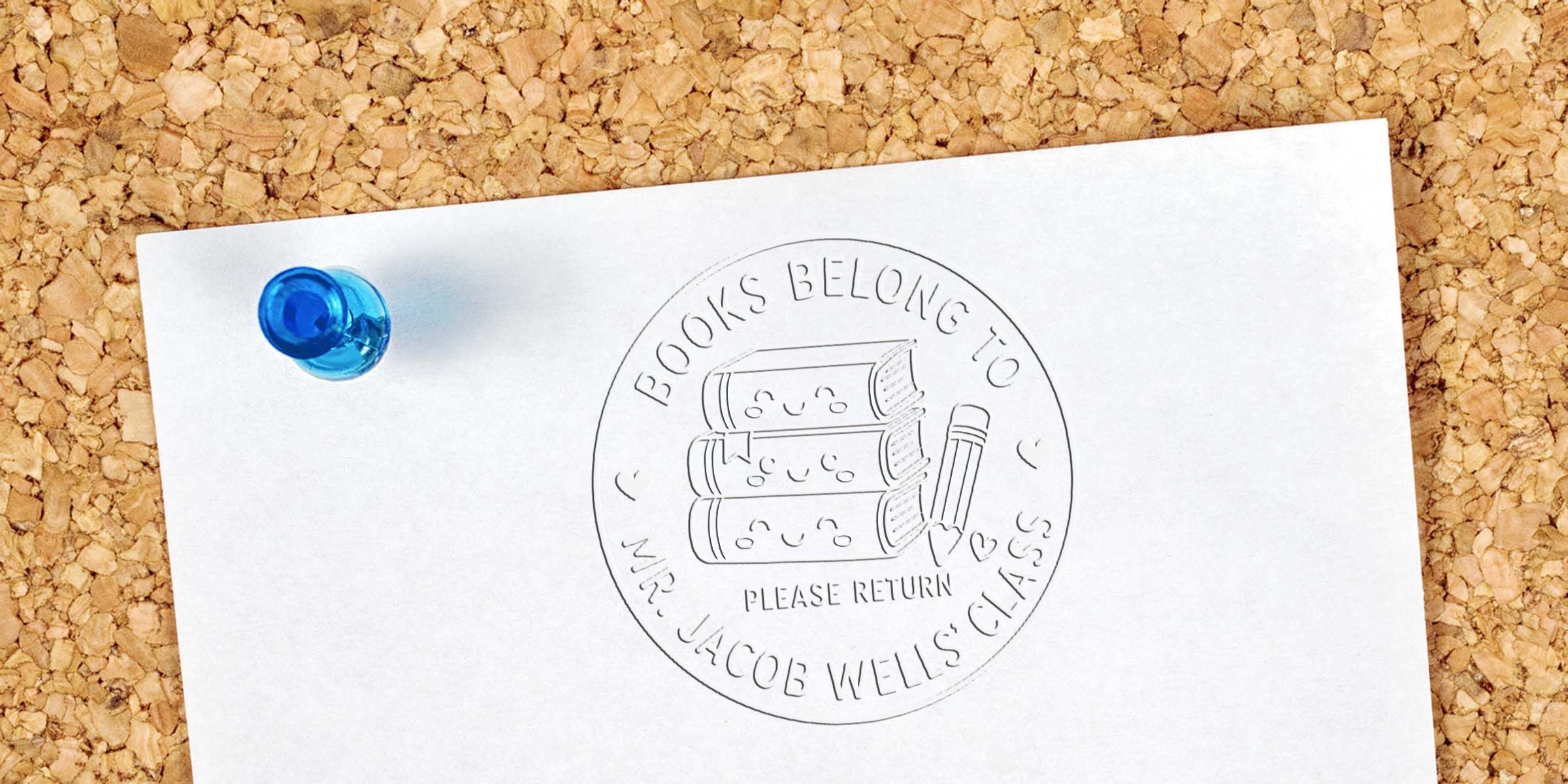
Are you looking for a clear, crisp impression that elevates your official documents or branding? Professional seal embossers offer an instant touch of authority and elegance. Whether you’re authenticating certificates, adding flair to custom stationery, or just want a polished logo impression, the right embosser can leave a lasting mark. In this guide, you’ll learn what sets a quality seal embosser apart, how to narrow your choices, and why working with a trusted supplier like Acorn Sales matters. Ready to dive in? Let’s get started.
Understand The Basics
The concept of a seal embosser is simple: it uses a metal die to create a raised (embossed) impression on paper or cardstock. But there’s more to it than just pressing down and hoping for a crisp image. Understanding a few basics will help you find the best fit.
The Purpose Of A Seal Embosser
A professional seal embosser is more than a fancy gadget. It’s a practical tool for:
- Notaries, who apply official seals on important papers
- Corporate offices, which often authenticate contracts, letters, or certificates
- Small businesses, adding a stamped logo to documents, brochures, or product packaging
- Designers and hobbyists, who want personalized touches on stationery or craft items
No matter your needs, a well-designed embosser gives you consistent and professional-looking imprints time after time.
Types Of Embossers
Embossers come in a few key styles:
Handheld Embossers
These are portable, small, and easy to carry, making them perfect when you’re on the go. They often work best on lighter paper and can be used for quick stamping tasks.Desk Embossers
Built for stability, desk embossers have a sturdy base and a lever mechanism that helps apply more pressure. If you emboss thicker paper stock or use your seal frequently, a desktop model might be your best bet.Electric Embossers
These cost more but massively simplify repeated embossing. They’re common in large offices where multiple people may need an efficient seal in a hurry.
Many people begin with a handheld model but later move to a desk version for heavier usage. Think about how often you’ll use your embosser and in what context before deciding which type suits you most.
Determine Your Specific Needs
What do you really want out of your seal embosser? Do you have unique artwork in mind, or do you prefer a standard layout with just text? Clarifying these points now can save you time, money, and frustration later.
Design And Artwork Choices
Design flexibility is a big draw for many users seeking professional seal embossers. Some folks stick with a simple company name or official seal, while others go for a custom logo. Maybe you’re planning to emboss wedding invitations, letterheads, or official documents with your own monogram. If so, you’ll want an embosser that can handle intricate designs.
- Artistic Details: Small lines and curves sometimes require deeper or more precise die cuts.
- Font Selection: Certain typefaces emboss better than others. Sans-serif fonts typically imprint more cleanly, though a high-quality embosser can handle script fonts nicely, too.
- Future Updates: Think about potential rebranding or changes to personal details so you can adapt your embosser as needed.
If you plan to emboss detailed artwork, you might also want to explore custom embossing stamps for even more design freedom. By working with an expert supplier, you can ensure your custom art translates into a crisp, legible impression.
Industry And Use Cases
In some fields, an embosser isn’t just a decorative item. It may be legally required for notarization, professional engineering stamps, or corporate seals. Make sure your embosser meets official guidelines, which often dictate details like:
- Minimum size requirements
- Specific text, such as state registration numbers or business incorporation details
- Mandatory wording, like “Notary Public” or the legal name of the entity
Industries such as architecture, engineering, and law typically have more stringent regulations than casual home hobbyists. Before you order, confirm that the manufacturer offers an option meeting your specific legal standards.
Explore Quality And Components
All embossers might look similar at first glance, but focusing on quality materials and design can significantly impact the final result. The die (the part that makes the impression) and the pressing mechanism need to be precisely engineered for a clean, uniform emboss.
Essential Features To Consider
Buying a low-quality embosser often leads to uneven, shallow, or fuzzy impressions. Here are key components that set a high-grade embosser apart:
Plate Material
Look for a metal die, often brass or steel, which can capture detailed designs. Cheaper plastic or mixed-metal dies might wear out faster, especially if you’re embossing daily or using heavier paper stock.
Ergonomic Design
Embossing shouldn’t leave you with a sore hand. A comfortable lever handle or handheld grip is a must if you anticipate frequent use. Desk embossers typically reduce strain because they rely on a stable base and leverage.
Impression Depth
Depth matters when it comes to embossing. A shallow impression can be hard to see, while a deeper imprint can tear your paper. Reputable suppliers, like Acorn Sales, calibrate their embossers so you get a crisp design that doesn’t compromise paper integrity.
Compare Pricing And Value
Budget is always a factor, but picking an embosser solely by price can come back to haunt you. Let’s look at how to balance your wallet and your need for a reliable, long-term solution.
Finding The Right Balance
If you rarely emboss and only need a basic design, a simple and affordable handheld embosser might do the job. On the other hand, if you plan to emboss thick stock or demand a high level of detail, investing in a higher-end desk or electric model can pay off in time saved and consistent results.
- Frequency of Use: Daily, weekly, or just for special occasions?
- Paper Thickness: Standard paper versus cardstock, envelopes, or certificates
- Design Complexity: Simple text or intricate artwork
Considering these factors in tandem ensures you won’t overspend on elaborate features you don’t actually need, nor underspend on something that won’t hold up to repeated use.
Pitfalls Of Going Too Cheap
You can often spot the difference between a quality embosser and a low-budget option the moment you press your seal. A subpar embosser might produce a faint impression or break down faster, forcing you to replace it sooner than expected. Some pitfalls include:
- Inconsistent pressure, leading to incomplete lines
- Weak metal or plastic components that snap under the lever’s stress
- Limited customization options, if you need a sophisticated or niche design
When you factor in the cost of re-orders, repairs, or wasted materials, a bargain embosser might wind up being the most expensive choice in the long run. Spending a bit more upfront for a proven design can save you headaches later.
Buying From A Trusted Supplier
Even the best design can fall flat if it isn’t produced with attention to detail. That’s why choosing a reputable company is so important. You want a smooth buying experience, reasonable turnaround times, and a final product that meets your expectations.
Quick Turnaround And Stellar Service
Quality and convenience go hand in hand. If you’re on a deadline, prompt shipping or express production can be a lifesaver. Look for a supplier with an established track record of meeting deadlines and delivering top-notch customer service.
- Responsive Support: You should be able to get help quickly if there’s any issue or last-minute question.
- Flexible Customization: Some suppliers aim to simplify the design process by providing easy-to-use templates and guidance on your artwork.
- Guaranteed Satisfaction: A warranty or satisfaction policy goes a long way toward ensuring you’ll be happy with the end product.
Why Choose Acorn Sales
When you’re ready to invest in professional seal embossers, it helps to partner with a company that has decades of experience. Acorn Sales has been a leading stamp and seal maker since 1964, focused on delivering reliable results for every type of user:
- Small businesses creating brand consistency
- Corporations and law offices needing official documents authenticated
- Individuals seeking an elegant personal seal for invitations or stationery
With Acorn Sales, you can expect:
- Precise manufacturing that yields crisp impressions
- Durable materials that stand up to repeated use
- Friendly, helpful support at each step
- Quick turnaround so you’re not left waiting
After more than 60 years in the business, we’re proud to say our customers trust us to produce high-quality embossers for every possible scenario. If you need a custom logo embosser or specialized design, our team is here to guide you from idea to finished product.
Wrap-Up
Choosing the right professional seal embosser comes down to matching your needs—whether official, creative, or somewhere in between—with a quality device that lasts. By focusing on design clarity, materials, and reputable suppliers like Acorn Sales, you’ll get an embosser you love using. Consider how frequently you’ll emboss, the type of paper you’ll use, and whether you need a custom design. If you still have questions, reach out for personalized guidance. You’ll be embossing with confidence in no time.
Frequently Asked Questions
Can I emboss thicker cardstock or only standard paper?
You can definitely emboss thicker materials, but you’ll need a sturdy embosser designed for heavier stock. Desk embossers often handle cardstock more effectively than handheld options.
Will my custom artwork look sharp when embossed?
That depends on the detail level and the quality of your embosser’s die. A precise metal die, such as brass, usually captures fine lines well. If you have complex artwork, ensure your supplier can accommodate deeper or more intricate cuts.
How do I maintain my embosser for best results?
Most embossers don’t need heavy maintenance. Keep the metal die free of debris or stuck-on paper fibers, store your embosser in a dry place, and avoid applying excessive force if the paper doesn’t feed smoothly.
Is a handheld or desk embosser better for frequent use?
If you’ll be embossing several documents per day, a desk embosser is often more comfortable. It gives you better leverage and consistency. Handheld embossers, however, shine when portability is a priority.
How do I ensure my design meets legal or industry requirements?
Verify local regulations or industry guidelines for your specific seal. Check for mandatory text, size, or layout requirements. Then work closely with your supplier to confirm your design meets all specifications.
Why should I choose a custom embosser from Acorn Sales?
With over 60 years of experience, Acorn Sales has the expertise to turn your vision into a crisp, professional impression. We offer quick turnaround, high-quality materials, and dedicated customer service.








