
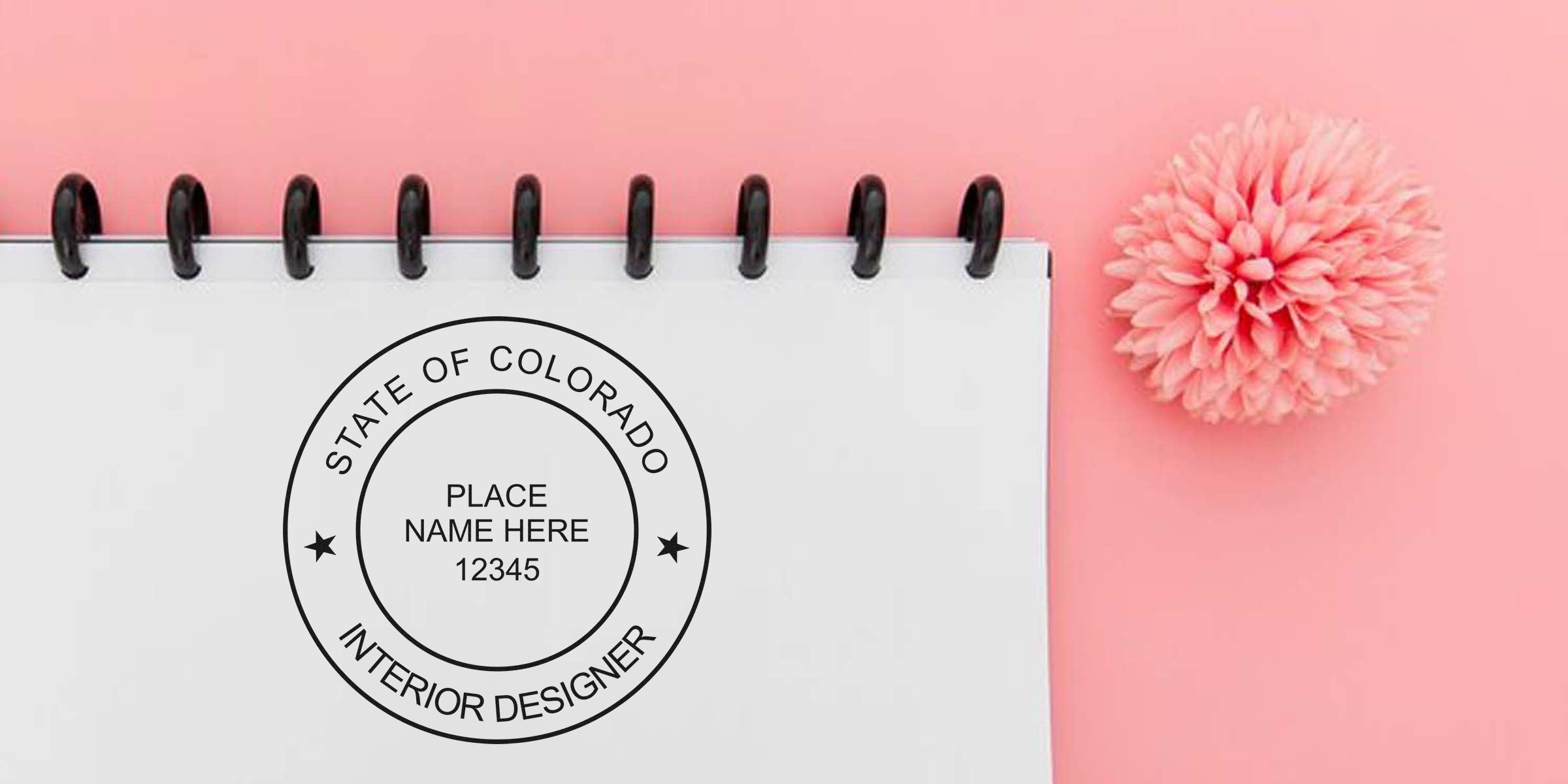
Colorado interior designer seal customization can feel a bit intimidating at first glance. You’ve got rules, style preferences, and a dash of professional credibility all rolled into one little stamp or seal. The good news is that you can personalize your seal to match your brand while staying true to state requirements. Whether you’re brand-new to interior design or an experienced pro, a customized seal is a subtle yet powerful way to broadcast your expertise. Let’s explore how to make it happen.
Clarify Colorado Rules And Requirements
Before you jump into customizing your seal, it’s smart to understand the local guidelines. In Colorado, interior designers often need to comply with specific standards for stamping or sealing plans, documents, and other official materials.
Why A Seal Is Essential
Your seal represents your stamp of approval on blueprints, sketches, and many other design documents. It shows you’ve taken the effort to become a licensed or registered professional, which in turn gives your clients an added layer of trust. In some jurisdictions, a properly rendered seal is a must for final submission of building plans or design proposals.
From a client’s perspective, a seal tells them, “I’ve got the credentials and the authority to handle this project.” It conveys reliability much like a signature, but it also highlights your status as a Colorado interior designer who’s playing by the rules.
Understanding Legal Must-Haves
Each state, including Colorado, has its own set of regulations about how a professional seal should look. If you’re curious about the legal format of your seal, be sure to check the official board requirements. You can also skim the specific colorado interior designer stamp requirements to get a clearer picture of what to expect.
In Colorado, these rules typically outline:
- Mandatory elements, such as your name and license number.
- Acceptable size ranges (usually within a specified diameter).
- The exact wording or abbreviation you’re allowed to use.
Meeting these guidelines is crucial, because a non-compliant seal can cause headaches down the line. Think delayed project approvals and extra paperwork. No thanks.
Decide On Your Customization
Now that you know the must-haves, let’s dive into what you can personalize. The best part about designing your own seal is that you’re free to tailor it to your style without losing its official standing. You might choose subtle changes that align with your brand—enough to stand out, but not so extreme that you break the rules.
Layout And Size
While the state sets general guidelines on diameter and placement of core elements, there’s usually wiggle room to arrange text or graphics in a way that feels unique to you. Do you want your name in a bold font at the top? Or maybe your license number is highlighted across the center? So long as you aren’t removing or altering mandated text, you can get creative.
You can also pick from various seal sizes within the permissible range. A compact seal might travel well in your briefcase, while a slightly larger diameter can help key details stand out on official documents. Either way, your design remains valid if it meets Colorado’s minimum and maximum dimensions.
Style And Branding
Fonts, style lines, and even graphic flourishes can help tie your seal to your signature look. For instance, if your logo features curved lines, you could echo those curves inside the seal border. Or, if your business name uses a particular typeface, it might look sharp incorporating that font in your seal—provided it’s easy to read.
Here’s a quick comparison to gauge how a standard seal differs from a custom design:
| Feature | Standard Seal | Customized Seal |
|---|---|---|
| Font | Basic, preset | Chosen to match your brand |
| Border | Typical round or rectangular shape | Creative line style or shape accent |
| Size Options | One default size | Multiple size choices (within Colorado guidelines) |
| Personal Touch | None | Incorporates your logo or design elements |
Keep in mind, all these modifications have to remain professional. That means no flashy rainbow fonts or images that compromise readability. The idea is to enhance your seal, not overshadow its purpose.
How Your Seal Creates Credibility
You might be wondering if a custom seal really changes how clients perceive you. The short answer is yes. While design skills speak volumes in your portfolio, an official seal conveys a commanding addition to your overall branding. It’s the difference between saying you’re qualified and literally stamping it on paper.
Professional Presentation
Imagine you’re showing a client a mock-up of their new living room layout. You confidently pull out the final design documents, complete with your personalized seal. In that moment, your documents and proposals feel polished and legitimately recognized, elevating the way potential clients view your expertise.
An official-looking seal demonstrates your awareness of local laws, reinforcing that you’re not just creative but also diligent. That diligence resonates with clients, local building authorities, and contractors who rely on your thoroughness and accuracy.
Meeting Client Expectations
Clients often assume that professional interior designers will have their own seal. Psychologically, a seal can be reassuring in the same way a “Quality Guaranteed” stamp on a product convinces shoppers. Once your client sees that emblem, they know you’ve gone the extra mile to comply with Colorado’s standards. It grounds their trust in your brand and confirms that all relevant regulatory boxes have been checked.
Order Options With Acorn Sales
When you’re ready to transform your seal idea into reality, consider placing your trust in a well-established supplier. Acorn Sales has been in business since 1964 and is known for providing Colorado interior designer stamps and seals that fulfill both local regulations and personal style preferences. Backed by decades of expertise, they’re ready to guide you through every step of the ordering process.
Free Electronic Stamp
One standout perk of choosing Acorn Sales is their complimentary electronic stamp included with every order. If you frequently share designs by email or through digital project management tools, an electronic seal can save you tons of time. You can simply apply it to your PDFs without reprinting or scanning. Plus, it’s always consistent—no skewed lines or ink issues.
Trusted Source Since 1964
Established credibility goes a long way. Acorn Sales has partnered with architects, engineers, and interior designers for more than half a century. That means they’ve heard every question under the sun about stamp setups, placement rules, and how to integrate new branding concepts. If you’re unsure about any regulation, you can tap into their experience. Whether you need a standard layout or want to create an artistic twist, they can steer you to a design that meets official Colorado requirements, all while staying true to your vision.
Putting It All Together
A branded seal might seem like a small touch, but it can speak volumes. It covers your legal bases, assures clients of your professionalism, and sets you apart in an industry where every detail matters. Your clients, colleagues, and even local authorities will appreciate the care you’ve put into maintaining a seal that’s both stylish and up to code.
So, if you’re looking to finalize your brand presence and ensure proper compliance in Colorado, aim for a seal design that reflects your creativity and meets the state’s guidelines. Balance is key—you don’t want so many design elements that it looks cluttered, but you still want to highlight your distinct style. By doing so, you’ll present a polished, memorable image in every project document you deliver.
Feel free to personalize your seal with confidence, knowing that a thoughtful design enhances your professional image while complying with Colorado regulations. From layout decisions to final stamping, the goal is to communicate credibility, attention to detail, and your unique style as a Colorado interior designer.
Frequently Asked Questions
Do I need to register my customized seal with the state?
Typically, you don’t have to file a separate registration for your custom design if it follows Colorado’s guidelines. However, it’s important to keep official documents on hand in case you ever need to demonstrate compliance.
Is digital stamping acceptable in place of a physical stamp?
In many cases, yes. However, verify with local Colorado officials or your specific project’s approval board. Remember, Acorn Sales offers a free electronic stamp with each order, making it simple to meet modern digital needs.
Are there size limits for my seal’s design?
Colorado generally provides permissible dimensions (like a specific diameter range) that you must follow. If you deviate, your seal might be rejected by regulatory bodies, so stay within the provided guidelines.
Does customizing my seal affect its legality?
Not as long as mandatory elements remain intact and readable. You must include correct wording, your name, license number, and any necessary official text—those features can’t be altered.
How often should I replace my seal?
A physical seal may wear out after years of consistent use. As soon as your impressions start fading or looking uneven, it’s a good idea to replace it. Acorn Sales can help you reorder a fresh seal to keep impressions crisp and clear.








