
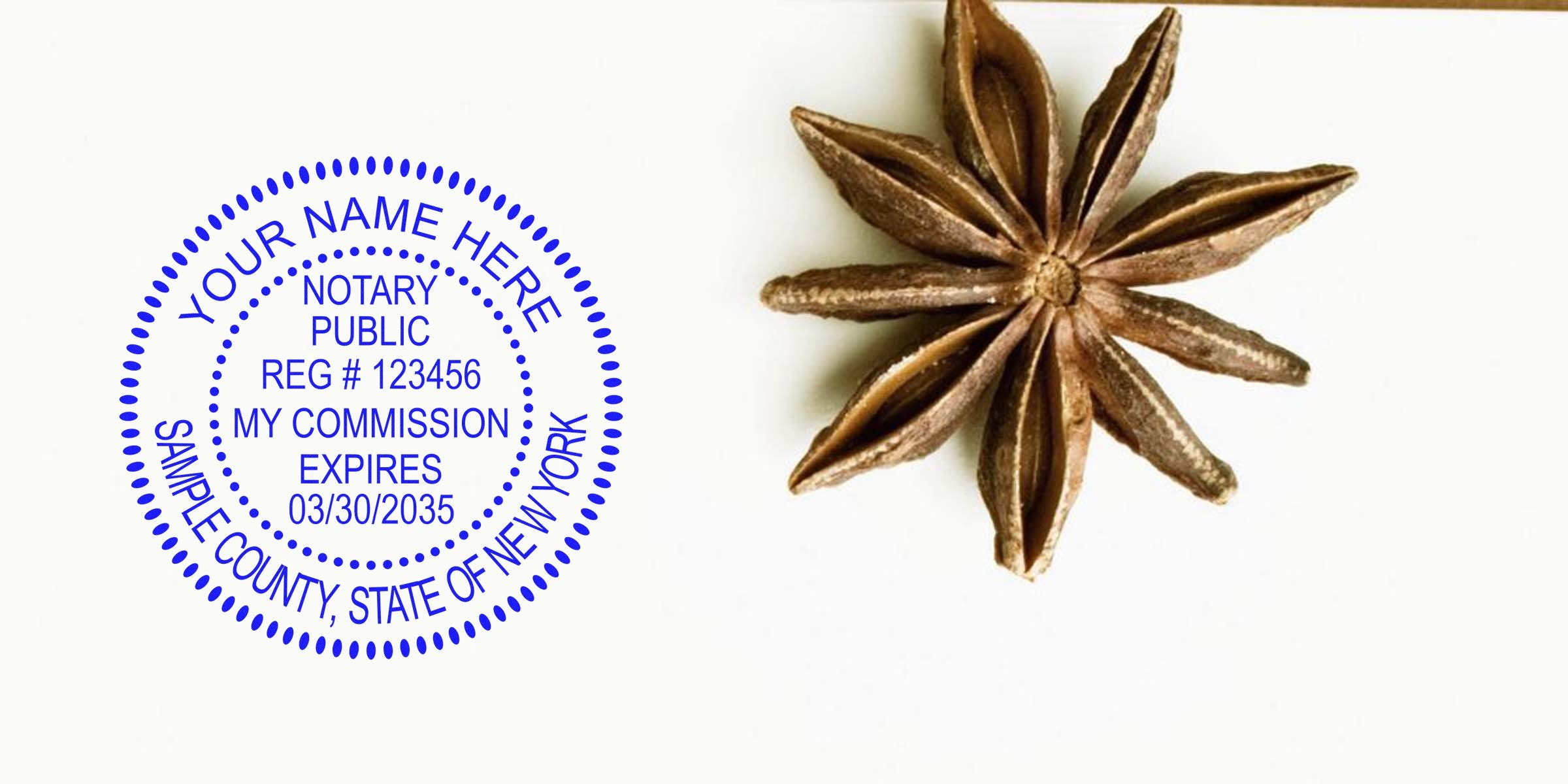
If you’re determined to meet New York Notary Seal requirements but feel unsure where to start, you’re in good company. Navigating all the guidelines can feel like you’re juggling forms, commission terms, and design rules at once. That’s why it helps to get a clear breakdown of what’s truly needed for proper notarization in New York. In this post, we’ll walk through every crucial detail, from the role of your notary seal and stamp, to how you can keep everything up to date without overspending or overlooking a key step.
Acorn Sales has been a trusted supplier of New York Notary Supplies for more than 60 years. We know how important it is for you to have a compliant seal or stamp, a quick turnaround on orders, and peace of mind that everything meets state standards. By the time you finish reading, you’ll understand exactly what New York requires, whether you’re a brand-new notary or you’ve been commissioned for years. Ready to feel more confident about your next notarization? Let’s jump right in.
Recognize New York Notarization Basics
Understanding the basics of notarization in New York can make your life much easier. Notaries Public here are commissioned by the Secretary of State, with the official term of a commission lasting four years. During this period, you’re expected to stand as an impartial witness to the signing of various documents—deeds, powers of attorney, real estate transactions, and more. Each time you notarize a document, you’re attesting that the individual signing is who they claim to be, that they were not coerced, and that they understand the content of the form.
Although a Notary stamp or seal is not strictly required by New York law, you still have some important rules to follow. For every notarized document, you must include:
- Your signature (as it appears on your commission)
- The phrase “Notary Public, State of New York”
- Your registration or commission number
- The qualified county in which you’re registered
- The commission expiration date (when appropriate)
Many notaries choose to use a stamp or seal as a quick and professional way to share these details. It can also protect against fraud by including a clear, consistent imprint that matches New York’s guidelines. Who wants to rewrite the same phrase on every page? A stamp saves time. If that sounds good to you, you’ll want to make sure you find the right design that includes all mandatory details. The fact that some states across the nation require a seal sometimes creates confusion. New York is a bit more flexible, but it imposes rules if you opt to use a stamp or embosser.
Because you’re commissioned for four years at a time, you’ll need to keep track of renewal dates and, of course, reapply for another term before your current commission ends. If you move or change your name, you must also update your notary record. Overlooking details like an expired commission can invalidate all your notarized documents—even if your intentions were good.
Finally, you’re probably wondering if you must keep a notary record book or journal in New York. While not always mandatory, it’s strongly recommended. A journal provides two big benefits: it helps protect you if someone questions a notarization and it reduces the risk of fraud. Each entry can show who, what, when, and where you notarized, which is incredibly valuable if there’s ever a dispute.
Understand Notary Stamp Vs. Seal
If you’re new to the notarization process, you might be curious: what’s the difference between a notary stamp and a seal? In essence, a notary stamp is an inked device that leaves a rectangular or circular imprint containing the required text, such as your name, commission number, and more. A seal, on the other hand, often refers to an embosser—a tool that creates a raised impression on the paper itself. Both can fulfill similar roles in adding authenticity, but each offers unique pros and cons.
When you opt for a stamp, you’ll enjoy the convenience of an inked imprint that’s instantly legible on most documents. These stamps are customizable to fit the details of your commission. For instance, some notaries prefer a minimal rectangle with just the name, county of qualification, and the words “Notary Public, State of New York.” Others like a circular design that includes extra decorative elements. If you anticipate high volumes of notarizations, a self-inking version might be a lifesaver. For a closer look, you can see examples at new york notary stamp.
Notary seals, especially embossers, are often viewed as more traditional. An embossed seal can look very official, which might be appealing if you handle legal documents or formal contracts. However, an embossed impression doesn’t always copy or scan well, because it relies on raised text rather than ink. If the receiving party needs an electronic version or photocopy, they could have trouble viewing the seal. In such cases, some notaries use an embosser in conjunction with a simple ink stamp or add a bit of rub to highlight the raised seal so it shows up on a copy.
New York specifically notes that you don’t have to use a seal, but if you do, it must contain certain information—like your name and words such as “Notary Public” and “State of New York.” Should you want an embosser, you can check options like a Hand-Held Notary Seal Embosser or ny notary seal. Whether you choose a stamp, seal, or both, be sure it aligns with your workflow. No matter which you pick, the goal is to make your notarial certificate easy to spot and hard to forge.
Gather Required Seal Information
Let’s talk details. You’ve probably seen stamps or seals featuring words such as “Notary Public, State of New York,” the name of the notary, and an expiration date. But how do you ensure you’re meeting all relevant New York Notary Seal requirements? If you decide to use a stamp, the basic text usually includes: your name, the phrase “Notary Public,” the state you’re commissioned in, your commission number (if applicable), your qualified county, and the expiration date. New York also allows you to add optional elements such as tiny design flourishes or the Great Seal of the State of New York, but keep the layout clear so none of the mandatory data is cluttered or obscured.
A neat trick? Leave the expiration date area blank on your stamp so you can fill it in by hand with black ink. This way, when your four-year commission renews, you don’t have to order an entirely new stamp. Instead, you can simply write in your new expiration date. This approach can be especially handy if you handle hundreds or even thousands of notarizations per year. Still, many notaries prefer the neat, uniform look of a stamped expiration date, so it’s really up to you.
What if you go the embosser route? You’ll need to make sure your embosser includes the same core data—your name, “Notary Public, State of New York,” sometimes the Great Seal, and the word “seal” or “official seal” near the bottom. Remember, an embosser alone might not always be enough if the receiving party wants a stamp that’s visible on a scan. In that case, some notaries keep both tools at hand: one to emboss, another to stamp. This dual approach is common for real estate closings, official transcripts, or any high-priority transaction where clients crave a certain level of formality.
There’s more than one way to share your commission details on a notarial certificate, too. If you prefer not to buy a stamp or embosser at all, you can type or print out your credentials right beneath your signature. You might write something like, “Jane Doe, Notary Public, State of New York, Reg. #123456, Qualified in Kings County, Commission Expires 12/31/2029.” Without a stamp, though, you want to be extra careful about neatness and clarity. If your text is messy or incomplete, the document could be challenged later. That’s why, even if it’s not technically mandatory, many notaries opt for a professionally made stamp to avoid errors.
Clarify Seal Dimensions And Design
Curious about the size and shape? The official stance in New York is that if you choose a circular stamp, it should be 2 inches in diameter with the words “Notary Public” and “State of New York” on the outer edge. Between these words, you’ll typically see two thin horizontal lines, and in the center, you’ll find your name, ID number (if you have one), and the commission expiration date. Some stamps also incorporate the Great Seal of the State of New York above your name, adding a clear visual reference of authenticity.
If you’re setting up an embosser, you’ll want an image that places the state seal either at the top center or in line with text that states “Notary Public” and “State of New York.” Beneath that, you can include your name or the word “seal.” In short, the seal is essentially a ring of text around a state emblem. This structure ensures it’s easily recognizable and reduces the risk of tampering. Even if you choose a slightly different shape, like a rectangular ink stamp, it must still display all the required info in a legible and professional format.
One potential point of confusion is how to list your county. Because a notary in New York must be “qualified” in a specific county, stamps and seals often include that phrase. For instance, you might see “Qualified in Nassau County” or “Qualified in Richmond County.” Don’t skip that piece, because it’s part of how the state identifies your commission location.
At Acorn Sales, we offer stamps and embossers that follow these set dimensions and design rules. If you’d rather skip the guesswork, you can explore our official new york notary stamp or a new york notary seal template that’s tailored to meet state expectations. This way, you’re less likely to run into a situation where a client or recording office rejects your notary mark.
Use Proper Notary Supplies Correctly
Let’s shift focus to some practical tips on using your supplies. First, always make sure your stamp or embosser is producing a crisp, readable impression. If the ink pad in your self-inking stamp is fading or it’s not stamping evenly, it’s time for a refill or replacement. Nothing is more frustrating than discovering you delivered an incomplete imprint. Similarly, with an embosser, you want consistent pressure so the raised text is easy to identify. If the die plates are misaligned, your seal could come out blurry or partially unreadable.
Next, keep your tools clean and stored properly. A notary stamp jammed in with your pens might pick up dirt or lint, making each impression smudge. Wiping your embosser with a cloth and checking alignment before each use can also prolong its life. While these points might sound obvious, daily wear and tear can sneak up on you, especially if you handle notarizations at a busy office.
Also, think about carrying extra ink, especially if you’re mobile. If you do house calls or notarize documents in various settings, you don’t want to run out mid-day. Having a backup or a mini version of your stamp is a smart move, particularly when you have limited bag space. A smaller device like the Official Mini Notary Stamp can fit easily in a briefcase or tote, while offering the same compliance.
When you order your notary supplies, you typically have to provide state documents verifying your commission. At Acorn Sales, for instance, we confirm your notary status before shipping a custom stamp or embosser to ensure compliance with local regulations. We’ve been making stamps and seals for more than 60 years and understand that incorrect data can cause hassles for you and everyone who depends on your notarization. By verifying your commission information, we help you avoid pricey do-overs.
Renew Your Commission Effortlessly
Ever worry about letting your commission lapse? That fear is understandable, especially if you’re juggling lots of tasks at home or work. You might still have years left on your term, but time flies before you realize it. Renewing on time means you’ll continue notarizing without a hitch. In New York, it’s your responsibility to file renewal paperwork ahead of the expiration date. Once you’re reaffirmed by the Secretary of State, you’ll get a new term lasting another four years.
Why does this matter for your notary seal or stamp? Because your commission expiration date must be accurately reflected in the imprint or typed text below your signature. If your stamp shows a date that’s already passed, anyone examining the document can question its validity. One quick fix is leaving that date blank on the stamp and writing it in by hand, as we mentioned earlier. But if you prefer a purely stamped method, simply order a new stamp with the updated expiration date. For more details on that process, you can visit new york notary stamp renewal requirements.
Something else to keep in mind: if you change your name or move to a new qualifying county, you have to update your information with New York’s Secretary of State. If “Sandra Smith” becomes “Sandra Roberts,” or you shift from Kings County to Bronx County, your notary credentials must reflect that. These updates extend to your supplies as well. You’ll need to verify your updated commission details before you can order new stamping devices from your preferred vendor.
What if you forget to renew your commission before it expires? You will likely have a gap where you can’t perform any notarial acts legally. During this time, your old stamp or seal is effectively unusable. Once you fulfill the renewal requirements, though, you can get back in action. Remember, keep an eye on that timeline so you can maintain a spotless record of official acts.
Prevent Fraud Through Best Practices
Why is a notary’s role so crucial in preventing fraud? Because you’re that unbiased observer who confirms identities and willingness to sign. When you use a well-designed seal or stamp, you’re giving each document a visible layer of authenticity. This can discourage fraudulent behavior, since forging a proper notary stamp or embosser is far harder than creating an unmarked signature.
One of the simplest fraud-prevention steps you can take is maintaining a notary journal, which New York strongly encourages. Even though the state doesn’t always require it, a journal entry detailing the signer’s name, the date, the document type, and identification method can save you headaches later. If someone questions the legitimacy of a notarized form, you can point to that signed or initialed log.
Make sure you identify signers properly by asking for government-issued photo ID. If you’re uncertain or suspect anything shady, you’re within your rights to refuse notarization. And if you do stamp or emboss the document, ensure the impression is clear and includes your correct name, commission number, and “Notary Public” phrase.
Some states require notaries to include disclaimers or disclaim that they are not attorneys. New York does not have a blanket rule for such disclaimers, but it’s wise to be transparent about your role with clients. Let them know you’re verifying identity and willingness to sign, not offering legal advice. That distinction helps you avoid crossing any lines.
Finally, keep your physical stamp or embosser in a secure place. You don’t want unauthorized individuals rummaging through your desk and grabbing your notary seal. If you suspect your stamp is misplaced or stolen, act right away. Notify the authorities if you genuinely believe it’s been taken. This measure prevents potential fraud and protects your notary reputation.
Trust Acorn Sales For Quick Turnaround
Now that you understand the fundamentals of meeting New York Notary Seal requirements, it’s time to talk about choosing your supplies. This is where Acorn Sales can make your journey simpler. We’ve been making stamps and seals for over six decades, focusing on trusted craftsmanship and state compliance. If you’re shopping for a new or replacement stamp, an embosser, or a complete new york notary kit, our inventory is designed to align perfectly with New York’s guidelines.
We recognize that each notary has unique needs. Maybe you prefer a self-inking stamp that never leaks, or perhaps you like the old-fashioned reliability of a handheld embosser. We offer an array of options ranging from the new york notary stamp self-inking to an official round notary stamp. Each one is easy to customize with your name, county, commission number, and the optional Great Seal of the State of New York. Plus, we confirm your commission details before shipping, ensuring you get a product that meets both your personal taste and official requirements.
Should you need a last-minute solution—maybe you discovered your stamp pad is dry right before a big loan closing—Acorn Sales is known for quick turnaround times. Because we have fine-tuned our production and shipping processes, you can expect your items to arrive swiftly. No one wants to postpone a real estate signing or legal agreement because a notary’s seal is stuck in transit.
When you purchase from us, you’re not just getting a physical product. Our team is here to provide guidance on best practices, including how to position the stamp on the page for maximum clarity and which details to highlight if using both a stamp and embosser. We want to help you feel confident so that every notarization you handle becomes a seamless experience. After all, the fewer bumps in your notary process, the more professional you’ll appear to clients, colleagues, and any official agencies that might review your paperwork later.
Conclusion
By now, you’ve got a thorough understanding of what it takes to comply with New York Notary Seal requirements and how using a professional tool—stamp or embosser—can streamline your day-to-day tasks. You also have a sense of how crucial it is to keep your data accurate, your commission renewed, and your record-keeping in order. With the right supplies and approach, you can prevent confusion over your official status and reduce the risk of fraud.
Whether you’re just starting out as a New York Notary Public or you’re renewing for the third or fourth time, stay on top of your supplies, update your information as needed, and never compromise on clarity. A well-chosen stamp or embosser keeps your personal brand looking polished and your notarial acts beyond reproach. If you’re ready to set up or replace your notary tools—or if you simply want guidance—feel free to explore our range at Acorn Sales. We’re always here to help you find just the right solution.
Feel free to reach out to Acorn Sales if you have further questions about New York notary supplies. We’re here to help you find the best stamping or sealing solution for your commission.
Frequently Asked Questions
What Are the Core Details Required on a New York Notary Seal?
You need to include your name, the words “Notary Public” and “State of New York,” your commission or registration number (if applicable), the county you’re qualified in, and the commission expiration date. You can add design elements like the Great Seal of New York, as long as the mandatory information remains legible.
Do I Have To Use a Seal or Stamp If It’s Not Required by Law?
It’s not strictly mandatory in New York, but a stamp or seal can make the notarization process more efficient. Instead of handwriting info, you can quickly stamp it. This also helps protect against fraud because an official stamp is harder to forge than a simple note.
Can I Write My Expiration Date by Hand To Skip Buying a New Stamp?
Absolutely. One popular approach is to leave the expiration date section blank on the stamp, then fill it in by hand when your commission renews. This saves you from ordering a brand-new stamp every four years.
Do I Need To Renew My Seal When I Renew My Commission?
You’re not obligated to buy a new seal, provided your notary name, county, and other details remain accurate. However, if your old stamp has an outdated expiration date or the wrong county, you’ll need to update the imprint or get a new one.
Which Is Better: A Stamp or an Embosser?
It depends on your preference. A stamp is easier to read on copies, while an embosser offers a traditional raised look. Some notaries use both. Just remember to include all mandatory information, whether it’s an inked impression or an embossed imprint.








