
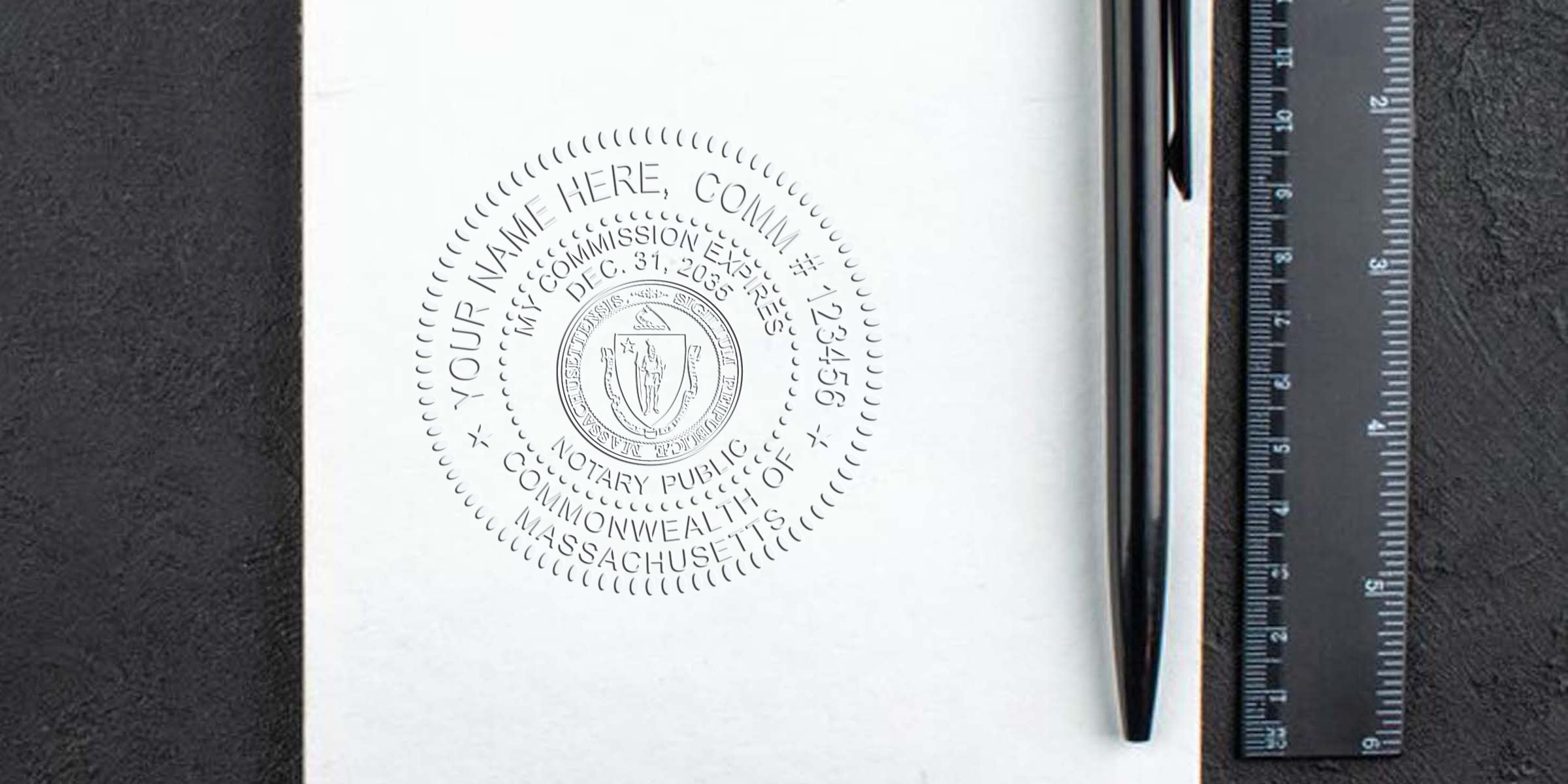
Natural light, layout adjustments, and clever color choices can make a huge difference in a small apartment. But when you need a “stamp” of approval for official paperwork, you want to make sure you’re following all the right rules in your state. If you’re searching for the best notary stamp for Massachusetts, you’re in the right place. In this guide, you’ll discover what a notary stamp does, how Massachusetts laws shape your notarial tools, and which factors matter most before you commit. You’ll also explore the various stamp types, learn a step-by-step procurement process, and pick up useful maintenance tips, so your stamp always stays in tip-top shape. Let’s jump in and ensure you’re fully prepared to handle your notary duties with confidence.
Recognize The Purpose Of A Notary Stamp
A notary stamp is more than just ink on paper. When you supply an official Massachusetts notary stamp, you confirm your identity as a notary public and certify that you’ve witnessed the signing of a document. This action gives the document legal weight in matters like real estate transactions, affidavits, and formal agreements. You’re not just stamping for aesthetics, you’re stamping for authenticity.
It’s also a mark of professional dedication. Becoming a notary public means taking on the responsibility of verifying that signers are who they say they are. By using the correct notary stamp, you signal that you respect state guidelines and that you performed your duties accurately. You might say it’s like a badge that represents your trustworthiness. Without it, official documents (especially in Massachusetts) won’t carry the same legal certainty.
Lastly, your stamp helps reduce fraud. In an era where documents can easily be forged, a legitimate notary stamp gives each page a layer of security. Recipients or officials verifying a notarized document will look for that precise impression. If a stamp is missing or incomplete, you could risk having the document questioned or—even worse—rejected. In short, your notary stamp ensures each notarized document holds the validity required in court, business settings, or personal matters.
Know Massachusetts Requirements
Massachusetts isn’t casual about its notary standards. As a commissioned notary public here, you need to follow criteria that keep you on the right side of the law. You’ll generally need to include:
- Your name as it appears on your notary commission.
- The words “Notary Public.”
- A matching expiration date if your commission requires it.
- The seal or stamp design that’s consistent with Massachusetts rules.
Your official stamp or seal must be legible. Nothing says “issue” like an unreadable stamp, so double-check that your letters and numbers are properly aligned. Most notaries in Massachusetts opt for a stamp that includes their name and commission details. If you’d like additional supplies, you can check out massachusetts notary supplies to see a range of compliance-friendly options.
It’s important to note that requirements can change. Sometimes it’s a minor alteration in design guidelines, or an update on which additions (like the state seal) you can incorporate. If you’re unsure, log in to the Massachusetts Secretary of the Commonwealth’s site or reach out to a trusted expert such as Acorn Sales. Staying ahead of these guidelines helps you avoid any unpleasant surprises when you’re handing over an important notarized document.
Explore The Types Of Stamps
Before choosing your stamp, you’ll want to know the basic types available. Each has its own benefits and quirks, and the right choice depends on how frequently you notarize and the kind of environment you work in.
Self-Inking Stamps
A self-inking stamp has an internal ink pad. Each time you press down, the rubber plate flips onto the ink pad, then onto the paper. It’s typically a go-to option for notaries who need a quick, clean imprint on a stack of documents. Because the ink pad is enclosed, you don’t have to worry about messy transfers or accidental ink blots. Refilling is fairly straightforward: you just replenish the internal pad when it starts to run dry.
Pre-Inked Stamps
Pre-inked stamps differ slightly in that the ink is in the die itself. This arrangement yields a crisp, high-definition impression. Pre-inked stamps often last for thousands of uses before needing a quick re-inking. They can be pricier than self-inking stamps, but many find the clarity of the imprint well worth the cost.
Traditional Wooden Handle Stamps
If you appreciate a classic aesthetic or you only notarize occasionally, a wooden handle stamp might be your style. However, these require a separate ink pad. Each time you stamp, you manually press the stamp onto the ink pad. While they require a bit more effort, wooden handle stamps do offer a timeless look. Some notaries use them as a backup option or keep them handy for special documents that need a specific ink color or a more traditional presentation.
Embossers
An embosser creates a raised impression on paper by pressing two metal plates together. In Massachusetts, you may see embossers used alongside ink stamps. The tactile feel of an embossed seal exudes professionalism, though an ink stamp is often required to ensure scanned copies display the seal properly. If you want both a visual and tactile mark, pairing a notary stamp with an embosser is a solid choice.
Assess Key Purchase Factors
Choosing a notary stamp for your Massachusetts practice involves much more than snapping up the first option you see. Here are some factors to weigh:
Compliance:
Make sure your chosen stamp meets or exceeds Massachusetts’ design guidelines. This might include a border shape, specific text, or mandatory mention of your commission expiration. If you’re not certain, don’t be shy about asking a vendor for compliance details.Quality And Durability:
Your stamp is a long-term companion in your notarial tasks. If you’re notarizing high volumes of documents, investing in a sturdier, more durable stamp can prevent fading impressions. Look for a brand or supplier known for consistent, long-lasting materials. The stamp should also handle repeated downward pressure without warping.Ink Quality And Refill Options:
Some stamps are designed for easy ink refills, while others might require complete replacement. Consider how often you’ll use the stamp each day. High-use notaries might prefer a self-inking or pre-inked stamp that can be reloaded quickly.Aesthetics And Comfort:
While it might sound small, comfort matters. If you’re stamping multiple documents in a sitting, a handle with a pleasant grip can save your wrist. Also, if you enjoy classic designs or prefer a sleek, modern vibe, look for shapes and colors that resonate with your personal style.Reviews And References:
Scrolling through comments from fellow Massachusetts notaries can give you a real-world sense of how a stamp holds up. Keep an eye out for feedback on clarity, ease of use, and overall longevity.
Why Choose Acorn Sales
You have plenty of stamp suppliers on the market, so why Acorn Sales? For starters, Acorn Sales has been in the stamp and seal-making game for 60+ years, which stands as a testament to experience and credibility. When you need something as essential as a notary stamp, you want a partner who truly understands the nuances of compliance.
Acorn Sales helps you with quick turnaround times as well. If you ever find yourself in a pinch—like discovering mid-week that your old notary stamp is giving blurry imprints—you can get a fresh stamp delivered fast. Speedy shipping means less downtime and fewer interruptions to your workflow.
Plus, compliance is baked into every product Acorn Sales offers. They’ll guide you on Massachusetts design specifics, ensuring your stamp or seal meets every needed standard. With a variety of stamp styles available, you can choose between self-inking, pre-inked, or an embosser. And if you’re not sure which is right for you, their team is ready to answer questions so you pick the best fit.
Finally, there’s customer service. From helping you place the initial order to walking you through re-inking issues, a good supplier stands behind its product. When you’re pressed for time or have a tricky question about your personalized layout, it’s nice to know you can get a friendly voice on the other end of the line.
Select Additional Notary Supplies
While your notary stamp might serve as your workhorse, you’ll probably need backup items. A notary journal (or record book) is an essential tool for documenting each notarization. If you misplace your record or run out of space at the worst moment, you’ll be scrambling. It’s good practice to keep an extra on hand.
Other options might include:
Ink Refills:
Especially important for self-inking or pre-inked models. Having spares prevents panic when your stamp runs dry mid-signing.Replacement Pads:
For stamps that rely on a separate ink pad, extra pads ensure you always have a clean, well-inked surface.Embosser Carrying Pouch:
If you use an embosser, a small case or pouch keeps the plates from getting damaged.Additional Seals:
If you prefer to keep a second seal as backup or use different formats for various document types, it’s fine to stock more than one official seal.
You can browse massachusetts notary supplies to see exactly what’s available. Carrying backups also means taking on fewer interruptions in your daily flow. Whenever something runs out, you can swap it right away. With a fully stocked notary kit, you’ll handle your duties smoothly, day in and day out.
How To Order Step By Step
Ordering your Massachusetts notary stamp doesn’t have to be nerve-wracking. Here’s a simple process to guide you:
Gather Your Details
You’ll need your name exactly as it appears on your commission, along with your commission’s expiration date, if required. Double-check everything for accuracy. Including the wrong name spelling can invalidate your stamp.Choose A Trusted Vendor
Look at suppliers with a proven track record in Massachusetts. Acorn Sales is a good example, where you have compliance and quality in one spot. Read a few testimonials if you’re feeling uncertain.Pick Your Stamp Type
Based on how frequently you notarize, select your preferred model. Do you value speed? A self-inking stamp might be your best friend. Want clearer detail? Go for a pre-inked. And if you enjoy timeless style, a wooden handle could be just right.Personalize Your Stamp
Provide your name and any other details required by Massachusetts. If you add an extra line or design, confirm whether it’s permissible under local guidelines. It’s better to check early than to realize you have an unauthorized element.Place Your Order
A quick tip: note if you need additional supplies like extra ink or a notary journal. You can usually include them in the same order, which also saves on shipping.Inspect On Arrival
Once your notary stamp arrives, test it on a blank piece of paper. Confirm every letter is crisp. Check that dates and text appear exactly as you requested, and note if the impression is free of smudges.
Following these steps keeps your purchase organized. You’ll avoid confusion, ensure timely delivery, and start stamping with confidence.
Maintain And Use Your Stamp
Your day might involve verifying someone’s signature on a home refinance or officiating a legal affidavit. In each scenario, your stamp needs to be reliable. Below are a few best practices:
Store Your Stamp Properly:
Keep it away from direct sunlight or extreme temperatures. Excess heat can dry out the ink prematurely, while too much cold might damage the apparatus over time.Re-Ink Carefully:
If you own a self-inking or pre-inked stamp, follow the manual or watch an online video before re-inking. A steady hand and consistent pressure make a difference in ink distribution.Check Periodically For Wear:
Even robust stamps (or embossers) can show signs of decline over months or years. If you notice faint impressions, ridges in the rubber, or skewed text, it’s probably time for a replacement or repair.Follow Proper Protocol:
Never let someone else borrow your stamp—your commission is uniquely yours. Keeping your stamp under lock and key prevents misuse. This precaution might sound strict, but it’s crucial for legal compliance and your own peace of mind.Practice On Scrap Paper:
If your stamp rests unused for a while, do a test stamp on a waste sheet before marking an official document. Dust or dried ink can cause the first impression to be less than perfect.
A well-cared-for stamp can last for thousands of uses. Regular checks, safe storage, and mindful re-inking will make sure it’s still going strong when you need it most.
Now that you’ve explored the ins and outs of notary stamps for your Massachusetts practice, you’re ready to make an informed decision. Whether you’re a new notary or you’ve been around the block a few times, having the right equipment defines your professional standard. By prioritizing compliance, quality, and personal comfort, you’ll find a notary stamp that meets your needs for years to come.
Remember, Acorn Sales has been in the business for 60+ years, offering short turnaround times and stamps built to Massachusetts specifications. With the correct stamp and a handful of extra supplies, you can handle each notarization quickly and accurately. So go ahead, gather your details, choose a trusted supplier, and invest in a notary stamp that fits your style. Soon enough, you’ll be stamping documents left and right with total confidence.
Frequently Asked Questions
How Often Should I Replace My Notary Stamp?
Most stamps can endure years of consistent use, but the timeline really depends on frequency. If you see the impression fading or the rubber wearing out, it’s likely time for a replacement. Periodic checks help you catch wear early.
Can I Use Different Colors For My Notary Stamp Ink?
Massachusetts doesn’t necessarily forbid different ink colors, but standard practice is black or dark blue for maximum clarity and scanning. Always check your local guidelines or consult a reputable supplier like Acorn Sales before experimenting with colors.
Is An Embosser Required In Massachusetts?
In many cases, an ink stamp is sufficient. However, some notaries like adding an embosser for elegance or an extra layer of authenticity (especially on physical documents). The choice is yours, as long as you meet the basic stamp requirements set by the state.
What If My Name Changes During My Commission?
If you legally change your name, you’ll need to update your notary information through the proper channels in Massachusetts. Then, you can order a stamp reflecting your new name. Don’t keep using a stamp with outdated information.
Do I Need A Notary Journal Even If It’s Not Strictly Required?
It’s strongly recommended to keep a record book, even if the law doesn’t explicitly demand it for every notarization. A journal offers a clear timeline, plus it protects you in legal disputes. It can also boost trust with clients, who appreciate thorough documentation.








