
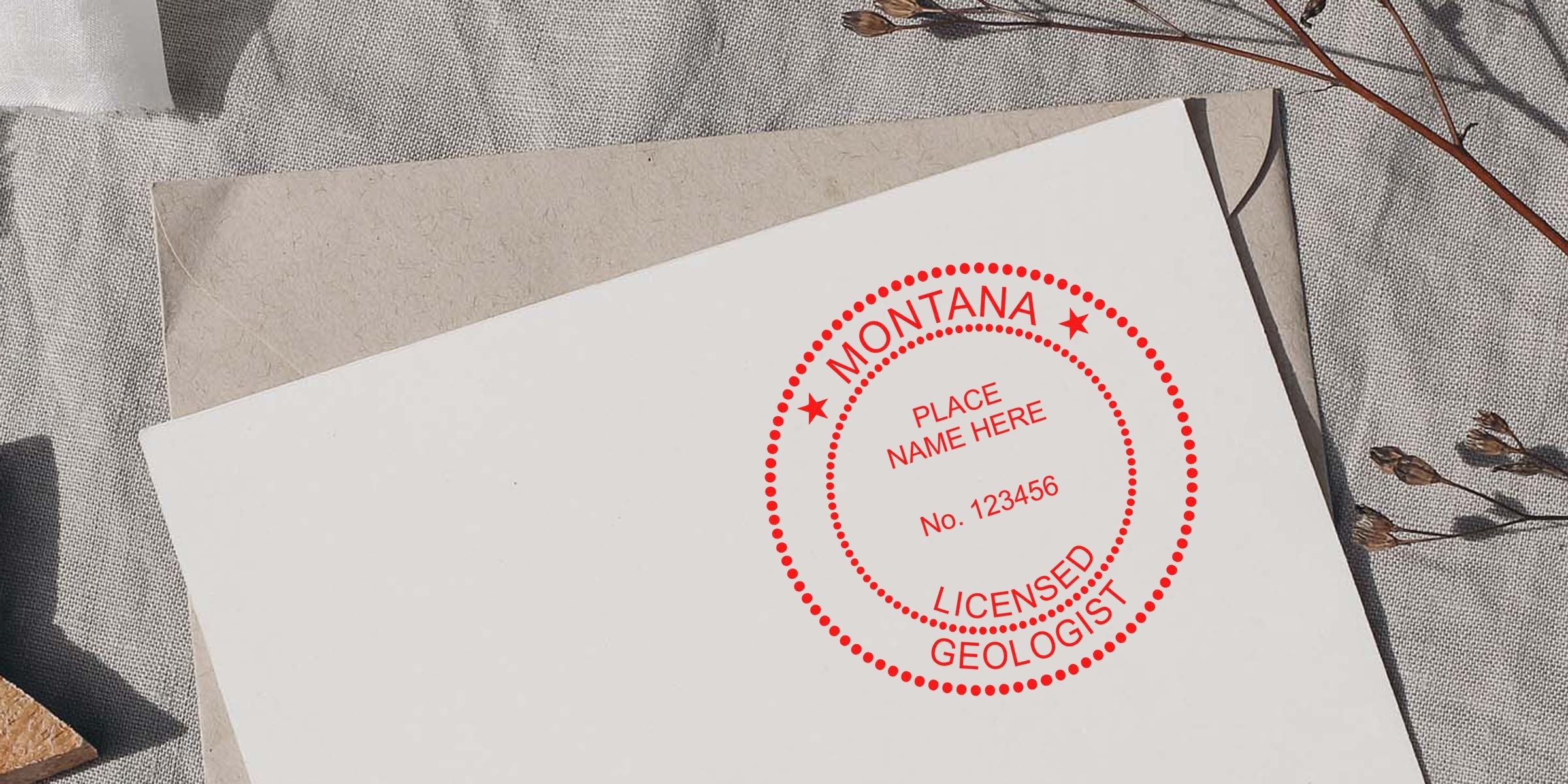
If you have been thinking about picking up a vintage geologist stamp, you are probably after something that blends daily usefulness with a bit of classic charm. Maybe you have seen photos of old metal stamps with crisp lettering and wondered how they fit into modern geological work in Montana. Before you spend money on one, there is a fact about Montana that changes how you should read every listing you come across.
Montana does not license, register or certify geologists. The Department of Labor and Industry, Business Standards Division, publishes the list of licensing boards it administers, and no geologist board appears on it. There is no Montana geologist license, no state issued number, and no rule telling a geologist here what a seal should say or when to use one. For the sources behind that, read Montana Geologist Stamps: Design Yours, Mind the Wording.
Discover the Vintage Geologist Stamp
Vintage geologist stamps have a place with collectors and working professionals alike. They are not only office equipment. They are small pieces of history that show how geoscience presented itself in another era.
Historical Background
Older stamps were often built from hardy materials like cast iron or solid brass, and the weight of them says something about how seriously the mark was taken. When geologists sent out documents decades ago, these stamps added a note of authorship to the page. The sturdy construction and detailed engraving also made them a prized item in an office drawer. That same craftsmanship is what draws people to them now.
Why Collectors Love Them
Part of the appeal is purely aesthetic. The lettering, the borders and the heft of a vintage geologist stamp belong to a different decade of office life. Beyond looks, a well made old stamp still works. If the die is sound and the mount is tight, it will put a clean impression on a report cover today. Collecting them taps into a liking for history and a liking for good tools at the same time.
What Montana Asks of a Geologist
Nothing, as far as seals go. Montana Code Annotated Title 37 covers professions and occupations and has no geology chapter. The seal and stamp duties that do exist in that title belong to engineers, land surveyors, architects and landscape architects, which are separate credentials with rules of their own. None of them is a geologist credential, and none of their seal rules carries over to geology work.



The Role of the Stamp
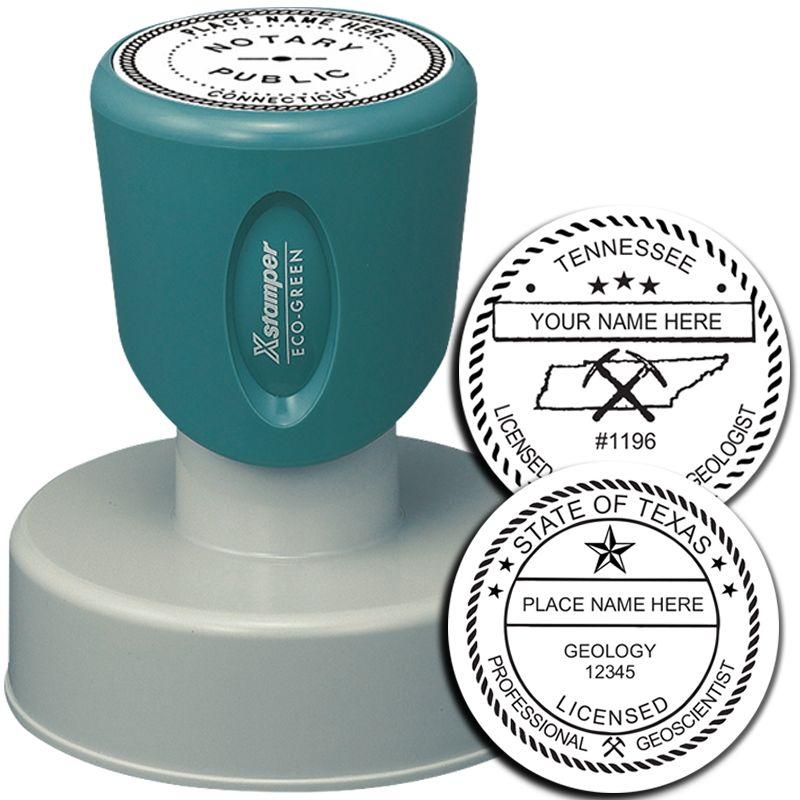
So a stamp in Montana marks authorship rather than licensure. It sits next to your signature on maps, reports and evaluations and tells whoever picks up the page a year later who prepared it. Because no design is prescribed, a vintage device is on exactly the same footing as a new one, which is unusual and worth knowing. If you want to see how a modern layout reads at actual size before you commit to an old one, look at a montana geologist stamp in a current catalog.
The One Warning Worth Heeding
Old stamps often carry wording from states and eras that had their own credentials, and some of them read like a claim. A vintage die that says Registered Professional Geologist, State of Montana describes a credential Montana does not issue and never has. An antique stamp may also carry somebody else's name or number, which makes it a display piece rather than a working tool. Before you use an old stamp on a real deliverable, read the impression carefully and ask whether every word on it is true of you today. If it is not, keep the piece for the shelf and order a working mark with your own name on it.
Evaluate Essential Stamp Factors
Choosing a stamp that looks good on your desk and still does the job calls for a little due diligence. People get caught up in how handsome an old seal looks and forget to check whether it prints.
- Legibility: does the text come out clearly when pressed onto ordinary paper?
- Size: does the impression fit beside your signature block without crowding it?
- Durability: will the handle and the mechanism hold up to regular use?
- Accuracy: does every line on it describe you?


Materials and Craft
A vintage geologist stamp that still works usually has wooden handles worn smooth, a brass frame that has stayed true, and a die with clean shoulders. Softly rounded edges are a sign of years of faithful service rather than a defect. If you are looking at something heavily rusted or missing pieces, treat it as a restoration project and not as a tool you will use next week.
Legibility Matters
Nobody wants to send out a report with a smeared mark on the cover. If the print is faint, fresh ink, a clean pad or a careful cleaning often brings it back. If the engraved text itself has worn down, the fix is a new device rather than a repair, because a soft die does not sharpen up again. Always test the impression on scrap paper before you rely on it.
Find a Trustworthy Supplier
You can hunt through antique fairs, auction sites and secondhand shops for a vintage geologist stamp, and that hunt is half the fun. What those sources cannot give you is a device with your own name on it, cut to a layout you approved.
Why Acorn Sales
Acorn Sales has been in business since 1964 and makes professional stamps and seals, including geologist marks. Because Montana prescribes no design, our layouts start from what reads well at the size you choose rather than from a template. Plenty of customers ask for something with an older feel: a heavier border, a traditional typeface, a round mark that would not look out of place on a 1950s report cover. That is an easy request to meet, and the difference is that the finished device says exactly what you want it to say.


Free Electronic Seal
Acorn Sales includes a free electronic seal with your physical stamp. When you are on site or working away from the office, you can drop the image onto a PDF next to your signature rather than printing, stamping and scanning a page. The old device stays on the desk where it belongs, and the digital copy still carries your mark.
Maintain Your Stamp Properly
A vintage stamp wants a little more attention than a new one, but nothing difficult. A few habits keep it pressing cleanly for years.
Storage Basics
Treat it like an antique tool that deserves a good home. Keep it somewhere cool and dry, out of direct sunlight. Moisture corrodes metal parts and strong light fades or cracks a wooden handle. If the original case came with it, use it, since it protects the piece and adds to its interest. A soft cloth wrap keeps dust and scratches off anything that does not have a box.
Routine Upkeep
Clean metal components with a soft cloth or a gentle brush. For heavier ink residue, a small amount of isopropyl alcohol on a rag works, though keep it away from wooden sections. If the metal tarnishes, a mild polish restores the shine, applied carefully so it does not lift the lettering. Once you have tidied it up, press a few impressions on scrap paper and look at them closely before the stamp touches a real document.
Using an Old Mark on Modern Work
You might already think of a geologist's seal as a mark of professional accountability. In Montana it is simpler than that: it is a mark of authorship, chosen by you, with no board standing behind it or over it.
Symbolic Details
Most geologist marks, old and new, carry a name, a professional title and a border. A vintage stamp that once did that job for somebody else can feel like a connection to the people who practiced before you, which is a fine reason to own one and display it. Just keep the distinction clear between the piece you collect and the mark you sign next to.
Making It Work Today
If your goal is a working mark with an old character, the practical route is a new device made to a traditional layout. You get the look you wanted, the wording is accurate, and the impression is sharp from the first press. Pair that with the vintage piece on your shelf and you have both halves of what drew you in.
A vintage geologist stamp can be a handsome object and a link to the traditions of the field. Hunting a carefully preserved antique or having a classic design cut fresh, either way it pays to do the homework first. Check the impression quality, read every word on the die, and buy from someone who will show you a proof.
If you are ready to start, browse the models at Acorn Sales or send us the wording you have in mind. You will end up with a mark that is accurate, prints cleanly, and makes your paperwork look like it came from someone who takes the work seriously.
Frequently Asked Questions
Can I use a vintage stamp in Montana for professional documents?
Yes. Montana does not license geologists and prescribes no geologist seal, so no rule governs what your mark says or whether you use one at all. The only real limit is accuracy: do not use a die that names someone else or claims a Montana credential, since the state issues none.
How do I confirm a stamp is really vintage?
Look for dates or manufacturer markings on the metal parts, and compare the construction to catalogs from the period. A dealer who knows the category can often place a piece by its mount and handle style.
What if my vintage stamp is in poor condition?
It depends on the damage. Rust spots and dried ink usually clean up. A worn or unreadable die does not come back, so at that point the piece becomes a display item and a new device does the working job.
Is an electronic seal worth having?
It is useful whenever a report goes out as a PDF, which is most of the time now. A free electronic seal comes with your Acorn Sales stamp, so the digital copy carries the same mark as the printed one.
Where can I buy ink and accessories?
Acorn Sales carries stamp inks, pads and storage cases alongside the devices, so you can get everything in one order rather than chasing parts from several sources.








