
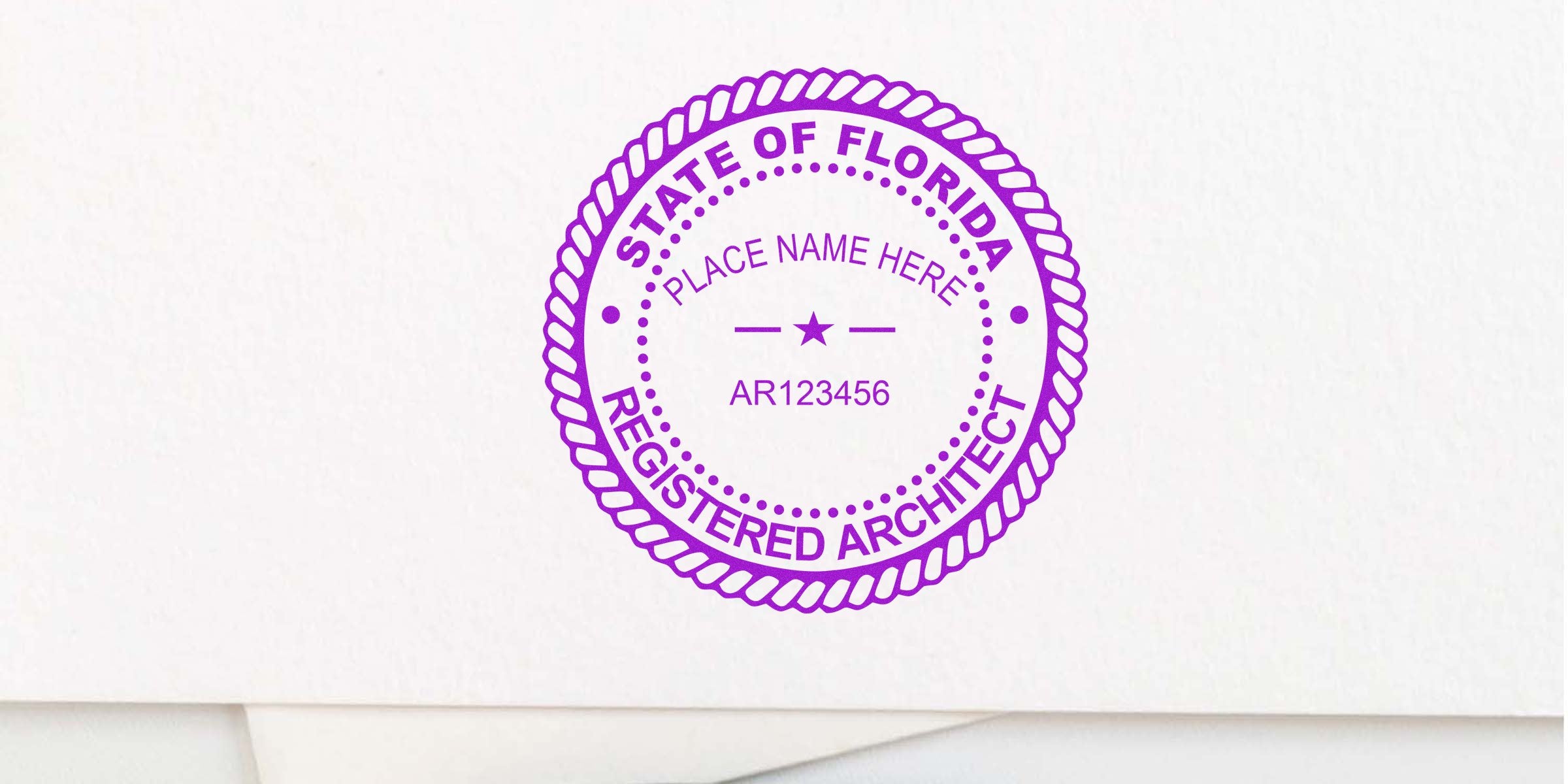
If you’re a Florida architect, you’ve probably heard about florida architect seal size specifications more than once. It may sound like a small detail, but having your seal in the correct dimensions is important for compliance and clarity. In many cases, it also helps your documents look professional at first glance.
Below, we’ll explore the typical size guidelines, why they matter, and how to choose the right seal or stamp for your needs.
Understand Florida’s Seal Requirements
Florida’s Board of Architecture has specific requirements for design professionals. One of the most common guidelines is that your seal or stamp should be legible and conform to standard diameter ranges (often around 1⅞ inches). While the exact measurement can vary, you’ll want to confirm you’re within the acceptable range to avoid potential compliance issues.
Beyond size, be sure your seal contains accurate details, including your name and license number. If you need a refresher on best practices, check out florida architect stamp requirements for more insight.
Follow The Common Dimensions
Why all this talk about size? It’s not just a formality. A clearly visible seal simplifies any verification process and ensures your documents stay legitimate. Some architects opt for a slightly larger diameter to improve legibility on dense plans, but you’ll want to stay within guidelines so that your seal looks professional.
- Typical Diameter: Around 1⅞ inches
- Shape: Usually circular, reflecting official Florida design
- Text: Clear name, license number, and “State of Florida” wording
Double-check the current rules periodically because regulations can be updated. A quick check before placing your order will help you stay compliant.
Choose Your Ideal Format
Florida architect stamps come in either wood-handle, self-inking, or even digital versions. You might prefer an old-school rubber stamp for its classic feel, or you may need a digital seal for online submissions. Each type offers a different level of convenience.
- Wood-Handle Stamp: Affordable and durable, but needs a separate ink pad.
- Self-Inking Stamp: Convenient if you stamp frequently.
- Digital Seal: Handy for electronic plans, especially if you submit online.
When you’re deciding on the style, factor in how often you plan to stamp and whether you need to sign and seal documents remotely.
Get A Trustworthy Supplier
Picking the right supplier is just as important as following the state’s guidelines. At Acorn Sales, we’ve been creating Florida Architect Stamps and Seals for over 60 years. We understand the importance of quick turnaround and state-compliant details. From physical embossers to digital seals, we’ve got options that suit every preference. Our products are made to ensure clarity and longevity, so you can feel confident you’re getting a high-quality stamp every time.
The Florida Administrative Code outlines specific rules for architects, including seal requirements. You can also review florida architect stamp requirements and consult your state board’s official documentation.
Remember, a properly sized and clear seal isn’t just about regulatory compliance. It’s also your professional mark of authenticity. And if you’re ever unsure, you can turn to Acorn Sales for quality stamps and seals that align with Florida standards.
Frequently Asked Questions
What is the standard size for a Florida architect seal?
Florida generally recognizes a seal diameter of about 1⅞ inches, keeping your name and license number readable in official documents.
Can I use a self-inking stamp for my seal?
Yes. Self-inking stamps are allowed as long as they meet the state’s requirements. They’re a popular option for architects who need to stamp numerous documents day to day.
Do I need a separate seal for digital submissions?
In many cases, you do. Digital seals are accepted so long as they follow Florida’s guidelines and include your name, license number, and other required text.
How often should I update my stamp?
You only need to update your stamp if your license status changes or if the state guidelines change. Always check the official rules before reordering.
Are custom designs permitted if they meet size rules?
Generally, you must use the prescribed layout and wording. Minor design changes like font style might be acceptable if the seal remains clear and follows all guidelines, but confirm with Florida’s Board of Architecture first.








