
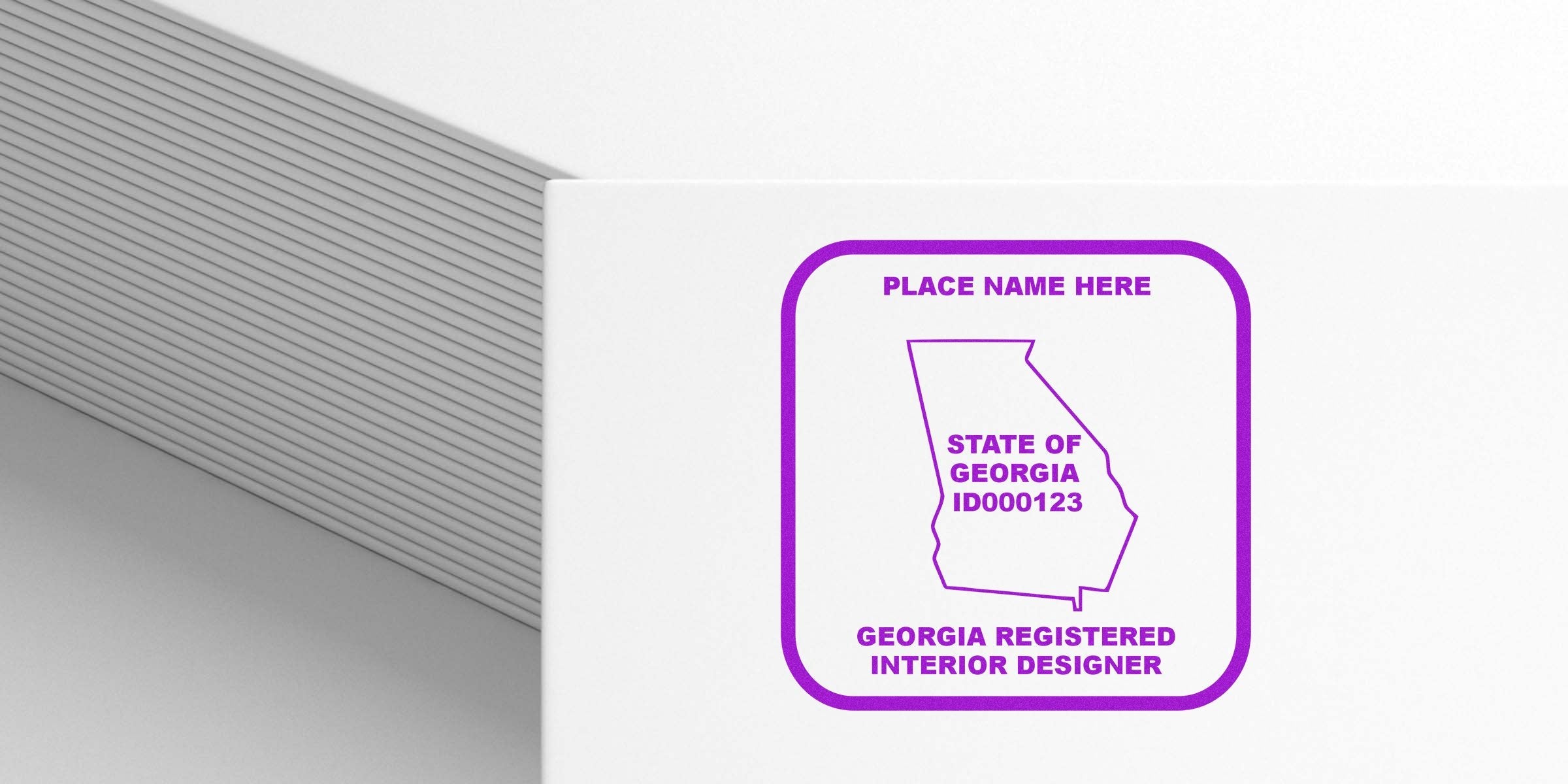
So you’ve heard about Georgia interior designer seal authentication and want to know what it’s all about. Maybe you’re prepping documents for a project in Atlanta, or you’ve just received your interior designer license in Georgia. In any case, understanding how your seal should be acquired, used, and maintained is an important step for every professional interior designer in the state. In this guide, you’ll learn the ins and outs of Georgia’s rules, why these seals matter, and what it takes to keep everything above board.
Discover Georgia Seal Basics
Georgia requires interior designers to apply a professional seal on certain documents to authenticate their work. Think of your seal like a signature that confirms your identity. It shows you’re qualified, and it also vouches that any drawings, plans, or specifications you produce meet state guidelines. Without a proper seal, your documents may be considered incomplete, which can delay a project or even lead to compliance issues.
- The seal is issued only to licensed professionals
- It must be clearly visible on official documents
- It should indicate your name, license number, and the words “Registered Interior Designer” or a similar state-approved designation
You might wonder if your seal is just another box to check. Here’s the thing: a well-authenticated stamp or seal reassures clients, local authorities, and contractors that the plans you create meet industry standards. It’s essentially your professional ID card for everything design-related.
Know the Essential Requirements
Before you go shopping for a seal, be sure you understand the state’s requirements. Georgia’s Board of Architects and Interior Designers has detailed guidelines on things like content, size, and usage. If you want a closer look at these specifics, take a peek at the georgia interior designer stamp requirements. There, you’ll find more about what must appear on your seal and when you need to apply it to your paperwork.
Below are a few must-know points:
- You must be fully licensed by Georgia’s board before ordering or using a seal
- Your seal should be legible, and often there’s a specific diameter to meet
- Some building codes in different counties may require extra endorsements
Additionally, you might see references to both “stamps” and “seals” — usually, these terms refer to the same marking device in practice. The main difference is that a stamp uses ink while an embosser raises the paper. Always review local directives so you’re 100% compliant.
Explore Practical Uses
Your Georgia interior designer seal isn’t just for show. You’ll use it often in your day-to-day projects. From blueprint approvals to final design submissions, here are key scenarios where your seal pops up:
- Architectural Drawings. If you’re designing structural elements alongside architects, your seal may be requested on specific interior-related plans.
- Interior Specifications. These are the detailed documents that describe materials, finishes, and layouts. Your seal helps confirm they meet code.
- Permitting Process. When local officials review your designs, your seal can signal that all interior aspects are professionally verified.
- Client Presentations. While not always legally required, some clients appreciate the peace of mind a sealed plan brings.
In short, if your name is on the drawing, your seal typically should be there too. It shows professional accountability, telling anyone who sees your plans that a qualified designer took careful responsibility for the work.
Ensure Proper Authentication
So how does “authentication” fit into all this? In Georgia, proper stamp-and-sign procedures validate that you personally reviewed or created each design document. That’s where Georgia interior designer seal authentication enters the picture. Typically, you’ll:
- Apply your seal (either an ink stamp or raised seal) to the final document.
- Sign and date right below or across the seal.
- Note any specific disclaimers or project details as required by state or local codes.
Double-check that you’re using the seal on the correct page. Most interior designers place it on each official sheet that contains crucial details, although some municipalities allow just one sheet if clearly indicated. For electronic submissions, you might also need a digital seal or signature file that’s recognized by the reviewing authority. In that situation, your digital seal works much like a physical one, but it’s embedded in the PDF or other electronic format.
This step isn’t just red tape. It ensures nobody can claim your work without your permission. It also confirms you’ve approved the final version of the drawings, avoiding confusion if someone tries to modify your plans later.
Choose a Trusted Supplier
Since your seal is so key to your professional identity, where you buy it matters. At Acorn Sales, we’ve been serving design pros and other professionals since 1964, offering high-quality stamps and embossers that match state standards. You also get a free digital seal with your purchase — a handy bonus that helps you stay current with e-submissions.
What sets a good supplier apart?
- Expert Knowledge. Does the supplier understand Georgia’s interior designer rules and the specifics of your license?
- Multiple Options. Look for a place that sells both traditional stamps and embossers, so you can choose whichever suits your style.
- Durability. A seal is an everyday tool, so invest in a high-quality device that won’t jam or fade after a handful of uses.
- Responsive Service. If something isn’t correct or you need a quick re-order, can they help you in a timely manner?
Remember, a seal that smudges or an embosser that leaves a faint impression can cause real headaches. You want every single mark to look crisp and professional. That’s why it’s important to shop with a trusted source that can confirm compliance with the latest Georgia regulations.
For the most accurate and up-to-date information, consult the Georgia Board of Architects and Interior Designers. They publish official guidelines on licensing, seal usage, and other regulations. For a quick overview of these essentials, visit the georgia interior designer stamp requirements page or talk directly with the licensing board.
By now, you should have a clearer idea of how the Georgia interior designer seal fits into your career. From verifying your qualifications to boosting your clients’ confidence, that small stamp or embosser does a big job. Keeping it secure and using it accurately can save you from all sorts of headaches down the road.
Take a moment to confirm your local regulations, pick a reliable supplier like Acorn Sales for your seal, and start authenticating your design work with pride. If you ever run into questions, consult with state officials or chat with seasoned designers. That way, you’ll rest easy knowing your stamp or embosser is valid, professional, and always ready for your next project. Feel free to share any tips you’ve discovered in the comments, and keep raising the bar in your Georgia interior design journey!
Frequently Asked Questions
Do I need a license before getting a seal?
Yes. Georgia law requires you to be a registered interior designer within the state before you can legally obtain and use a seal. If you’re in the process of getting your license, hold off on buying a seal until everything is officially approved.
Is a digital seal valid for Georgia?
Digital seals are gaining popularity and are perfectly valid if they meet state and local regulations. Acorn Sales provides a free digital seal with your purchase, which is especially handy if you’re filing documents electronically or working with clients remotely.
How do I store my physical seal?
Physical seals should be stored in a secure spot. You can keep them in a locked drawer or safe to protect your professional identity. Remember that unauthorized use of your seal can lead to serious legal trouble, so good security is vital.
What happens if I change my name or license info?
If you alter your legal name, license number, or any detail on your seal, you’ll need an updated version. You can typically order a new seal reflecting these changes using official documentation as proof. Continuing with an incorrect seal can invalidate your files and cause confusion.








