
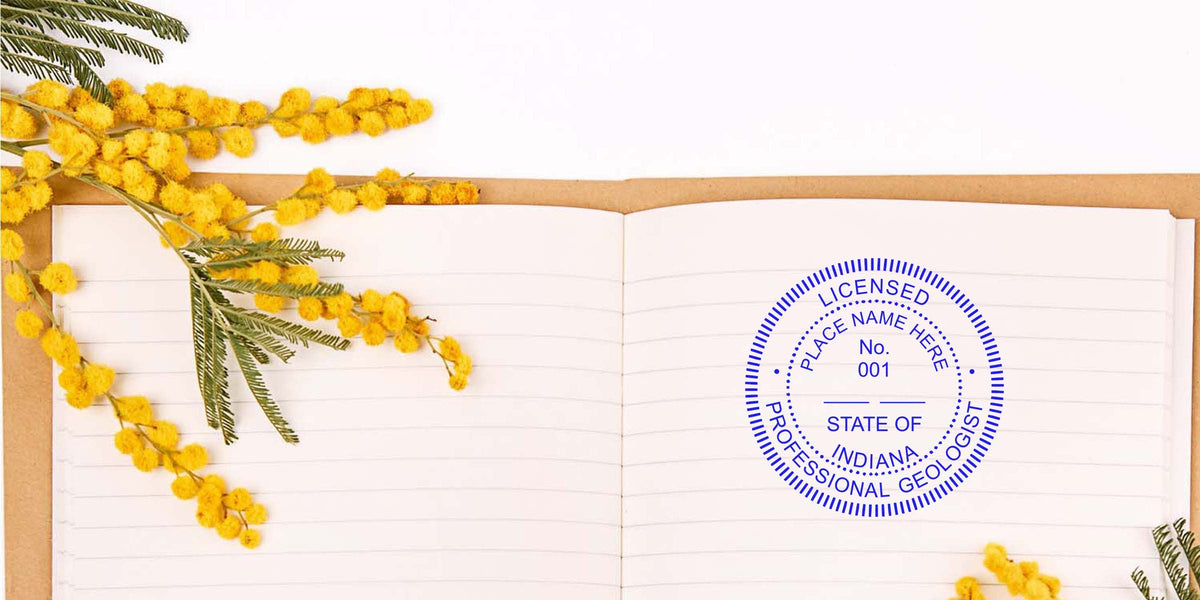
If you’re diving into Indiana geologist stamp requirements, you probably have quite a few questions about how to get your professional seal in order. Whether you’re just starting as a geologist in Indiana or refreshing your current stamp, there’s plenty to unpack—from the design and size to the cost and renewal processes. In this guide, we’ll walk through everything you need to know so you can feel confident about meeting state standards. Let’s get started.
Understand Indiana Geologists
Being a geologist in Indiana means you’re entrusted with responsibilities that directly impact environmental assessments, land use, and public safety. Whenever you interpret soil, rock, or groundwater data, your findings can shape big decisions involving construction projects, resource management, and more.
Because of this, Indiana emphasizes professionalism and accountability. That’s where your official stamp or seal plays a major role. By stamping your reports and documents, you’re effectively saying, “I stand by the accuracy and integrity of this work.” It’s not just a rubber stamp—think of it more like a signature that upholds your credibility.
Why a Stamp Matters
- Demonstrates certification: When someone sees that official impression, they instantly know you’re recognized by the state.
- Builds trust: Clients and regulatory bodies often look for that mark of authority.
- Keeps you compliant: Meeting the rules for an Indiana geologist ensures you’re not putting your practice at risk with missing or outdated credentials.
Meet Indiana Geologist Stamp Requirements
The state wants to ensure geologists present consistent and verifiable credentials. That means there are defined rules about what your stamp should include and how you should use it. These requirements guide how your name, license number, and identification marks appear on your seal impression.
Key Elements to Include
- Your legal name: Exactly as registered with the state.
- Your professional title: “Professional Geologist” or a variant accepted by Indiana.
- License number: Must be readable.
- “State of Indiana” or an equivalent mention of location.
You’ll usually have circular or rectangular layouts, as long as you follow official Indiana geologist stamp guidelines. There might be a distinctive perimeter with the words “Professional geologist stamp, State of Indiana,” or something similar—checking the latest Indiana geologist stamp regulations is a smart step before ordering yours.
Who Oversees Compliance
Indiana’s licensing boards keep these regulations in motion. So, if you’re unsure about your final design, size, or wording, it never hurts to confirm details in official documentation (or reach out to the board directly). By following proper Indiana geologist stamp requirements and verifying with the authorities, you’ll avoid costly reprints or worse, legal penalties.
Choose Your Seal Design
Once you know what must be included on your stamp, it’s time to consider the actual look. If you’re getting a physical seal, it’s worth using an approved layout to avoid technical snags.
Popular Design Formats
- Circular layout with a state outline inside.
- Rectangle or square featuring the state name along the top edge.
- Stylized crest with “Professional Geologist” around the border.
Each approach meets the Indiana standard as long as it follows the Indiana geologist seal design guidelines. Beyond shape, pay attention to clarity. Fine details can turn fuzzy over time, so balanced spacing around text can help your seal remain readable.
Where to Find Specifications
To get the exact measurements or sample images, you can consult the Indiana geologist seal specifications. The state often defines a minimum diameter or dimension requirement for clarity. Keep in mind that stamping smaller than recommended might lead to an illegible result, which would defeat the purpose of an official seal.
Follow Stamp Specifications
Indiana might dictate precise character sizes, the arrangement of text, or even the outer ring thickness. Although it can feel detailed, the purpose is to maintain uniformity. You shouldn’t have a stamp that looks drastically different from another geologist’s.
Exploring Stamp Size
Many geologists look for standardized sizing that’s large enough to read but still fits neatly on their documents. Typically, a 1⅝-inch (or 2-inch) diameter is common, although you’ll find more specifics at Indiana geologist stamp size. When in doubt, err on the side of slightly larger text for maximum clarity.
The Digital Edge
Some boards allow digital seals. Digital versions can be helpful when you’re working remotely or sending electronic documents. This option is growing in popularity due to the convenience of stamping PDFs without needing to print and scan. Just be sure you follow Indiana professional geologist stamp rules for e-stamps and maintain some form of security (like a password-protected PDF or secure signature software).
Factor In Costs and Renewal
Stamp expenses vary based on materials, design complexity, and whether you’re getting a physical or digital version. You could also face ongoing costs for renewals or if you choose to switch providers. Let’s break it down a bit:
Typical Cost Breakdown
- Physical stamp: Price depends on handle style, self-inking features, etc.
- Digital stamp: Generally offered free by some companies, especially when purchasing a physical one.
- Shipping/handling: If you’re in a rush, expedited shipping can bump up costs.
- Optional extras: Ink refills, protective cases, or color upgrades.
Curious for a deeper look? Check out Indiana geologist stamp cost to see average price ranges and tips on getting good value.
Renewal and Expiration
Like many professional credentials, your geologist license and stamp usage could be subject to periodic renewal. Each time you renew, you might need to confirm that your stamp or seal design is still valid. For tips on this up-front, head to indiana geologist stamp renewal. It’s a good idea to set a reminder a few months before your license expiration date, so you have a buffer to renew on time, without rushing.
Get a Seal Embosser
While ink stamps are common, some prefer an embosser for a more professional appearance. Embossing impresses your details directly into the paper, which can deter tampering. Check with your client or agency first—some prefer the crisp readability of printed ink, while others appreciate the authenticity of an embossed imprint.
If you’re interested in going that route, you can learn more about the indiana geologist seal embosser. Keep in mind that embossed seals sometimes need to be inked over or tinted if you’ll be scanning or photocopying. Otherwise, the raised lines might not show well in digital versions.
Select Your Trusted Supplier
Choosing the right stamp provider plays a huge part in ensuring accuracy. You want someone who understands the latest rules, consistently delivers high-quality impressions, and ideally offers both physical and digital products.
Consider Acorn Sales
One name that often comes up for Indiana geologists is Acorn Sales. We’ve been in business since 1964, and over the decades, we’ve fine-tuned our craft for professional stamps and seals. Here’s what you can expect:
- A free digital seal with many of our packages, simplifying your electronic filing.
- Competitive pricing on bulk orders or custom designs.
- Guidance on Indiana geologist stamp regulations to help ensure compliance.
If you’re looking to order, confirm that your specific text layout fits the indiana geologist stamp guidelines so you get a correct seal on the first go. Always remember to double-check your name, license number, and any official wording before finalizing.
We’re biased, but Acorn Sales has served professionals since 1964 and offers a free digital seal with many packages. We also provide guidance on compliance topics like indiana geologist stamp regulations.
Final Thoughts
Your stamp is more than just a piece of ink on paper. It’s a symbol of your professionalism, expertise, and dedication as an Indiana geologist. When you follow the prescribed guidelines—covering everything from design to renewal—you safeguard both your practice and the integrity of your work.
If you’re upgrading your current seal or getting your first one, remember to verify all details with the state’s latest rules. Double-check that your name, license number, and official wording align perfectly with indiana geologist stamp requirements. A clean, accurate impression goes a long way in building trust with clients and agencies alike.
On top of that, consider making life simpler by using a reputable supplier. At Acorn Sales, we’ve spent decades perfecting our stamp offerings, and we’d be happy to help you navigate the entire process—from picking the seal size to ensuring you’ve got a free digital version for electronic documents. When you’re ready, take a look at our range of options and feel free to reach out for any assistance. It’s one less thing for you to worry about, so you can focus on what matters most: providing top-notch geological services to your clients.
Frequently Asked Questions
Do I need a physical stamp if I have a digital seal?
Depending on the agency you submit documents to, yes. Some counties still require a physical impression on paper. However, if your documents are fully digital and accepted as PDFs, a secure e-stamp might suffice. It’s best to confirm with local or state regulators.
What size stamp does Indiana recommend?
Many geologists opt for a 1⅝-inch or 2-inch diameter stamp, which usually meets recommended guidelines. For extra clarity, visit indiana geologist stamp size for details.
How often do I renew my geologist stamp?
Your stamp typically remains valid as long as your professional license is valid. For more specifics, talk to the licensing board or check indiana geologist stamp renewal information. Renewal schedules vary, so keep an eye on deadlines.
Can I use a seal embosser instead of an ink stamp?
Yes, you can opt for an embosser if your clients or agencies accept embossed impressions. Just be mindful that the impression might not photocopy well. Learn more by checking out the indiana geologist seal embosser page.








