
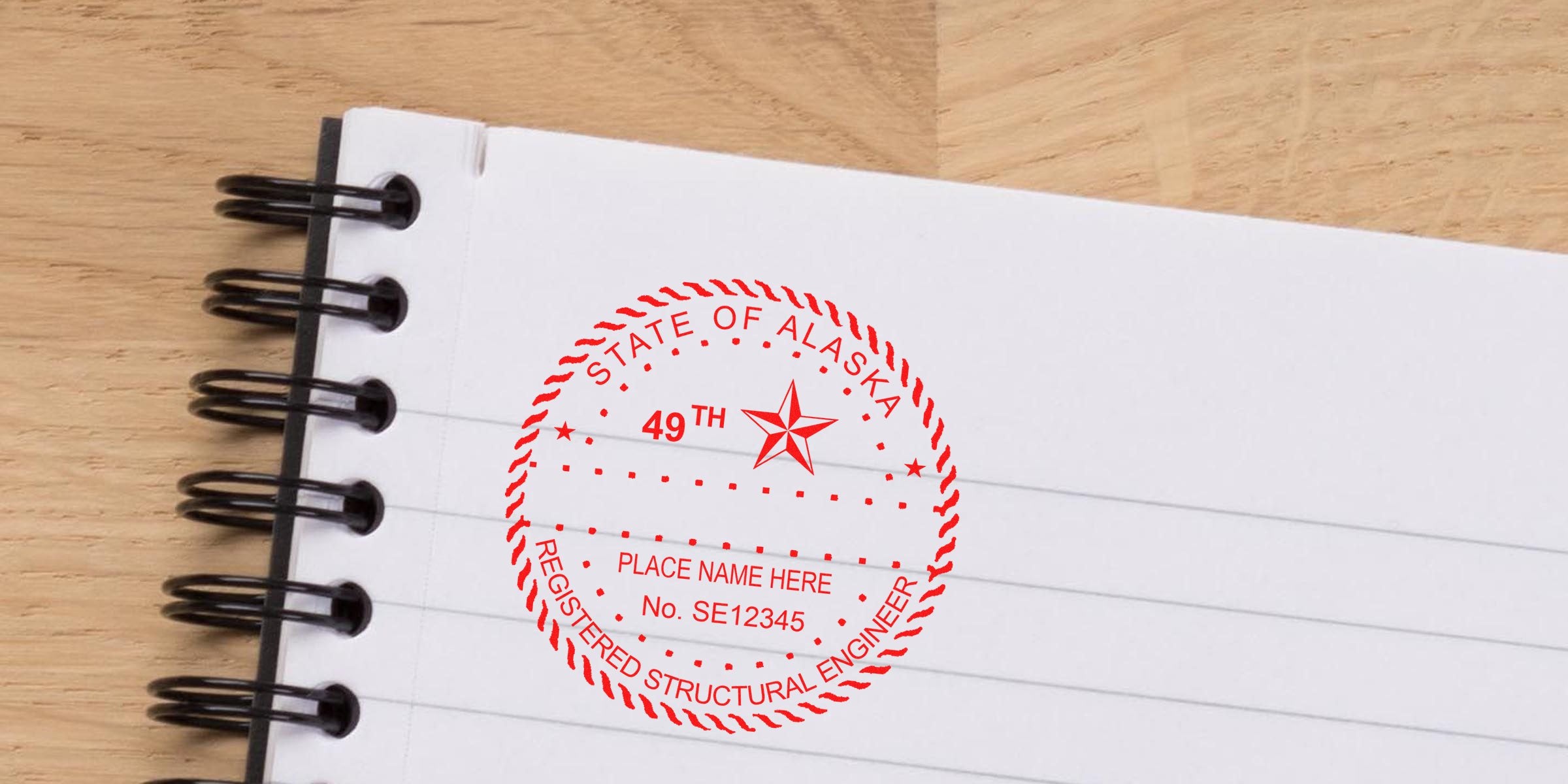
If you’re researching engineer seal Alaska requirements, chances are you want a clear road map for obtaining and using the right stamp for your professional needs. That process might seem a bit daunting at first, but once you understand the basics, you’ll see it’s more manageable than it looks. Whether you’re finalizing a mechanical design or certifying an architectural plan, having the proper Alaska engineer seal makes your work official in the eyes of the state. And don’t worry, you’ve got options that include both physical stamps and electronic versions.
Beyond the rules and regulations, you also want to know where to find a reliable supplier. That’s why we’ll chat about recommended resources, such as Acorn Sales, which has been trusted since 1964 to deliver high-quality seals and stamps nationwide. If you’re unsure about licensing requirements or wondering if an electronic seal is acceptable, you’re in the right place. By the end of this guide, you’ll have a better grasp of how to comply with Alaska’s rules, keep your professional documents in order, and pick the right seal solution for your workflow.
Below, we break down each step in a friendly, conversational way. You’ll read about stamping rules, licensing essentials, tips on choosing a reliable seal, and where an electronic option fits into the process. Let’s explore everything from the nitty-gritty of compliance to practical pointers on making your stamp usage as straightforward as possible.
Understand Alaska stamping rules
If the words “Alaska stamping rules” make your head spin, rest assured you’re not alone. Every state has unique guidelines for professional engineers, and Alaska is no exception. Essentially, you must place a recognized seal on all final drawings, specifications, and documents you submit in your official capacity as a licensed engineer. This seal signals that you take responsibility for the design and that your work follows the established standards of public safety and professional integrity.
Why these rules matter
Placing an engineer’s seal is more than just a rubber-stamping formality. It’s your signature guarantee that you’ve personally reviewed and approved the technical details of a design. Alaska’s state board for licensing—often called the Board of Architects, Engineers, and Land Surveyors—oversees these regulations to ensure ethical practice. The seal helps clients, agencies, and regulatory bodies track accountability if something goes wrong. In other words, your seal shows you stand behind your calculations and final output.
When you know the engineer seal Alaska requirements, you’re equipped to handle your projects with confidence. It eliminates guesswork about whether you’re including all the necessary elements in your official documents. Plus, adhering to these rules can help you avoid costly delays or rejections when you file project plans with state or local permit offices. Simply put, understanding the guidelines from the start will save you time, budget, and hassle down the road.
Explore license requirements
Before you can apply a seal, you’ll first need the proper license as a Professional Engineer (PE) in Alaska. While every engineering discipline shares core requirements (education, experience, exams), each field might have minor variations. For instance, chemical engineering licensure might require different exam focuses than structural engineering. But at the heart of it, all PE candidates must meet certain education criteria, gain relevant job experience, pass the appropriate exams, and demonstrate a moral character consistent with the profession’s standards.
Paths to licensing
-
Earn an engineering degree.
- Most PEs start with a degree from an ABET-accredited (Accreditation Board for Engineering and Technology) program. This ensures your education meets recognized quality benchmarks.
-
Pass the Fundamentals of Engineering (FE) exam.
- Often taken right after college, this exam tests your grasp of general engineering principles. Once you pass, you’re referred to as an “Engineer in Training” (EIT).
-
Accumulate on-site experience.
- For Alaska, and most other states, you typically need four years of progressive, relevant work experience under a licensed PE’s supervision.
-
Take the PE exam.
- This discipline-specific exam can be challenging, so studying is crucial. Once you pass, you’re qualified to apply for your full licensure.
-
Submit an application to the state board.
- The Board of Architects, Engineers, and Land Surveyors in Alaska reviews your credentials. If approved, you receive the go-ahead for your official Alaska PE License.
After obtaining your license, you’re officially eligible to apply your professional seal to documents. It’s a good idea to double-check any continuing education requirements in Alaska so your license remains in good standing. Understanding the licensing path ensures that, once you buy or design your engineering seal, you’re indeed authorized to use it on official documents.
Choose a reliable seal
Once you’ve jumped through the hoops of education, exams, and licensure, you can turn your attention to choosing the perfect seal. Searching for a physical stamp or an embosser can feel like picking out a tool you’ll use for the rest of your career, so quality matters. There are a few key factors to keep in mind: state compliance, durability, readability, and yes, turnaround time. After all, if you’re racing the clock to finalize project documents, you need a supplier that delivers your seal promptly.
Supplier considerations
A bonus aspect is finding a supplier you can trust for the long haul, one that knows how to incorporate the specific text or graphics mandated by Alaska’s rules. That’s where Acorn Sales comes in. We’ve been in business since 1964, helping engineers maintain compliance with professional requirements. Our Alaska PE Stamps—like those you'll find at alaska pe stamp—offer everything from crisp impressions on paper to sturdy construction built to last. This ensures you won’t need to replace your seal every few months due to poor-quality parts.
Another factor is the option for personalization. You’ll want your full name, license number, and possibly your discipline (if required) to appear exactly as the state board mandates. A reputable supplier should confirm the details with you before creating the seal to avoid typos or format issues that could invalidate your stamp.
Finally, look for any extra perks. For instance, Acorn Sales provides a free electronic seal with every physical stamp purchase. This is a game-changer if you frequently handle documents electronically. And if you’ve got a tight timeline, you can breathe easier knowing we also offer super fast turnaround times. When you’re up against a project deadline, waiting weeks for a stamp to arrive is the last thing you want.
Consider electronic seals
Physical stamps have been a tradition for centuries, but in our digital era, electronic seals are increasingly popular. Perhaps you submit plans via email or upload them to a project portal. Maybe you’re frequently on the go and appreciate the versatility of editing documents on a tablet. Whatever the scenario, an electronic stamp is a paperless option that aligns with modern workflows.
Benefits of e-seals
-
Quick sharing.
- If you need to attach a sealed plan to an urgent email, a digital stamp can save you time tracking down your physical rubber stamp.
-
Reduced paper clutter.
- An e-seal helps you embrace paperless processes. You can store and archive finals digitally without scanning piles of stamped pages.
-
Flexibility.
- Got multiple offices? Or maybe you work from different client sites? You can apply your e-seal from just about anywhere with a secure device.
-
Top-notch consistency.
- Your digital seal impression remains crisp no matter how many times you apply it, and there’s no risk of ink running low.
Although e-seals are convenient, be sure to confirm the digital submission requirements in Alaska. Typically, that includes secure encryption, a tamper-evident PDF, or an electronic signature that meets state standards. You’ll also want to store your e-seal file safely, using password protection or other security measures so no one else can apply your seal.
Below is a simple table highlighting the differences between a physical stamp and an electronic seal:
| Feature | Physical Stamp | Electronic Seal |
|---|---|---|
| Format | Rubber or embosser | Digital file, often PDF-ready |
| Mobility | Requires carrying stamp | Accessible from secure cloud or device |
| Consistency of impression | Can fade with ink wear | Remains crisp indefinitely |
| Physical storage | Need a secure drawer or case | Stored on a password-protected device |
| Cost considerations | Initial purchase, re-inking | Typically included or low cost, if purchased |
As you can see, both options have their advantages. The best choice often depends on your workflow and personal preference. If you submit many documents online, an electronic seal is ideal. If you prefer the hands-on practice of physically stamping paper, a traditional stamp or embosser might suit you better. In many cases, you might even use both, each in its own context.
Ensure compliance tips
Meeting engineer seal Alaska requirements goes hand in hand with consistent project documentation. When you’re juggling multiple jobs, it helps to have a system in place to avoid confusion. Below are a few practical steps to keep things organized, minimize mistakes, and stay within the state’s guidelines.
Practical steps
-
Keep reference materials handy.
- Go ahead and bookmark or print out the current sealing requirements from Alaska’s licensing board. That way, you can quickly confirm whether new rules have gone into effect.
-
Secure your seal.
- Whether physical or digital, your seal must never land in unauthorized hands. If you have a physical stamp, store it in a locked cabinet. For an e-seal, use a strong password or encryption.
-
Maintain a seal log.
- Jot down each instance you apply your stamp, noting the date, project name, and type of document. This practice prevents mix-ups and can be a lifesaver if questions arise later.
-
Double-check final documents.
- Mistakes happen, especially if you’re rushed. Before you stamp, verify the document is the final version meant for official submission. Correcting errors after sealing can be a headache.
-
Review code updates.
- Engineering laws can evolve over time. Keep an eye on the Alaska state board’s website or subscribe to relevant newsletters, so you’ll know if the board modifies any guidelines.
-
Renew your license on time.
- A valid stamp means a valid license. Set calendar reminders for your renewal date and any continuing education deadlines.
If you stick to these habits, you’ll find the sealing process practically runs on autopilot. And because your seal represents your professional reputation, taking a little extra care never hurts. When you combine organized procedures with a high-quality seal from a trusted source, you can face each project with confidence.
Wrap up and next steps
Once you’ve nailed down the basics, you’ll see that compliance in Alaska is all about being thorough and consistent. From understanding how to become a licensed engineer to choosing between a physical or electronic seal, every step along the way matters. Not only does the right seal improve your efficiency, but it also demonstrates your commitment to professional standards and public safety.
Maybe you’ve been in a rush trying to track down a stamp that meets the engineer seal Alaska requirements. Or perhaps the idea of a paperless e-seal is calling your name. In either case, Acorn Sales can help. We’re proud to have supported licensed professionals since 1964, offering quality seals, speedy turnaround, and a free electronic seal with each physical stamp purchase. By sticking to reputable suppliers and double-checking you meet Alaska’s guidelines, you’ll sail through your next project submittal without a hitch.
From here, your main tasks are simple: confirm your license status, pick the seal type you prefer, and put good habits in place for applying it. Once you do, you’ll find the sealing process easier than you ever expected. Feel free to explore the alaska pe stamp options anytime you’re ready to place your order or want to see different stamp designs.
Feel free to reach out with additional questions or consult Alaska’s board website for the most current information. When in doubt, always verify rules directly with the state board or through a trusted supplier. By staying prepared and informed, you’ll keep your engineering projects running smoothly and your professional credentials firmly intact. Happy stamping!
Frequently Asked Questions
How do I know if my stamp meets Alaska’s official design?
- Check with the licensing board for exact design specs, including the required text and format. A reputable supplier like Acorn Sales will verify that your stamp design aligns with state rules before finalizing.
Am I allowed to use both a physical seal and an electronic seal in Alaska?
- Yes, you generally can. Just ensure your digital seal meets secure encryption and tamper-proof standards. Physical stamps often work in tandem with electronic seals, especially if you handle documents both online and off.
Does Alaska require an expiry date on the PE seal?
- As of now, the seal itself doesn’t carry an expiry date, but your professional license does. It’s essential to keep your license up to date so your seal remains valid. Always check for any new state board announcements on this requirement.
Can I share my electronic seal file with my colleagues?
- Typically, no. You are personally responsible for your seal’s use, so granting access to others can lead to misuse or disciplinary action. Maintain secure control over your seal file at all times.
Do I need a new seal if I change my name or license status?
- Yes. If your legal name or license details change, it’s best to order a new stamp or have your digital seal updated so it matches the official records. Using an outdated seal can lead to confusion or invalid submissions.








