
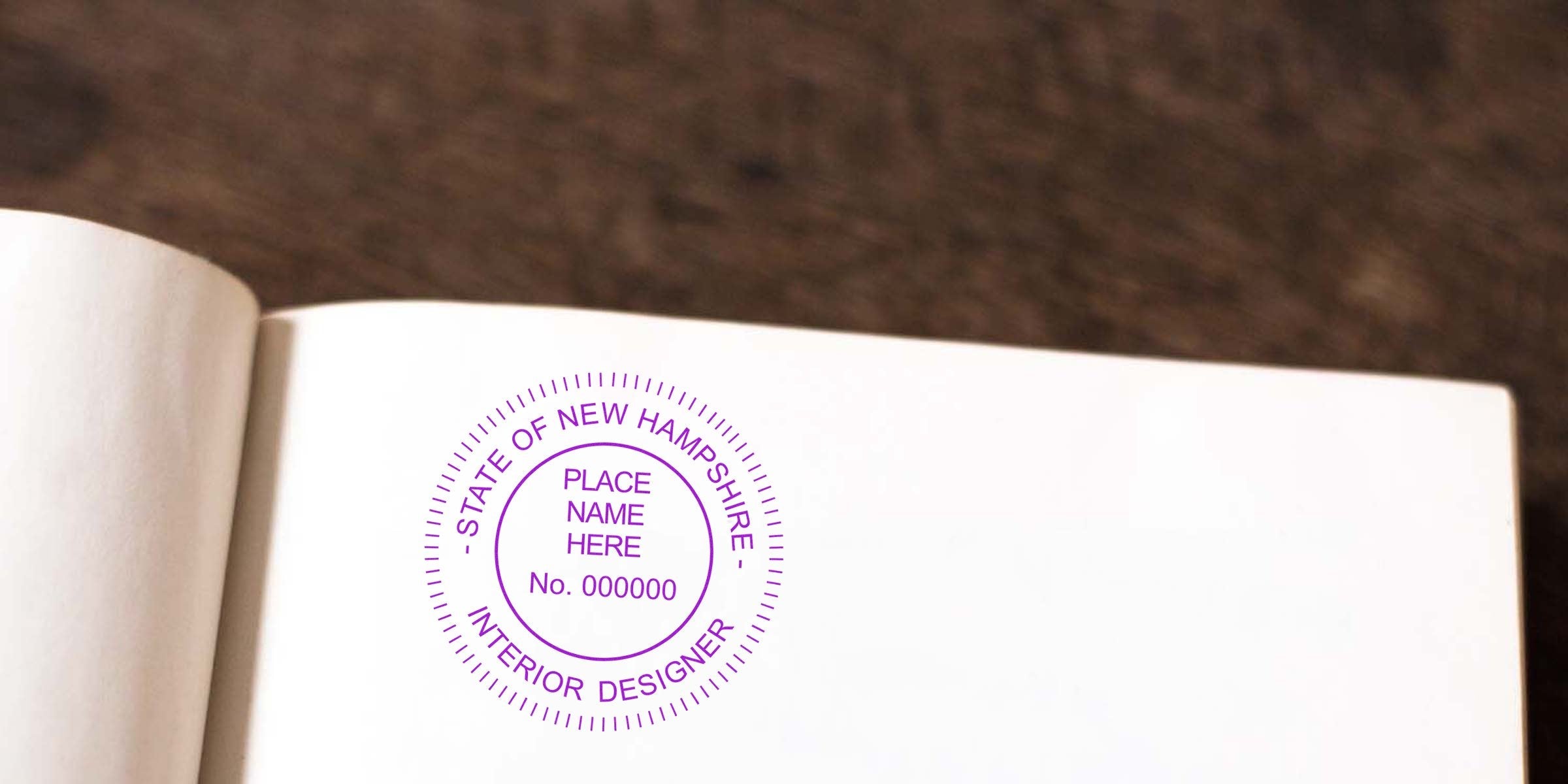
Explore New Hampshire Interior Stamp Purchase
If you are looking at a New Hampshire interior designer stamp purchase, here is the fact that should shape it. New Hampshire does not license, register or certify interior designers. There is no board, no license number and no prescribed seal, so nothing in state law tells you to buy a stamp or dictates what it should say.
That does not make the purchase pointless. It makes it yours. A stamp on a drawing or a specification names the person who released the page, and it does that faster and more clearly than a typed credit line. Designers order them because documents that carry a mark look finished, and because the mark travels well through a client's files, a contractor's set and an owner's archive.
This guide covers what New Hampshire does and does not ask for, how to pick a supplier, what the ordering steps look like, and how to keep the artwork accurate over the years.
Understand Where The State Stands
The Office of Professional Licensure and Certification administers RSA chapter 310-A, the chapter holding the state's design and technical credentials. Professional engineers, architects, land surveyors, landscape architects, natural scientists, foresters, professional geologists, court reporters, home inspectors and septic system evaluators all sit in that chapter. Interior designers do not appear in it. There is no interior designer subdivision, and therefore no seal duty and no seal specification for an interior designer in New Hampshire.
The Purpose Of A Stamp Or Seal
With no state definition to follow, the stamp does what you make it do. Used consistently, it is your professional signature in one impression: this drawing came from me, in this form, on this date. Think of it as the mark on a piece of work rather than a permission slip from an agency.
What Goes On The Stamp
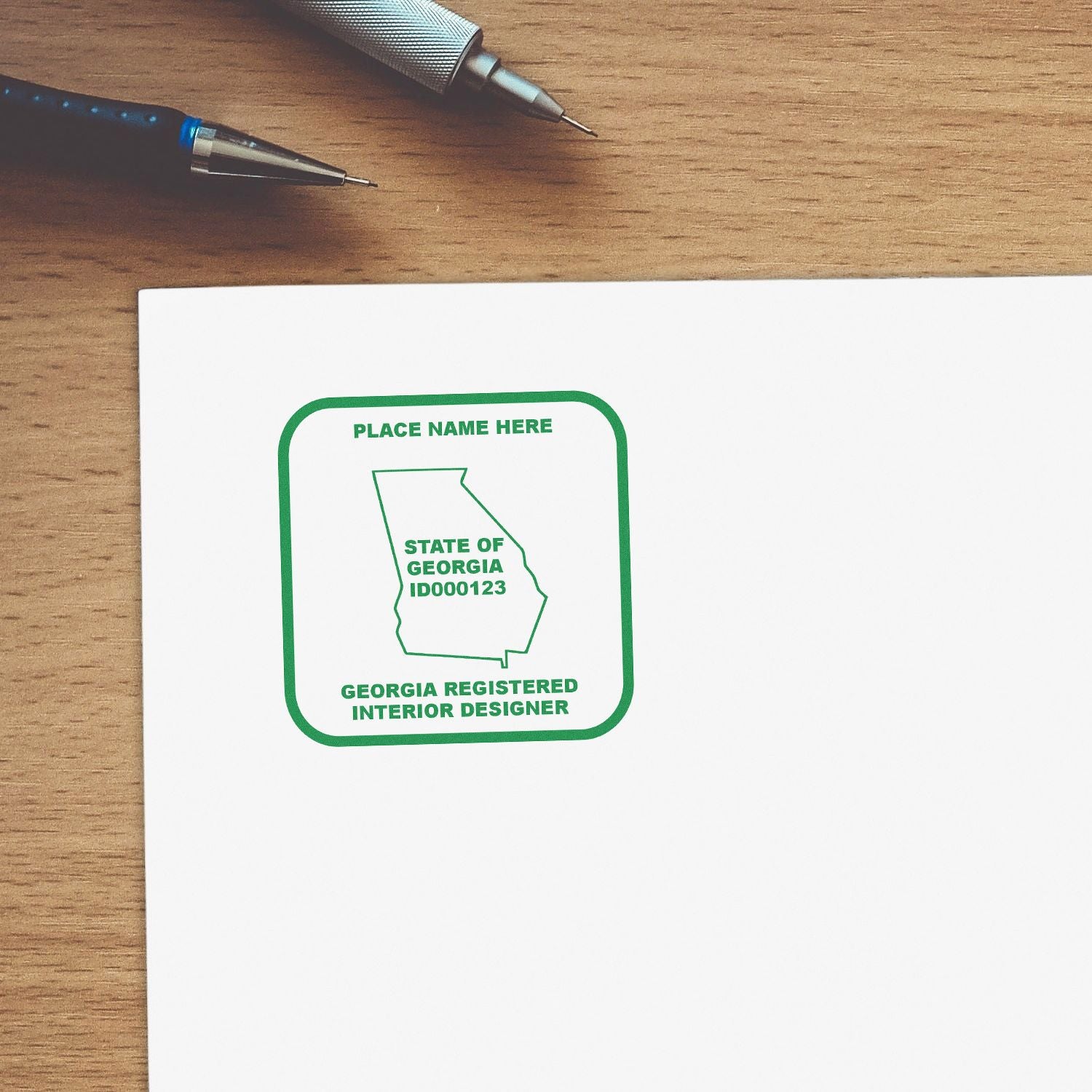
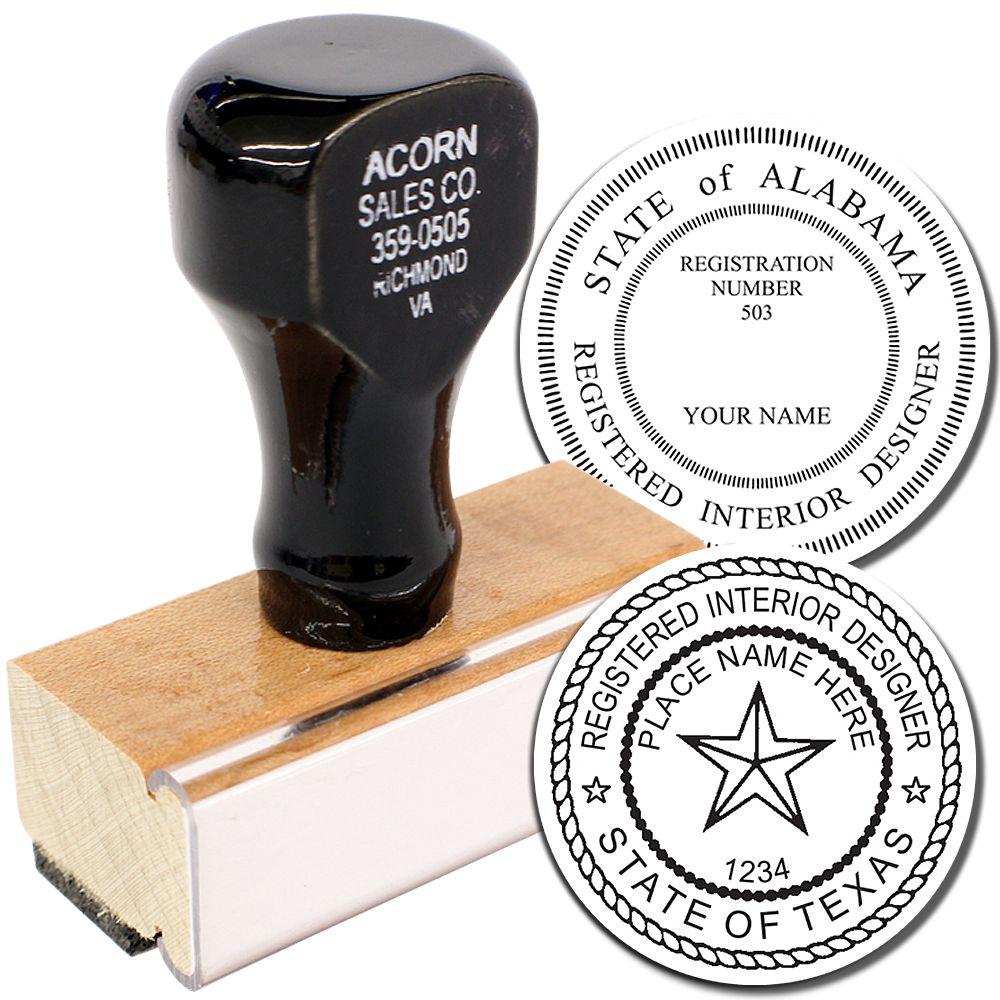
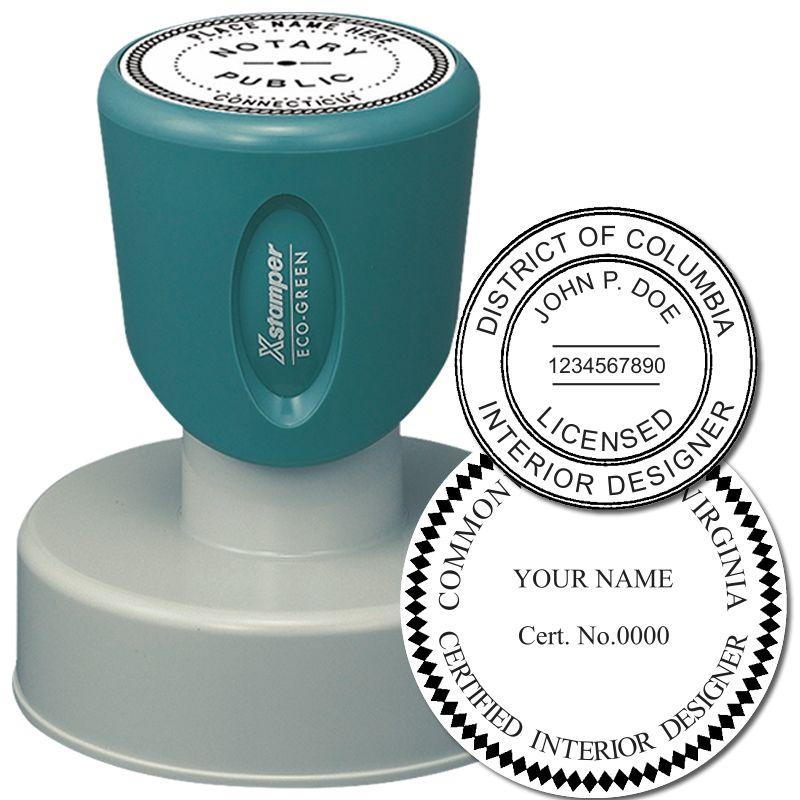
Because no wording is prescribed, the contents are a decision rather than a lookup. Most designers use some combination of:
- Their full name, spelled as they want it read.
- A certification or registration number they actually hold, from a national body or from another state.
- A title line they can support, such as Interior Designer, or a firm name.
The one thing to avoid is wording that implies a New Hampshire credential, because there is none to imply. The chapter checked, and what it contains, is set out in New Hampshire Interior Designer Stamps: Your Call on Wording, with the research notes beside it. If the state ever creates a credential for this profession, that is where it will be recorded.


Select A Trustworthy Supplier
Once you know what you want the stamp to say, you need someone to make it well. Suppliers are not equal, and a faint or uneven impression on a drawing you are proud of is a small daily annoyance you will live with for years.
Why Acorn Sales Stands Out
Acorn Sales has been in business since 1964. Six decades of making stamps and seals builds a certain amount of judgment about dies, mounts and what survives daily use. Firms of every size, from a single designer to a large architectural practice, come to us for professional stamps and seals.
A free electronic seal comes with each purchase. If your documents move as PDFs, and most do, that saves the print, stamp and scan detour every time a client asks for a file. You place the seal image directly on the document instead.
What To Look For In A Stamp Supplier
Compare a few sources and weigh these:
- Quality materials. The impression should come out crisp and even, without flooding or gaps.
- Honest information. A supplier who tells you New Hampshire prescribes nothing here is a supplier worth trusting on the rest.
- Customer support. When something is wrong, you want a person who will fix it.
- Timeliness. Design schedules move. A late stamp is a real problem.
The right supplier takes the second-guessing out of it. You settle the wording once, approve a proof, and get back to the work.




Fulfill The Purchase Steps
Ordering is a short sequence. It is worth walking each step rather than typing quickly, because the die is cut from exactly what you submit.
Step 1: Gather Your Details
Collect your name as you want it to appear and any certificate or registration numbers you intend to include. Check each number against the certificate itself instead of memory. Decide whether a firm name belongs on the stamp. Have your shipping address ready.
Step 2: Choose The Stamp Style
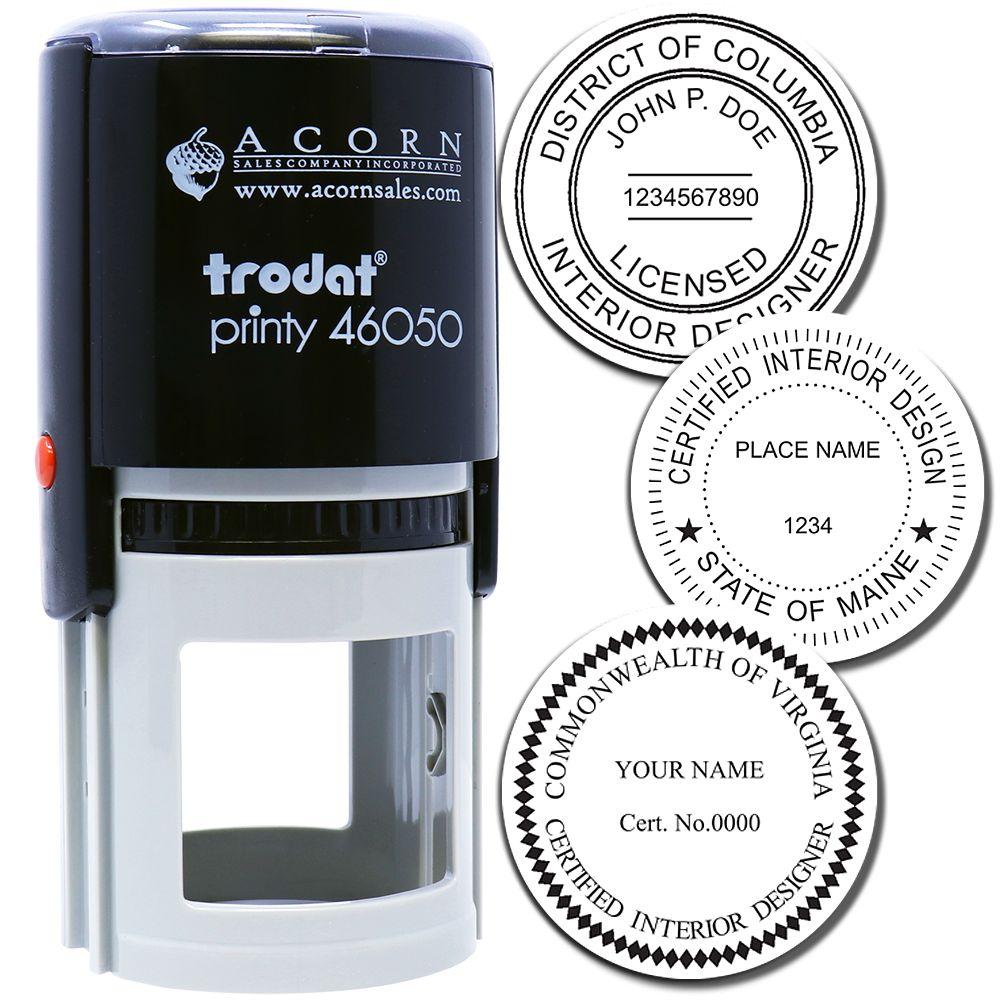
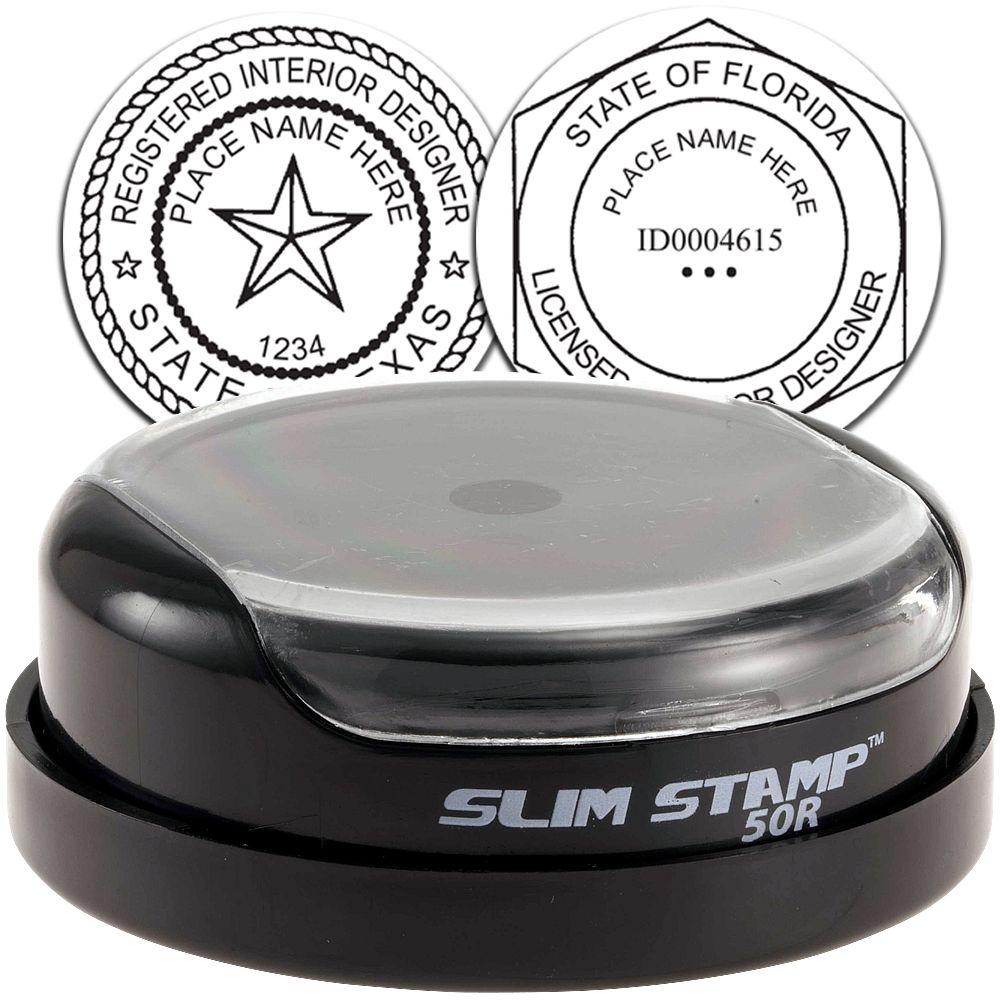
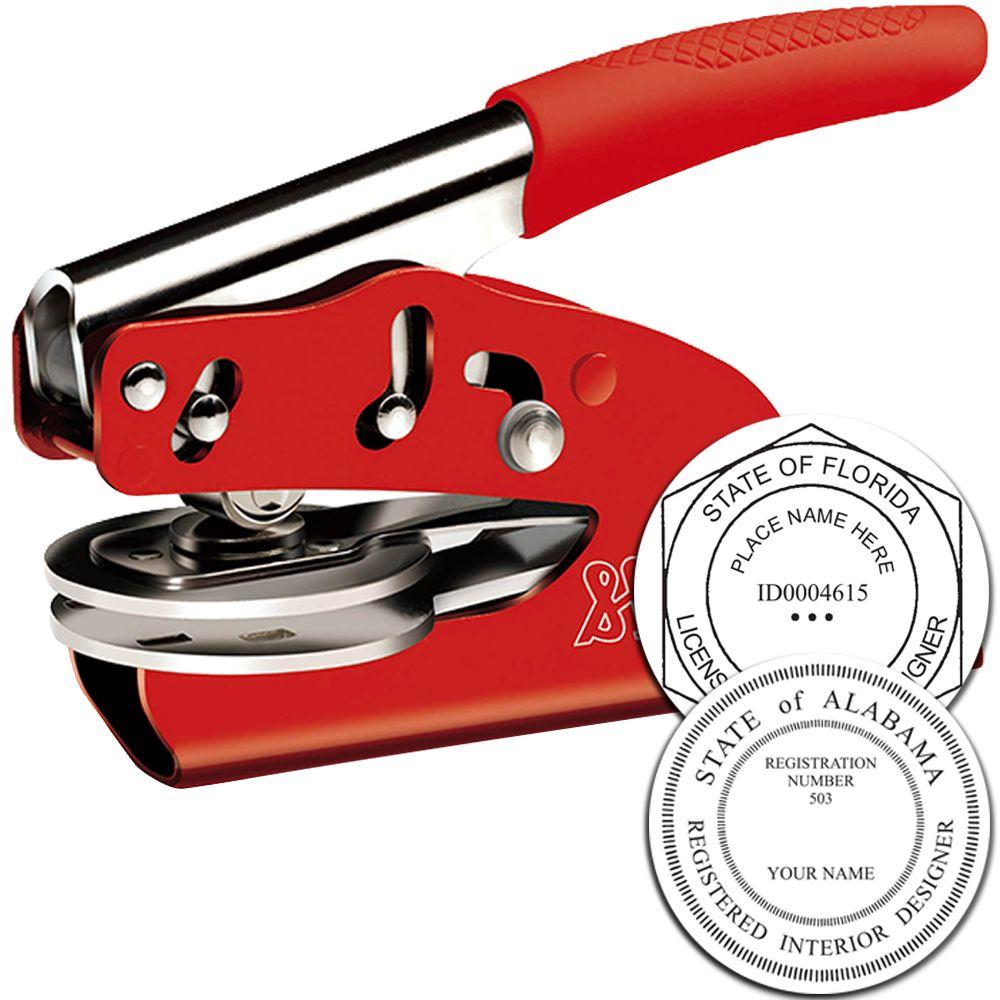
Self-inking, pre-inked or a hand stamp with a separate pad. Each has a use:
- Pre-Inked. Crisp impressions, little mess, good for volume.
- Self-Inking. Built-in pad, good for moderate use.
- Hand Stamp. Needs a pad, usually costs less, and some people prefer the feel.
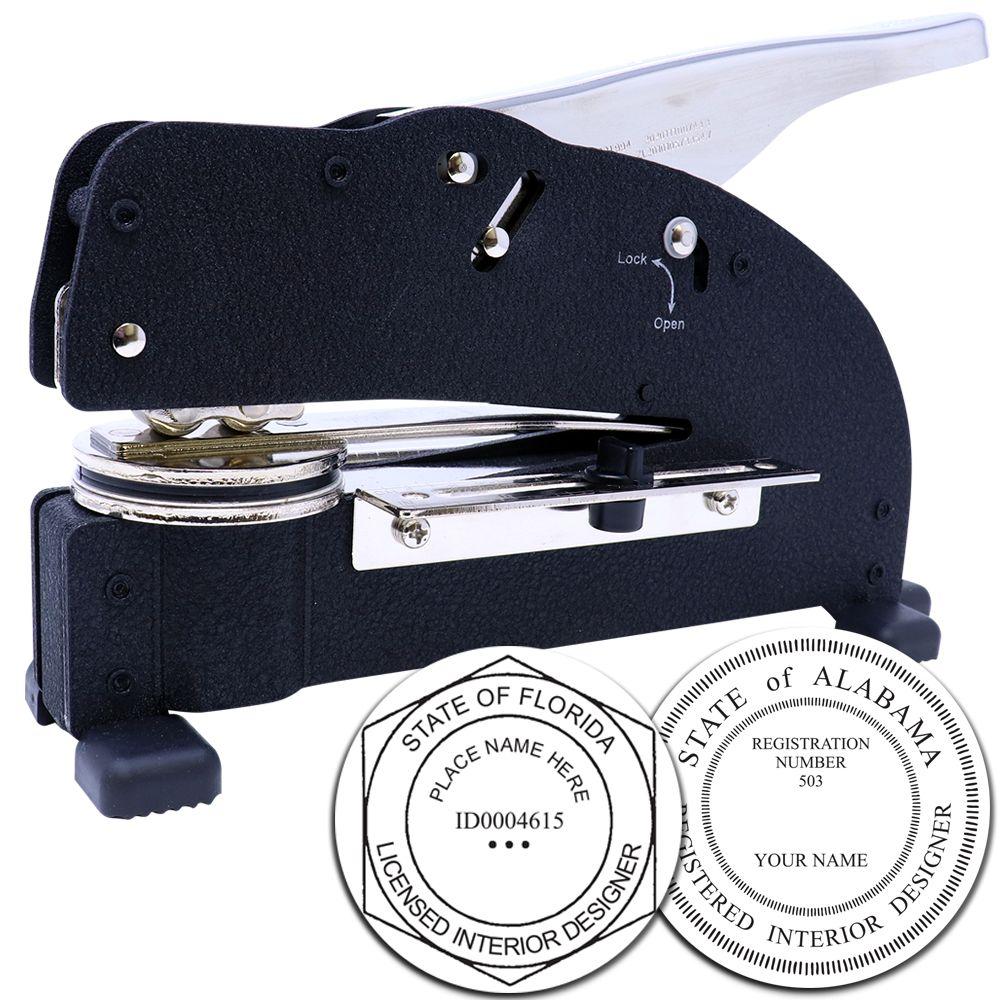
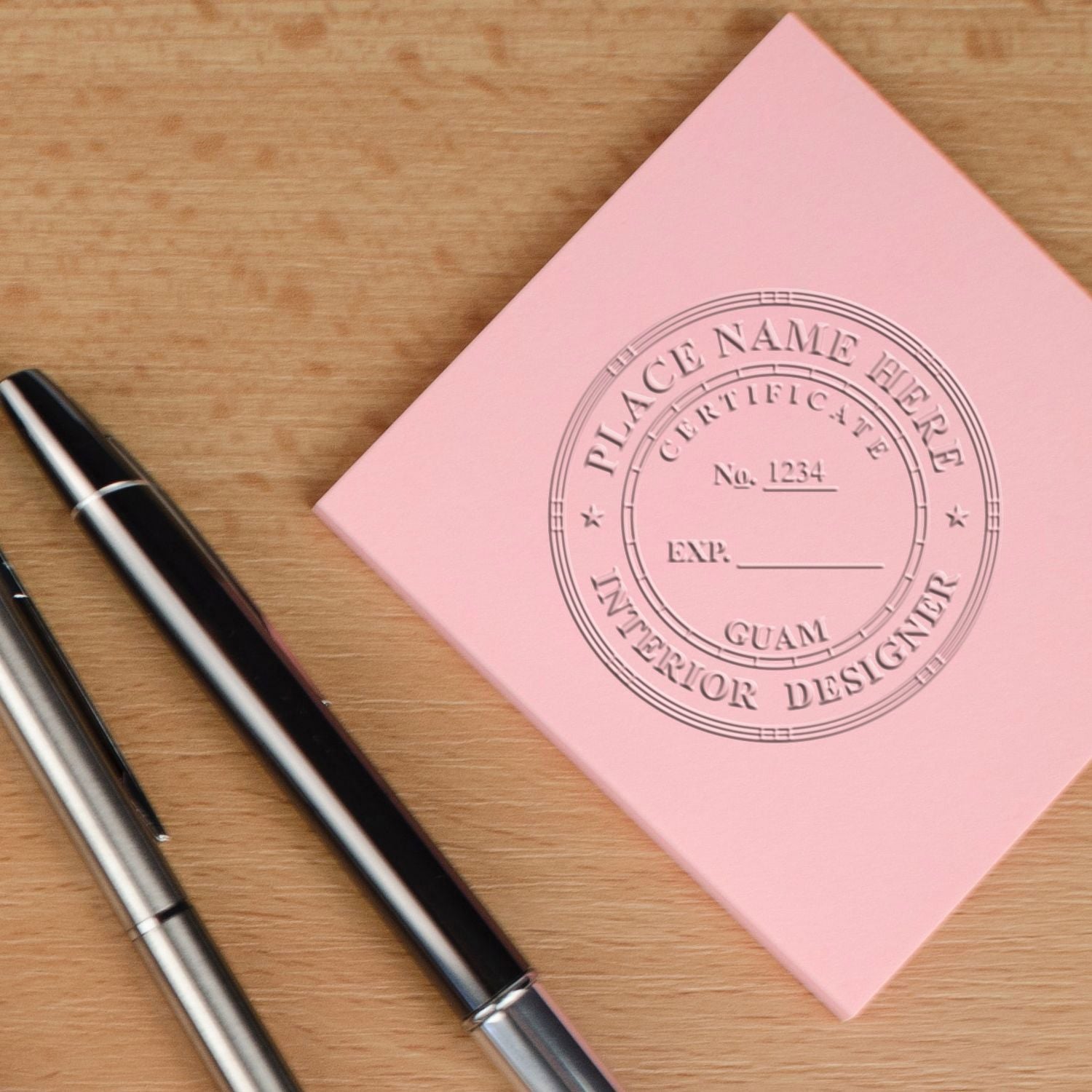
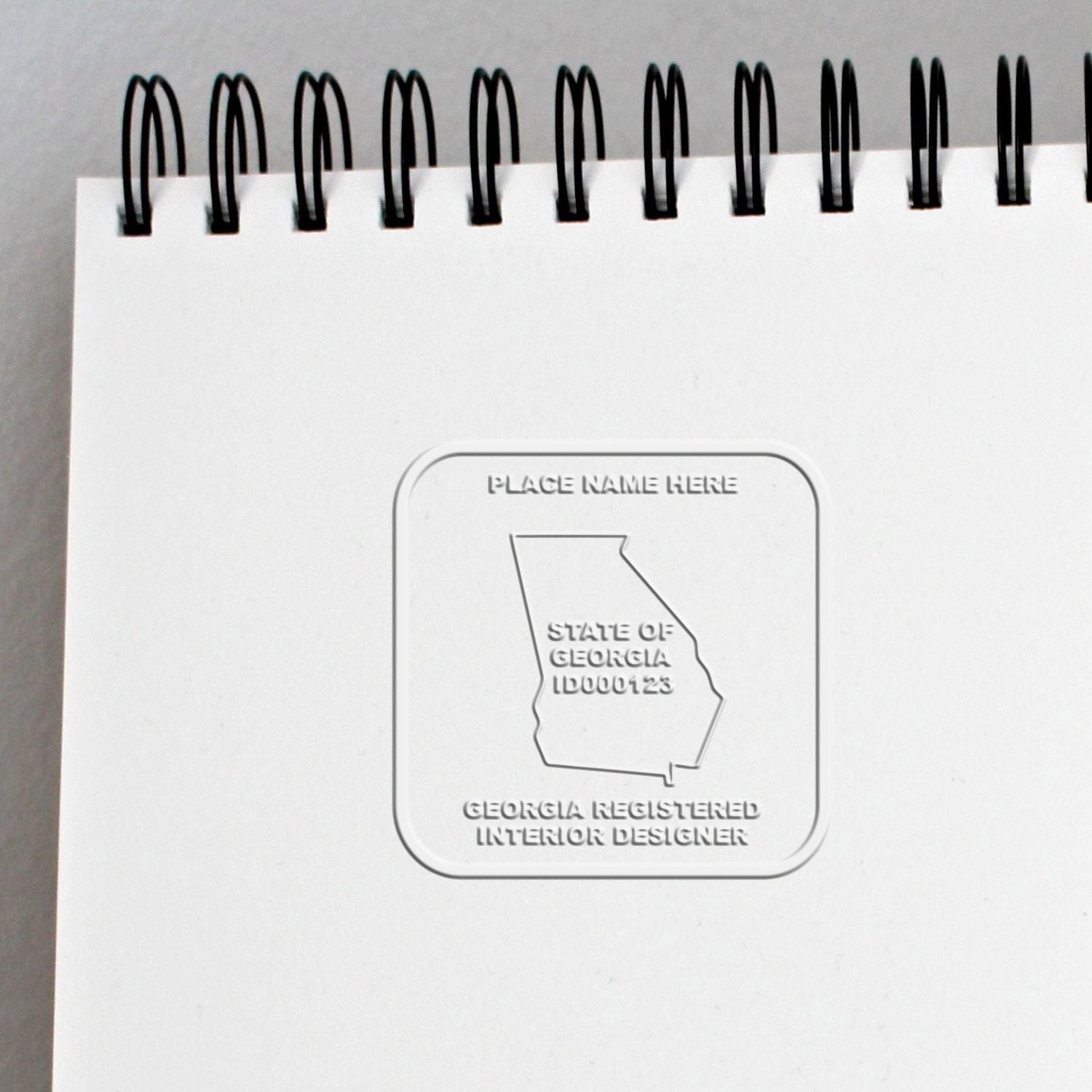
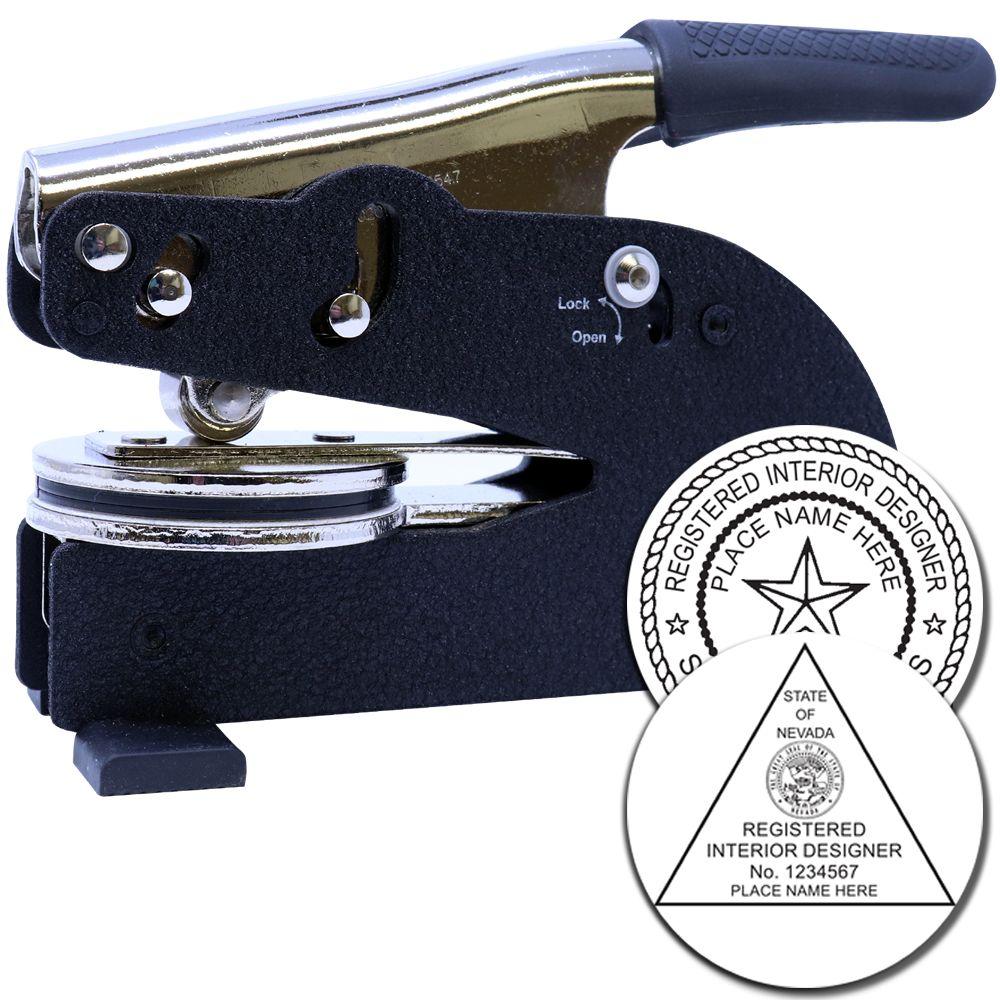
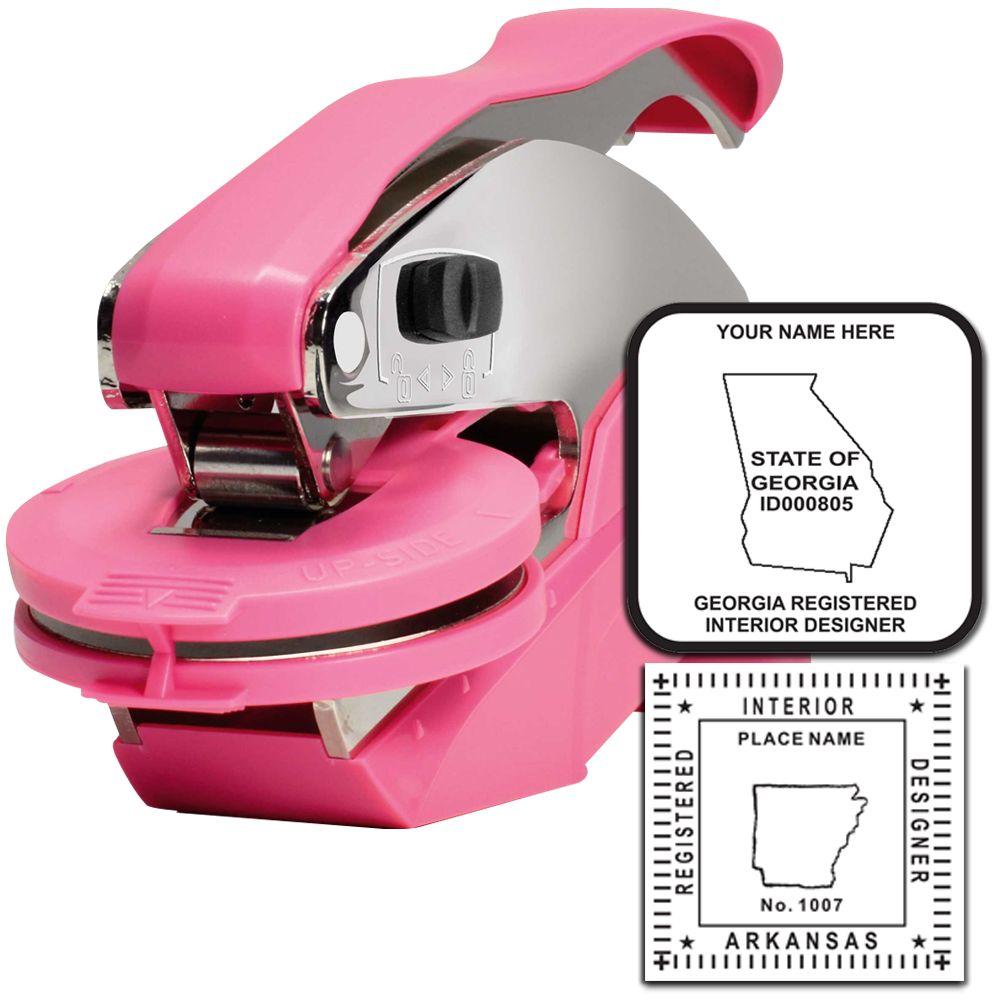
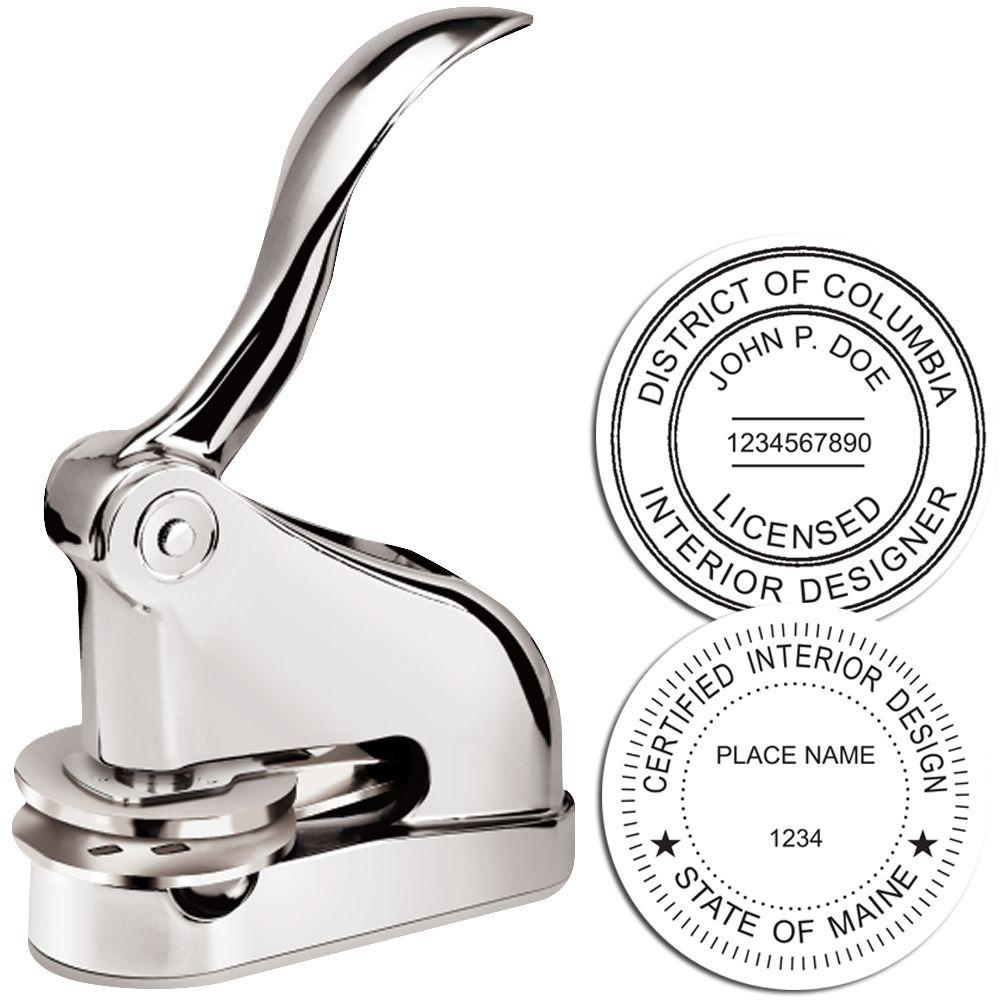
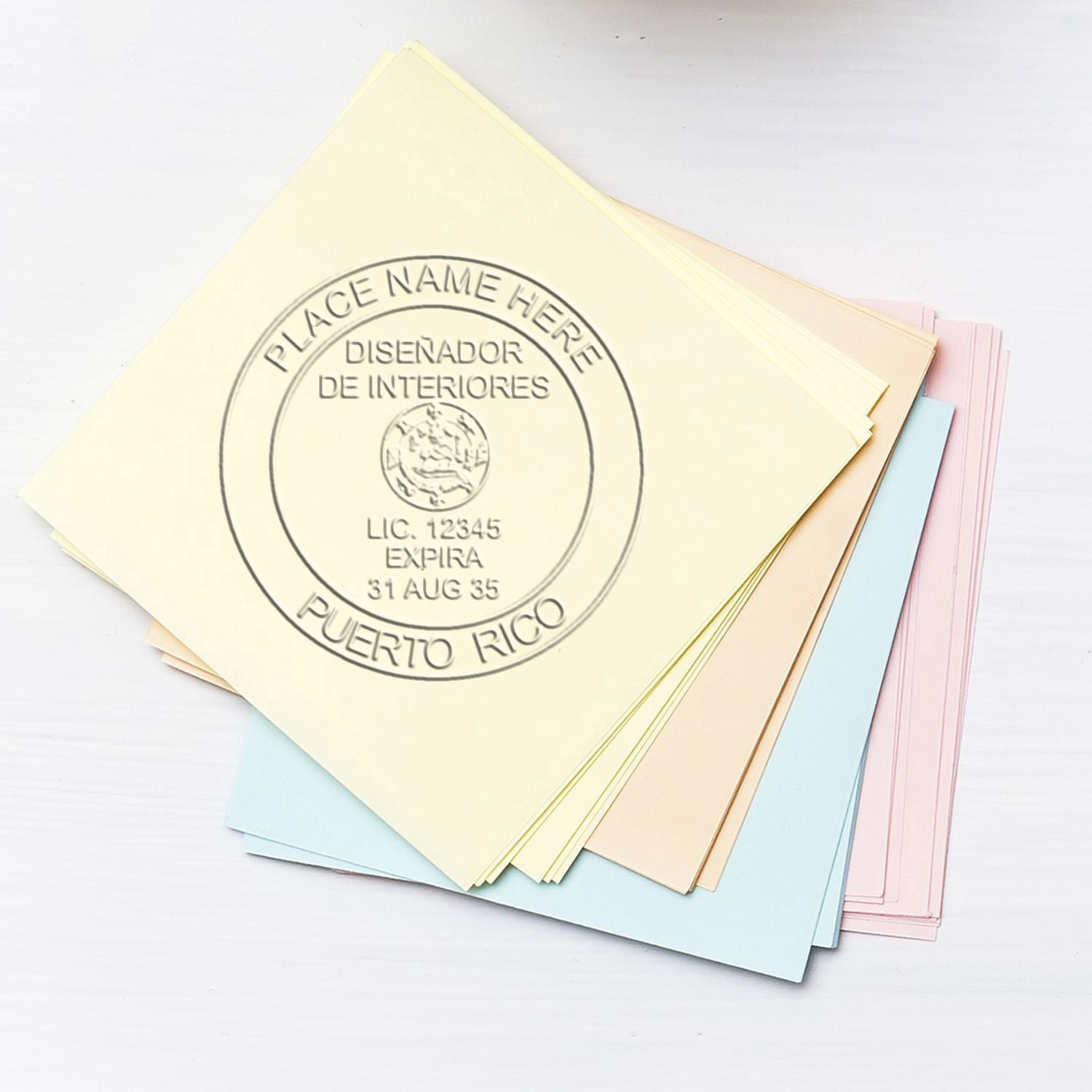
An embosser is the fourth option. It leaves a raised mark that feels substantial on a signed original but does not reproduce well on a scan, so designers who want one often keep an inked stamp too.
Step 3: Confirm Proofs And Approval
A good supplier sends a proof before production. Read it as though someone else typed it. Check spelling, spacing, and every number. Ask for changes freely. Fixing a proof takes a minute, and fixing a finished stamp means ordering another.




Step 4: Finalize Payment And Shipping
Approve the proof, confirm payment and pick a shipping method that matches your calendar. Rush service is usually available for a fee when a deadline is tight. When the stamp arrives, test it on scrap paper and look at the impression edge to edge before it touches a real document.
Use Your Stamp Effectively
Owning the right stamp is half of it. A tilted, half inked impression on a floor plan undercuts the point of having one. Aim for a clean, readable mark in a consistent place on the sheet.
Best Practices For Application
- Stamp on a flat surface. Uneven backing gives you partial impressions.
- Keep the ink up. A faded mark looks careless.
- Press evenly. Too light drops strokes, too heavy spreads them.
Use the electronic seal for anything issued digitally, which keeps the paper and PDF versions of a document looking alike.
Document Storage And Record-Keeping
Keep a digital copy of every stamped document, labeled with the date and the client. If a question comes up later about what was issued and when, that file answers it in seconds.
Keep The Stamp Accurate
The one thing that can go wrong with a stamp over time is that it stops being true. Names change, firms change, and outside certifications lapse or get added.
When To Order A New One
Order a replacement if your name changes, if a number on the die is no longer current, or if you drop the credential the title line refers to. The same goes for the electronic seal, which a supplier can usually reissue quickly. Since New Hampshire prescribes nothing, there is no rule change to chase here, only your own details staying accurate.
Avoid Common Mistakes
- Claiming a credential you do not hold. This is the real risk in a state with no interior design license. Keep the title line to something you can document.
- Copying another state's layout. A format built around a state license number leaves you with a blank you should not fill.
- Letting the impression degrade. Replace before the small text closes up.
- Failing to document. Keep a record of what you stamped, on paper and in files.
Summary Of Key Points
- Nothing is prescribed. New Hampshire does not license interior designers and prescribes no seal for them.
- The design is yours. Wording, size and mount are choices, limited mainly by legibility and accuracy.
- Pick a solid supplier. Quality, honest answers and responsive service matter. Acorn Sales brings decades of experience and a free electronic seal.
- Review your proof. Every character, before production.
- Keep it true. Reorder when your details change.
Buying a stamp in a state that does not ask for one is a small statement about how you want your work to arrive. The documents that leave your office carry your name either way. A clean impression makes that visible, project after project, without anyone having to hunt for a credit line.
Get the wording right, pick a mount that matches how you work, and read the proof before it goes to production. Here is to a long and rewarding design career in the Granite State.
Frequently Asked Questions
Do I Need A Stamp At All In New Hampshire?
No. No New Hampshire board licenses, registers or certifies interior designers, so no rule obliges you to own or use a stamp. Designers buy them because marked documents are clearer about who produced them.
Do I Need To Reorder My Stamp Periodically?
No, there is no renewal cycle attached to it. Reorder only when something on the die stops being accurate, such as a name change or a certification number that no longer applies.
Is A Physical Stamp Enough, Or Do I Need A Digital Seal Too?
Either one works, since the state asks for neither. Most design work now moves electronically, so a digital seal is the more useful of the two for many people. With Acorn Sales you get a free electronic seal alongside the physical stamp, so the choice costs you nothing.
Which Stamp Style Is Best For Frequent Use?
Pre-inked or self-inking. Both keep a clean impression over many uses and avoid a separate pad. A hand stamp with a pad suits lower volume and usually costs less.
What Happens If My Stamp Details Are Wrong?
Contact the supplier for a corrected replacement. An error on the die breaks no state rule in New Hampshire, since nothing is prescribed, but a misspelled name on every document you issue is worth fixing right away.
Why Choose Acorn Sales Over Other Suppliers?
We have been making stamps and seals since 1964, we will tell you plainly what a state does and does not ask for before you spend anything, and a free electronic seal comes with every purchase. To have a layout looked over first, contact us.








