
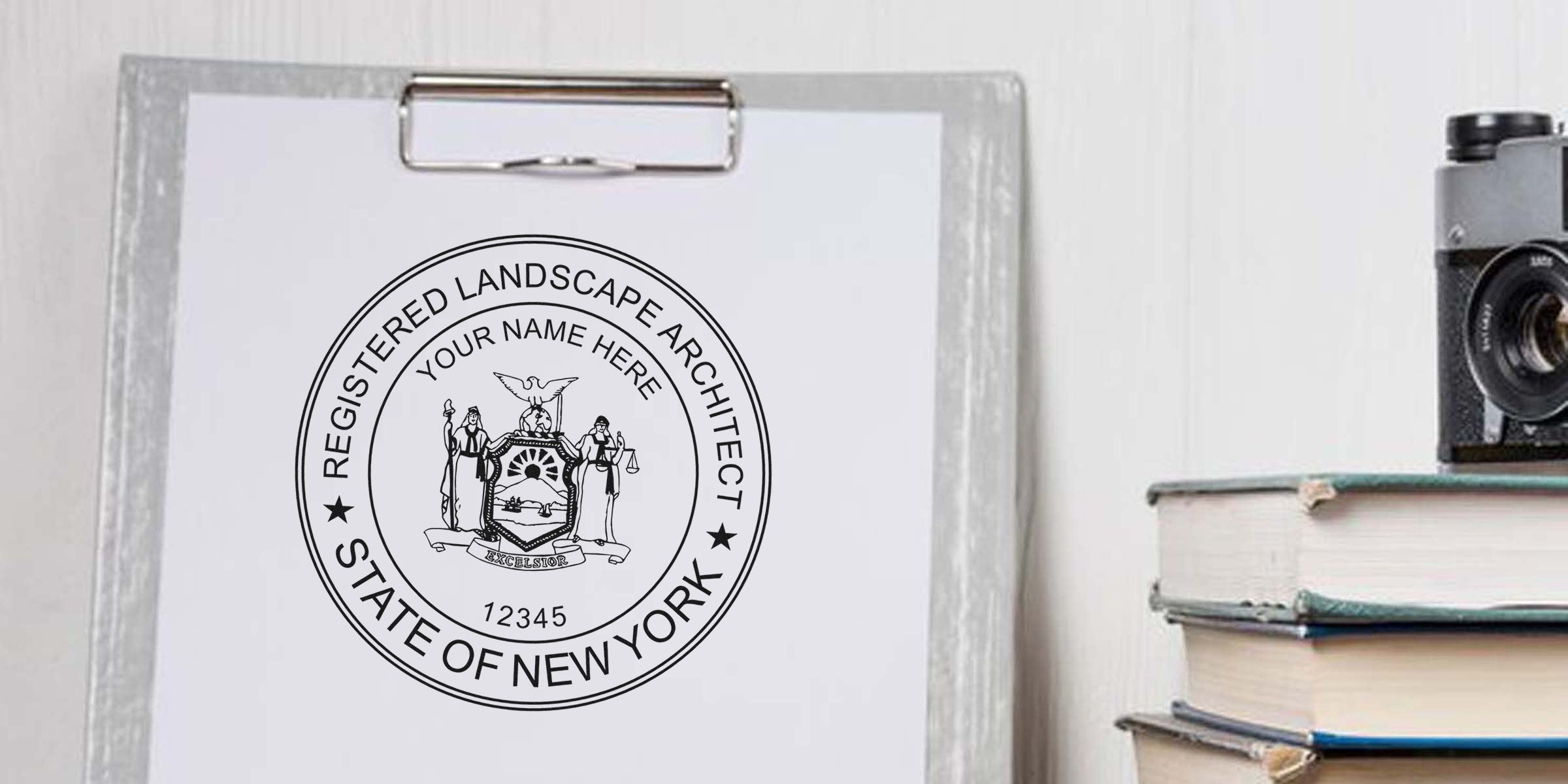
Discover New York Landscape Architect Seal Design
If you’re looking into a New York landscape architect seal design for the first time, you probably have a few questions floating around in your mind. Governance, aesthetic considerations, and practicality all play a role in how you’ll finalize your seal. With so many requirements and design standards, it can feel overwhelming to know exactly what your stamp or seal should look like. Don’t worry, though. This guide walks you through key rules you need to follow, design tips, and best practices to keep your professional seal accurate and compliant.
By the end of this walkthrough, you’ll understand why these seals matter, how to meet the official regulations, and which design elements carry the most weight. Most importantly, you’ll pick up practical techniques for maintaining your seal in tip-top shape so it’s ready for all your project submissions.
Understand Why a Seal Matters
Your landscape architect seal is far more than a fancy graphic. It verifies your license and credentials, allowing clients, public agencies, and peers to trust the work you produce. In New York, that trust isn’t just a courtesy. It’s a requirement if you want your plans officially recognized by local government entities.
A properly designed seal shows you’re functioning within the guidelines set by the state board. It also provides an official mark on your drawings and documents, letting everyone know your license is valid. That’s a big plus for any potential client or employer who wants assurance of your professional standing. Put simply, your seal means you’re upholding a standard of responsibility and expertise.
Review New York State Regulations
Rules on seals aren’t random. They originate from codes that aim to maintain public safety and ensure quality professional work. In New York, these requirements shape everything from what text appears in your seal to how large it needs to be on your drawings.
Who Sets The Rules?
The state’s professional licensing board outlines specifications for landscape architect seals. The board ensures each licensed professional complies with parameters around wording, size, and legibility. You’ll often find these details in guidelines published on official state websites, or in board-issued handbooks.
Where To Access The Guidelines
If you want to dive deeper, you can visit governmental websites or check references that summarize regulatory details for seals. Another smart move is to review New York Landscape Architect Stamp Requirements, where you’ll see updated references on measurements, required phrases, and best printing practices. Doing a quick read-through can spare you the headache of needing to reorder or re-engrave your seal later.
Identify Core Elements Of A Valid Seal
Seals for New York landscape architects aren’t just decorative. The state typically expects certain data to be included in every design. For instance, your name, professional title, and license number must appear. Sometimes the official phrase “Licensed Landscape Architect” or “Registered Landscape Architect” is mandated too.
In addition, the state often has rules about the outer ring of the seal and the space it occupies. You might see a circular seal with a border defining an inner text area, but some professionals choose rectangular or more stylized shapes if they’re allowed. Double-check official guidelines before you go for a unique shape, since not all states are flexible on that detail.
If you see references to “digital seals” or “electronic stamping,” treat these as legitimate parts of your professional toolkit. Not every state board has the same stance on digital usage, but New York typically allows you to apply your authorized seal to PDF drawings and other electronic documents in certain situations. Just be sure you verify acceptance rules.
Consider Key Design Factors
Before you finalize your artwork, it’s best to keep a few design factors in mind. These decisions can influence both the visual appeal of your seal and its compliance status:
-
Size Requirements
- Some boards specify a minimum diameter if you’re using a circular seal.
- Others note a recommended font size to ensure clarity.
-
Text Arrangement
- Typically, your name and license number appear in the center or around the border.
- The state name often wraps around the seal’s perimeter.
-
Font and Lettering Style
- Legibility is key, so most professionals pick a clean, easy-to-read font.
- Avoid decorative typefaces that might blur when stamped or printed smaller.
-
Color Versus Black-and-White
- Black ink is still the standard for physical impressions.
- If you opt for a color seal on digital renderings, verify that it’s still readable in grayscale forms.
-
Scalability
- You want your seal to look consistent on physical drawings and digital PDFs.
- High-resolution files ensure crisp lines when documents get enlarged or reduced.
When you cover these details early, you’ll minimize redesigns. That means fewer delays in printing your seal or, worse, discovering an error only when a contract is on the line.
Follow The Steps To Get Your Seal
Acquiring your landscape architect seal for New York usually goes like this:
-
Confirm Licensing Status
- Before ordering a seal, confirm you’ve met all state requirements to practice.
- Prepare your valid license or certification number.
-
Locate Official Guidelines
- Gather references to see exact text and design specs, such as mandatory phrases or border widths.
- Double-check if digital seals are also required in your field.
-
Find a Reputable Provider
- Look for a company that specializes in professional stamps and seals.
- Ask if they have experience with New York-specific rules.
-
Select Your Preferred Format
- Decide whether you’ll need a physical stamp, an embosser, or both.
- Consider a digital seal too, especially if you submit documents online.
-
Review a Proof
- Many suppliers will send a digital proof before creating the final product.
- Confirm all spelling, numbering, and layout details during this phase.
-
Order and Delivery
- Once you approve the design, your seal is produced and shipped.
- Check shipping times upfront if you’re juggling a project deadline.
By following these steps, you’ll dramatically reduce the chance of errors. That means bringing your work to life faster and building trust with clients and municipalities.
Maintain And Use Your Seal
Getting a seal is one thing, but you also need to keep it intact and ready for professional use. Proper maintenance helps ensure every impression is legible and every digital file is crisp.
- Store Properly: If you use a rubber stamp, keep it in a clean, dry space. Debris and excess ink lead to smudges in the final imprint.
- Re-Ink as Needed: Ink pads lose potency over time, so be mindful when impressions start to fade. Switch to a fresh pad or refill the one you have.
- Professional Handling: Lend your seal only when it’s for your authorized professional work. Others cannot use your seal outside of your direct involvement.
- Back Up Digital Files: If you have an electronic seal, store the design in multiple secure locations. Losing it can lead to downtime and missed deadlines.
Proactive care keeps your seal performing well, especially when you’re stamping hundreds of pages for large projects. Remember, a crisp seal can reflect just how meticulous you are in your landscape work.
Choose A Trusted Provider
You could search online for any vendor who sells stamps, but not every provider knows the ins and outs of New York rules. You deserve a supplier that has experience with official state guidelines. That’s why many licensed professionals turn to Acorn Sales, a trusted source for New York landscape architect stamps and seals.
Since 1964, Acorn Sales has been helping architects, engineers, and other professionals comply with the precise standards their states demand. The experience they’ve gained over these decades means you won’t have to worry about mistakes or outdated specs. Each order also comes with a free digital seal, a great value if you often submit documents electronically. Instead of juggling multiple vendors or reordering an electronic file later, you get everything in one efficient package.
Perhaps you need a quick turnaround to meet a looming project deadline. Acorn Sales can help you choose the right seal format, review your design meticulously, and ensure every letter is correct. When you invest in a well-crafted seal, you’re investing in your own professional credibility. That’s something your clients and partners will appreciate once they see the final stamped documents.
Summary And Next Steps
Having a solid understanding of New York landscape architect seal design means you’ll skip messy setbacks and put your energy into what you do best: designing outdoor spaces that inspire people and preserve the environment. From staying on top of state regulations to choosing a reputable provider, every step keeps you compliant and protects you from future hassles.
If you haven’t already checked out the guidelines, take a moment to review New York Landscape Architect Stamp Requirements. That resource will confirm you haven’t missed critical details regarding format and text. Once you feel ready to proceed, reach out to a specialized supplier like Acorn Sales. You can order a physical stamp, an embosser, and even get a digital seal included for free. With the right seal in hand, you’ll be better equipped to stand out as a qualified professional in the Empire State. It’s a small seal, but it makes a big statement about your expertise.
Frequently Asked Questions
Do I Need Both a Stamp and an Embosser?
You often see architects use both for flexibility. A stamp is handy for quick repetitive documents, while an embosser leaves a raised impression that feels more official. Check state regulations and your personal workflow. If you submit a lot of digital files, you might also opt for a secure electronic seal.
What Happens if My License Number Changes?
Typically, your license number should remain consistent unless the state board issues a new one for a specific reason. If your number changes, you’ll need a new seal reflecting that update to stay compliant. Old seals with outdated numbers should no longer be used on any official documents.
Does the Seal Have to Be in Black Ink?
Physical seals are most often applied using black ink, but you can consult official guidelines if you want another color. Just ensure that any color used remains clear and easily reproducible. Some local agencies ask for black impressions to avoid confusion during copying or scanning.
Are Digital Seals Legally Valid in New York?
In many cases, yes. New York typically allows electronic seals provided you follow the appropriate security measures. Always confirm that your digital seal includes a protective element ensuring it isn’t altered. Double-check with local municipalities or your professional board to confirm acceptance.
Can I Use the Same Seal for Other States?
In most cases, you’ll need separate seals for each state where you practice. Each jurisdiction has unique rules about design, text, and licensing details. Using one seal for multiple states might cause confusion or raise compliance issues, so talk to a supplier who can help you handle multi-state practice.








