
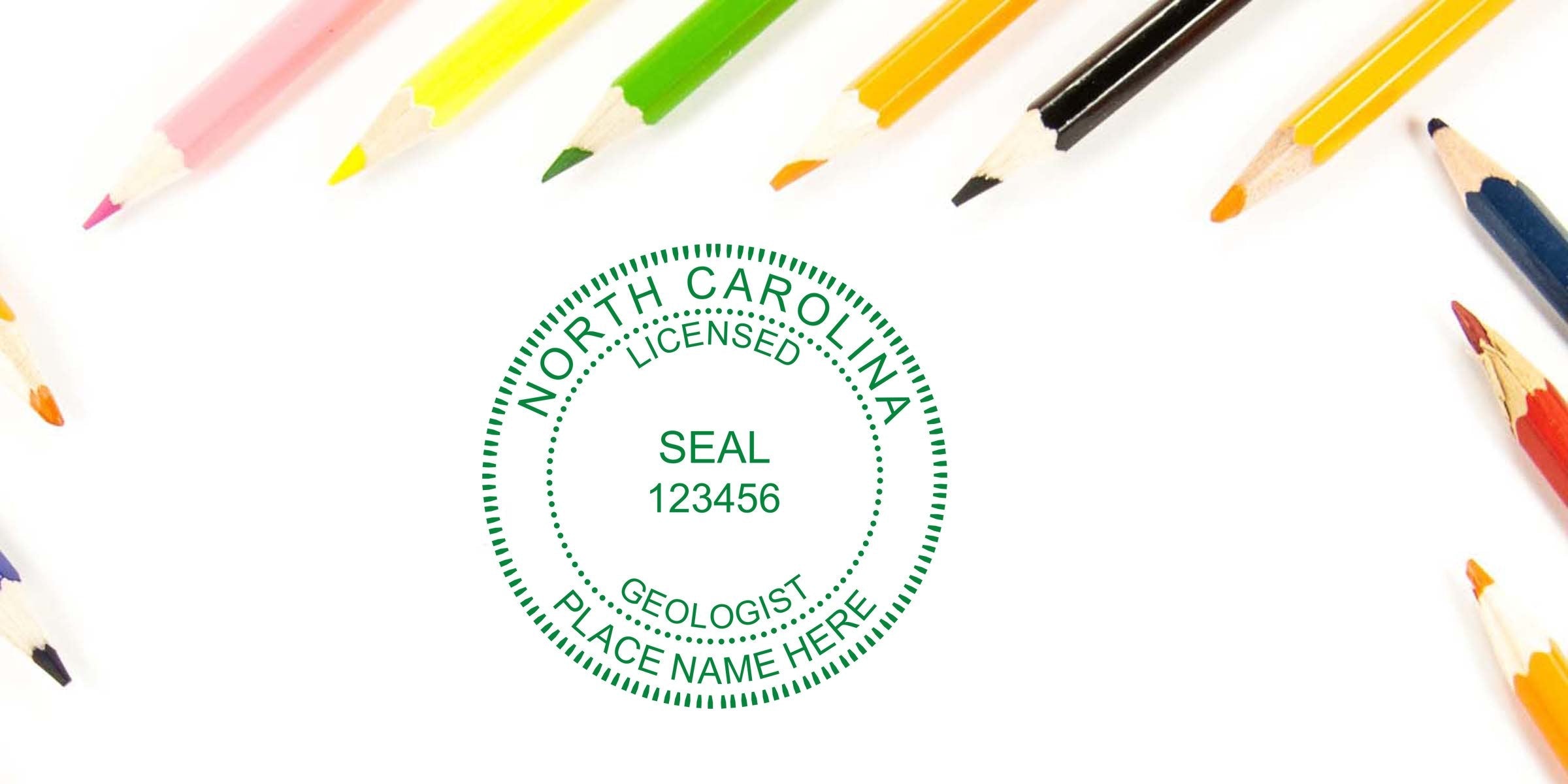
When you start practicing geology in the Tar Heel State, you’ll quickly discover the North Carolina geologist stamp requirements. Maybe you’ve heard a story or two from fellow geologists about the filing process, the official guidelines, or how to get your seal to comply with local rules. Sound a bit overwhelming? By the time you finish reading this guide, you’ll have crystal-clear steps to feel confident that your stamp meets the state’s official standards.
Below, we’ll walk through the regulatory basics, required elements, proper usage, and how to pick the right supplier. You’ll also find tips on maintaining your geologist stamp long-term, plus a few answers to questions many professionals ask before placing an order.
Understand North Carolina Geologist Rules
Before we jump into the details of your seal, it helps to get familiar with the legal foundation behind the practice. North Carolina, like many states, has a Professional Geologists Licensing Board. This board oversees everything from your initial license to discipline procedures if someone’s out of compliance.
The key goal here is to protect the public. By requiring officially stamped and sealed documents, the state ensures that any geologic investigation, report, or map you produce meets professional standards. When you apply your stamp and seal, you’re vouching for the accuracy and integrity of your work.
Protecting Public Trust
When you use an official seal, you’re not just ticking off a licensing requirement. You’re building trust. Clients and government agencies see that imprint and immediately recognize you’re qualified. They know you’re part of a regulated profession, which increases their confidence in the work you’ve done.
Conforming To The Law
The North Carolina licensing board sets rules on the seal’s design and usage. You’ll want to pay attention to how documents should be sealed, what format is acceptable (physical stamp vs. digital seal), and potential penalties for misuse. Familiarizing yourself with these guidelines is the easiest way to stay on good terms with the board.
Identify Required Stamp Elements
To satisfy North Carolina geologist stamp requirements, your seal must include specific design components. Although the board itself provides an outline, it doesn’t hurt to get a concise breakdown.
Shape And Dimensions
Most licensed geologists in North Carolina use a circular stamp, roughly 1.75 to 2 inches in diameter. Keeping your seal within this range ensures clarity. Too small and the text becomes illegible. Too big and you might scramble for space on your documents.
Personal Credentials
Your full name and license number (as it appears on your professional license) must be on the stamp. This detail ensures the state can quickly verify your registration status. If the board needs to audit or track your work, it’s much easier with a proper name and license number right on the imprint.
State-Specific Wording
The words “State of North Carolina” or “North Carolina” must appear around the outer ring of the stamp. Some geologists also include “Professional Geologist,” “Registered Geologist,” or equivalent wording. Double-check the exact language you’re required to use—accuracy is crucial, and a minor typo can invalidate an official seal.
Follow The Licensing Steps
To get your geologist seal, you need a valid license from the North Carolina board. For those who already have their license, your next step is picking a reliable vendor that can produce your stamp in compliance with the regulations. Here’s a quick roadmap:
-
Secure Your License
You can’t legally stamp anything unless you’re recognized by the state’s licensing board. Complete the education, experience, and exam requirements. Once approved, you’ll receive your license number. -
Choose A Certified Supplier
Reputable companies like north carolina geologist stamp providers understand the design requirements. They’ll incorporate your name, license number, and any mandatory state text without fuss. If you buy from an unverified source, you risk design errors or outdated formats. -
Submit Your Details
When you place your order, you’ll share your exact name, license number, and preferred wording. Double-check your license details before hitting “submit.” Typos can cause legal headaches—and no one wants that. -
Receive And Test
After your seal arrives, do a test imprint on a sheet of standard paper. Look for crisp letters, readable numbers, and no smudges. If something’s off, contact the vendor immediately for a re-check.
Maintain Your Geologist Seal
Once you have your stamp, you’ll want to keep it in top shape. A worn or poorly inked imprint can lead to questions about authenticity. Proper upkeep also extends the life of your equipment.
Clean And Store Properly
If you’re using a self-inking style, always keep an eye on the ink pad. Refill it or replace it as needed so you get a clear imprint every time. For a traditional rubber stamp, store it in a dust-free container, away from direct sunlight that might warp the rubber.
Check Alignment
You don’t want a crooked or patchy impression on a critical document. If the text edges look uneven, it might be time to replace the stamp. Record the date you purchased your stamp and keep an eye on how it prints as time goes on.
Monitor Your License Changes
Did you change your last name? Did your license number get updated? If so, you must order a new stamp. Don’t keep using an outdated stamp—it could invalidate your documents and lead to regulatory issues.
Use On Correct Documents
In North Carolina, you typically need to stamp plans, reports, or other formal materials you submit as a professional geologist. Double-check with the board guidelines on which specific documents require stamping. If you’re uncertain, it’s better to confirm than risk a noncompliance notice later.
Discover Acorn Sales Advantages
Selecting the right supplier can save you a ton of stress. At Acorn Sales, we know exactly how to meet North Carolina’s rules for geologist stamps and seals. We’ve been in business since 1964, and our years of experience help us deliver reliable products for geoscience professionals.
-
Compliance Expertise
We stay updated on any changes the state board makes, so you don’t have to. If the board adjusts design requirements or text wording, we’ll ensure your stamp matches the newest standards. -
Free Digital Seal Included
Along with your physical stamp, you’ll also get a complimentary digital version of your seal. This means you can stamp electronic reports or proposals without printing—and still maintain that official credibility. -
Clear, Crisp Impressions
Our stamps offer a precise imprint that won’t fade or smudge easily. You’ll present a clean, professional look on every document. -
Customer-Centric Support
Questions about updating your stamp or verifying details? We’ll guide you through every step. We pride ourselves on offering friendly, expert support—something we’ve been perfecting since 1964. -
Speed And Convenience
We understand your time is valuable. Our process is simple: provide your license details, approve the final design, and we’ll handle the rest. Most times, you’ll have your stamp in your hands before your next project is due.
Final Thoughts
Meeting the North Carolina geologist stamp requirements isn’t as tricky as it might seem at first glance. Once you understand the official guidelines, pinpoint the necessary elements, and choose a trustworthy vendor, you’ll have everything squared away. Your seal is more than just a piece of office equipment—it represents your professional credibility.
If you’re ready to make your move, consider partnering with Acorn Sales. We’ve helped geology professionals stamp documents with confidence since 1964. Plus, you’ll enjoy a free digital seal for those times when you need to send out quick electronic files.
Questions still on your mind? Know exactly what you need? Either way, keep your focus on professional integrity, and you’ll find that your geologist stamp and seal become trusty allies in your day-to-day work.
Frequently Asked Questions
Do I Need To Renew The Stamp Design Each Year?
Not typically. You keep your stamp as long as your license is valid. However, if the board updates design rules or if your license details change, you’ll need a new stamp that matches those updates.
What Happens If I Change My Name Or License Number?
You’re required to get a new seal that reflects your current legal name and license number. Using an outdated stamp could cause regulatory confusion. It’s best to update it promptly to avoid any compliance hiccups.
Is There A Difference Between Embossing Seals And Stamps?
On the legal side, both can serve as your official seal if they meet the state’s design criteria. An embosser creates a raised impression, while a stamp uses ink to display the required info. Some geologists prefer the embosser for paper-driven contexts, but it can be harder to replicate digitally. Ink stamps tend to be simpler for daily use.
Can I Use A Digital Seal For Electronic Submissions?
Yes, as long as the board permits digital stamping or sealing for official submissions. This helps streamline your workflow and saves paper. Just be sure you’re following any encryption or security rules required by the agency or client receiving the document.








