
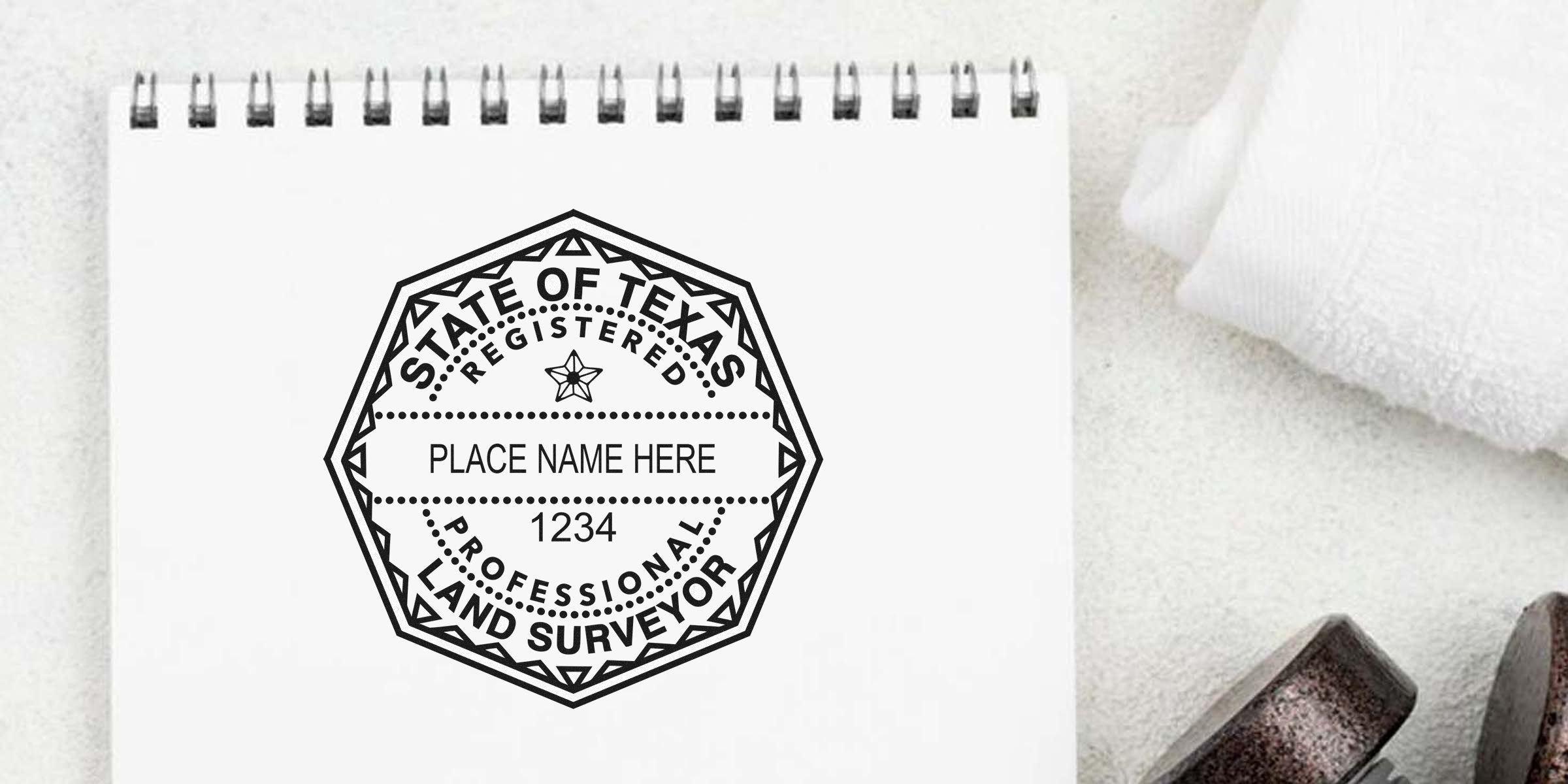
Whether you’re brand-new to land surveying in Texas or simply need to refresh your resources, getting your Texas land surveyor seal design right is vital. Your seal isn’t just a rubber stamp; it’s the official mark of your expertise. And let’s be honest, you want it to look professional, meet state guidelines, and leave no room for doubt about your qualifications. Below, you’ll find everything you need to know about creating a seal that aligns with legal rules and helps you stand out in your field.
Explore The Basics
Before diving into the fine details, it’s worth understanding why your seal design matters so much. In Texas, licensed surveyors must place their seal on official documents to confirm the validity of their work. Because of these strict requirements, the look and feel of your seal is more than just an aesthetic choice. It’s about getting a step ahead of compliance concerns, protecting your credibility, and ensuring your clients trust your documentation.
You might wonder if you can just slap your name onto a circular graphic. But Texas rules go deeper than that. The state has official guidelines about size, content, and even the arrangement of text within the seal. If your seal misses a required element or fails to meet sizing constraints, your documents could be questioned and your professional image could take a hit. That’s why exploring these fundamentals sets the stage for every future design decision.
- Helps confirm your professional credentials
- Complies with state guidelines and legal requirements
- Instills immediate trust in clients, peers, and regulatory bodies
By focusing on these basics right from the start, you save time and reduce the headaches of redesigning or reordering stamps later.
Identify Required Elements
When creating or ordering your seal, you need specific components in place to ensure it meets Texas standards. These elements typically include:
Your Full Name
Make sure to use the name registered with the Texas Board of Professional Land Surveying (or the responsible regulatory authority if it has changed names). If your licensing name includes a middle initial or suffix, keep it consistent on the seal.“Licensed State Land Surveyor,” “Registered Professional Land Surveyor,” Or Similar Designation
The state typically requires some variation that clearly identifies you as a land surveyor licensed in Texas. Check the specific phrase needed for your license category.License Number
This piece of information has to be accurate and placed in a clearly visible location within the seal.The Word “Texas”
To comply with the local requirement, your seal must reflect the state in which you practice. The exact phrasing may vary, but “Texas” must appear in or around the seal’s design.Approved Layout And Size
Typically, the state outlines the shape—often circular—and the minimum and maximum diameters. It might also specify text alignment. If you’re unsure, see the texas land surveyor stamp requirements to confirm the precise details.
A well-designed seal ties these elements together in a visually balanced way. Avoid clutter, keep the text easy to read, and ensure nothing critical is left off. If you’re ever in doubt, you can connect with your regulatory board for official clarifications.
Avoid Common Pitfalls
Crafting your seal seems straightforward, yet many surveyors stumble over small details that can cause big issues later. Some common pitfalls include:
Using An Incorrect License Title
If you’re technically licensed as a “Registered Professional Land Surveyor,” don’t shorten it in an attempt to make your seal look cleaner. Accuracy is non-negotiable.Overly Complicated Graphics
Sure, visuals can make your seal distinctive, but complex artwork often reduces clarity. Think clean lines and legible text so that your official documents are easy to interpret.Leaving Out The State Name
Surprising as it might sound, neglecting to feature “Texas” in your seal is one of the most frequent mistakes. Whether it’s an oversight or design preference that crowds out the wording, it’s critical that “Texas” remains prominent.Disregarding Emphasis On The License Number
Your license number is a pillar of authenticity. If it’s too small or hidden by decorative flourishes, the seal may not meet regulatory standards.
Additionally, watch out for older seals that might no longer align with updated state regulations. Requirements can change over time, so double-check even if your seal was valid five or ten years ago. Keeping things current spares you from unnecessary administrative troubles down the road.
Compare Seals And Stamps
Many land surveyors in Texas wonder whether they need a physical embosser seal, a rubber stamp, or both. Each option has its own advantages, and the best choice often depends on your workflow and industry preferences.
Here’s a quick table that lays out some key differences:
| Feature | Embosser (Seal) | Ink Stamp |
|---|---|---|
| Appearance | Raised text and graphic | Flat ink impression |
| Professional Feel | Often seen as more formal | Quick, convenient, and versatile |
| Document Type | Preferred for official paper records | Good for multiple surface types |
| Storage | More durable, but bulkier | Easy to carry, compact |
If you frequently work with official paper records, using an embosser can give a refined, authentic feel to your documents. Ink stamps, on the other hand, are faster and more versatile. In many cases, surveyors have both, switching between them depending on the document or the client’s preference. What’s most important is that each version of your seal meets the same design and text requirements from the state of Texas.
Use Your Seal Correctly
Having a top-notch design is one thing, but how you apply your seal day to day is just as critical. Errors in sealing documents can bring your credibility into question. Here are some guidelines to keep in mind:
Position The Seal Consistently
Typically, you’ll place the seal near your signature, although exact placement rules may vary. Consistency is key to a clean, organized finish.Avoid Overlapping Text
Don’t let the seal obscure important information on your document. Check that the text inside your seal remains readable and no line from the underlying document bleeds through essential seal details.-
Ensure Proper Ink Or Embossing Force
For rubber stamps, confirm you’re using professional-quality ink that won’t smudge or fade. Embossers should be pressed firmly enough to create a crisp impression, but not so firmly that the paper tears. Follow Electronic Document Rules
In many cases, you’ll need a digital seal if you operate in an environment that handles files electronically. Some agencies accept scanned versions of physical stamps. Others require an official digital seal with encryption or password protection. Always check with the relevant authorities for details.
Applying your seal consistently, and in the right format, helps avoid rework and keeps your documents above reproach.
Update Your Seal Periodically
Your seal isn’t a one-and-done situation. Over time, changes to your license status, board regulations, or even personal preference can lead to necessary design tweaks.
Name Changes
If you legally change your name, you’ll need a new seal that reflects this update. Failing to do so can cause confusion for clients, lenders, and other institutions that rely on your professional documents.License Renewals
You might have to revalidate certain aspects of your design when you renew your license or change from one designation to another. This helps keep your seal accurately tied to your current credentials.Worn-Out Devices
If you use a rubber stamp or embosser often, it may degrade. A faint or inconsistent impression undermines the stamp’s professional look. Keep tabs on how your seal prints and replace it if it appears damaged or worn.
A little upkeep goes a long way. When your seal is up to date, you minimize question marks about your credibility and remain in step with any regulatory changes.
Consider Acorn Sales
Finding a stamp or embosser provider that understands Texas rules isn’t always easy. That’s why many surveyors turn to Acorn Sales. We’ve been making official stamps and seals for over 60 years, and we know how important it is to get every detail right the first time.
Expertise In Texas Land Surveyor Rules
After decades of working with surveyors, we recognize the subtle differences and updates in state regulations. From the diameter of your seal to the correct license lettering, we help you align with official guidelines.Free Digital Seal With Your Order
Working digitally? We’ve got you covered there, too. You get a free digital seal version that matches your physical stamp or embosser. That way, you can handle online document submissions without missing a beat.Quality Guarantee
We believe that a crisp impression spells professionalism. Our embossers are tough but won’t tear your documents, and our rubber stamps use durable, long-lasting materials.-
Speedy Turnaround
Whether you’re pressing up against a deadline or just want the job done quickly, we strive to deliver high-quality stamps and seals in a timely manner.
Naturally, the main goal is to simplify your life so you can focus on the vital tasks of surveying rather than stressing about your seal’s compliance.
Your first stop should be the Texas Board of Professional Land Surveying (or the designated licensing board if responsibilities have shifted). Their website details the most up-to-date statutes and administrative rules. You can also check with professional associations, read official newsletters, or talk to fellow land surveyors who have kept up with the latest developments.
Wrap Up Properly
Designing a compliant, professional-looking Texas land surveyor seal may feel like a small detail, but it carries big weight in how your work is perceived. By making sure each required element is in place, you’ll not only avoid regulatory issues but also give clients and authorities the confidence they expect from a licensed surveyor. The right seal, used correctly, underscores your credibility and can even make document processing smoother.
If you’re ready to save time and ensure accuracy, consider trusting a long-standing company like Acorn Sales, which offers free digital seals, quick turnaround, and decades of stamp-making expertise. Above all, keep your seal updated and always use it in line with state requirements. That approach helps you stay on top of your professional responsibilities and ensures your projects run efficiently.
Frequently Asked Questions
How Often Should I Update My Seal?
You’ll want to review your seal at least every time you renew your license. If any part of your legal name or license number changes, then you’ll need a new design. Keep an eye on official board updates, too. If new regulations come into effect, your seal may require revision to stay valid.
Does The Design Have A Required Size?
Texas typically expects your seal to fit within a certain diameter range, commonly around 1.5 to 2 inches, but this can vary. If your seal is too small, the text becomes unreadable. Too large, and it can appear unprofessional or fail official guidelines. Double-check the texas land surveyor stamp requirements to confirm the latest size standards.
Can I Use Both A Stamp And An Embosser?
Absolutely. Many surveyors have both for flexibility. An embosser adds a special tactile flair that many clients appreciate. Meanwhile, a stamp is great for quick prints, especially if you manage multiple documents in a rush. Both must faithfully include your name, license number, and the word “Texas.”








