
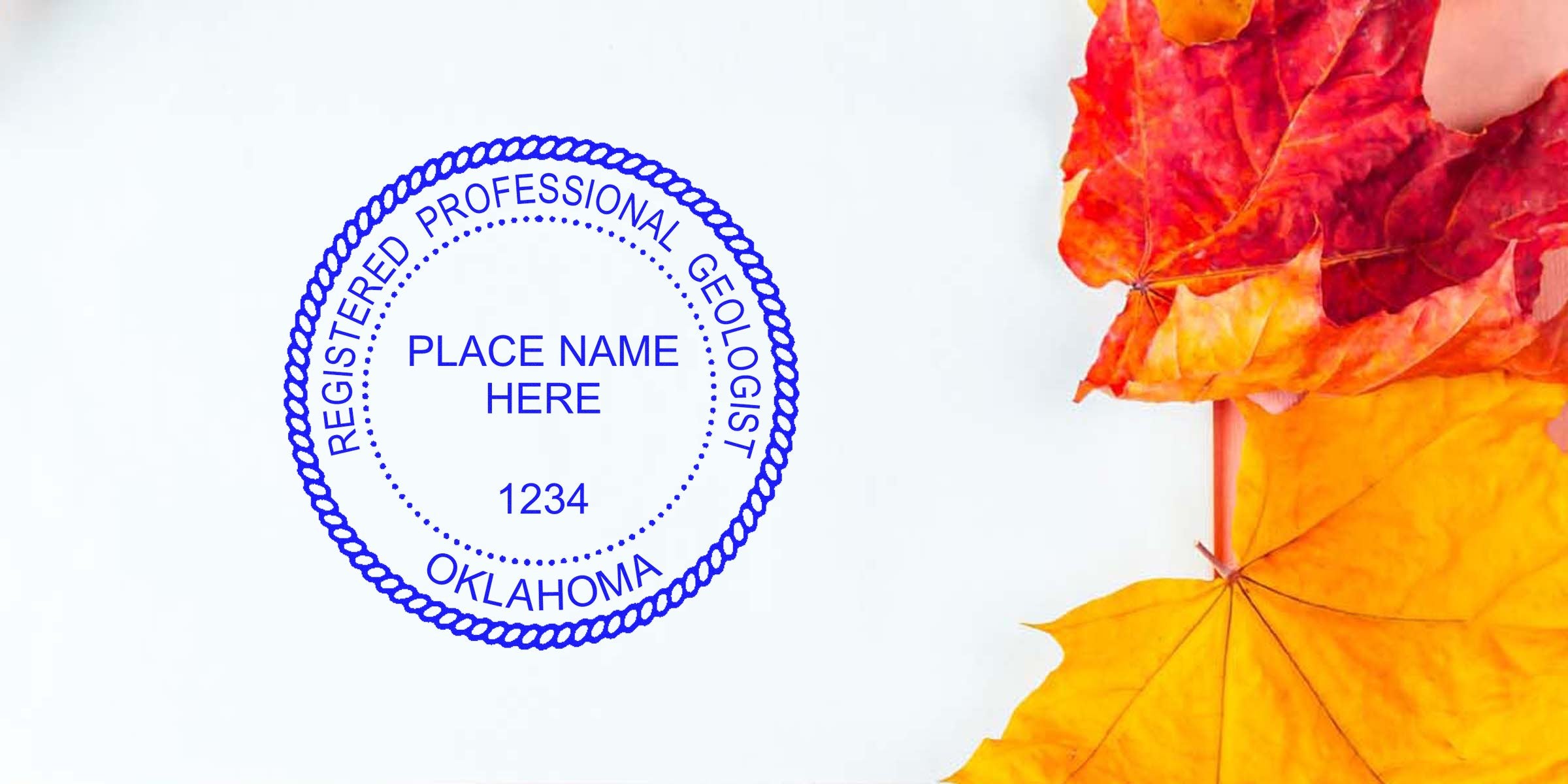
If you’re in the market for a geologist stamp for documents, chances are you’re looking to meet specific rules and regulations for professional work in Oklahoma. At first glance, the process can feel daunting. After all, you want a stamp that’s both legally compliant and durable enough to handle repeated use. The good news? It’s easier than you might think to find a reliable stamp that meets Oklahoma’s geologist requirements. In this guide, you’ll discover how to navigate the options, ensure professional compliance, and make the most of your investment.
You’ll also learn a few tips to keep your stamp in top shape, plus how to incorporate a free digital seal for extra versatility. By the end, you’ll feel confident selecting a stamp that matches both your budget and your professional needs.
Understand The Oklahoma Requirements
Oklahoma’s Board of Licensure for Professional Geologists sets out guidelines for how your seal and stamp must look and how you should use it. These rules ensure every licensed geologist in the state presents an official mark on reports, geological findings, or other professional documents.
Key Points About Compliance
- Shape and Wording: The seal typically includes your name, license number, and the wording “Professional Geologist.”
- Size: Many guidelines specify a diameter or size range to keep stamps uniform.
- Placement: Place your stamp on final documents like reports or official letters. Ensure you don’t obscure critical text.
- Signature Requirements: You often need to sign and date near or over the seal. Check the board’s precise signing instructions.
Understanding these details upfront saves you from costly reprints or potential compliance issues down the road. If you’re curious about the specific design or want to see examples, you can explore an official Oklahoma geologist stamp designed with the correct state guidelines in mind.
Explore Available Stamp Types
Before you finalize your purchase, it’s a good idea to compare stamp types. Not only does Oklahoma regulation dictate the design, but you also want a stamp that fits your workflow. Below is a quick overview of the main options you’ll encounter:
| Stamp Type | Key Features | Typical Use Cases |
|---|---|---|
| Self-Inking | Built-in ink pad for quick stamping | Frequent stamping tasks, high-volume use |
| Pre-Inked | Crisp, clean impressions, ink in die | Detailed designs, moderate stamping needs |
| Rubber (Manual) | Requires a separate ink pad | Occasional stamping, budget-friendly |
| Embossing Seal | Raises the paper surface | Formal documents, distinctive appearance |
Which One Fits Your Needs?
- Self-Inking: Perfect if you’re frequently stamping multiple documents each day, thanks to a self-contained ink pad.
- Pre-Inked: Delivers sharp and consistent impressions, but usually costs a bit more.
- Rubber Stamp: Ideal if you don’t mind having a separate ink pad handy. It’s also easy to replace just the pad if needed.
- Embosser: Offers a professional flair. It does require more pressure, but the raised seal can add an official feel to your reports and presentations.
Try to weigh both compliance and practicality when choosing your stamp type. If portability matters, you might prefer a smaller, self-inking unit. If you want the most professional effect for formal reports, an embossing seal might be your best bet.
Importance Of Quality And Compliance
High-quality stamps aren’t just about crisp impressions. They also help meet Oklahoma’s professional standards. A smudged or unclear imprint could be considered noncompliant in some situations. Plus, low-grade materials wear out faster, meaning you’ll spend even more time and money replacing your stamp.
Staying On The Right Side Of Regulations
- Ink Visibility: Using ink that doesn’t bleed through or fade ensures documents stay legible.
- Durability: A robust handle and impression mechanism can withstand repetitive stamping.
- Proper Layout: Your name, license number, and the correct wording must appear exactly as required.
There’s also the matter of responsibility. Once you stamp a document, you’re showing that you stand by the scientific accuracy and credibility of the content. A high-quality stamp reflects the professional standard you set for yourself and your work.
Steps To Get Your Stamp
Getting your geologist stamp is pretty straightforward, but it helps to know the basic steps for a smoother experience.
- Confirm Your Credentials
Make sure your Oklahoma geologist license is active. You’ll typically need to provide your license number when ordering a custom stamp. - Choose A Stamp Provider
Look for a reputable company, like Acorn Sales, that specializes in professional seals. They’ll know the required design specs and be able to guide you. - Finalize Your Stamp Details
Submit the exact text you need, including your name and license number. Double-check for typos or spacing issues. - Review A Proof (If Available)
Most providers will show you a proof of your stamp before production. Take time to verify that everything’s correct, including spelling and layout. - Order And Wait For Delivery
Once approved, your stamp is produced and shipped. Depending on the provider, it might come with a digital seal file you can use for electronic documents.
Going step-by-step also reduces the chance of errors. Any change after production can be time-consuming and may cost extra, so it’s worth the minimal effort to confirm everything is right from the start.
Use And Maintenance Tips
No matter which type of geologist stamp you pick, following simple care guidelines helps you get the most out of it. Without question, you want every imprint to look consistent and professional. After all, your reputation is on the line with each document you stamp.
Stamping Best Practices
- Apply Uniform Pressure: Press down evenly to get a clean impression. Too much pressure can cause smudging.
- Test First: Stamp on scrap paper to check for clarity and ink level.
- Keep Ink Fresh: Replace or refill ink pads as needed. Self-inking and pre-inked stamps might need re-inking after extended use.
Maintenance Routine
- Store Properly: Keep your stamp in a cool, dry place. Excess heat or sunlight can degrade the rubber and ink.
- Clean The Die: If you notice any residue, gently wipe the stamp surface with a soft cloth. Avoid harsh chemicals that can damage the rubber.
- Inspect Regularly: Check for signs of wear, like cracks in the handle or uneven impressions. Early detection can save you from a last-minute scramble for a replacement.
Why Choose Acorn Sales
When it comes to official Oklahoma geologist stamp and seal products, Acorn Sales has you covered. We’ve been in business since 1964, which means we’ve spent decades perfecting our craft and serving professional communities across the country. If you want your stamp done right, with all the state-required elements, choosing a long-standing provider is a smart move.
Key Benefits With Acorn Sales
- Free Digital Seal: Along with your physical stamp, you’ll receive a high-resolution digital file you can place on PDFs or other electronic documents. This extra feature can save you time and hassle when submitting reports online.
- Range Of Stamp Options: From self-inking to embossers, you can pick a style that suits your daily workload. Each design meets Oklahoma’s specifics.
- Expert Guidance: Unsure about the license wording or best practices? Our team understands the details required for Oklahoma geologist seals. You’ll get advice tailored to your situation.
- Solid Track Record: Since 1964, we’ve built a reputation for quality craftsmanship. We source durable materials that yield clear imprints, so you can focus on your work instead of worrying about fuzzy impressions.
Acorn Sales strives to let you focus on what matters—your geological expertise—while we handle the stamping details.
Wrap up these steps by selecting the stamp style that best matches your daily routine. With a quality custom stamp and a reputable provider, you’ll stay compliant and project a professional image on every document you produce. Whether you opt for a self-inking model for convenience or an embosser for a classic look, all that’s left is to order and start stamping. If you have any tips to share about using geologist stamps, feel free to spread the word. After all, a little insight from your experience could save another geologist time and hassle down the road. Happy stamping!
Frequently Asked Questions
Do I Need Multiple Stamps If I Practice In More Than One State?
That depends on each state’s rules. Many states have their own seal requirement for professional geologists. If you’re licensed in multiple states, you’ll typically need state-specific stamps or seals for each. Always confirm with the relevant state board.
How Often Do I Need To Renew My Stamp?
The physical stamp itself doesn’t usually require renewal, but your license does. As long as your license number remains the same and active, you can continue using the same stamp. If your license number or name changes, you’ll need a new stamp that reflects those updates.
What Is The Free Digital Seal And How Do I Use It?
The free digital seal is an electronic version of your official stamp. You can easily insert it into PDF reports, presentations, or online forms. Make sure you still follow Oklahoma’s signature rules. You may need to digitally sign or certify documents alongside the seal.
Can I Change The Font Style Or Layout Of My Stamp?
The board generally requires a specific layout that includes your name, “Professional Geologist,” and your license number. While minor font style adjustments might be acceptable, keep the official wording intact. When in doubt, check with Oklahoma’s licensing board for final approval.








