

If you are looking for the best interior designer stamp for Washington professionals, start with the fact that reframes the whole search: Washington does not license interior designers. RCW Title 18, the state's chapter list for businesses and professions, has a chapter for architects at 18.08, one for engineers and land surveyors at 18.43, one for landscape architects at 18.96 and one for geologists at 18.220. It has none for interior designers. No board, no license number, no rule about a seal.
That makes your stamp a design decision rather than a specification to satisfy. This post covers what Washington actually regulates, what belongs on your mark and what does not, how to choose between ink and embossing, and how to keep a device working for years.
Understand The Washington Picture
Washington regulates plenty of design adjacent professions, and it regulates them thoroughly. Interior design is simply not among them. The state issues no interior design credential, which means there is no number to print, no prescribed wording, no required border and no rule telling you where on a sheet the impression should land.
- No license or registration. Washington grants interior designers nothing, so there is no state title to claim on a die.
- No seal provision. With no credential, no rule asks an interior designer here to seal a document.
- No prescribed design. Nothing sets the size, shape, wording or layout of an interior designer's mark.
- Adjacent credentials are separate. Architects, engineers, land surveyors and geologists each have their own seal rules under their own chapters. Those belong to those licenses and do not carry across to interior design work.
If a listing offers a stamp built to Washington's interior designer specifications, it is describing something Title 18 does not contain. For the citations behind all of this, and for anywhere the picture could change, read Washington Interior Designer Seal: No Title 18 Chapter.
What Belongs On Your Mark
With nothing prescribed, wording is the decision that matters most, and it is worth an afternoon of thought. Common choices:
- Your full name, spelled the way you sign it
- The professional title you use
- Your firm name, city, or a short contact line
- A credential from a national body or another state, with the issuing body named
One thing to leave off: any wording suggesting Washington issued you a credential. A mark reading Licensed Interior Designer, State of Washington claims a license the state does not grant, and a reader has no way to know. Keep the state's name off the die unless it is part of your address, and everything on the mark stays true.




Why A Stamp Is Worth Having
Nothing forces the purchase, so here is what you actually get.
- It identifies the author of a document at a glance, which no title block in nine point type manages
- It marks the issued copy in a stack of near identical printouts
- It carries onto letters, proposals and transmittals that have no title block at all
- It adds a professional touch to the documents being stamped, the finish that makes a set look like the work of a practice
Think of it as an extension of your signature. It reflects your name and the care you take, and if a client is comparing two designers, the one whose package looks deliberate has an edge before anyone reads a word of it.
Choosing Your Device
Once you know you want one, the choice is about how the device delivers the mark and how often you reach for it.
Stamps And Embossers
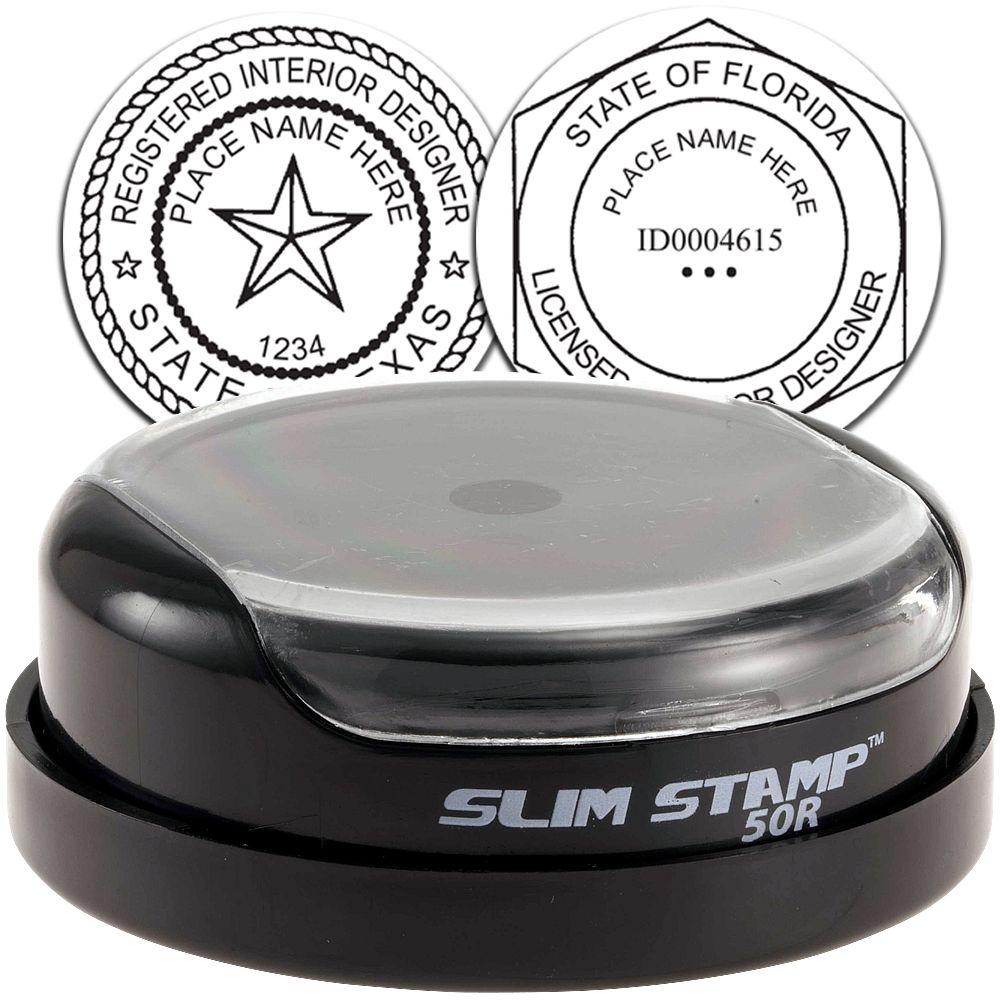
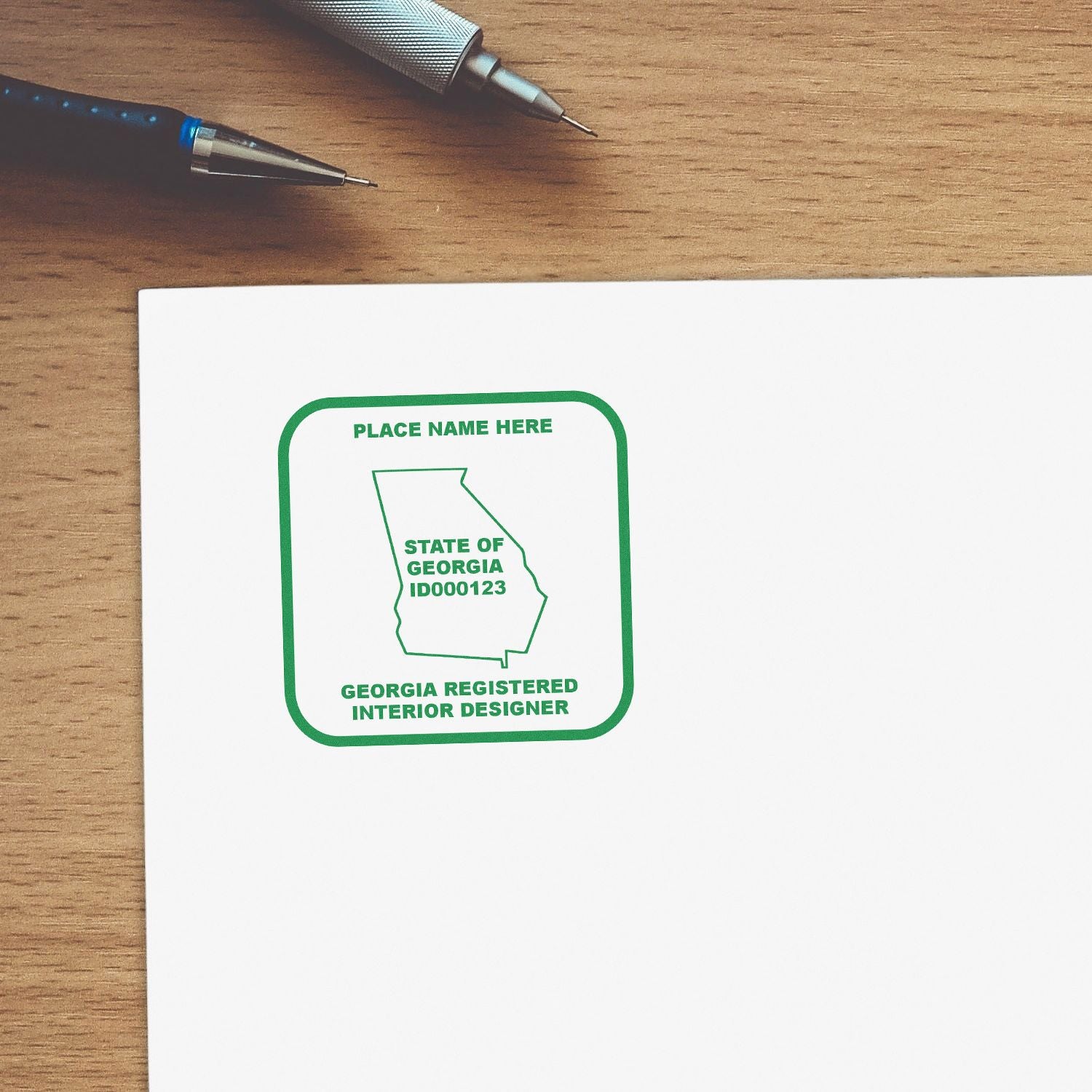
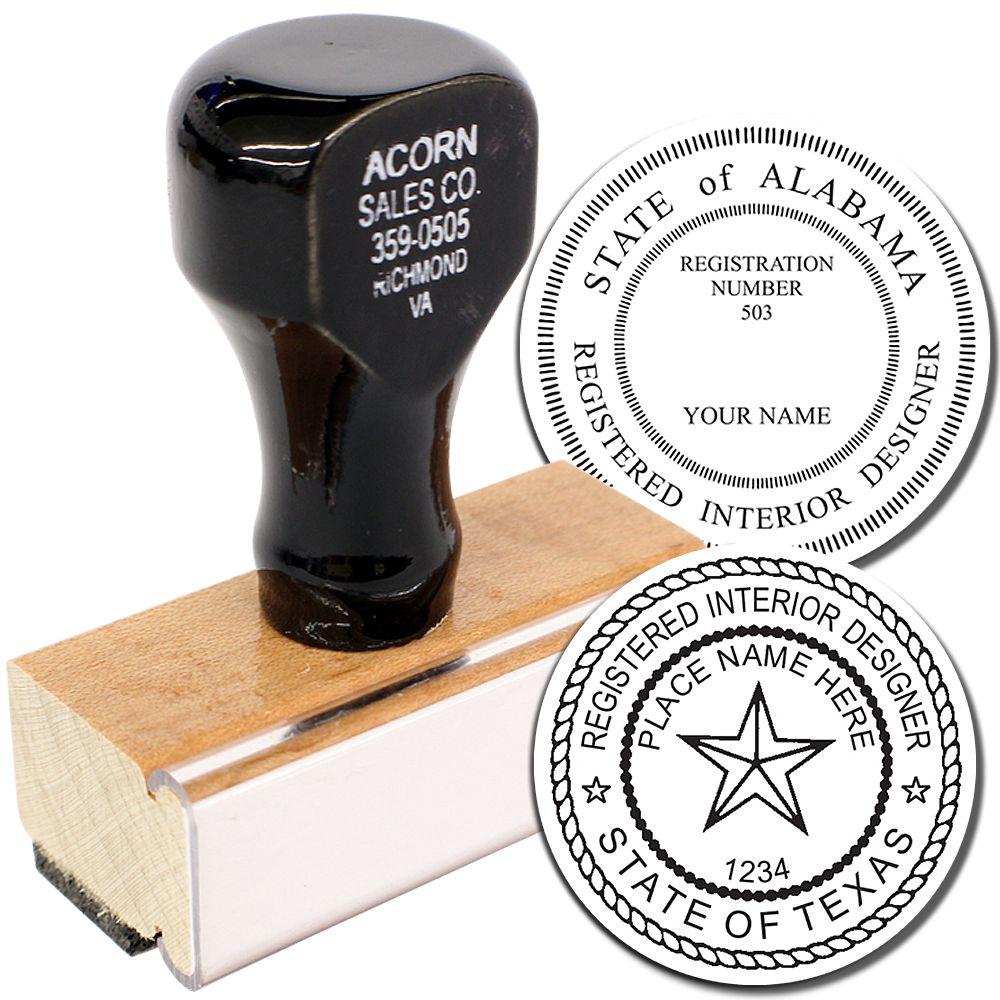
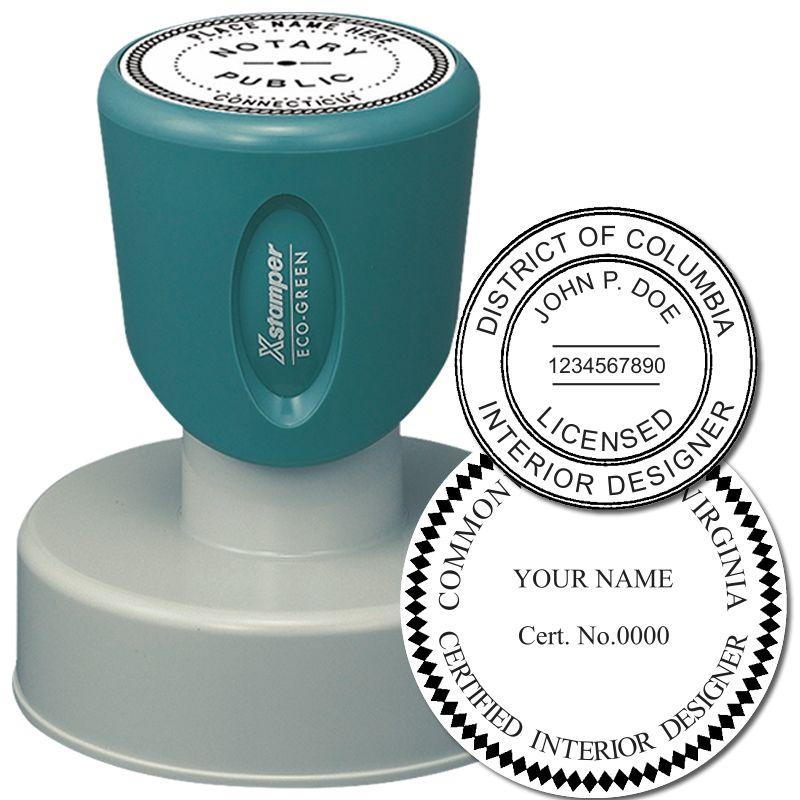
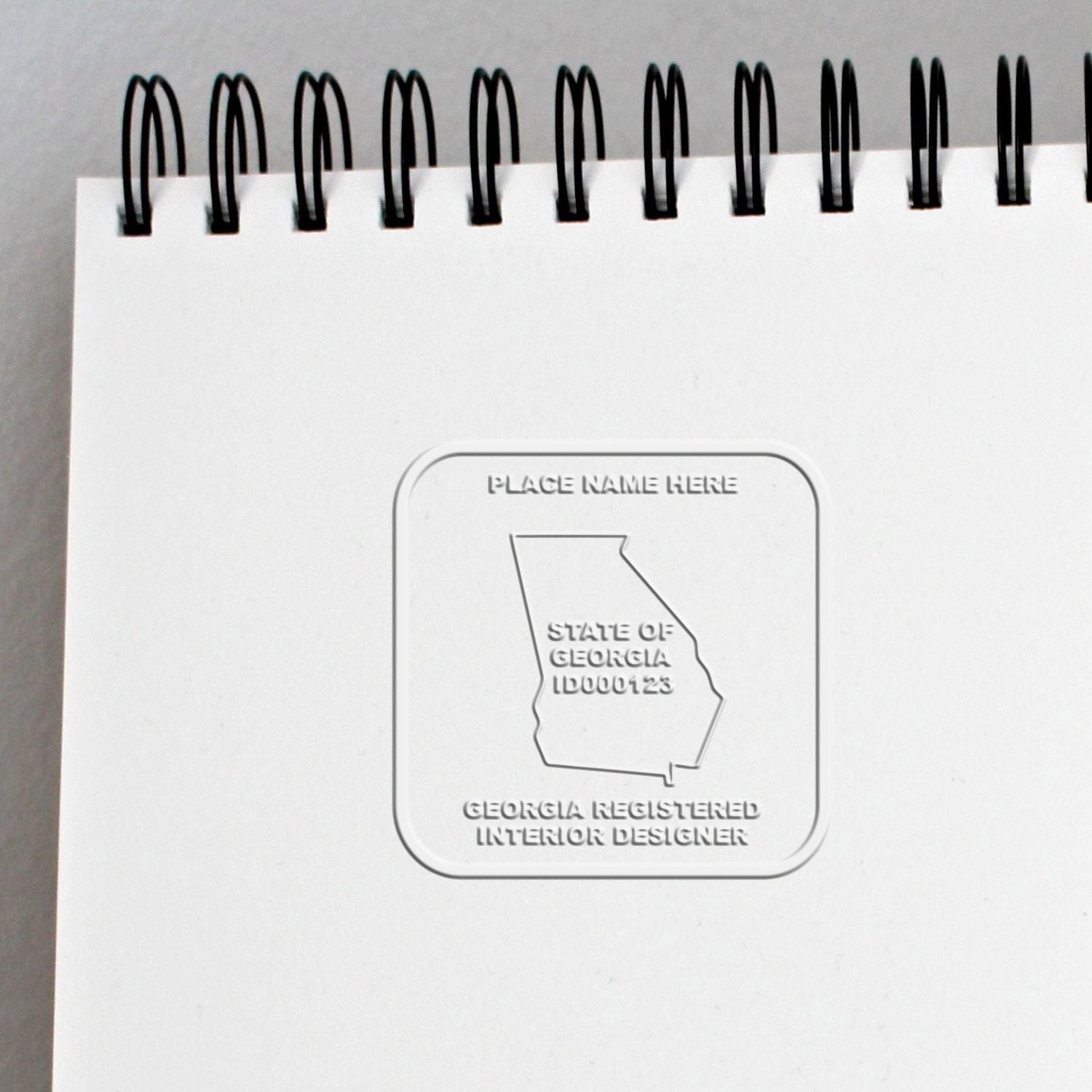
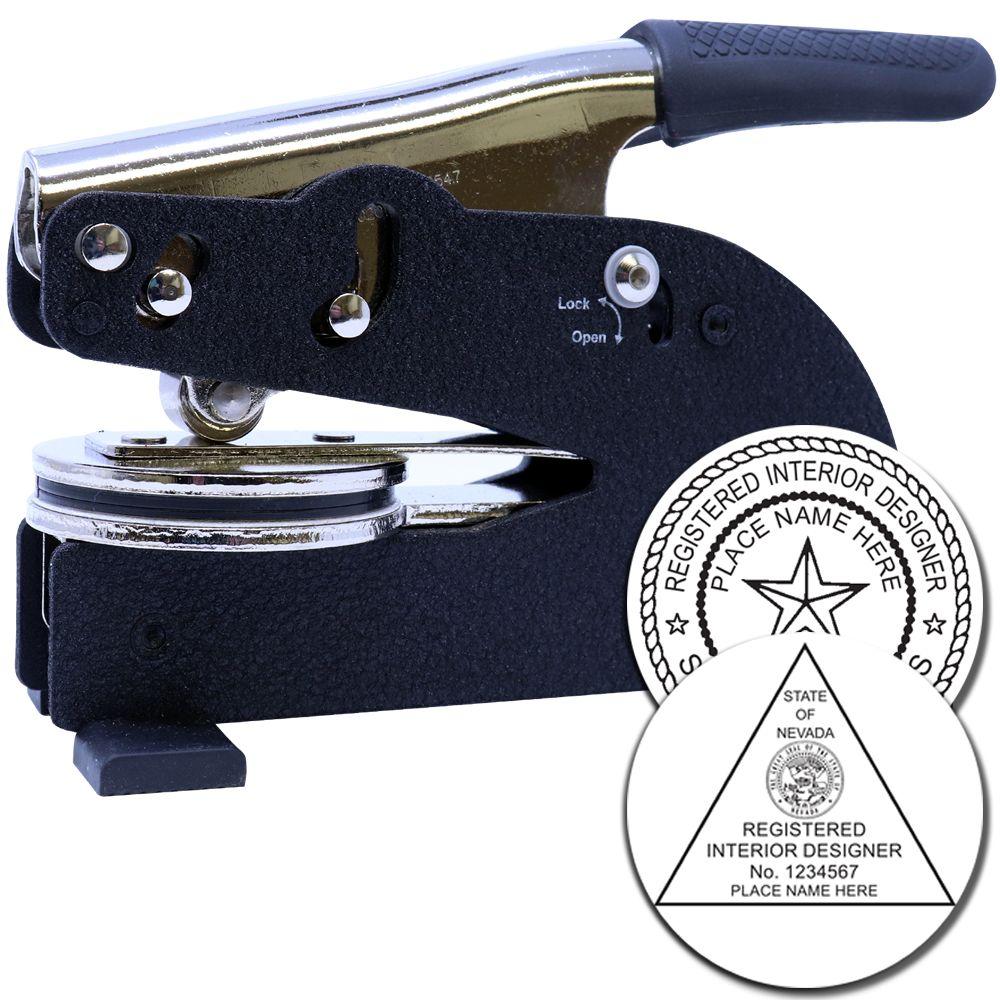
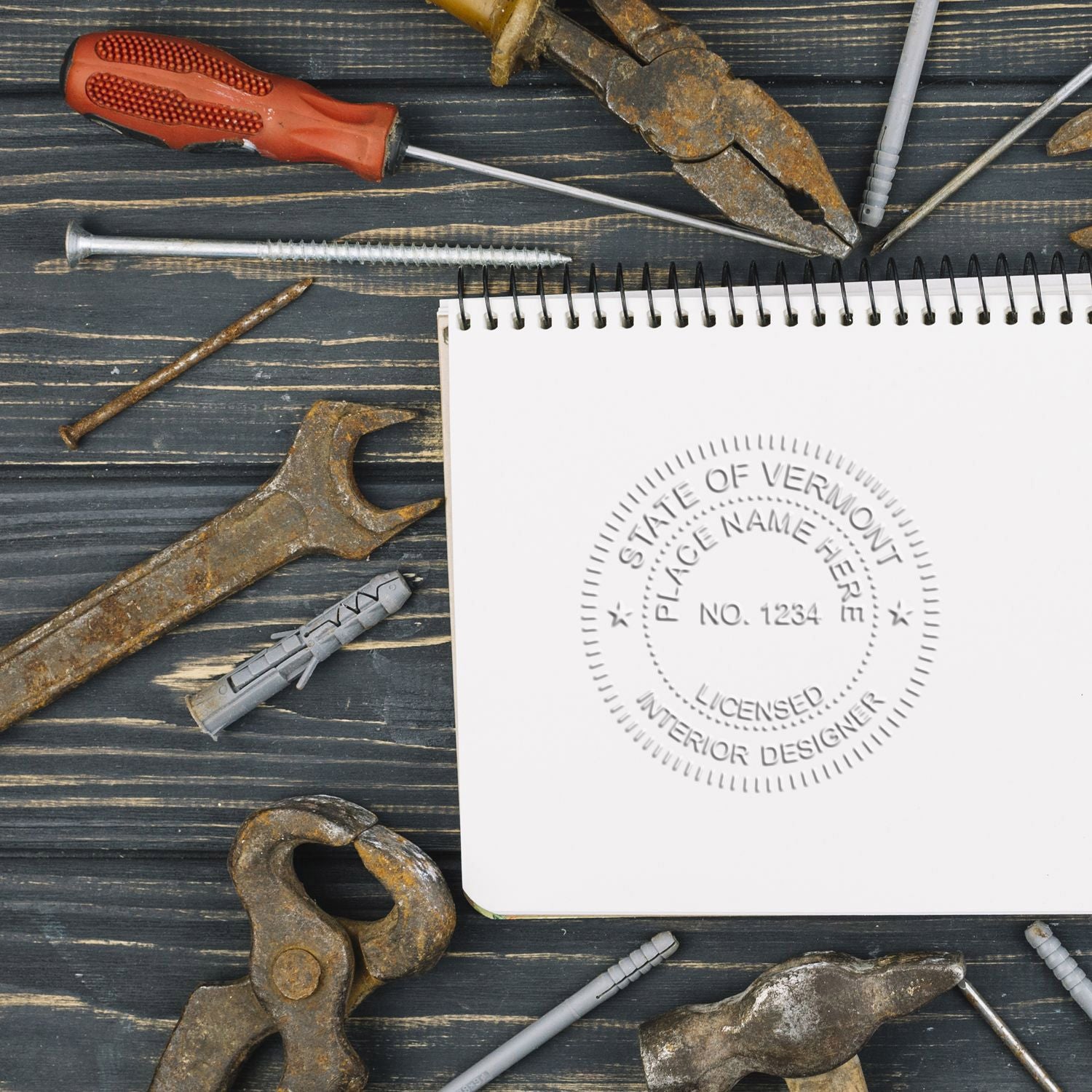
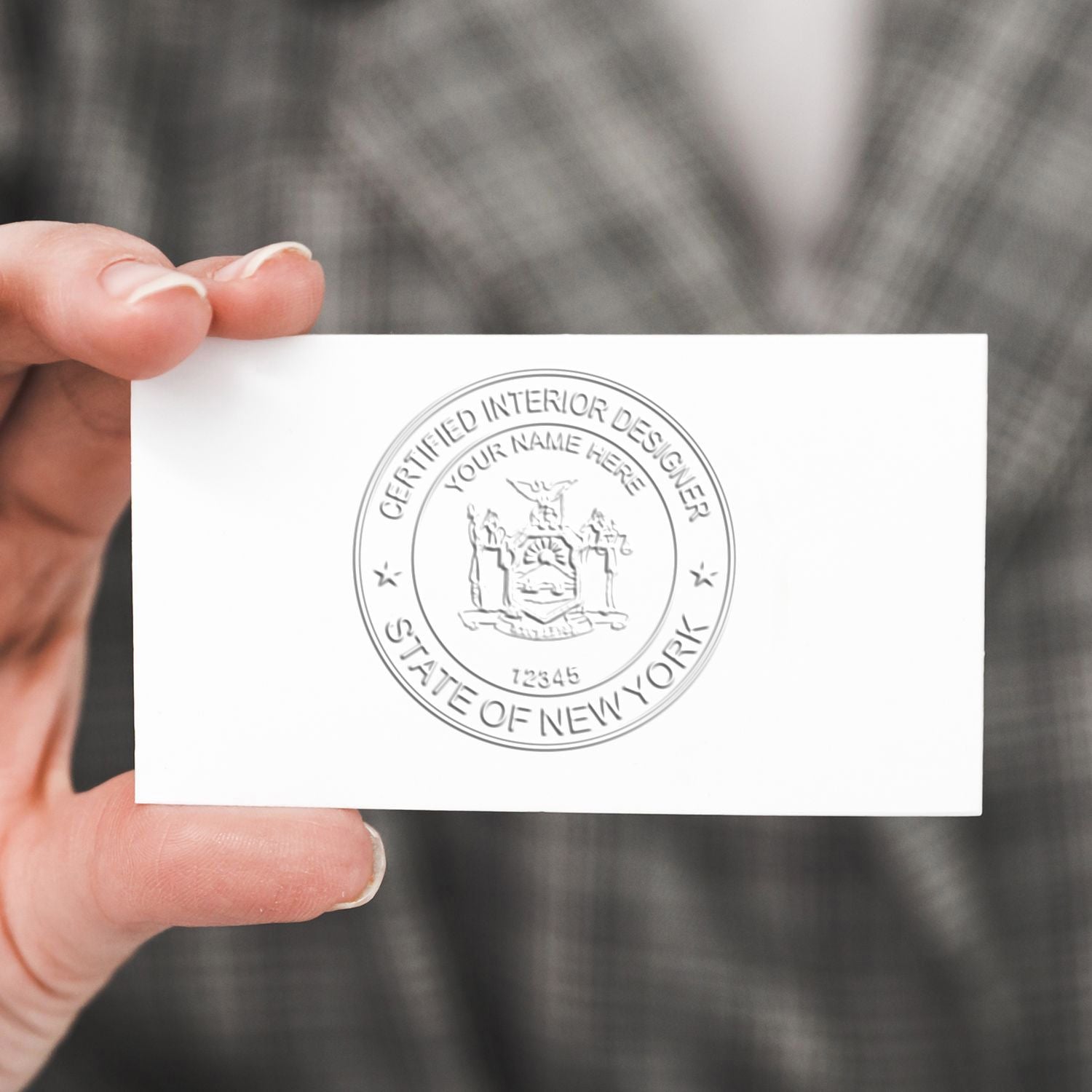
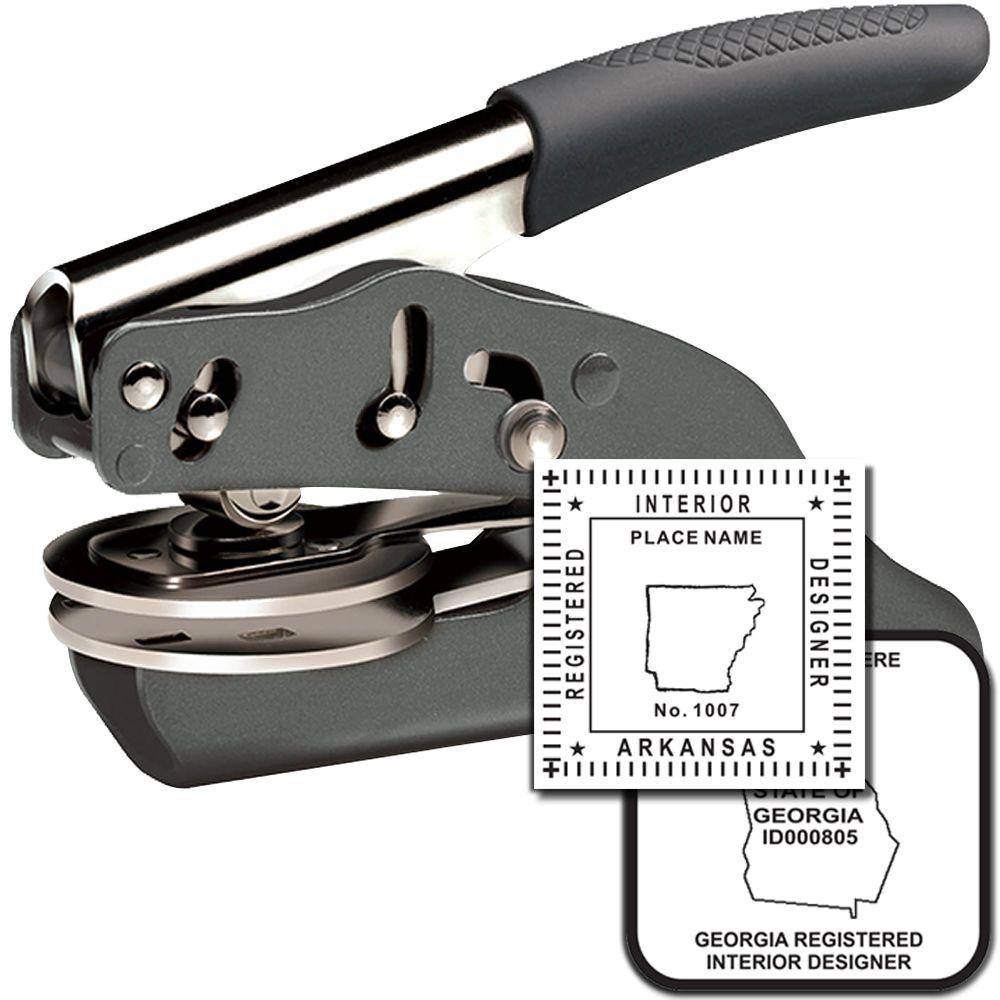
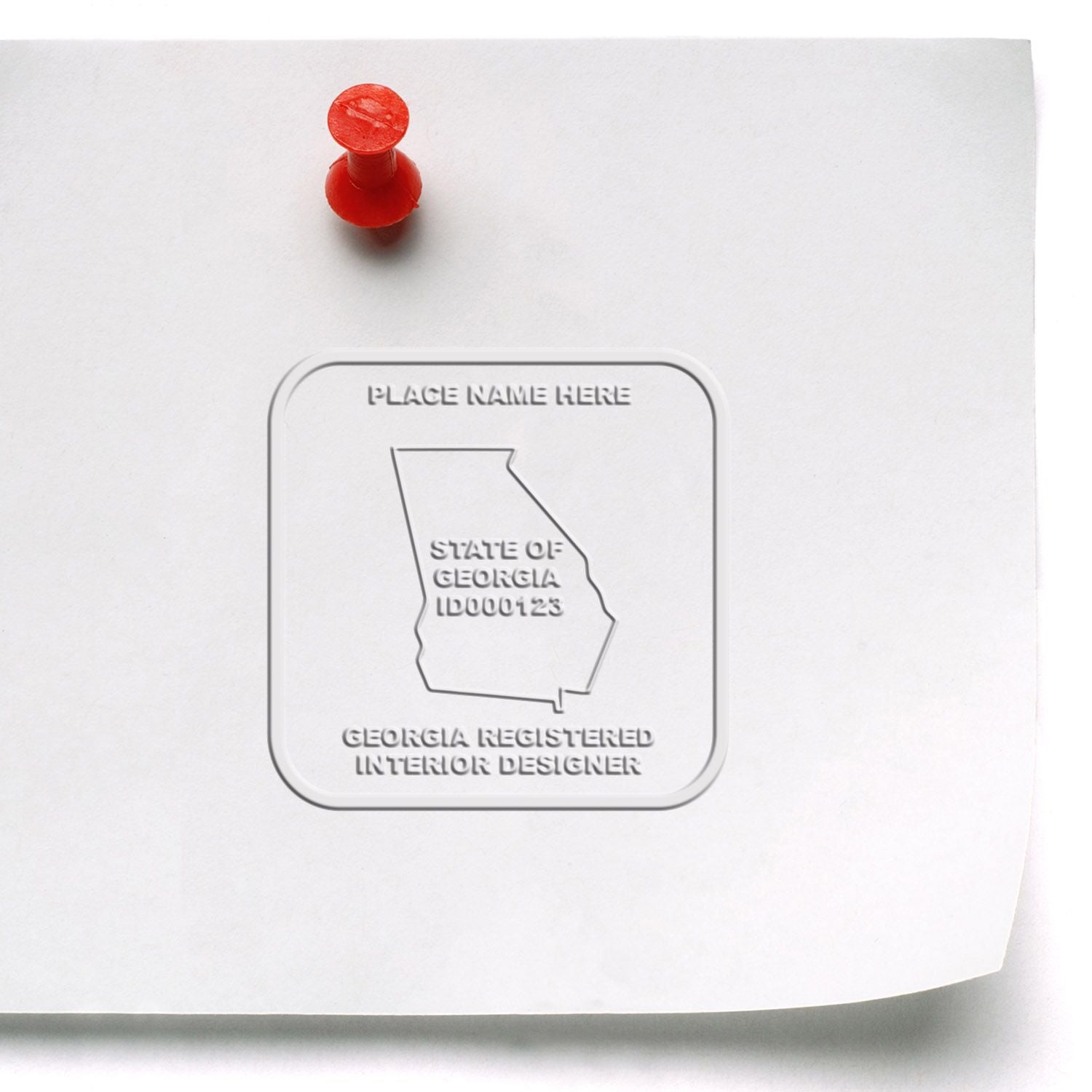
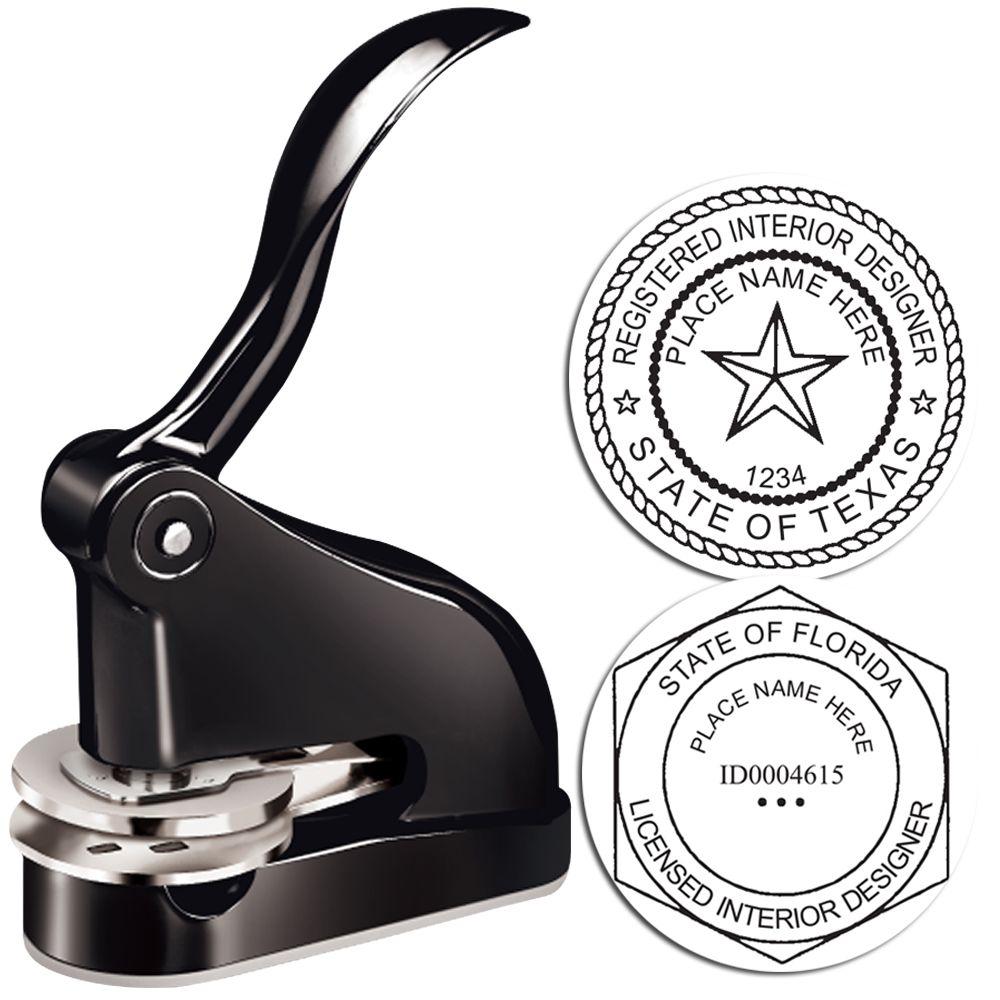
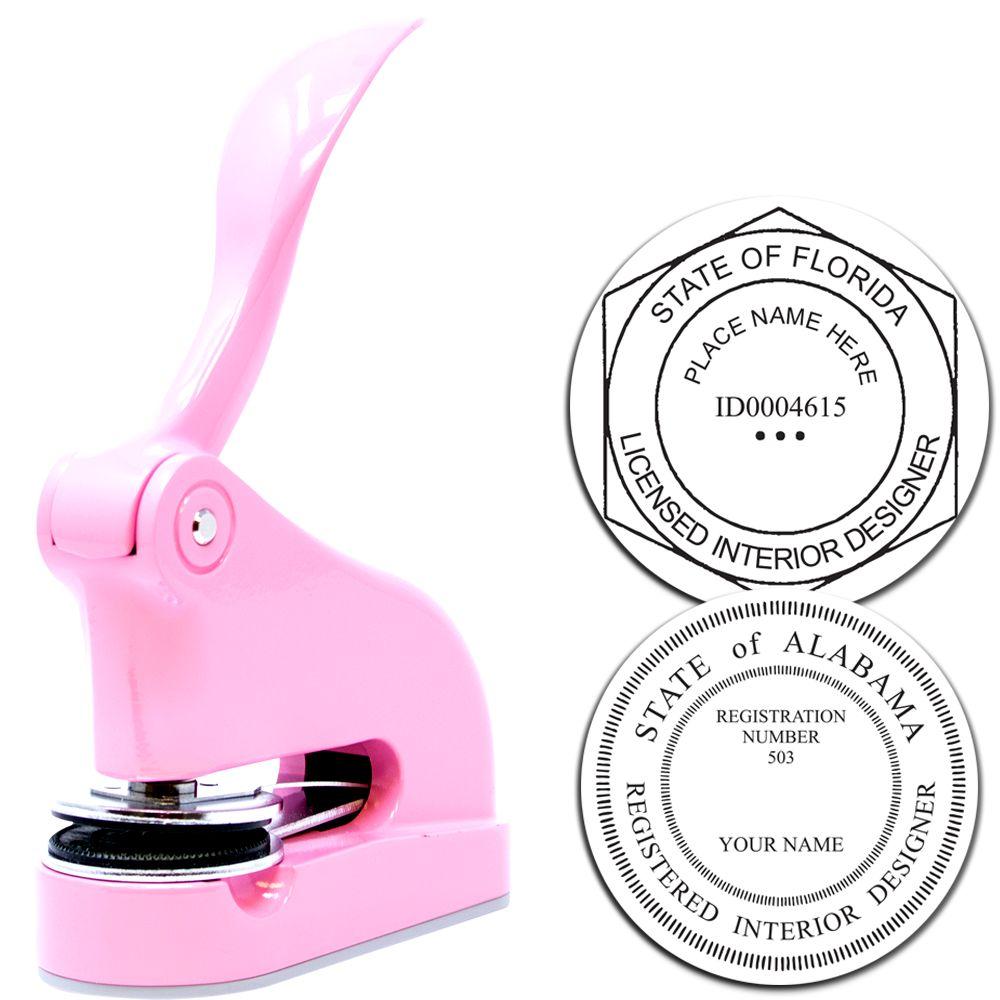
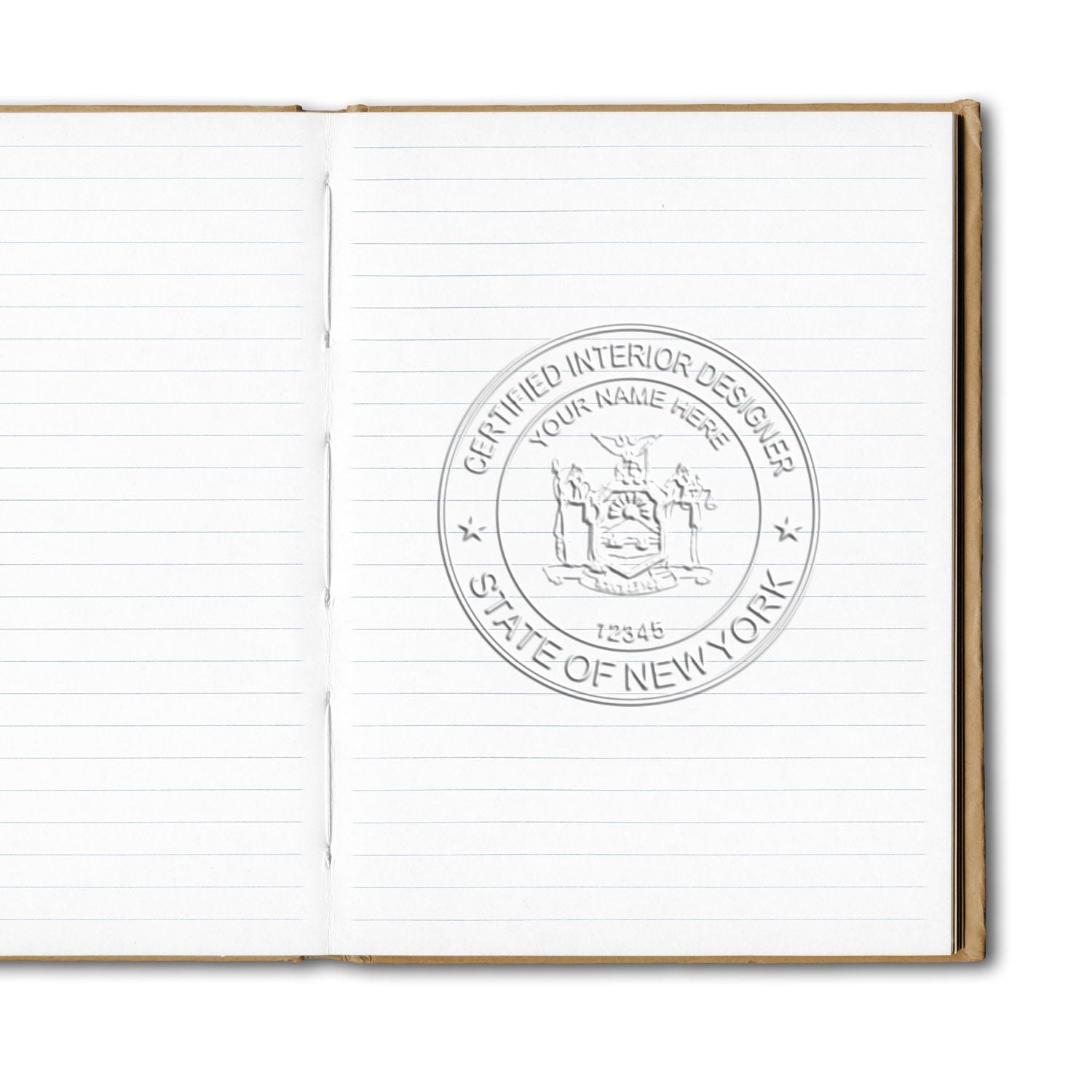
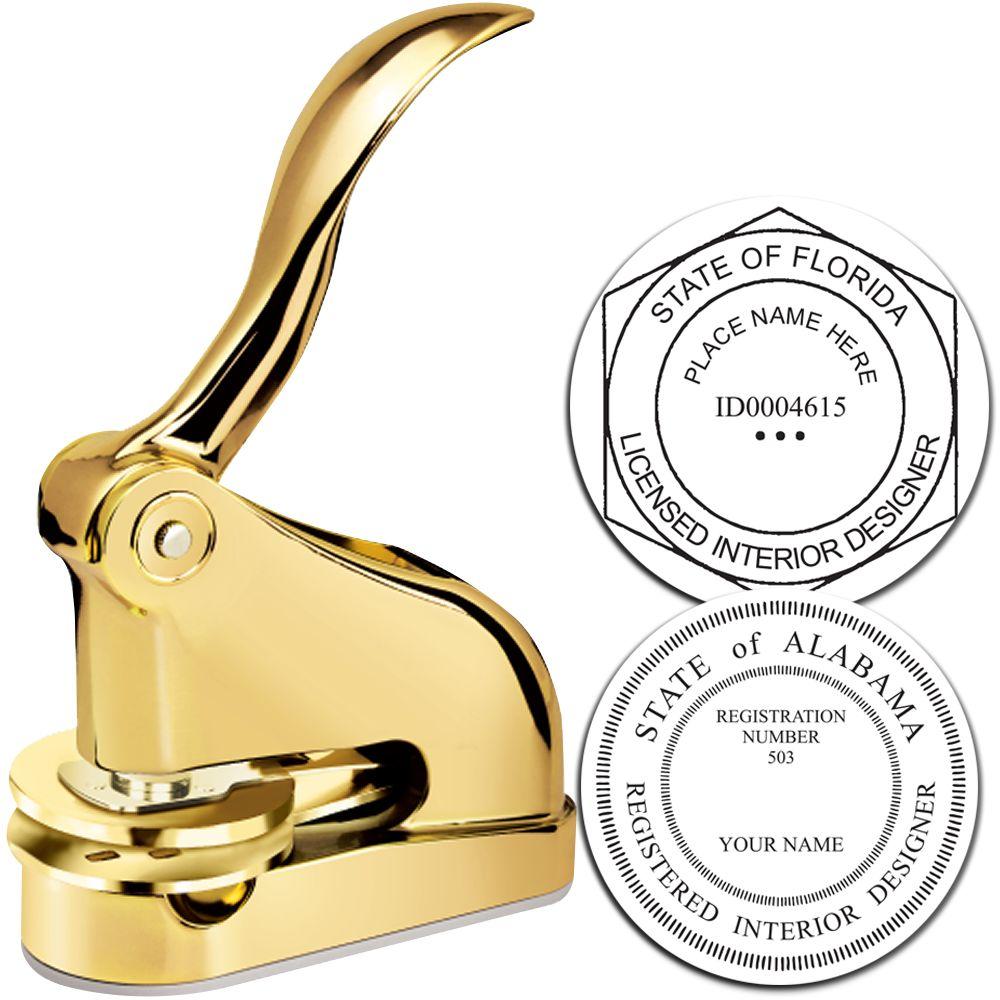
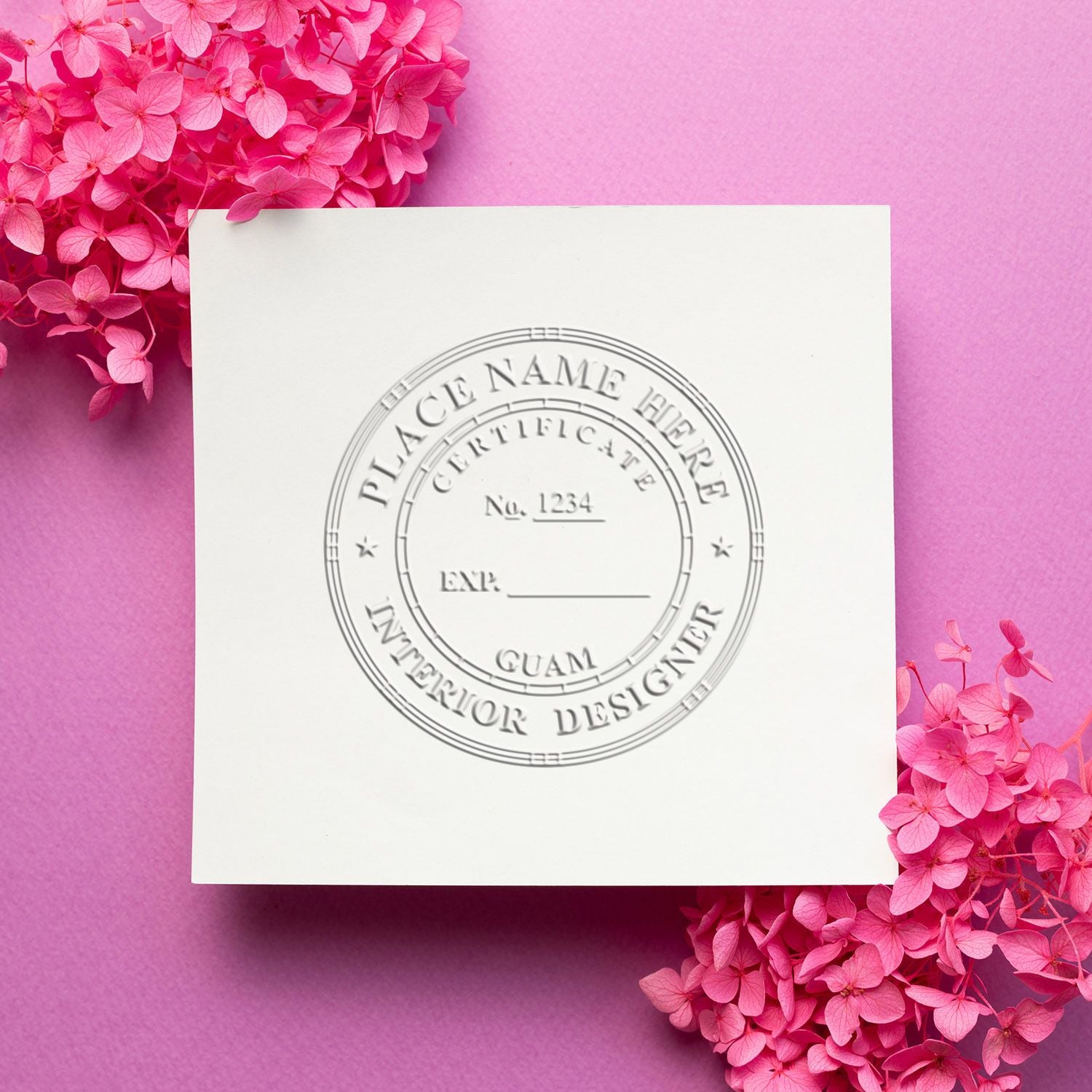
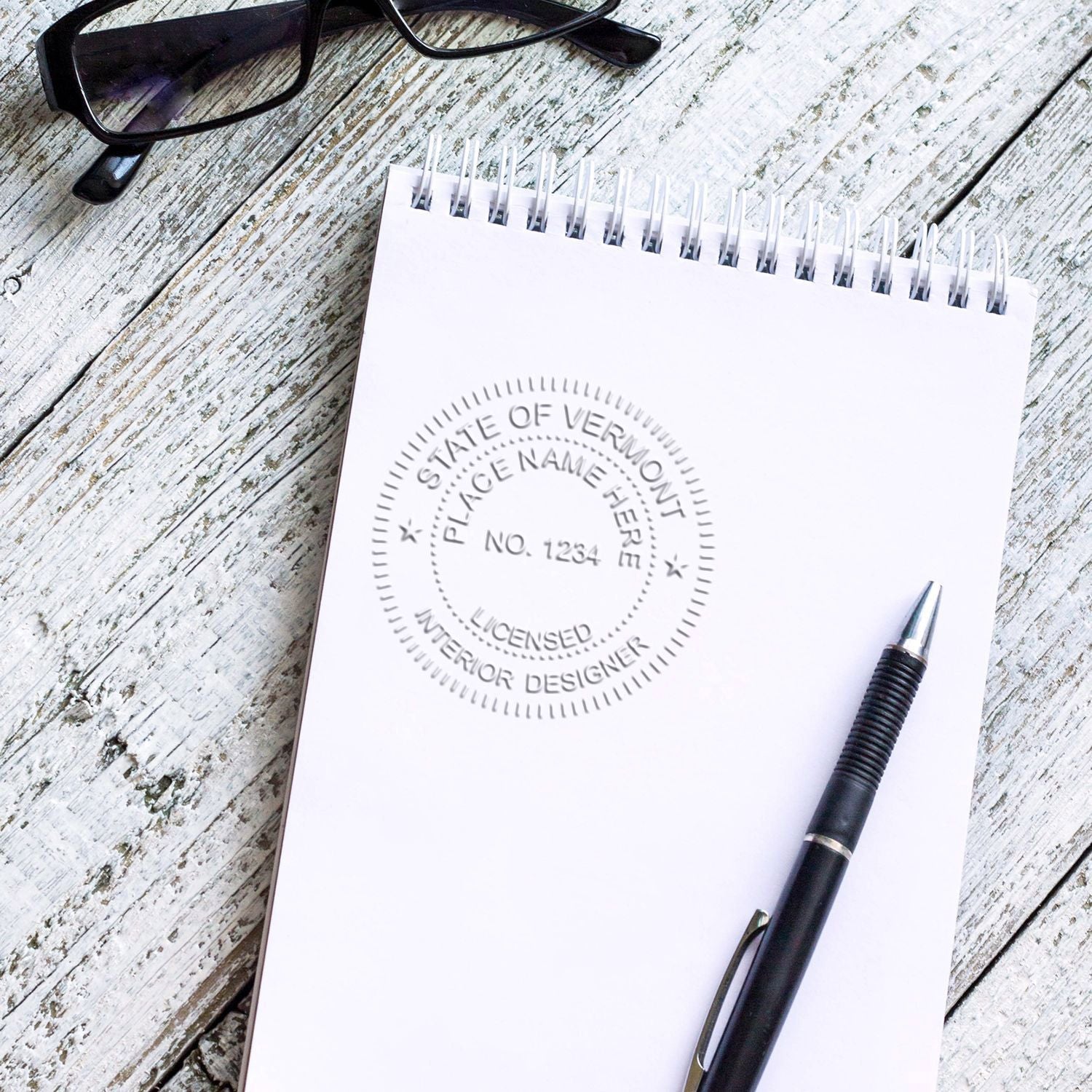
Stamp and seal get used interchangeably, but they do different things. A stamp lays ink on the page and produces a strong, readable imprint that survives copying and scanning. An embosser presses into the sheet and leaves a raised impression you can feel. The raised version looks more formal in the hand and does not photocopy, since a copier flattens it to a faint gray smudge. Many Washington designers choose a self-inking or pre-inked stamp for everyday work and keep an embosser for originals a client will keep.
| Feature | Inked Stamp | Embosser |
|---|---|---|
| Imprint | Ink on the page | Raised impression, no ink |
| Readability on copies | High | Low, flattens when scanned |
| Speed | Fast, one press | Slower, needs alignment |
| Look in the hand | Clean and businesslike | Formal, tactile |
Ink Or Embossing
If most of your work goes out as printed sets and PDFs, ink is the practical answer, because the mark has to survive reproduction. If you hand deliver presentation packages, an embosser makes a stronger impression on the person holding the page. Some designers stamp for clarity and emboss for finish on the same cover sheet. No Washington rule prefers either, because no Washington rule addresses either.


Acorn Sales: A Trusted Supplier
When it is time to buy, you want a company that will still be there for a reorder. Acorn Sales has been making stamps and seals since 1964, for design professionals in Washington and across the country. Because Washington prescribes no layout, we set your artwork from the text you send rather than from a template, and we email a proof at finished size so you can read it before the die is cut.
Every order includes a free electronic seal, so you can put your mark on a digital file the same day, without waiting for the package to arrive. That matters when you are juggling several clients and a short deadline.
Using Your Stamp Well
It is one quick press, but a few habits make every impression look the same.
- Practice first. Run a few test presses on scrap paper of the same weight to learn the pressure and the alignment.
- Pick a spot and keep it. Near your signature, clear of the margins, off any text a reader needs. Using the same position every time makes the mark something people recognize.
- Watch the ink. A faded impression looks careless.
- Keep it to yourself. Store it where a colleague cannot pick it up and press it on something you have not reviewed. Your name on a page should mean you looked at the page.
Storage And Maintenance
Stamps are sturdy and they still wear out early if you treat them badly. Use the cover or case if the device came with one. Keep it out of direct sunlight and away from heat, which dries the pad and can warp the impression surface. An embosser with metal parts takes an occasional wipe with a soft dry cloth to clear dust and paper fibers, which is what keeps the raised impression sharp.


Electronic Seals
A good deal of design work is submitted electronically now, which is why the free electronic seal from Acorn Sales is worth setting up the day you get it. It is a digital image of your mark that drops onto PDFs and other files.
- Place it in the signature area of the document
- Scale it so the type stays readable at the size the reader will view it
- Flatten the PDF before sending, so the image cannot be lifted out and reused
Whether a particular client, portal or office wants a digital version is a question for them. No Washington rule speaks to it either way for interior designers.
Keeping It Honest
Using a professional mark is a small responsibility worth taking seriously. Do not let anyone else press your stamp on a project you did not work on, and do not put it on a document you have not read. Every impression is a quiet statement that you looked at the page and stand behind what is on it. That is the whole value of the mark, and it disappears the moment it goes on something you did not review.
The same goes for the wording. If your firm, your name or a credential changes, order fresh artwork rather than crossing out old information by hand. A corrected impression looks worse than no impression at all.
Troubleshooting Common Problems
| Symptom | Likely cause | Fix |
|---|---|---|
| Faint impression | Low ink or a loose pad | Re-seat the pad |
| Smudging | Too much pressure, or wet ink | Press lightly and let it dry |
| Crooked mark | Base not sitting flat | Align on a hard surface and press straight down |
| Weak emboss | Paper too heavy for the device | Use lighter stock, or a press rated for the weight |
Choosing Your Washington Stamp
A good stamp makes your paperwork look like your work, and in Washington the design is entirely your own. Settle wording you will still like in five years, pick a device that matches how often you will use it, read the proof letter by letter, and look after it. With Acorn Sales you get artwork set from your own text, a proof before production, and a free electronic seal for the files.
If you want the underlying research first, read the seal requirements post linked above, then come back to the shopping part.
Frequently Asked Questions
Does Washington Require An Interior Designer To Use A Stamp?
No. Washington licenses no interior designers, so there is no board, no license number and no rule directing anyone in the profession to seal a document. Designers buy a stamp because it identifies the author at a glance and finishes a set, not because a rule points at them.
What Comes With My Stamp Order From Acorn Sales?
The device, set with your own artwork after you approve a proof, plus a free electronic seal you can place straight into digital documents. That saves a second purchase if any of your work goes out as a file.
Is A Self-Inking Stamp Or An Embosser Better?
Both have a place. An inked stamp is quick, clean and copies well, which suits documents that get reproduced. An embosser is formal and tactile and suits originals a client keeps. Plenty of designers own both and pick by document.
How Often Should I Order A New Stamp?
Only when what it says changes, or when the impression stops being crisp. A well made device lasts for years with reasonable care.
Can I Put My Firm Logo On It?
Yes. Nothing in Washington limits the design, so a logo, a typeface from your letterhead or a contact line are all fair game. The practical limits are legibility at finished size and keeping every claim on the die accurate.








