

When you need a Massachusetts notary public stamp, it can feel like you’re wading through endless options. You want something that’s compliant with state guidelines, durable enough for daily use, and also convenient to store. After all, your notary stamp is critical in authenticating documents and ensuring they stand up under legal scrutiny. In this guide, you’ll learn how to pick the best stamp for your needs, discover the value of high-quality notary supplies, and see how a reputable provider like Acorn Sales can help you get set up quickly.
This covers what to look for in a Massachusetts notary public stamp. Ready to make your search easier?
Learn Massachusetts Requirements
Massachusetts has its own set of regulations that notaries must follow to stay in good standing. At the heart of these regulations is the requirement to use an official stamp (sometimes called a seal) on notarized documents. This stamp typically includes the notary’s name, the words “Notary Public,” and “Commonwealth of Massachusetts,” plus any additional elements specified by the state. While it’s always important to check official sources for the exact current requirements, you can safely assume you’ll need a clear impression that’s easy to read.
Why does clarity matter so much? Picture a legal document that someone tries to present in court. If the seal is faint or missing essential text, that document might be rejected. But a crisp, legible stamp helps confirm you are indeed authorized by the state. Before shopping, make sure you understand any expiration date requirements and how often you might need to update or replace your notary credentials.
The Role of a Notary Public
As a notary public, you serve as an impartial witness to ensure that signers of legal documents are who they say they are. You verify identity, confirm willingness, and help prevent fraud. Your responsibilities include everything from administering oaths to acknowledging signatures on property transfers. In short, you play a key role in safeguarding the integrity of legally binding documents.
Massachusetts-Specific Guidelines
Massachusetts notary law can be slightly different from other states. Some states limit the size or shape of the stamp, while others have rules about ink color. Massachusetts focuses on ensuring the stamp is legible and has the required wording. Always keep up to date with changes, especially if you renew your commission or make changes to your personal information.
Know Stamp Basics
All stamps are not created equal. When searching for a Massachusetts notary public stamp, you’ll encounter different formats, designs, and build qualities. Some produce clean impressions on thin paper, while others might work best on thicker surfaces. It’s helpful to look at core features like durability and clarity.


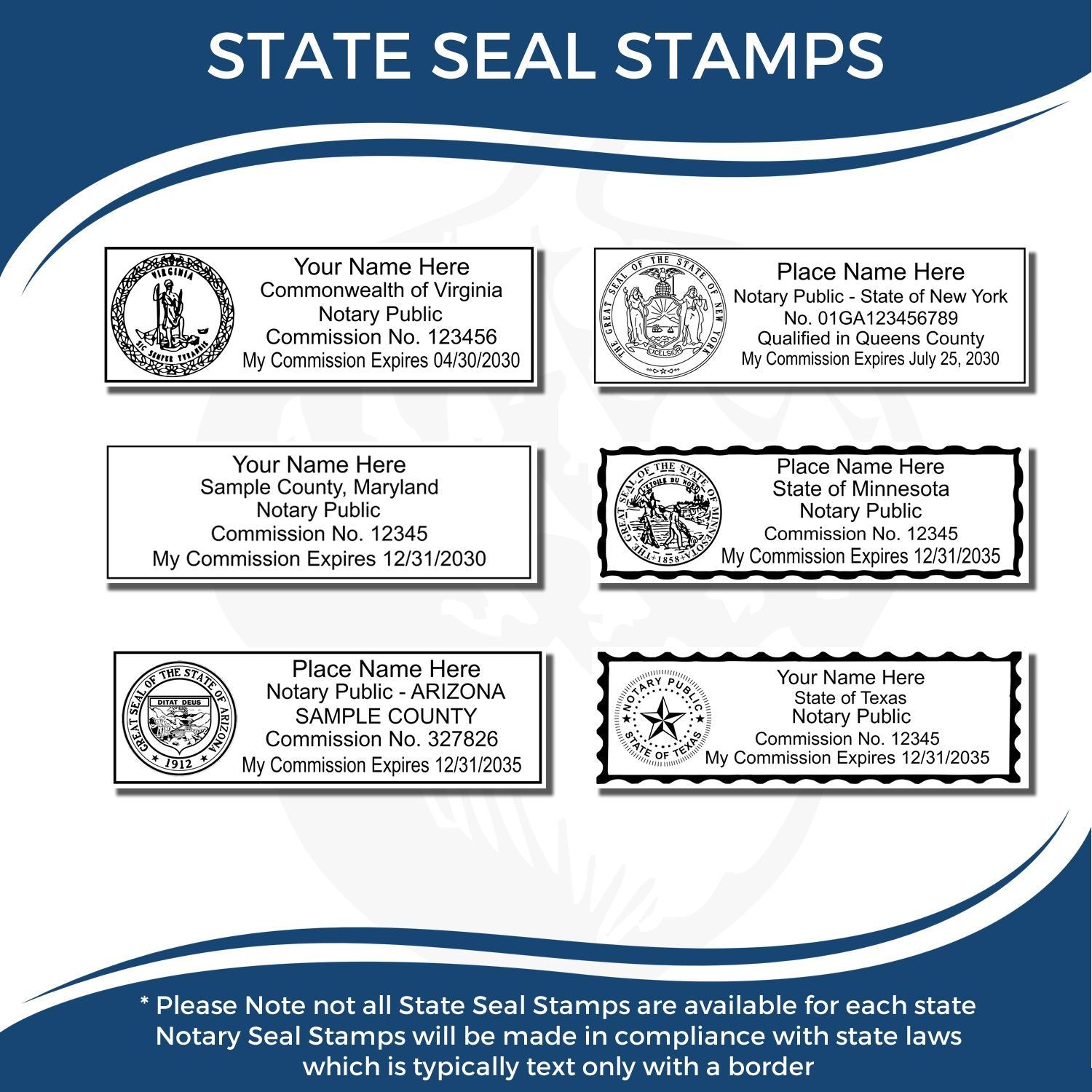
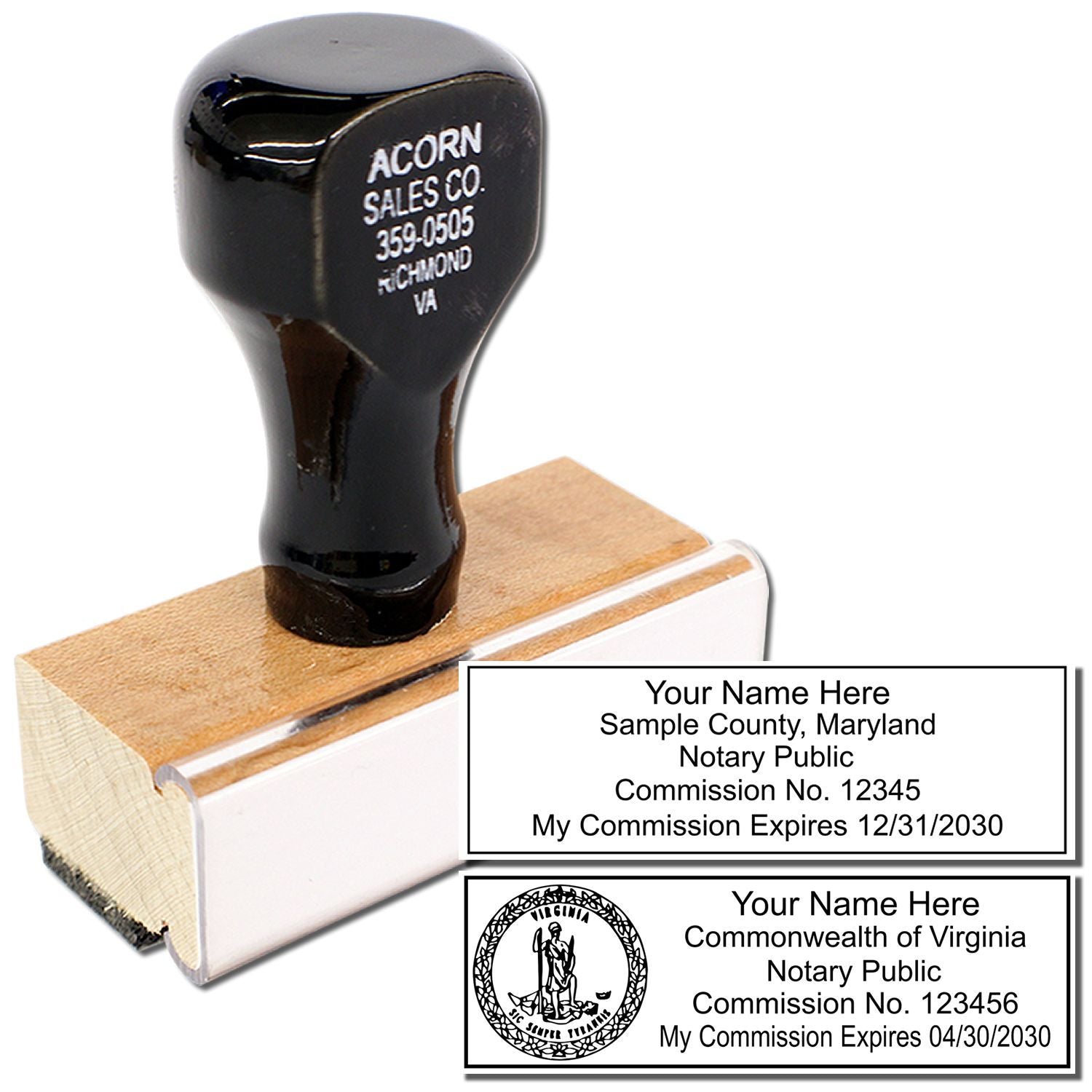
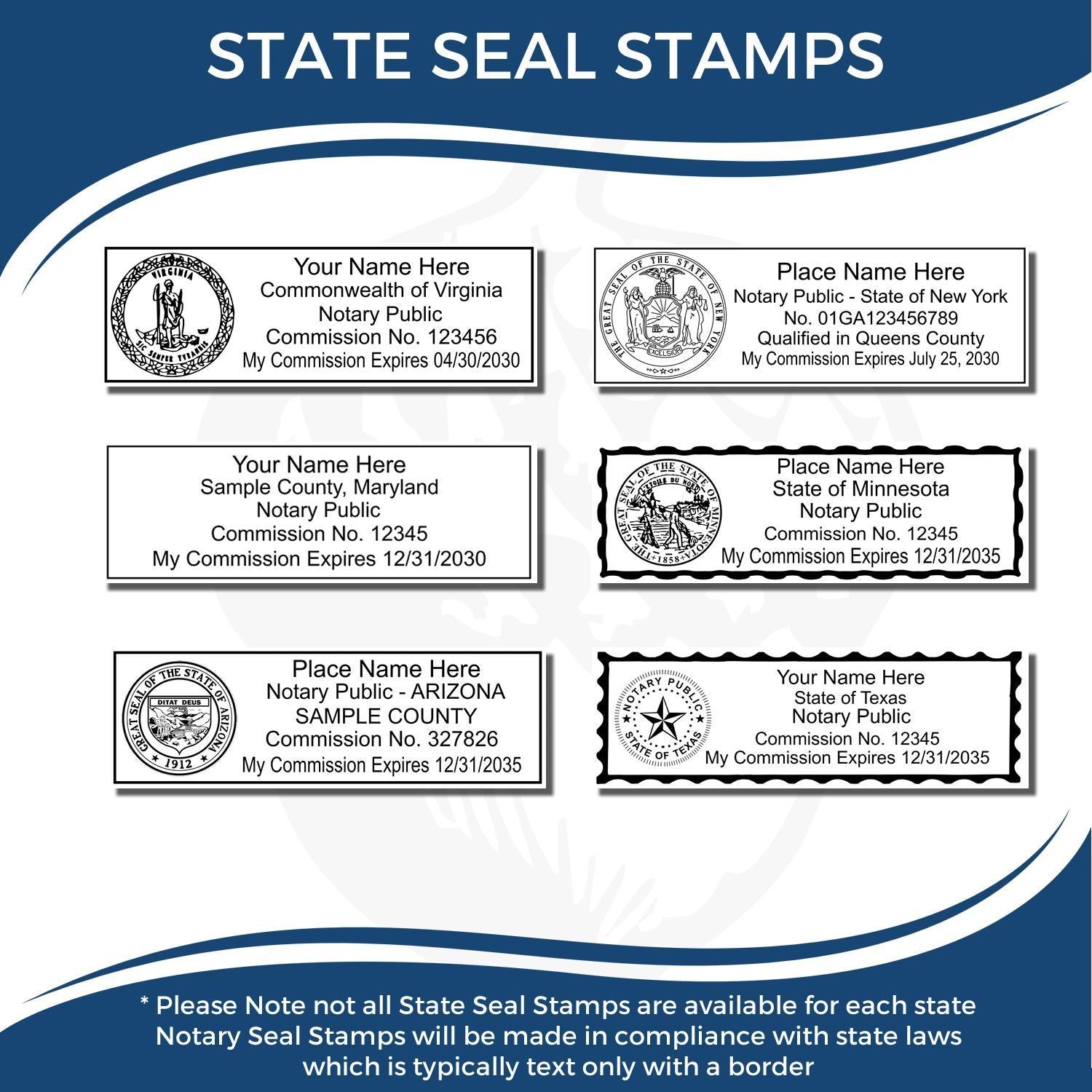


Key Elements of a Quality Stamp
- Clear Impression: This is perhaps the most important feature. If the text isn’t legible, the stamp won’t serve its primary function.
- Correct Text: Ensure your name, the words “Notary Public,” “Commonwealth of Massachusetts,” and any required expiration date or commission number appear exactly as mandated.
- Appropriate Size: Stamps that are too large might not fit neatly on documents, while those that are too small might be unreadable. Aim for a balanced design that suits most standard document formats.
- Ink Quality: You want ink that doesn’t fade quickly and doesn’t smudge on various paper types. High-quality ink also helps maintain a professional appearance.
Notary Versus Corporate Stamps
You might have seen corporate or address stamps before. Those often look similar but don’t carry legal significance. A Massachusetts notary stamp is officially recognized for notarizing documents. So, while a custom address stamp might share a similar mechanism, it’s not interchangeable with a notary stamp. Accuracy is absolutely non-negotiable.
Explore Stamp Varieties
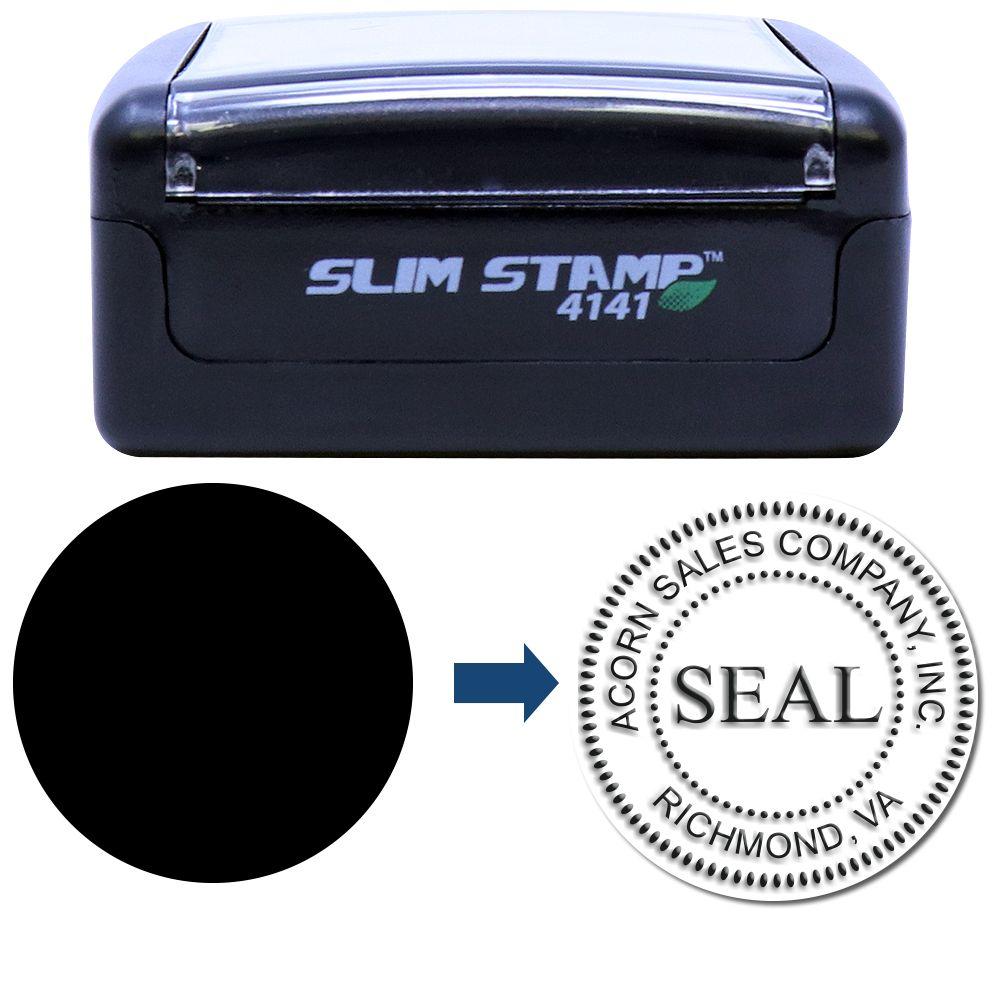
Whether you prefer a self-inking stamp, a pre-inked stamp, or the classic wood-handle rubber stamp, you’ll want to explore the pros and cons of each. Let’s look at the main formats so you can decide which style best suits your day-to-day notary tasks.
Self-Inking Stamps
A self-inking stamp contains a built-in ink pad. When you press down, the stamp die flips against the ink pad, then transfers the ink to your paper. This design can produce thousands of impressions before the pad needs replacing. It’s popular for notaries who do moderate to high volumes of notarizations, because it’s quick and easy to use.
Key advantages:
- Fast, consistent impressions
- Suitable for high-volume tasks
Potential drawbacks:
- Bulkier design, less compact for storage
- Requires occasional pad replacement
Pre-Inked Stamps
Pre-inked models contain the ink in the stamp die itself, allowing for extra-sharp impressions. Typically, these stamps last for thousands of uses, often producing clearer details than self-inking options.
Key advantages:
- Very crisp and detailed impressions
- Quiet operation
- Often smaller, more simpler
Potential drawbacks:
- Generally cost a bit more upfront
Rubber Handle Stamps
You’ll recognize these as the traditional wooden or plastic-handled stamps. They require a separate ink pad. Some notaries appreciate the classic look and customization options, but you’ll need to handle an external ink pad each time you stamp.

Key advantages:
- Traditional, nostalgic feel
- Usually the most cost-effective option
- Easy to store in small compartments
Potential drawbacks:
- Slower stamping process
- Requires carrying an external pad
Ensure Legal Compliance
You’ve probably noticed how important it is for your notary stamp to meet Massachusetts standards. While it might sound like a formality, compliance issues can lead to legal headaches down the line. If your stamp is missing critical information or isn’t legible, a court or other authority could question your notarizations.
Double-Check the Required Details
- Full Name: Make sure it matches the name on your commission exactly.
- Title: “Notary Public” or a close variant should be included.
- Massachusetts Reference: The stamp must indicate the state you’re commissioned in.
- Additional Info: Some notaries add the commit expiration date or commission number. Confirm if that’s mandatory or optional in Massachusetts.
Know What’s Optional
In many states, notaries can request “embellishments” like decorative borders or additional wording, so long as those don’t obscure the primary details. A border can make your stamp look polished and professional, but it’s not mandatory unless specifically noted by the state. Always keep legibility at the forefront.
Enjoy Major Benefits
Why invest in a high-quality Massachusetts notary public stamp, rather than just grabbing the cheapest option you find? It comes down to longevity, professionalism, and peace of mind.
- Professional Appearance: A clean, sharp stamp impression shows clients (and any inspectors or courts) that you take your role seriously.
- Reduced Errors: A smudgy stamp can lead to rejections or re-work. Clear impressions help ensure documents are accepted the first time.
- Longevity: Stamps that are built with quality materials tend to last far longer, even under heavy use.
- Time Savings: With a reliable stamp, you reduce the risk of repeated impressions or messy mistakes, which can slow you down.
Think of it as an investment in your reputation. A better stamp means more consistent performance and fewer headaches in the field.
Choose Acorn Sales
At the center of your notary success is a dependable supplier. Acorn Sales has served notaries and professionals for over 60 years, providing top-quality stamps, seals, and more. Our dedication to quick turnaround times means you’ll never have to wait too long for your order, letting you get your notary work up and running fast.
Over Six Decades of Experience
Being a stamp and seal maker for six decades speaks to our reliability. With changing laws and evolving technologies, Acorn Sales has adapted to ensure we remain at the forefront of notary supply solutions. We understand how important compliance is, so we stay on top of any updates to ensure your stamp always aligns with Massachusetts standards.


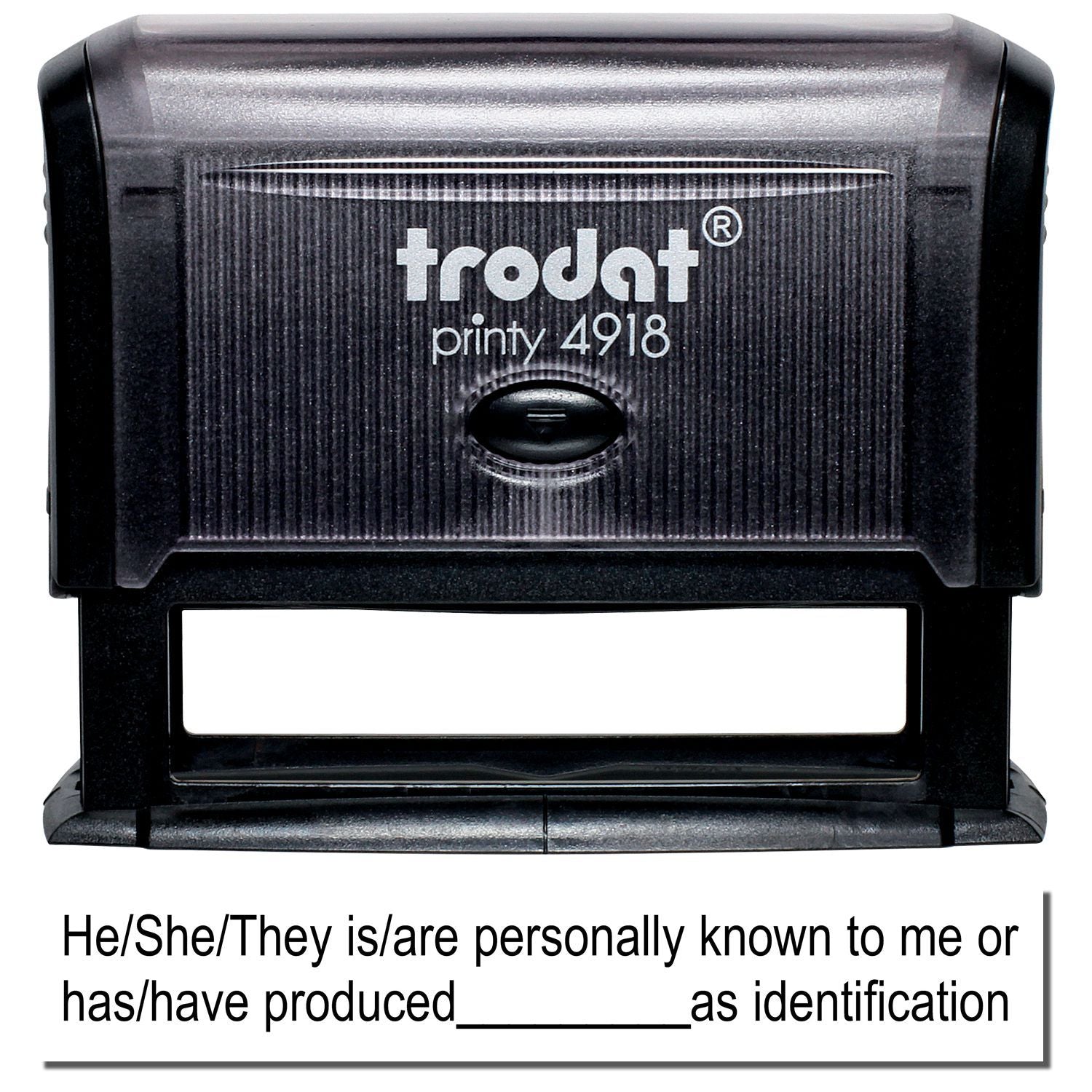
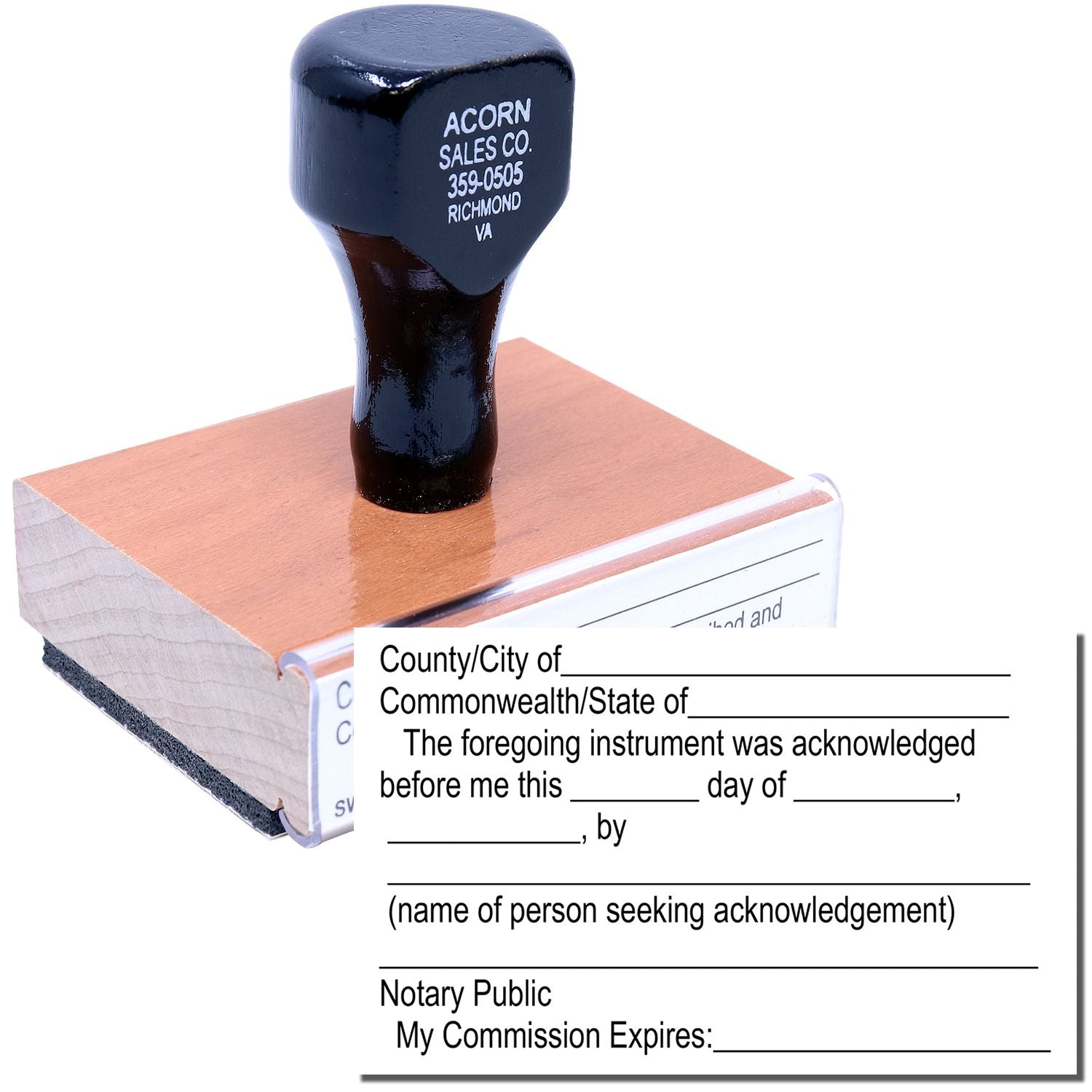
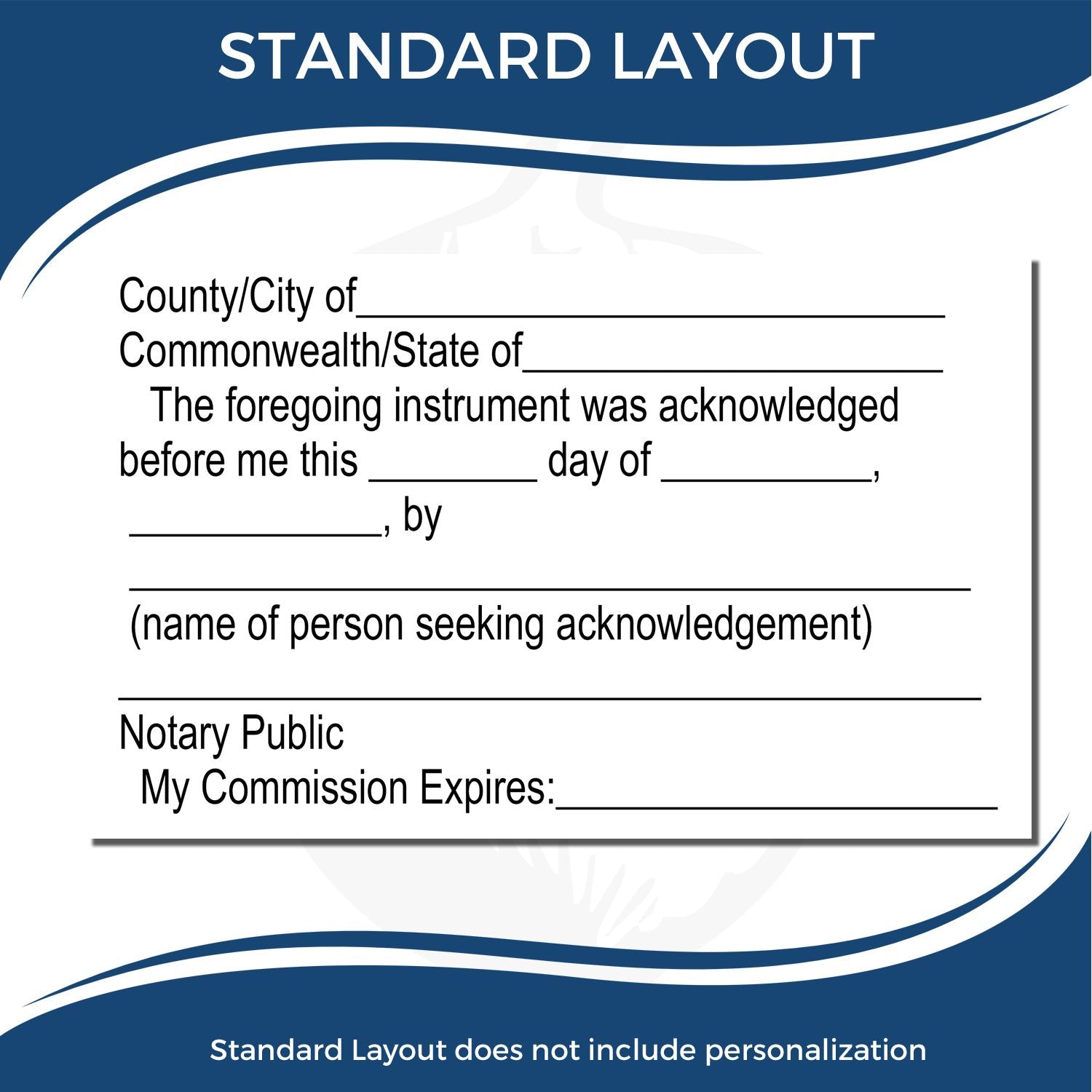
Compliant Seals and Stamps
When you order from Acorn Sales, you can trust that every Massachusetts notary public stamp we offer meets the current legal requirements. We make it a point to confirm the wording, layout, and overall design comply with Massachusetts guidelines. Having the right details on your stamp is the difference between a valid or rejected notarized document.
Quick, Helpful Service
One of the most frustrating parts of purchasing notary supplies can be the wait time. On a commission renewal or a very first stamp, time is of the essence. At Acorn Sales, we pride ourselves on delivering your order quickly without compromising on quality. Our friendly support team is ready to answer questions about ink preferences, best practices for stamp care, or any other concerns you might have.
Consider Additional Supplies
Although a Massachusetts notary public stamp is a key component, you may also need a few other items to do your job effectively. After all, being prepared with the right supplies ensures you can handle various notarial acts without missing a beat.
Seals, Embossers, and More
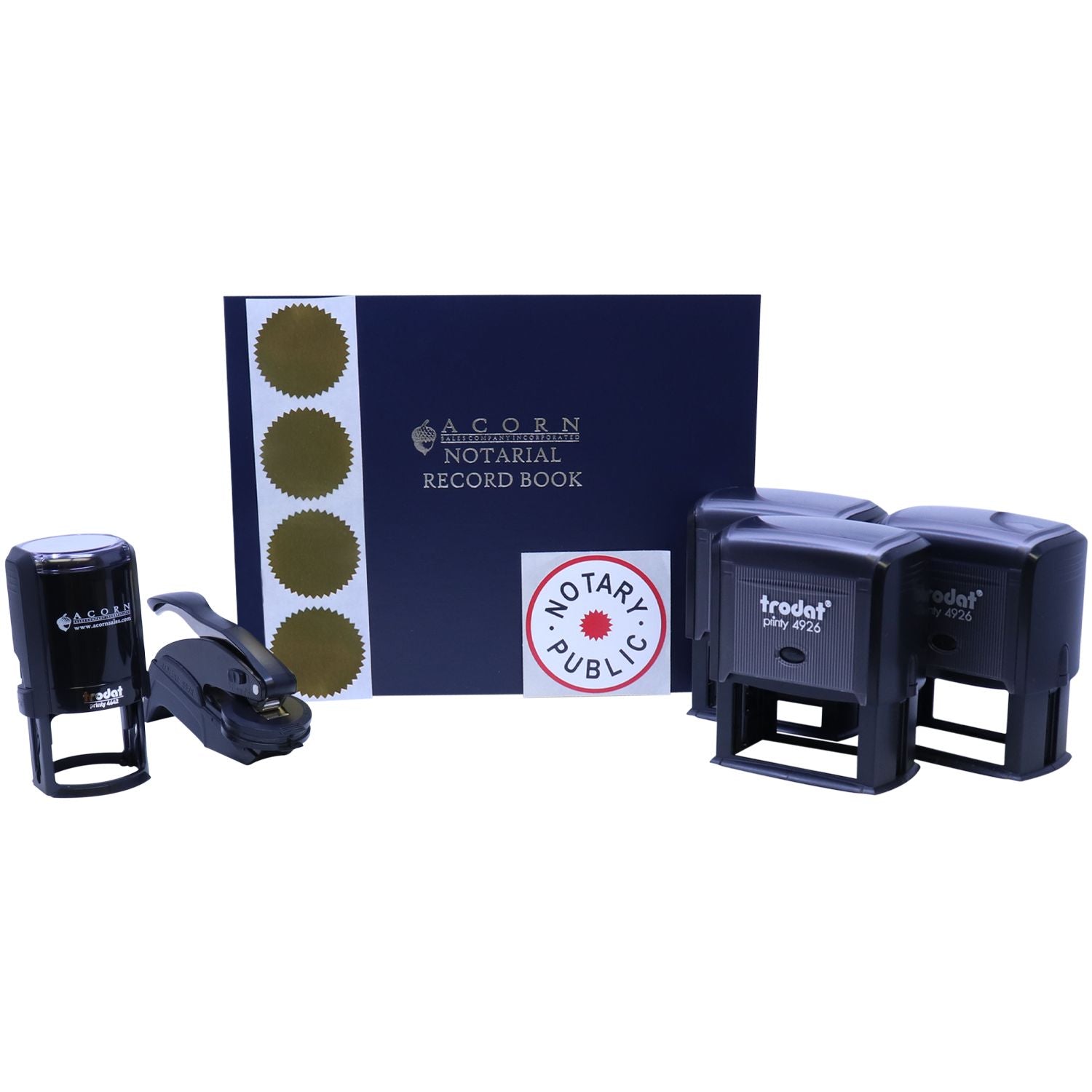
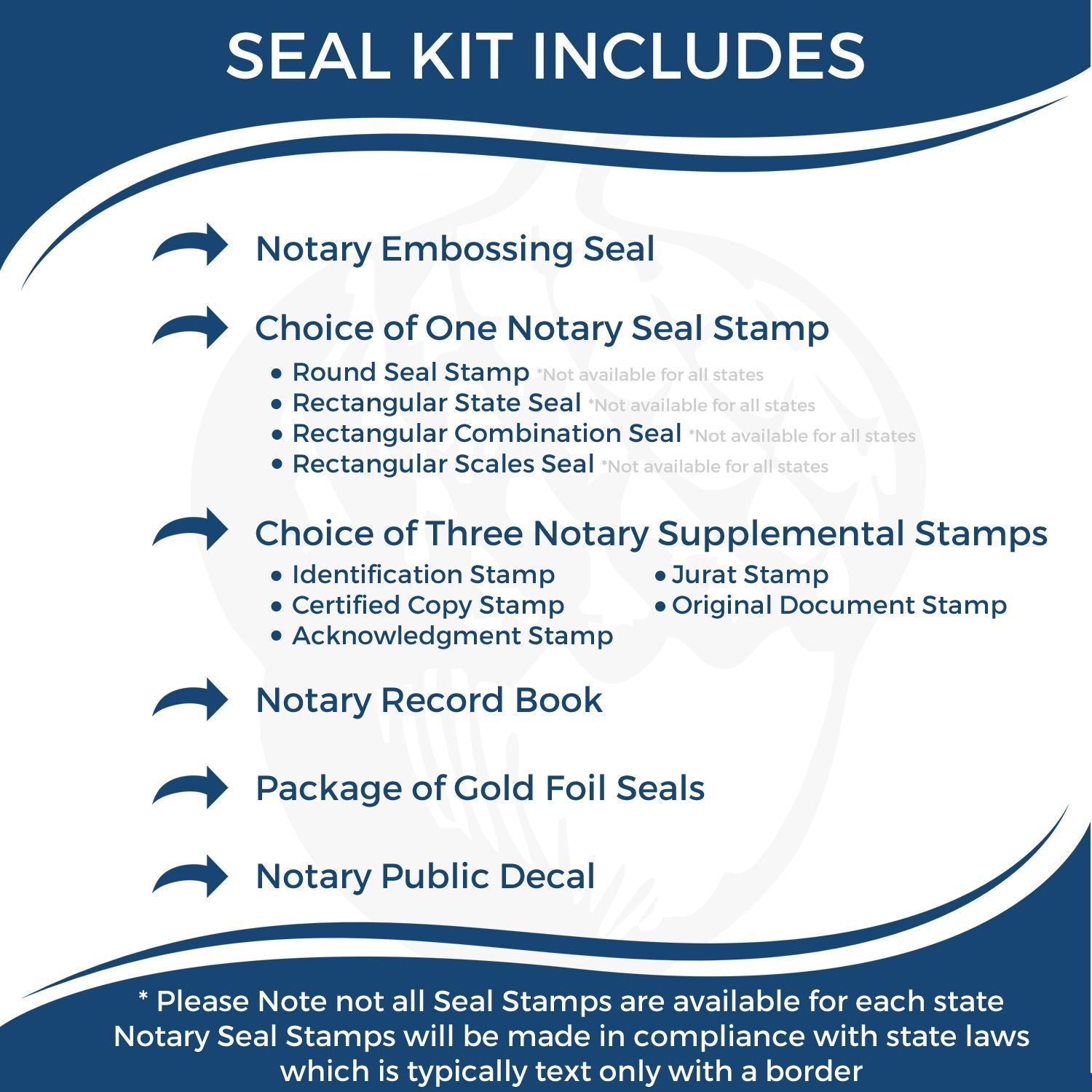
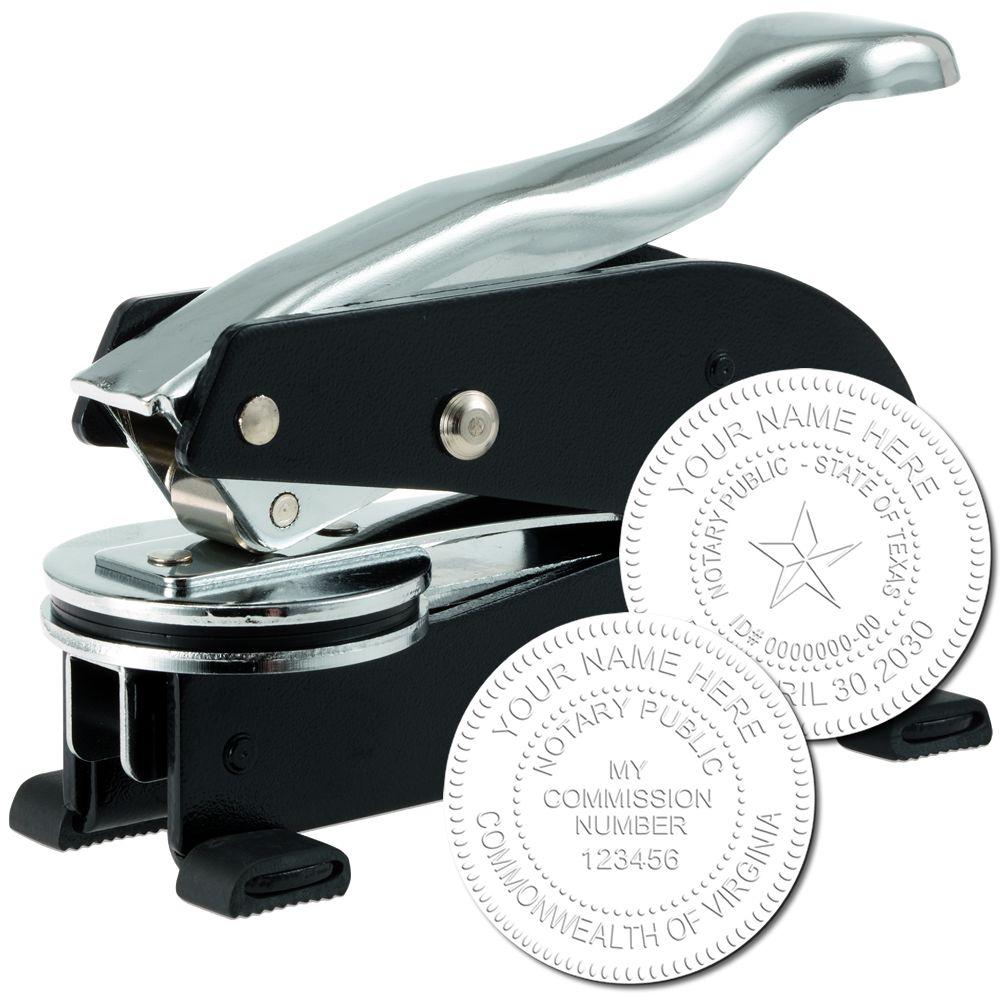
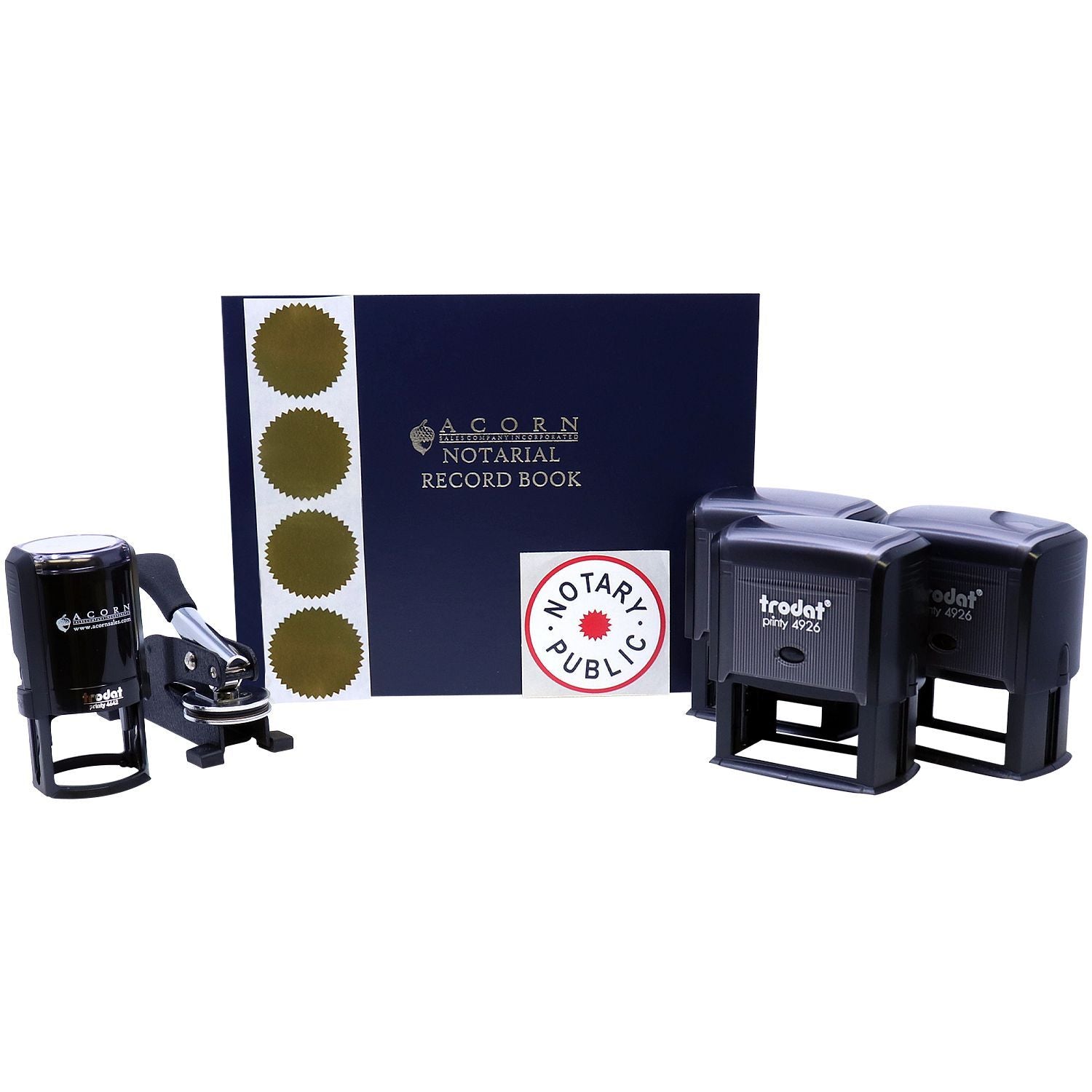
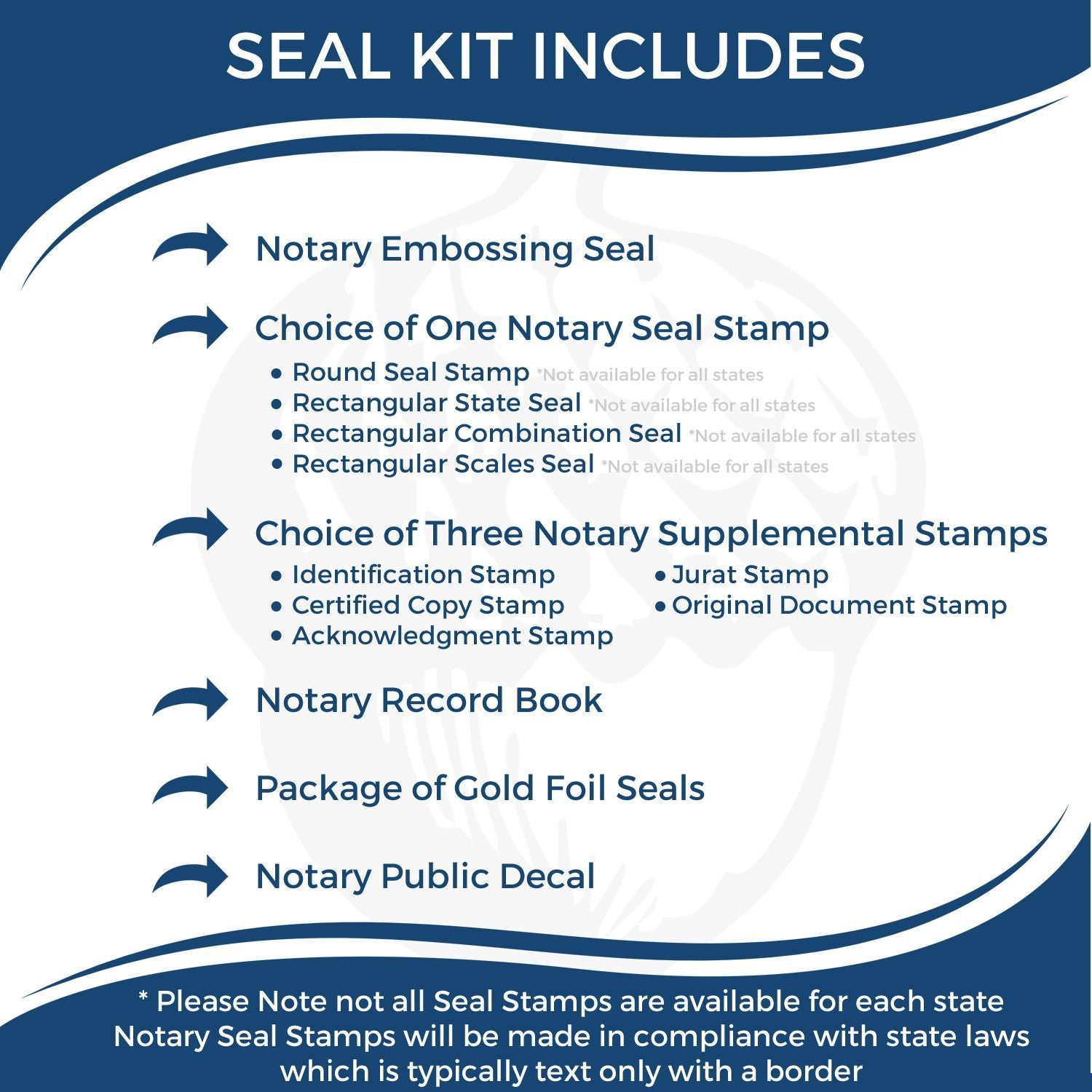
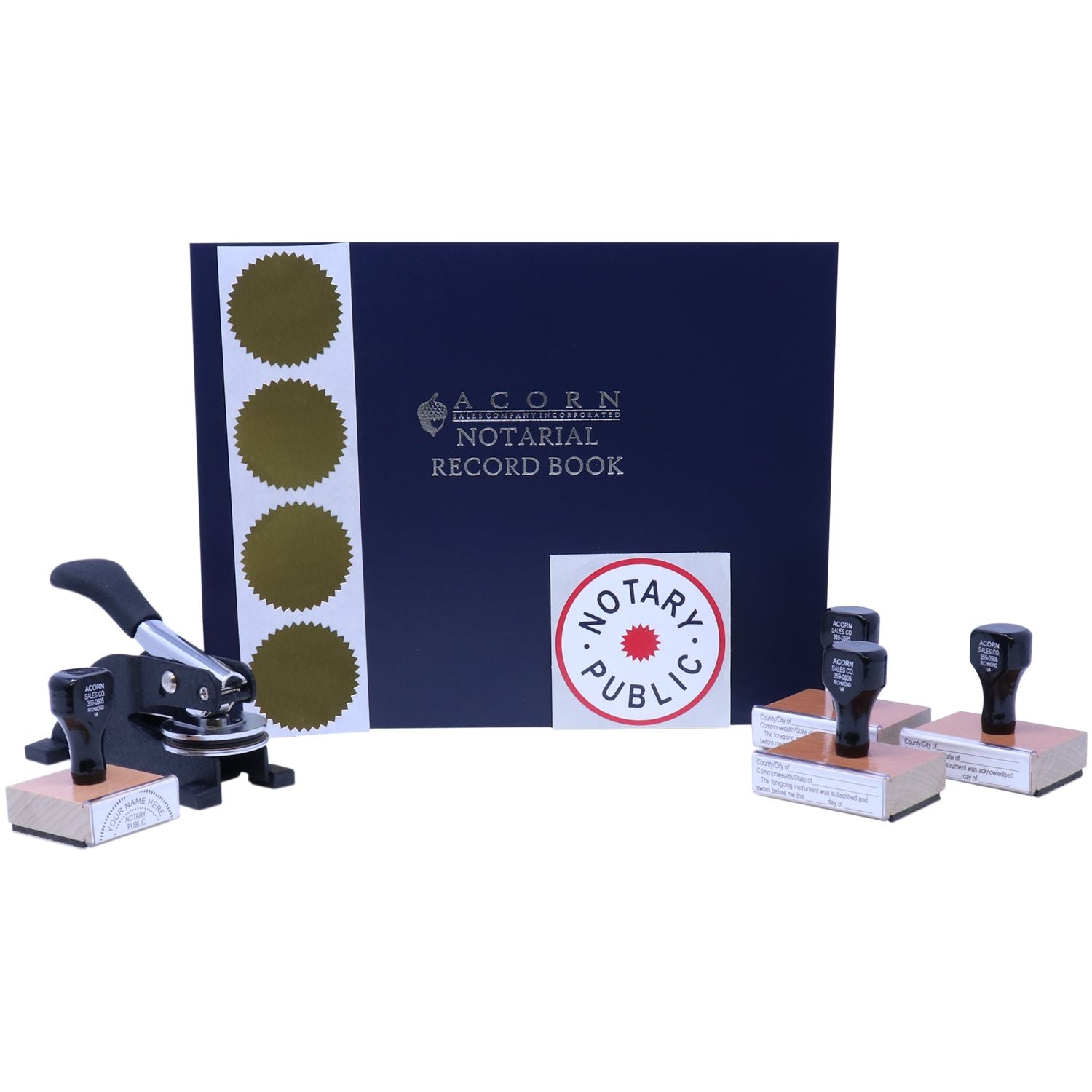
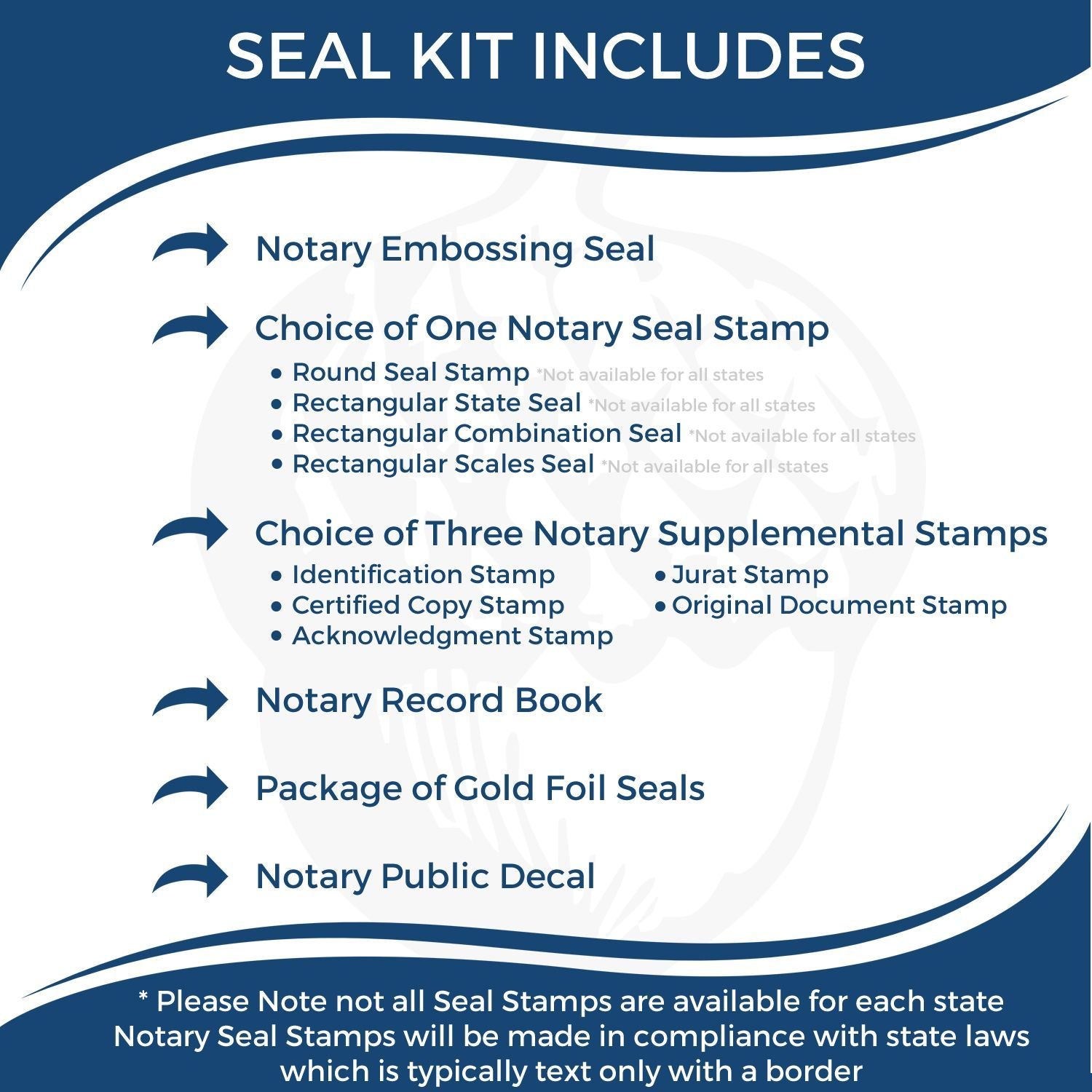
In certain situations, you might need a raised seal or embosser. While Massachusetts typically requires a simple ink stamp, an embosser can offer an extra level of authenticity. It’s sometimes used in legal or corporate settings where raised impressions are still popular. Meanwhile, a regular notary seal handles standard paperwork well. If you want an one-stop shop, you can explore your options at Massachusetts Notary Supplies to find everything from seals and stamps to notary journals.
Notary Record Book or Journal
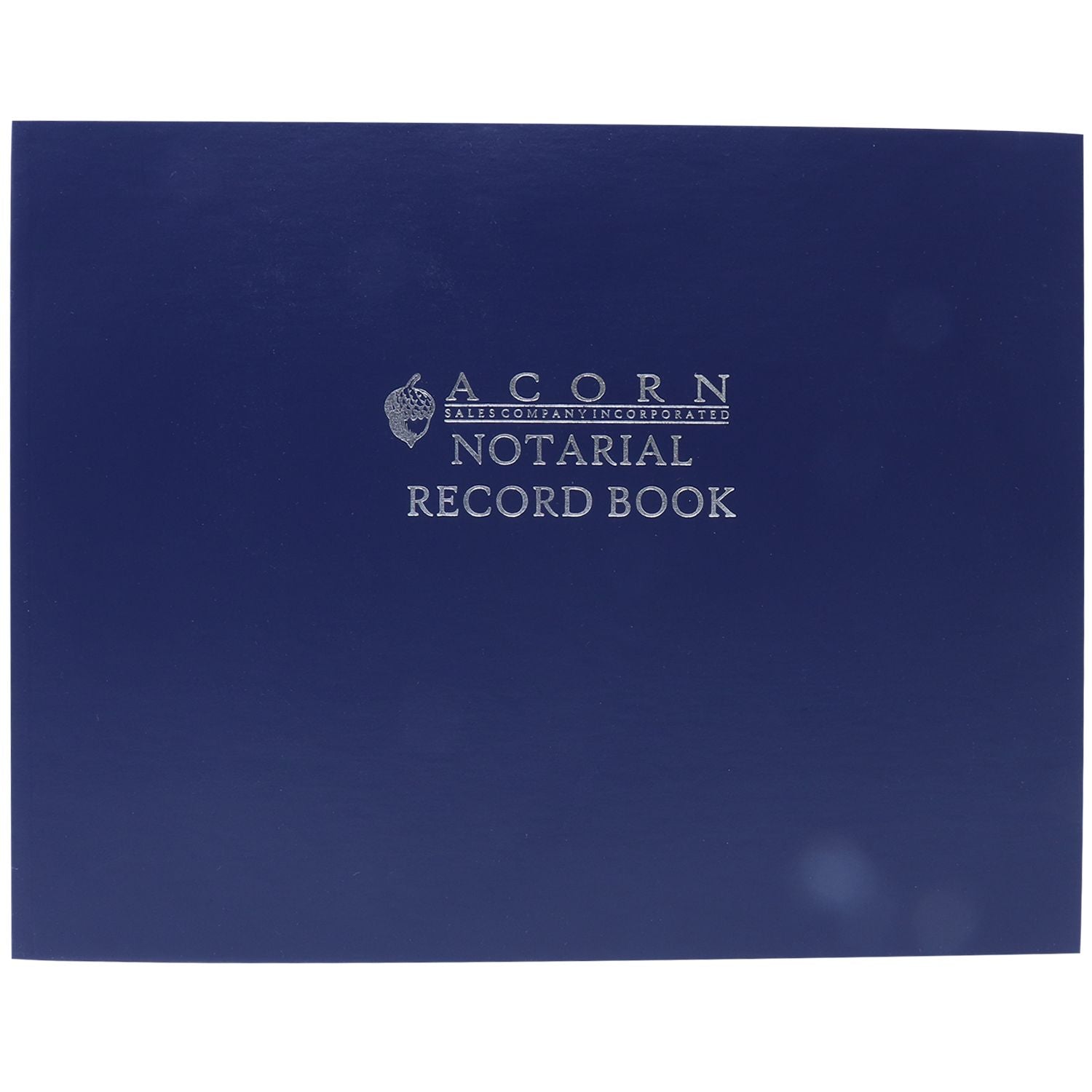
Massachusetts law might not strictly require a record book in all situations, but best practice is to keep one. A detailed, up-to-date journal lets you track essential information about each notarization, which can protect you if questions arise down the road. Pulling out a written or digital journal entry can immediately clarify who signed, when they signed, and what documents you notarized.
Other Helpful Tools
- Extra Ink Pads (for rubber handle or self-inking stamps)
- Lockable Storage Box (to safeguard your seal, stamp, and journal)
Having these extras on hand keeps you ready for high-volume days and unexpected challenges. Nothing’s worse than having to turn away clients because your stamp suddenly runs dry.
Maintain And Store
A little maintenance goes a long way toward preserving your Massachusetts notary public stamp. And since each state expects notaries to keep their tools secure, proper storage extends the life of your stamp and keeps you compliant.
Clean the Stamp Face
Stubborn ink build-up can dull your stamp over time. A gentle wipe with a soft cloth or mild cleaner can clear away any residue. Just make sure you don’t soak the stamp in water, as that might loosen the adhesive or warp the die. A small amount of careful attention can help your stamp last for thousands of crisp impressions.
Store with Care
Leaving your notary stamp on a sunny windowsill or a hot car dashboard is a quick way to degrade the rubber or polymer on the stamp face. Keep it in a cool, dry place, ideally in a protective case or drawer. If you’re using a traditional rubber handle stamp, storing it separately from your ink pad helps keep the pad from drying out. Plus, you’ll reduce the risk of accidental contact that might leave inky marks on your desk or bag.
Before you order
Choosing the best Massachusetts notary public stamp takes more thought than picking up a convenient office supply. It’s about ensuring you’re equipped to fulfill your legal responsibilities confidently and professionally. From verifying your name and title to selecting a stamp style that fits your notarial workflow, each step matters. And with a reliable provider like Acorn Sales, you won’t need to worry about compliance issues or delayed shipments.
Don’t overlook the additional supplies that can make your job simpler, like a quality journal or embosser. And remember, proper maintenance keeps your stamp stamping strong for years. Ready to get started? Explore your options through Massachusetts Notary Supplies to find everything you need. With quick turnaround and over six decades of experience, Acorn Sales has you covered from the moment you place your order until your very last notarization. If you have any other questions, don’t hesitate to reach out for personalized assistance. You’re just a few steps away from a smoother, more confident notary experience!
Frequently Asked Questions
Do I need a new stamp if I change my name?
Yes. Whenever the name on your notary commission changes, Massachusetts generally requires you to update your notary stamp. Make sure your legal name matches your stamp to avoid any discrepancies and potential document rejections.
Is an embosser required in Massachusetts?
Typically, Massachusetts does not require an embosser. An ink stamp that meets state guidelines is sufficient. However, some notaries like to have an embosser available to satisfy clients who request or prefer raised seals, especially in formal or high-profile transactions.
Can I store my stamp in my car?
It’s not recommended. Extreme temperatures in a parked car can dry out ink or warp the stamp’s surface. It also increases the risk of someone stealing or misusing your notary tools. Keep your stamp stored in a safe, consistent environment.
What should I do if I lose my notary stamp?
You should report it to the appropriate state authorities right away. Failing to do so could leave the door open to fraudulent use of your seal. Many notaries also note the loss in any personal records they keep, just in case proof is needed later.








