
Your Starting Point
Have you ever paused and thought about what makes an interior designer in Canada truly “official”? Beyond honing your design talent, there is one small but significant detail you cannot overlook: the Canada Interior Designer Certification Stamp. This stamp confirms that your work meets specific professional standards and that your drawings comply with local regulations. It might sound like just another bureaucratic step, but trust me, it’s a key credential you need to show you are ready to practice in accordance with Canadian guidelines.
When you’re delivering final plans to clients, architects, or local building authorities, having a recognized stamp or seal demonstrates not just your legal right to practice, but also your commitment to quality. Clients like to know they’re dealing with a certified designer who follows established codes. Meanwhile, officials use your stamped documents to confidently verify that your plans align with any relevant safety and design regulations. Essentially, your certification stamp says, “I’m legitimate and I stand behind my work.”
In this guide, you’ll learn about Canada-specific requirements, how the certification stamp works, and why it matters. You’ll also see what goes into choosing a stamp supplier, how to keep your stamp in top condition, and the ways a simple piece of ink can elevate your professional presence. By the time you’ve finished reading, you’ll be ready to get your official Canada interior designer certification stamp squared away so you can focus on designing spaces that wow your clients.
Understand Canada’s Requirements
Canada sets professional guidelines for interior designers. Some requirements vary by province, so it’s a good idea to check your regional rules, especially if you’re aiming for official registration or licensing. Let’s walk through key elements that usually come into play:
-
Education and Training
- You may need a degree or diploma recognized by the relevant professional associations. Commonly, getting a CIDA (Council for Interior Design Accreditation) recognized education will help.
- Some provinces might require a set number of supervised work hours, so keep track of your internship or apprentice details.
-
Provincial Regulations
- Specific registration bodies like Interior Designers of Canada (IDC) or provincial associations guide local standards.
- You might have to pass the NCIDQ (National Council for Interior Design Qualification) exam, which tests various aspects of design competency and ethics.
-
Proof of Competence
- Once you meet the education, exam, and experience requirements, you can submit your application to the relevant authorities.
- After official approval, you get the right to practice and the authorization to use a certification stamp or seal.
It may feel like a handful of steps, but each one helps ensure designers are fully prepared. You wouldn’t want to design a space that overlooks fire safety rules or mislabels electrical fixtures, right? These guidelines protect both you and your clients.
Acquiring the Certification Stamp
Once you’ve checked off educational and licensing steps, you reach the fun part: actually getting your Canada interior designer certification stamp. This embossed or ink-based tool will become a fixture in your day-to-day design life. The process may differ by region, but it usually looks a bit like this:
-
Confirmation of Eligibility
- Before ordering, make sure you have proof of your official registration number or some kind of official acceptance letter from your provincial association.
- If you’re missing that, hold off. There’s no point in stamping documents before you have the official green light to practice.
-
Approved Stamp Design
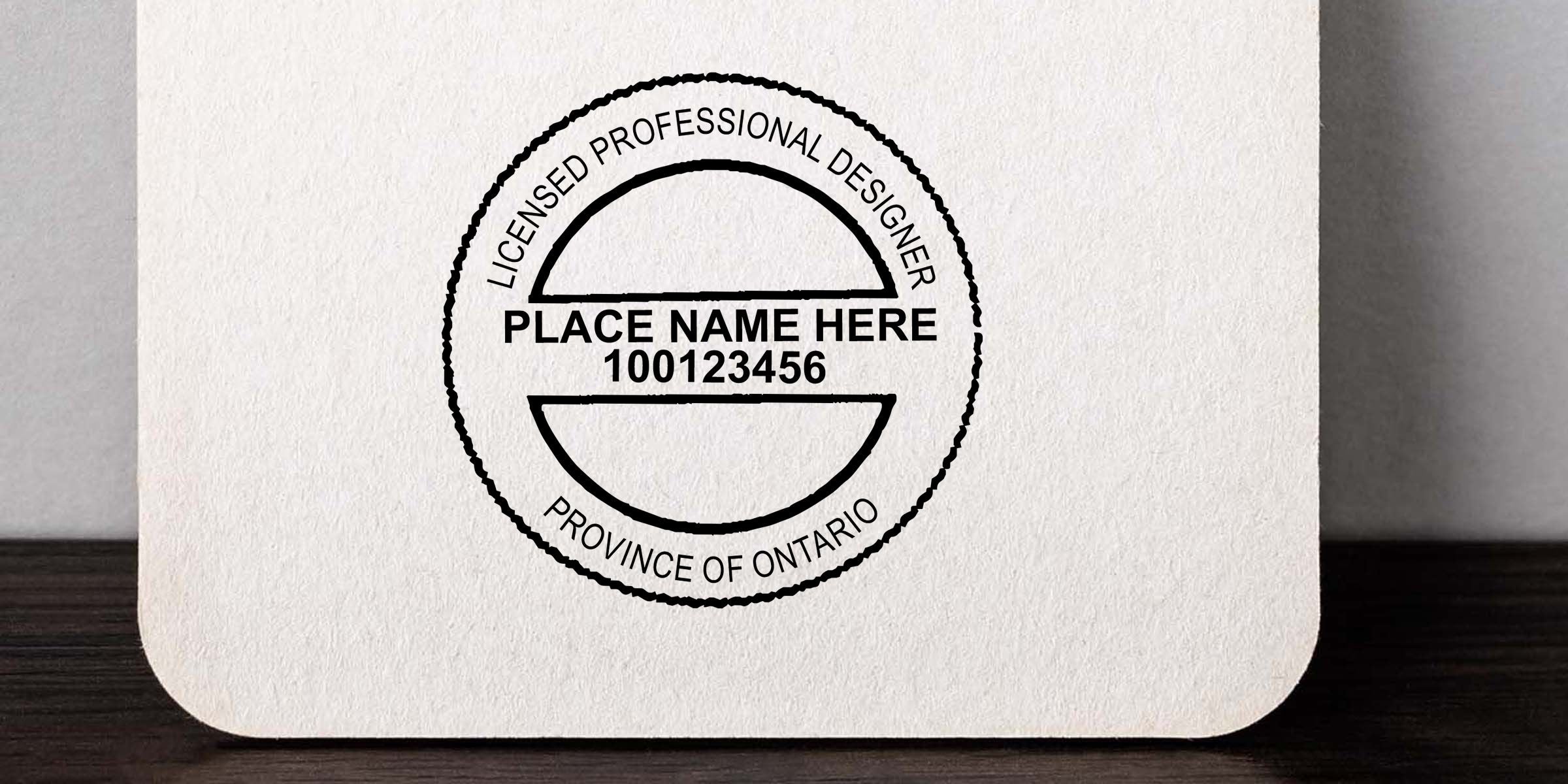
- Most associations dictate specific layouts, text, or even images on your stamp. You might be required to include your name, registration number, and the words “Licensed Interior Designer” or a variant recognized in your province.
- Some regions prefer the stamp to show a unique emblem or official crest that identifies you as part of a certain professional body.
-
Ordering Your Custom Stamp
- Once you have your official credentials, you can purchase the stamp from an approved provider or a recognized retailer that understands local rules.
- If you’d like more details, check out canada interior designer stamp for a rundown of what these official stamps typically entail.
-
Verifying Print Quality
- When your stamp or seal arrives, test it on scrap paper or sample design documents. Check that each letter and graphic is crisp and legible.
- If something looks off, contact your supplier right away for adjustments or a replacement.
That’s it. Once your stamp is ready, you can place your official mark on final drawings, letters of compliance, and more. This step places your design at the level of a recognized professional, reinforcing your credibility in a competitive market.
Why a Stamp Matters
You may wonder if you truly need a certification stamp when your resume speaks volumes about your background. The short answer is yes. Here are a few solid reasons:
- Shows Compliance: A project with a proper stamp is recognized by construction teams, clients, and municipal planners. They know it aligns with local building codes.
- Builds Trust: A prospective client is more comfortable hiring someone who can stamp and seal final plans, rather than an unregistered “designer” with zero accountability.
- Protects You Legally: A stamp or seal is part of standard documentation. When you sign off on designs, you’re also showing you’re fully insured and licensed to stand behind your plan.
- Simplifies Approvals: Municipal or provincial authorities often speed up the approval process when the official stamp is on your documents. No need for extra clarifications about your credentials.
Giving your drawings that finishing touch with a certification stamp is like adding a respected handshake to any project. Yes, it’s partly a legal formality, but it also speaks volumes about your work ethic, professional standing, and respect for recognized design standards.
Choose a Trusted Supplier
You can’t just pick up any random rubber stamp and call it a day. Getting the right Canada interior designer certification stamp is all about selecting a provider who knows the ins and outs of your professional requirements. Here’s what to look for:
Experience and Reputation
It’s always best to work with a supplier that has a proven track record. Acorn Sales, for example, has been in business since 1964, providing reliable stamps and seals for design professionals across various industries. Longevity often signals exceptional customer service and deep knowledge of specific industry needs. If a provider has stuck around for decades, there’s a good chance they have refined their craft and can deliver consistent quality.
Customized Designs
Each provincial association often dictates distinct design parameters. Choose a supplier that offers custom layouts to match your required text, crest, or other design elements. This ensures your final stamp will align perfectly with association guidelines. Avoid general “one-size-fits-all” stamps that might not be recognized by your local licensing body.
Quality Materials
Your certification stamp is an everyday tool. Look for sturdy construction and high-grade materials that won’t cave in after 100 uses. Some stamps incorporate metal frames, ensuring that the text lines up when pressed onto paper, rather than wobbling and leaving half-inked impressions. You don’t want your stamp to fade or break down in the middle of sealing an important blueprint.
Additional Services
Reputable suppliers frequently offer more than just a stamp. For instance, at Acorn Sales, you receive a free digital seal along with your physical stamp. This digital option is super handy if you need to email documents or quickly attach your seal to PDFs. Think of it as doubling your convenience: you have the physical imprint for official hard copies and a digital version to save time on reprints.
Maintain Stamp Quality
Once you have the perfect certification stamp, you’ll want it to hold up under frequent use. Similar to how you organize your brushes and color palettes, caring for your stamp ensures it remains a reliable tool. Consider these maintenance tips:
-
Store It Safely
- Keep it in a hinged case or a designated desk drawer. If dust accumulates on the surface, it can interfere with ink transfer.
- Avoid extreme heat or direct sunlight that can warp the rubber surface or dry out the ink pads.
-
Re-Ink Thoughtfully
- If you use a self-inking stamp, follow manufacturer instructions to replace or refill the ink pad. Don’t overfill, or you’ll end up with blotchy impressions.
- For a classic wooden handle style, high-quality ink pads will extend the life of your stamp’s rubber.
-
Clean Regularly
- A quick wipe with a damp cloth can remove excess ink from the rubber die.
- Avoid harsh chemicals. They might wear down the rubber and reduce your stamp’s accuracy.
-
Inspect for Wear and Tear
- If letters start smudging or lines look dull, you may need to replace the entire rubber die.
- Keep tabs on older stamps. Even well-made designs eventually degrade from thousands of impressions.
By giving your stamp the same level of care that you give the rest of your design tools, you preserve professional clarity on every imprint. Crisp, legible stamping ensures that no one has to squint to understand your official credentials.
How the Stamp Boosts Professionalism
Seals and stamps are often overlooked, but they can reinforce your branding more than you realize. Imagine handing a beautifully printed layout or blueprint to a client. When they see your official certification seal in the corner, it highlights three things:
- Consistency: You have the same mark on all your professional documents, from design proposals to final plan sets. This uniformity speaks to your reliable process.
- Seriousness: Stamping your final designs is not just about legal compliance. It’s also about telling clients, “I’m 100 percent invested in your project because I’m putting my professional reputation on the line.”
- Clarity: In some cases, your official stamp will include your name and license number. This clarity leaves little room for confusion about who is handling the work or who to contact if questions arise.
If you ever branch out or collaborate with other design-oriented professionals, that stamp can lead to powerful brand recognition. Future partners, vendors, and industry peers will see your name repeatedly, tied to a consistently high standard of work.
The Convenience of a Digital Seal
In today’s digital age, you’re probably emailing PDFs of floor plans or sending out digital concept boards. Printing everything out just to stamp it can be time-consuming, not to mention wasteful. That’s where a free digital seal, such as the one offered by Acorn Sales, can save you a ton of hassle.
Picture it: you finalize your design plans on a drafting software, convert them to a PDF, and then apply your digital stamp in a matter of clicks. No messy ink or last-minute runs to the office supply store for a new pad. Once you embed that official seal, your file is good to go for digital submission.
Municipal or regional bodies increasingly accept electronically sealed documents, as long as the seal meets their authenticity standards. It’s crucial, of course, to confirm that your local authority recognizes digital submissions, but in many cases, it’s quickly becoming the norm. That means you can respond faster to client or municipal requests and keep your projects moving at a solid pace.
Partnering With Acorn Sales
If you’ve been following along, you’ve gathered that selecting a trusted supplier is vital to ensure the quality and compliance of your certification stamp. Acorn Sales, in business since 1964, is a go-to name for countless designers, engineers, and other professionals needing official seals. Our decades of experience mean we understand the precise guidelines required for different provinces. We never mass-produce a random design that might put your credentials in jeopardy. Instead, we tailor each stamp to guarantee your markings are consistent with the guidelines you must follow.
On top of that, you get a free digital seal for your reference. That means you’re set up for both paper-based applications and quick digital submissions. We aim to remove obstacles, so you can direct your energy toward designing spaces that delight. Because, let’s face it, reviewing color palettes and furniture options is way more enjoyable than chasing down administrative requirements.
Extra Tips for Compliance and Documentation
Sometimes, balancing design creativity with the bureaucracy of official documents feels daunting. One moment you’re sketching a bold accent wall, the next you’re trying to decipher local building codes. To help you manage it all, keep these compliance tips in mind:
- Stay Updated on Local Rules: Building and safety regulations can change. Subscribe to newsletters from professional organizations or check your provincial authority websites every few months.
- Keep Clear Records: Every design modification you stamp is part of your professional responsibility. Maintain a digital file that logs each plan set you approve, just in case you need to reference it later.
- Use the Stamp Wisely: Only stamp designs you’re confident about. If the client or contractor wants final tweaks after you’ve stamped the document, you may need to produce an addendum or even re-stamp the revised drawings.
- Revisit Your Licensing Body’s Rules: Renewal cycles often include continuing education courses or refresher exams. That means you might need to renew your license or follow new design guidelines. If your license lapses, you can’t legally stamp your documents until it’s re-approved.
By following these steps, you’ll avoid headaches and keep your designs moving smoothly through approvals, client acceptance, and on-site execution.
That depends on the stamp’s materials and how frequently you use it. If you see the imprint fading or the rubber surface wearing out, it’s best to replace it for a crisp, legible impression. A high-quality stamp can last years, especially with regular care and re-inking.
You’re now fully informed about the Canada Interior Designer Certification Stamp. Whether you’re double-checking local guidelines or actively scouting for a vendor, remember that your stamp proves your qualifications at a glance. Consider a supplier like Acorn Sales, especially if you want a free digital seal and a customized layout that lines up perfectly with Canadian standards. This practical step is about more than just obeying the rules. It’s also a badge of trust that showcases your professional dedication and your readiness to shape functional, creative designs for your clients. Good luck stamping!
Frequently Asked Questions
What Is the Difference Between a Stamp and a Seal?
Both are methods of official validation. A “stamp” typically uses ink to leave your credential details on paper, while a “seal” can reference an embossed impression or a digital imprint. In many contexts, professionals use the term “stamp” and “seal” interchangeably to show their authority on documents.
Do I Need a License Before Ordering My Stamp?
Yes. Always ensure you hold an active, recognized license or registration number before you order. Otherwise, your stamp won’t be valid. You typically have to provide proof of registration to your chosen supplier, confirming your credentials before they’ll finalize the order.
Can I Use a Digital Stamp Instead of a Physical One?
Often, yes. Digital seals are increasingly recognized by many Canadian authorities. That said, check your provincial requirements first. Some agencies still prefer or mandate a physical stamp for certain official filings. With a free digital seal from Acorn Sales, you can easily cover both bases.








