
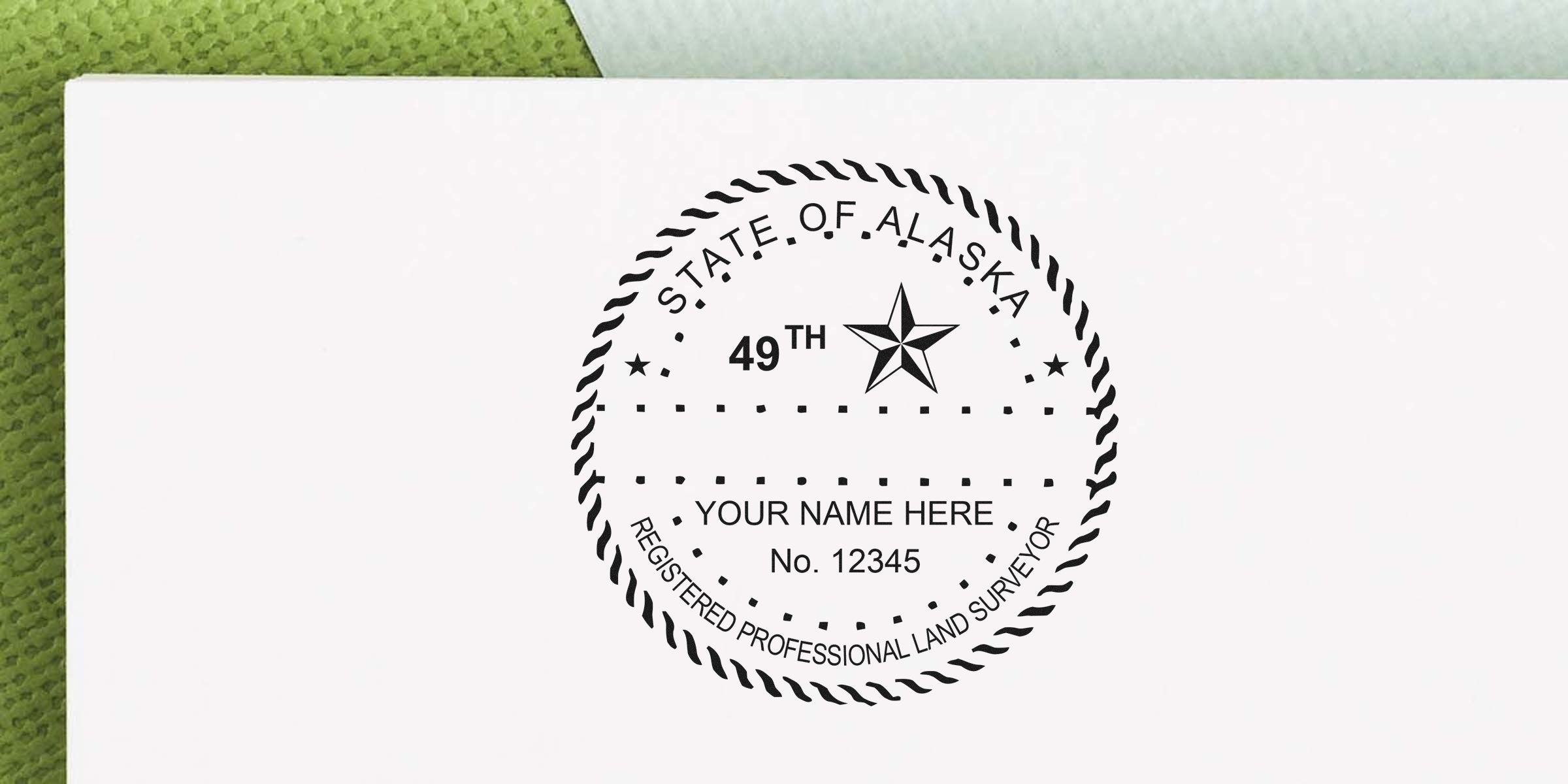
Whether you’re just starting out as a Land Surveyor in Alaska or you’re a seasoned pro updating your resources, understanding the Alaska land surveyor seal is essential. Not only does this seal confirm that your work meets state guidelines, but it also builds trust with your clients. Below, you’ll find a clear breakdown of what the seal is, what it should look like, and how to pick the best option for your surveying needs.
Understand the Basics
You already know that Alaska’s geography offers unique challenges, from rugged coastlines to remote inland areas. Your seal is a key piece of professional identification that allows you to legally stamp or emboss survey documents. It carries your name, license details, and state-specific design elements.
By having your own seal, you’re essentially telling clients and reviewers, “I’m qualified and ready to take responsibility for these plans.” If the seal is incorrect or out of date, you risk project delays or even legal hassles. So, taking time to set up the correct seal now can save you frustration down the road.
Why the Seal Matters
- Proves your official licensing within Alaska.
- Ensures the validity of all your survey documents.
- Helps you stay on top of compliance requirements.
Seal Versus Stamp
If you’ve come across both an Alaska land surveyor seal and a stamp, you might wonder if there’s a difference. Usually, “seal” refers to the overall design (including text and outer ring), while the physical “stamp” is the tool that creates the impression. In many cases, you’ll find that the state guidelines use the term “seal,” but the device that you buy may be referred to as a “stamp,” an embosser, or something else. They all serve the same legal function.
Follow State Requirements
Alaska’s regulations lay out specific criteria for what your seal must include. Always confirm the latest guidelines by checking with the Alaska State Board of Registration for Architects, Engineers, and Land Surveyors. Rules can evolve, so it’s smart to double-check if it’s been a while since you obtained your license.
Key Elements to Include
- Your full name as it appears on your license.
- Your license number, clearly visible.
- “State of Alaska” or a similar indication of the region.
- The words “Professional Land Surveyor” or an equivalent title.
A missing detail can cause rejections of official documents. Since no one loves rework, be sure every letter and numeral is placed exactly as required. If you have any doubts, consult the most recent guidelines or ask an experienced mentor.
Placement on Documents
Once you have the correct design, you’ll need to place the seal properly on your project documents. The conventional wisdom is to include the seal near your signature block on final drawings or pages that require validation. Some surveyors prefer an embossed seal because it’s harder to copy, while others use an ink stamp for convenience. Either method is typically acceptable as long as the seal follows Alaska’s layout rules.
Decide On Format
You have a few format options: embossers, self-inking stamps, or pre-inked stamps. Each has pros and cons, so consider your workflow before you decide.
Embosser
An embosser raises the paper’s surface, creating a unique, tactile imprint. It’s a classic choice that looks professional, but sometimes the raised impression may not scan or photocopy as clearly.
- Advantages: Hard to counterfeit, leaves a crisp, textured imprint.
- Drawbacks: Can be cumbersome for large volume stamping, and the imprint may not show well in digital copies.
Self-Inking Stamp
Designed with an ink pad built right into the structure, a self-inking stamp is convenient, especially if you’re stamping multiple documents in a short time. It usually provides a consistent look.
- Advantages: Quick, easy to use, and minimal mess.
- Drawbacks: Ink pad eventually needs refilling or replacing.
Pre-Inked Stamp
A pre-inked stamp holds the ink within its die, making it a bit cleaner, sharper, and more precise. This format can deliver a crisp imprint without an external pad.
- Advantages: High detail, longer lasting ink, less chance of smudging.
- Drawbacks: More expensive than self-inking stamps, and re-inking requires a bit more care.
Compare Stamp Materials
Not all stamps are made from the same components. The handle, base, and die materials can vary, affecting durability and ease of use. Below is a quick table comparing common material options:
| Material | Durability | Cost Range | Maintenance |
|---|---|---|---|
| Plastic | Moderate | $ | Minimal |
| Metal | High (Long-Lasting) | $$ - $$$ | May require re-lubrication |
| Hybrid (Mixed) | Above Average | $$ | Regular cleaning |
Plastic-bodied stamps suit minimal stamping needs, but if you anticipate heavy usage, consider the sturdier metal or hybrid versions. This decision often hinges on your budget, but also how frequently you’ll be marking documents.
Select a Trusted Supplier
You’ve nailed down the right seal layout and format. Next, think about where to purchase your Alaska land surveyor seal. Quality matters. You want clean impressions, legible details, and a seal that meets Alaska’s specific requirements.
That’s where Acorn Sales can help. We’ve been in business since 1964, and we provide Alaska Land Surveyor stamps and seals that match state guidelines. Each seal is meticulously inspected for accuracy. When you place your order, you also receive a free digital seal, which is super handy if you’re submitting electronic documents.
Why Choose Acorn Sales?
- Decades of expertise in professional stamps and seals.
- Guaranteed compliance with Alaska’s official requirements.
- Free digital seal included with your physical stamp or embosser.
- Multiple format options (embossers, self-inking, pre-inked).
If you’re still exploring whether a stamp or seal best fits your workflow, feel free to check out the alaska land surveyor stamp page. It offers more details on sizing, color options, and best practices for applying your seal.
Maintain Your Seal
A little maintenance effort goes a long way toward keeping your seal fresh and easy to read. Over time, dust and grime can accumulate, affecting the clarity of your impressions. Make it a habit to clean or re-ink your stamp regularly.
Maintenance Checklist
- Lightly dust the stamping surface monthly.
- Test a few sample stamps if you haven’t used it in a while.
- Re-ink or replace the ink pad once the imprint starts to fade.
- If you have an embosser, store it in a dry place to avoid rust.
Since the state board expects your seal to be legible at all times, it’s worth investing your attention in this small step of preventative care. Properly maintained tools reinforce your professional credibility and save you from rejections due to barely readable seals.
Summary And Next Steps
The Alaska land surveyor seal is more than just a formality. It’s the visual proof of your qualifications and the backbone of clear, authorized documents. By choosing the correct format, verifying state rules, and maintaining your seal, you’ll ensure smooth project approvals and a professional appearance across every survey plan you handle.
If you’re ready to place an order or simply want to browse format options, be sure to explore reliable resources. Acorn Sales has you covered with seals and stamps designed to meet Alaska’s standards, plus a free digital seal included with each purchase. Whether you need a self-inking stamp, pre-inked stamp, or heavier embossing equipment, you’re in good hands.
Take a moment to review the tips above, check your license details, and confirm your design. Then, once you’re confident everything matches Alaska’s guidelines, order a seal that delivers crisp impressions and long-term reliability. If you still have questions, reach out to trusted suppliers or consult the Alaska State Board for the most accurate and up-to-date requirements.
With the right seal in hand, you’ll spend less time worrying about compliance and more time focusing on what really matters: delivering exceptional land surveying services to your clients. Here’s to your next successful project. Happy stamping!
Frequently Asked Questions
Do I Need Both a Physical and Digital Seal?
While physical seals are essential for paper documents, many agencies now accept digital files. Having a free digital seal (which we include at Acorn Sales) is a great backup and simplifies electronic submissions.
How Often Should I Replace My Seal?
Generally, you only replace the stamp or embosser if the seal wears out or if your license information changes. Regular cleaning and proper storage can make your seal last for years.
Are Ink Colors Restricted?
Most states prefer black ink, but you can check Alaska’s guidelines to see if any other color is permissible. If you use embossers, color isn’t a factor, although you might still use an inked pad to highlight the raised design.
What Happens If the Seal Is Wrong?
If your seal is missing critical details or uses an incorrect layout, your official documentation could be thrown out. Always double-check the text and circle diameter before you buy. Acorn Sales can guide you through these details.
Is a Signature Required Next to the Seal?
In many scenarios, yes. Your seal is typically accompanied by your signature and date. Double-check official specifications to be sure your final documentation meets state rules.








