
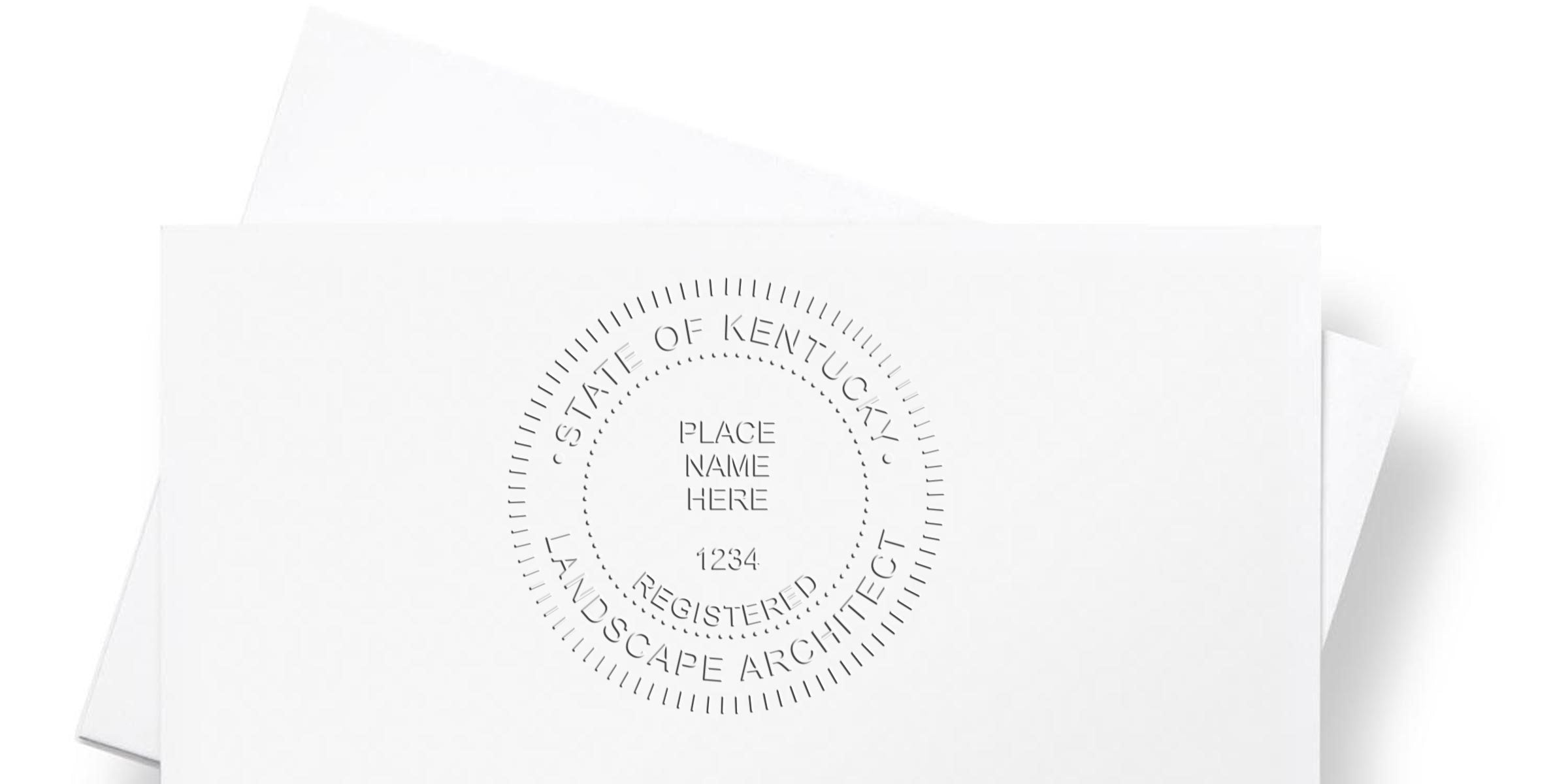
Are you looking to practice landscape architecture in Kentucky? Then you’ve probably come across the requirement for an official stamp or seal. From licensing rules to design specifications, there’s plenty to keep straight. If you’re searching for a “landscape architect stamp kentucky official” guide, you’re in the right spot. In this article, you’ll learn how to navigate the regulations for Kentucky landscape architects, discover why your seal matters, and explore the best way to get the right stamp in your hands. Let’s dive into the key details that will help you feel confident about your upcoming projects.
Understand The Purpose Of A Kentucky Landscape Architect Stamp
The Kentucky Landscape Architect Stamp isn’t just paperwork or red tape. It’s a way of verifying the authenticity of your work, showing that you’ve met state requirements, and confirming that you stand behind the plans you create. Think of it as an official endorsement that tells clients, reviewers, and regulatory bodies, “These designs came from a professional who’s authorized to practice in Kentucky.”
Reflects Professional Accountability
So, why does Kentucky require you to rubber-stamp (sometimes quite literally) your designs? First, it’s a question of accountability. By placing your stamp on a final set of drawings or documents, you’re declaring that you have followed the necessary standards and local regulations. In other words, it highlights your responsibility and expertise.
Prevents Unauthorized Practice
If you’ve wondered whether the stamp is truly necessary, imagine unqualified individuals stamping and submitting complex landscape plans for construction. Kentucky doesn’t allow that, and the stamp helps confirm that only licensed professionals are putting their plans forward. Without it, there’d be less certainty about who actually designed a project.
Bolsters Client Confidence
Ever notice how clients tend to trust pros who can show the proper credentials? Having a well-recognized stamp on your documents reassures property owners, local boards, and municipalities that your work meets Kentucky’s statewide standards. This reassurance can be crucial when you’re presenting designs for review or going after new projects in a competitive landscape.
Meet Kentucky Licensure Requirements
Before you think about which stamp to buy, make sure you have your licensure basics covered. That means getting clear on Kentucky’s specific rules so you can practice (and stamp) without hassle. Are you wondering what the general path to licensure looks like? Let’s break down the essentials.
Educational Credentials
To become a licensed landscape architect in Kentucky, you typically need a degree from an accredited landscape architecture program. This demonstrates you’ve laid the foundation for proper drafting, site analysis, horticulture, and project management. If you’re fresh out of college, you may need to gather practical experience before looking for that official stamp.
Professional Experience
Even in a friendly state like Kentucky, you can’t just hit “print” on your diploma and call yourself a licensed landscape architect. You’ll need a certain number of years working under a licensed professional to build a solid track record. The state board will want proof of that experience, typically in the form of references or project logs.
Passing The LARE
Kentucky usually requires you to pass the Landscape Architect Registration Examination (LARE). Think of the LARE as a series of comprehensive tests that gauge what you really know about design, construction documentation, grading, and drainage. Once you pass, you’re a big step closer to that official stamp.
Application And Fees
After meeting the education, experience, and exam criteria, you’ll submit your application to the Kentucky State Board of Examiners and Registration of Landscape Architects (or the governing body in charge). Keep in mind there may be application fees and renewal costs. The Board then reviews your documents and, upon approval, you can legally practice as a landscape architect in Kentucky. Once that’s behind you, it’s time for the finishing touch: your stamp.
Explore Stamp Types And Seals
Now that you’ve tackled the licensing process, you may be wondering which Kentucky Landscape Architect Seal will suit your workflow. Stamps and seals come in multiple formats, and each has its own advantages. Let’s chat about the main types you’ll encounter.
Traditional Rubber Stamp
A traditional rubber stamp uses an ink pad and manual pressure to apply your seal. It’s straightforward, cost-effective, and easy to store in your office. While it can sometimes leave a slightly smudged mark if you’re not careful, many landscape architects still find it reliable.
Self-Inking Stamp
If you prefer less mess, a self-inking stamp could be your best friend. The self-inking mechanism has built-in ink and re-inks itself every time you press down. That means you get 1,000s of crisp impressions before needing a refill. It’s especially handy if you expect to stamp multiple pages in a single session.
Pocket Stamp
On the move a lot? A pocket stamp is compact and easy to slip into a bag or briefcase. It operates similarly to a self-inking stamp but is designed for portability and convenience. If you regularly travel between client sites or job locations, this might be a great fit.
Embossing Seal
Embossing seals create a raised imprint on paper without ink. Some professionals prefer using an embosser to give documents a more official look and feel. However, an embossed seal can be less visible if you need your mark to stand out in scanned documents. Sometimes, architects use both an inked stamp and an embosser for different file formats.
Digital Seal
If you’re working in a modern digital environment, you’ll appreciate having an electronic or digital seal you can insert directly into your PDF files. Many Kentucky government agencies and clients now accept digital seals in certain contexts. It’s wise to confirm the guidelines first, but a digital seal can save you from scanning and emailing stamped documents again and again.
Consider Acorn Sales For Your Stamp
What’s the best place to get an official Kentucky seal? “Acorn Sales” has been a trusted supplier of professional stamps and seals since 1964. When you’re gearing up to purchase a legitimate Kentucky Landscape Architect Stamp, it’s reassuring to know you’re dealing with a company that’s been around the block for decades.
Free Digital Seal With Purchase
At Acorn Sales, you can receive a free digital seal when you purchase a physical stamp. That means you’ll be ready whether you’re stamping paper copies or filing digital plans for review. It’s a convenient way to cover both the physical and electronic sides of your business without juggling multiple orders.
High-Quality Impressions
Tired of stamps that look dull or uneven? Acorn Sales puts quality first, offering stamps designed to produce crisp, professional marks. That consistency matters a lot when your credibility is tied to how clear and accurate your seal appears. A messy seal can give the wrong impression about your overall attention to detail.
Range Of Stamp Formats
Prefer self-inking, pre-inked, or an old-school rubber stamp? You can typically find them all in one place. If you’re not sure which style suits you best, you can contact the team at Acorn Sales to discuss your stamping frequency, environment (office vs. on-site), or any special features you need, like portability.
Decades Of Trust
Since 1964, Acorn Sales has been there for professionals across various industries. Knowing your supplier has deep experience can be comforting. If any issue arises with your seal or you need a quick reorder, you’ll want a company that’s responsive and reputable. Acorn Sales has built its name around helping folks just like you get exactly what they need for official documents.
Use The Stamp Correctly: Step-By-Step
You’ve got your license, and you’ve ordered your new seal from a trusted supplier. At this point, you might be thinking, “That’s it, right?” Almost. Next, let’s walk you through how to stamp your documents properly, so your work meets Kentucky’s standards.
Identify The Right Documents
It might seem obvious, but the first step is identifying which documents require a stamp. Typically, you’ll need to seal your final drawings, plans, or specifications that are part of official submissions. Always confirm with the state board or local regulatory authority if you’re unsure.Check Layout And Dimensions
Before you stamp, make sure your documents have enough white space for a legible seal. The Kentucky Landscape Architect Stamp usually includes your name, license number, and the state. You want to ensure your stamp lands in a clear area so no details get lost in the text or designs.Practice On Scrap Paper
If you’re using a brand-new stamp, test it on a piece of scrap paper first. Check the ink distribution, alignment, and consistency. A quick trial run reduces the chance of a crooked or partially printed seal on your official work.Apply Even Pressure
Whether it’s a self-inking tool or a regular rubber stamp, apply firm, even pressure. Press too lightly, and some details might not show up. Press too hard, and you could end up with ink splotches or shadows around letters. Practice helps you find just the right balance.Let The Ink Dry
After stamping your documents, let them sit for a few seconds so the ink can settle. Smudging a freshly printed mark doesn’t just look unprofessional, it can alter essential details like your license number. If you’re using an embosser, double-check the pressure is enough to create the raised effect without tearing the paper.Scan Or Copy, If Needed
Many approvals in Kentucky can now be handled electronically. If that’s the case for you, scan or copy your stamped documents so you can send them out easily. Make sure the seal is still clear on scanned copies. If it’s not, consider stamping a separate signature block or using a digital seal for the PDF version.Keep A Record
Finally, log which documents you’ve stamped in case you need to refer to them later. Maintaining a clear trail of stamped work can help if any questions about deadlines or versions pop up down the road.
Stay Compliant With Kentucky Regulations
The process doesn’t stop once you’ve created a beautiful stamp impression. To stay compliant with Kentucky’s laws, it’s important that you keep your license active with continuing education requirements and renew it before each deadline. Here are some tips to help you along the way.
- Track Renewal Deadlines: Mark your calendar with reminders so you never miss a renewal date.
- Continue Your Education: Kentucky may require ongoing learning or professional development hours. Stay updated on the official website for any changes in these requirements.
- Monitor Board Updates: Regulations can change. Sign up for newsletters or alerts from the Kentucky State Board of Examiners and Registration of Landscape Architects so you don’t get caught off guard.
- Verify Your Stamp Format: If updates happen, confirm your seal still meets the current design standards for size, border, and text layout.
Staying current shows your dedication to ethical, high-quality practice. It also means you’ll avoid any penalties that come from letting your credentials slip. A well-maintained license paired with an up-to-date stamp ensures you’re always ready to sign off on professional plans.
Consider Best Practices To Avoid Common Pitfalls
You might be comfortable with your new seal, but it helps to know a few best practices and pitfalls so you can handle your projects smoothly. Here’s a quick rundown of what to watch out for and ways to keep your workflow efficient.
Don’t Over-Stamp
There’s such a thing as stamping too many documents. Over time, repeated stamping in unnecessary places can cause confusion within your project files. Typically, you want to stamp only the final, official documents. If you’re still in the draft phase, it’s safer to refrain from stamping so you don’t look like you’re prematurely approving incomplete work.
Keep It Consistent
If you’re part of a larger firm or team, make sure everyone follows a consistent process for placing seals. That consistency includes ink color (often black or blue), location on the page, and which version of the stamp is used. A consistent approach keeps your brand professional and prevents mix-ups.
Use High-Quality Paper
Sometimes architects take paper quality for granted. Thin or glossy papers might not hold ink well. If your stamped impression bleeds or looks faint, consider switching to a heavier paper stock. Also, remember that embossed images may not appear well if you’re using extremely thick or textured materials.
Secure Your Stamp
Don’t leave your stamp lying around the office, where anyone could pick it up and misuse it. Keep it in a locked drawer or cabinet, especially if you work in a shared space. Your license number is tied to the seal, so any misuse reflects on you.
Have A Backup
What if your primary stamp breaks, dries out, or goes missing the night before an important deadline? It can happen. Consider getting at least one backup stamp, especially if your office handles multiple projects simultaneously. Having a spare ensures you won’t be scrambling for solutions at the last minute.
In short, always check the latest guidelines, keep your license current, and be sure you’re using a stamp that’s in line with Kentucky regulations. If you do, you’ll have a smooth experience every time you submit plans.
By now, you should have a clearer picture of why the Kentucky Landscape Architect Stamp is essential, how to secure one that meets state guidelines, and the best way to keep everything running smoothly throughout your career. Don’t forget: your stamp represents more than a mark on a page. It symbolizes your professional status, accountability, and dedication to quality design. Whether you’re brand new to Kentucky or have been practicing here for years, following the guidelines and best practices will help you stay confident, compliant, and ready to serve your clients.
If you haven’t already taken a look at the Kentucky Landscape Architect Stamp options available, check them out and see how they fit your style. And if you’re still weighing different stamp formats, reach out to Acorn Sales, which has been around since 1964 and offers a free digital seal with your physical stamp order. It’s a solid way to keep your practice modern while still meeting classic standards of professionalism.
Now that you know what’s involved, the next step is simple: pick your preferred stamp or seal type, keep that license in good standing, and you’ll be well on your way to creating stunning, properly documented landscapes in the Bluegrass State. Happy designing!
Frequently Asked Questions
Do I Need Different Stamps For Different Projects?
” Typically, one official stamp covers all your projects as a licensed Kentucky landscape architect, as long as it meets the state’s requirements. Some professionals keep multiple stamp formats (like a self-inking stamp and an embosser) to accommodate different submission guidelines.
Is A Digital Seal Accepted By Kentucky Authorities?
” Digital seals are often accepted under certain conditions, especially when documents are submitted electronically. However, you should confirm with the Kentucky State Board of Examiners and Registration of Landscape Architects or the specific local authority you’re dealing with. Some counties might still request physical stamped copies.
What If My License Number Changes Or I Move Out Of State?
” If anything changes with your license info, it’s best to order a new stamp that reflects the updated details. Be sure to update your mailing address with the Board if you relocate so you don’t miss renewal notices or important rule changes.
How Long Does It Take To Get A Stamp From Acorn Sales?
” Turnaround times vary, but Acorn Sales aims to process orders efficiently. You might receive your stamp within a few business days, plus shipping time. If you have a strict deadline, reach out to them directly to discuss expedited shipping or rush orders.
Can I Use One Stamp Across Multiple States?
” Generally, no. Each state has its own licensing board and its own required language for official seals. If you’re licensed in multiple states, you’ll need a separate stamp for each. Make sure you’re not mixing them up, as that can cause serious compliance issues.








