
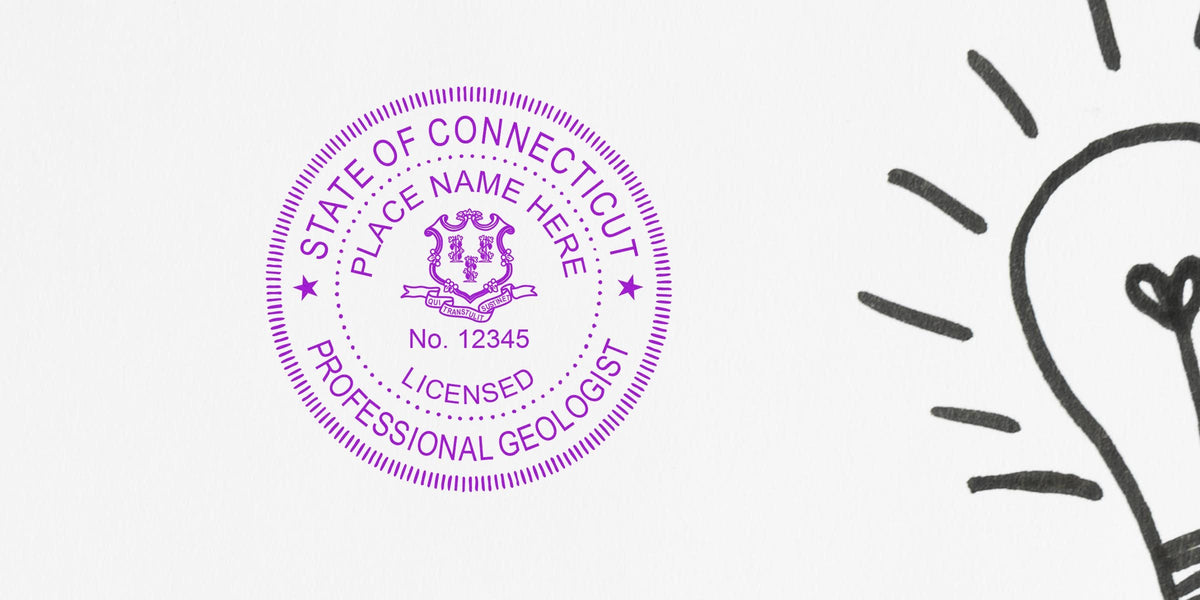
If you’ve ever wondered how to navigate a Connecticut geologist seal design, you’re in the right spot. Creating a professional seal that meets state requirements might sound daunting, but it doesn’t have to be. Whether you’re new to the field or simply refreshing your credentials, knowing what goes into your seal will help you stay compliant, build trust with clients, and protect your hard-earned license. In this guide, we’ll walk through the essential design elements, explore state rules, and share tips on choosing reliable suppliers like Acorn Sales, which has served professionals for more than 60 years. Let’s dive in!
Explore Connecticut Geologist Seal Design
Before we get into the details, let’s talk about what the seal represents. Your Connecticut geologist seal is more than just a stamp on paper. It’s a formal confirmation of your qualifications, verifying that you’re a licensed professional with the right expertise to sign off on geological documents. Many states mandate specific design features, such as precise text, size guidelines, and decorative elements.
- You’ll usually see the licensee’s name incorporated into the seal.
- The words “Licensed Professional Geologist” (or similar approved wording) typically form part of the circular ring.
- Connecticut might require references to the state or its abbreviations.
The ultimate goal is a clean, legible seal that clients, government agencies, and fellow geologists instantly recognize. If you’re just starting, consider reviewing official guidelines and verifying them with your local board to ensure your design has all required wording and elements. If you want more details, you can also check the Connecticut geologist stamp requirements.
Understand State Requirements
Before you order or finalize your seal, make sure you understand how your state’s regulations apply to you. Connecticut, like other states, outlines rules on what the seal should look like and how it must be used. These guidelines are often published by licensing boards or professional organizations.
- Size Requirements: Connecticut may specify a minimum or maximum diameter for the seal to ensure it remains readable when impressed or printed.
- Text Layout: Elements like “State of Connecticut,” “Professional Geologist,” and your name or license number are typically included in the outer ring.
- Legibility Standards: Any text, numbers, or design lines should be crisp enough to withstand copying, scanning, or reduced printing without losing clarity.
If the regulations feel overwhelming, you’re not alone! Many professionals reach out to suppliers or consult with colleagues who already have a working seal. Linking up with an experienced provider—like Acorn Sales—is a smart move. They can guide you through compliance details and help you avoid a seal that doesn’t meet official criteria.
Focus On Key Layout Elements
Think of your seal as a snapshot of your credentials in one small design. To make it work, you need three core elements: text, shape, and clarity.
Text
Your name and license number must appear as specified by Connecticut’s rules. Additionally, the words “Professional Geologist” and any other mandated text (like the state name) should be placed clearly around the seal’s perimeter. Double-check spelling and spacing; a small error can affect the seal’s legality.
Shape
Typically, seals are circular. The outer ring often holds the text, while the inner space includes your name or license number. Some professionals add extra flair, like a simple border or a tiny icon representing geology—just make sure you’re not violating any official instructions. Subtlety is key: the board might allow a decorative ring, but not elaborate images that hinder clarity.
Clarity
Have you ever seen a seal that’s so busy you can’t read it? That’s exactly what you want to avoid. Stick to high-contrast designs, such as dark lettering on a white background when you print. Make sure every letter remains legible, even if you reduce the seal or scan it. Most licensing boards won’t care about color—often, black ink meets the legal standard—but they will care about readability.
Choose The Right Materials
When people say “seal,” they often think of a rubber stamp. Yet, there’s a variety of seal products you can consider. The best choice depends on how frequently you’ll use it, the types of documents you stamp, and what your board permits.
- Self-Inking Stamp: This type re-inks itself after each use, making it super convenient if you need to stamp multiple documents in rapid succession.
- Traditional Rubber Stamp: With a separate ink pad, this option is straightforward and budget-friendly. It’s a good choice if you don’t mind manually inking before each use.
- Embossing Seal: An embosser raises a three-dimensional impression on the paper. For some geologists, an embossed seal can offer a professional feel. It’s typically used on official documents where durability and prestige matter.
- Pre-Inked Stamp: Pre-inked stamps can deliver sharper detail, which might be beneficial if your design has thin lines or delicate text. They also require re-inking less often than self-inking stamps.
Whichever material you select, confirm that it can handle consistent use without losing clarity. You don’t want your seal to fade after a few months or leave uneven impressions.
Pick A Trusted Supplier
Remember how we mentioned Acorn Sales? When it comes to finding a reliable source for your Connecticut geologist seal, look for a company with proven experience and strong quality control. Acorn Sales has been crafting stamps and seals for over 60 years. They understand the nuances of various state regulations, including Connecticut’s, so they can guide you through the process with minimal hiccups.
Here’s why a trusted supplier matters:
- They know official regulations.
- You get durable products that meet professional standards.
- They offer customer support if you have design issues or need a reprint.
It’s not just about walking away with a functional seal. You also want great service, a user-friendly website, and timely delivery. After all, if you’re up against a deadline to submit documents, you don’t want to wait longer than necessary.
Use And Maintain Your Seal
Designing or purchasing your seal is only the first step. From here on out, you’ll need to utilize it responsibly. Here are a few pointers to keep you on track:
Apply The Seal Correctly
You’ll likely stamp or emboss official geological reports, professional letters, and other documents. Make sure you position the impression so it’s entirely within the paper’s margins and doesn’t overlap essential text. A crooked seal or an impression that runs off the page can reflect poorly on your professionalism.
Follow The Rules
Use your seal exactly as your licensing board instructs. You might need to include a signature and date near the seal to validate documents. Depending on the type of form or report, some boards require the seal on every page, while others only need it on the final page. Always keep an eye on updates to the guidelines. If you want a deeper dive into the official rules, check out the Connecticut geologist stamp requirements.
Store It Securely
Believe it or not, some professionals lose their seals or find them deteriorating in dusty drawers. Keep your seal in a safe spot—a desk drawer you open often or a lockable cabinet if security is a concern. Proper storage preserves the stamp’s quality and prevents unauthorized use. If someone else has unauthorized access to your seal, you could face liability for documents stamped without your permission.
Re-Ink Or Replace
All stamps eventually wear out, especially if you’re using them on dense paper stock or working on a high volume of documents. Check your impression quality every few months. If it starts to fade, you can re-ink (for self-inking or pre-inked options) or order a replacement pad. For embossers, confirm that the raised image remains crisp. If the edges look soft or flattened, it might be time for new plates.
Embrace Your Free Digital Seal
Physical seals aren’t your only option. Digital seals are increasingly common, especially as more processes shift online. Many boards allow an electronically rendered seal in place of a physical stamp, although specific rules vary. With a digital seal, you simply insert an official image onto PDFs or word-processing documents.
Acorn Sales often provides a free digital seal with your purchase. This bonus can save you time if you need to upload stamped documents or if you’re working remotely. You’ll also appreciate how easy it is to share your work with clients and regulatory agencies. Just be sure you’re following encryption or password protection guidelines if your board requires additional security for digital submissions.
Keep Up With Changing Regulations
Regulations aren’t static. They evolve as technology advances and industry standards shift. Periodically check for policy updates from Connecticut’s board of professional geologists or equivalent oversight bodies. You might receive reminders to renew your license or update your seal format if the board changes typography, size requirements, or text layout.
Don’t forget to network with peers and attend professional events. Conferences, webinars, or local chapter meetings can alert you to changes before they become big issues. Plus, exchanging tips on how others handle digital formats or store their seals can provide immediate value.
By focusing on clarity and compliance, you’ll create a seal that not only meets Connecticut rules, but also reflects the professionalism you’ve worked so hard to achieve. Your seal is a stamp of your credibility, so take the time to get it right. If you need assistance, Acorn Sales is here to help with a free digital seal included in many of our packages—plus friendly tips and support.
Remember, once your seal is designed, keep it safe, use it responsibly, and stay on top of any regulatory shifts. In doing so, you’ll ensure your Connecticut geologist seal design remains a valuable asset throughout your career. Have questions or experiences to share? Reach out, or get in touch with Acorn Sales for recommendations!
Frequently Asked Questions
Do I Need More Than One Seal?
It depends on your personal preference. Some professionals keep a backup seal (like an embosser) for formal documents and a self-inking stamp for daily use. However, one quality seal is usually enough if you’re diligent about storing and caring for it.
Can I Use My Old Seal if I Move or Change My Name?
If your legal name or license status changes, you typically need an updated seal that matches your official license records. Double-check with the board before continuing to stamp documents under a name or license number that is no longer current.
Does My Digital Seal Need Extra Security?
Some boards require a password-protected PDF or electronic signature to accompany the digital seal. Others just want an unalterable image. Make sure you know your board’s stance on digital documentation to avoid any compliance issues.
What If I Can’t Find My Original Seal?
Contact your licensing board immediately. You may need to invalidate that seal to prevent misuse, then order a new one. Acorn Sales can work with you to produce an updated seal fairly quickly, ensuring minimal downtime.
How Often Should I Verify State Requirements?
It’s a good idea to review them at least once a year. Look for emails, newsletters, or announcements from the licensing board. Regulations can change due to new legislation or evolving professional standards.








