
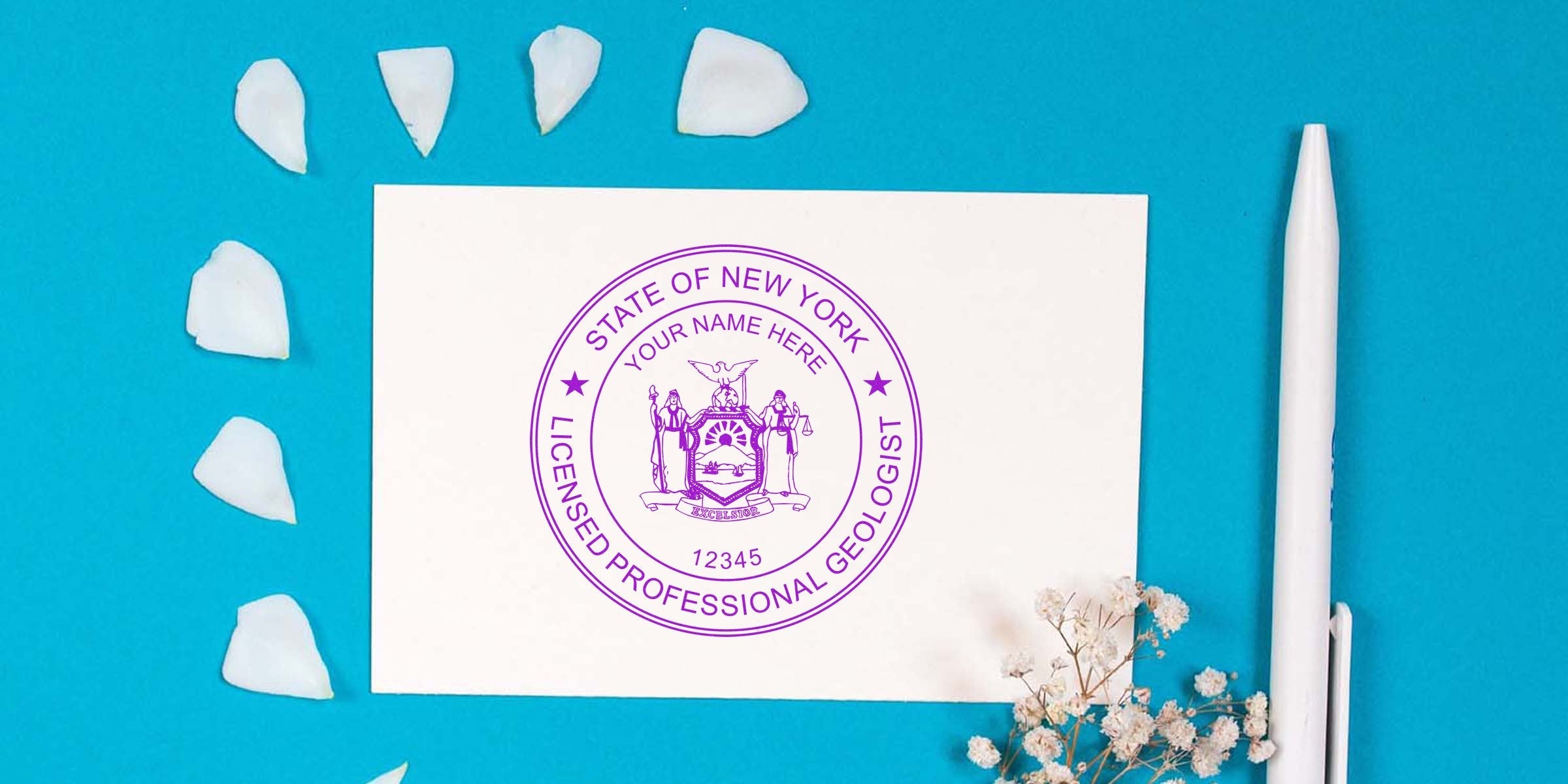
You’ve probably heard that a well-crafted New York geologist stamp design can make or break your professional documentation. Whether you’ve just earned your license or you’re ready to upgrade your existing seal, having the right stamp is essential. It not only validates your work in the eyes of New York’s licensing authorities but also conveys professionalism to clients and colleagues. In this guide, you’ll learn about the core elements of a good design, how to ensure your stamp meets state requirements, and which materials can stand the test of time. Let’s dive right in.
Understand New York Requirements
Before you finalize any design choices, it’s crucial to understand New York’s regulations for geologist stamps and seals. These rules help maintain uniformity and clarity across official documents.
-
Name and License Number
Your full legal name must appear exactly as it does on your professional license. Next to or beneath your name, you’ll typically include your unique license number. This combination immediately confirms who owns the stamp and proves your credential status. -
State and Professional Title
A proper stamp for New York geologists usually includes some reference to the state, along with your official title, such as “Licensed Professional Geologist” or “Professional Geologist.” Double-check New York State guidelines to confirm the exact wording required. -
Clear and Legible Fonts
You want your stamped impression to be legible at a glance. New York guidelines often specify minimum font sizes or clarity requirements, so opt for easy-to-read typefaces that don’t smudge or bleed on typical document paper. -
Consistent Shape and Size
Regulatory bodies often list acceptable dimensions for professional stamps. Many geologist stamps come in a circular or rectangular layout, around 1.5 to 2 inches in diameter or width. This size ensures your stamp fits nicely on official documents without overpowering the page.
Seriously, don’t skip reading New York’s official instructions regarding geologist stamps. The extra ten minutes you spend reviewing paths to compliance will save you plenty of hassle if you ever face an audit or dispute.
Determine Your Key Stamp Components
Once you understand the fundamental requirements, you can map out the different sections of your stamp. Below is a quick reference table for typical elements you might include on your design:
| Component | Description |
|---|---|
| Full Name | Must match your licensed name exactly. |
| License Number | Unique ID given by the state’s licensing board. |
| Professional Title | Commonly “Licensed Professional Geologist” or similar. |
| State Reference | Usually “State of New York” or “NY” for clarity. |
| Optional Additional Text | Firm name, if allowed. |
| Border or Decorative Ring | Helps frame the text and makes the stamp impression stand out. |
By planning your layout in advance, you’ll have a better sense of what fits and what might look cramped. If you have a particularly long name, consider how it might fit around a circular border or in a rectangular seal.
Balance Clarity and Style
Your stamp doesn’t have to look bland. You can maintain New York’s compliance standards and still have a neat, appealing aesthetic. Choose a simple border style or minimal embellishments. A moderate level of flair is fine, but keep text and essential details front and center.
Choose the Right Materials
A great stamp design only matters if the stamp itself produces a crisp, long-lasting impression. That’s why selecting quality materials is almost as important as the look of your layout.
- Self-Inking or Pre-Inked Stamps
- Self-inking designs feature an internal ink pad that “resets” after each press. They’re convenient and can handle high-volume stamping.
- Pre-inked stamps store ink within the stamp die itself, offering consistently sharp impressions. They tend to be a bit more expensive but often last longer before requiring a refill.
-
Traditional Rubber Stamp and Pad
Some professionals prefer the classic rubber stamp with a separate ink pad. This method offers flexibility: you can switch ink colors, for example. However, it can be less convenient if you need to stamp a large number of documents quickly. -
Metal or Polymer Engraving Plates
The impression plate on your stamp might be made from metal, polymer, or other durable materials. Metal plates are typically robust and can retain detail well, while modern polymers may be less expensive and still provide a crisp output. -
Ergonomic Handle and Grip
If you’ll be stamping frequently, don’t overlook comfort. An ergonomic handle ensures your hand doesn’t cramp up from repeated use.
Invest for the Long Term
You’ve worked hard to earn your geologist license. A high-quality stamp feels like a natural extension of that commitment to professionalism. Even if it costs slightly more upfront, a stamp that produces clean, consistent impressions is worth the investment. You don’t want to replace a cheap stamp every few months, especially when your official documents need to be in top shape for both your reputation and New York’s licensing standards.
Finalize Your Layout and Design
You’ve pinned down your must-have components and chosen your preferred stamp format. Now it’s time to create a final layout that looks polished and that follows all state requirements.
-
Center and Align Text
Center your name, license number, and professional title so they stand out evenly. If your design is circular, the arcs of text should curve around the border in an easy-to-read manner. Keep them spaced enough so each item is distinct. -
Double-Check Spelling and Numbers
A simple typo in your name or license number can cause big headaches down the road. Proofread meticulously or have a colleague look at your design. Catching an error before sending your design to production is far easier than requesting a correction later. -
Choose a Clean Typeface
Small or ornate fonts can be harder to read once stamped, especially if the document is faxed or scanned. Standard sans serif or clean serif fonts typically pass New York’s clarity guidelines. If in doubt, opt for a slightly larger font size and a thicker line weight. -
Revisit Compliance One Last Time
It’s easy to get focused on aesthetics and forget you have to meet state rules. Confirm you have all required text, and confirm none of the text is extraneous or conflicts with official guidelines. A final compliance check is your safety net.
Check Compliance and Approval
Even the best design can be rendered invalid if it doesn’t adhere to state regulations.
-
Consult Official Guidelines
Check the current New York Laws and Regulations for Professional Geologists to verify you’ve included everything. These documents may detail specific language to include (e.g., “Licensed Professional Geologist”) or font size minimums. -
Submit for Confirmation
In some cases, you might be able to submit your stamp design to the licensing board or a professional association for feedback. If official pre-authorization is an option, consider doing so. It ensures you won’t run into trouble after you’ve already paid for production. -
Keep Proof of Compliance
Once you have an approved or confirmed layout, save that digital file in case you need to reference it for future orders, reprints, or updates. You can also store copies of the relevant regulations so you can quickly show proof your seal meets the standards.
Partner With a Trusted Supplier
When it’s time to transform your design from a digital file into a tangible stamp, choose a reputable provider that understands professional requirements. You don’t want to fiddle with poor-quality stamp impressions when it counts.
Opt for Acorn Sales
Looking for a seasoned partner? Acorn Sales, in business since 1964, has extensive experience producing official stamps and seals for licensed professionals. Their knowledge helps ensure your New York geologist stamp meets every requirement, and you won’t have to worry about subpar materials that wear out too soon.
-
Free Digital Seal Included
Sure, physical stamps are great for paper documents. But in today’s fast-paced world, a digital seal can be a lifesaver. Whether you need to stamp PDFs or share electronically signed documents, Acorn Sales includes a free digital seal when you order a physical stamp. This perk can save you time and money. -
Built for Compliance
Because Acorn Sales is well-versed in different state regulations, they’ll guide you on spacing, fonts, and wording. You can rest assured that your final product aligns with official requirements. -
Quality and Longevity
Nobody wants repeated do-overs or messy impressions. With durable materials and professional engraving, your stamp should hold up through countless documents, making it a true one-time investment.
If you need to get moving quickly on your New York geologist stamp design, check out the options for New York Geologist Stamp. You’ll find the right style and size that fit your workflow, and you can finalize your order in just a few easy steps.
Use and Maintain Your Stamp
Buying the right stamp is just half the battle. Maintaining it is crucial to ensure lasting, crisp impressions.
-
Store It Properly
Keep your stamp away from direct sunlight or extreme heat. Over time, exposure to harsh conditions can cause the ink pad to dry out or the rubber to crack. -
Clean It Occasionally
Gently wipe away any ink or dust buildup with a soft cloth. If the impression starts to smudge or fade, check for debris lodged in the recesses of your stamp’s design. -
Re-Ink When Needed
For self-inking and pre-inked stamps, you might need to add ink after a certain number of impressions. Always use the recommended ink type to avoid damaging the internal mechanisms. -
Make Test Impressions
Before stamping an important document, do a quick test on scrap paper. This ensures your stamp is in working order and bright enough to be legible.
Keep it Professional
After investing in a professional seal, treat it like the official tool it is. Don’t let friends or colleagues borrow it casually. It’s specifically tied to your license, so you’re responsible for any document it affixes your signature to. Proper use and maintenance preserve both your reputation and the integrity of your documentation.
Take these answers as a solid starting point, but if new rule sets or updates come out, stay informed by checking official New York State guidelines. A proper stamp design not only keeps you compliant, it also shows clients and colleagues you pay attention to professional standards. Once you’re done fine-tuning your layout, you’ll be ready to stamp documents with authority. Happy stamping!
Frequently Asked Questions
Do I legally have to use a stamp when submitting reports to agencies?
Yes, in most cases you need to provide a stamped and signed document to fulfill New York’s requirements for submitting official geologic reports, maps, or other materials. Always double-check any recent updates from the state board to confirm specifics.
Will I receive a digital file or just a physical stamp?
With Acorn Sales, you get both. They include a free digital seal along with your physical stamp, so you can handle electronic submissions just as easily as paper documents.
Does the stamp have to match my exact license certificate name?
Absolutely. New York regulations typically require the name on your stamp to match the name on your license certificate precisely, including middle initials if listed.
How soon will I need to replace my stamp?
If you choose a high-quality model from a trusted supplier, you may never need a complete replacement unless your licensure information changes. However, you might need to re-ink your stamp after thousands of impressions.








