
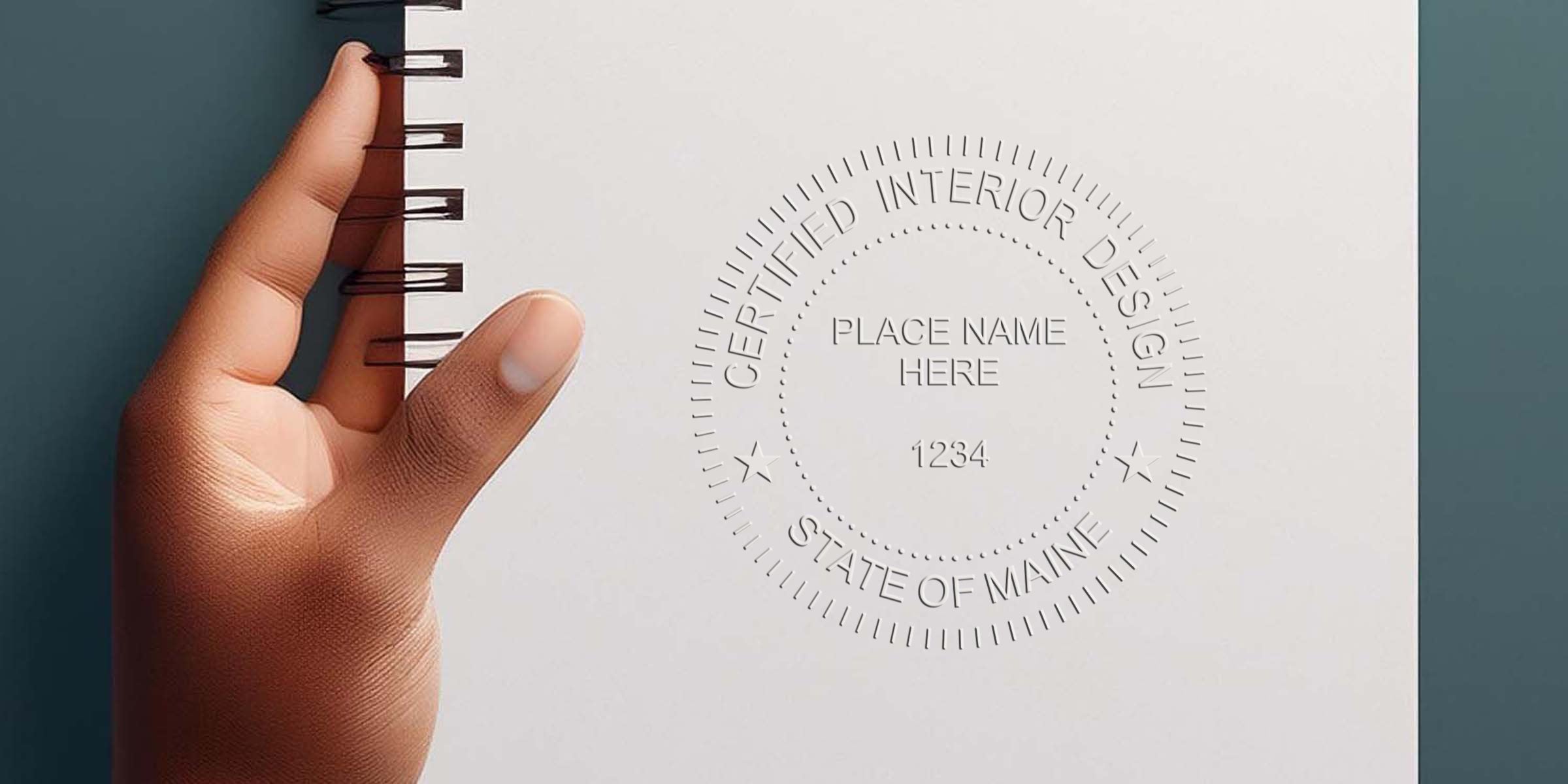
Are you an interior designer in Maine wondering how to handle all the regulatory details for your official stamp? Understanding Maine interior designer stamp requirements can feel like juggling half a dozen tasks at once. You want to ensure every document you produce carries proper authorization, whether you’re sending drawings to a local contractor or finalizing plans for a new home renovation. Fortunately, once you break down the essentials, the path to compliance isn’t quite so tricky.
Below, you’ll find a clear explanation of how to navigate these requirements, including insights on designing your stamp, following the right applications, and maintaining compliance. Let’s dive in.
Understand Maine Stamp Basics
Why Stamps Matter
Stamps aren’t just decorative flair. In Maine, an interior designer’s stamp or seal indicates you’re qualified according to state regulations. This mark tells anyone reviewing your work—such as clients, building inspectors, or local officials—that you’ve met necessary standards and that your documents deserve professional recognition. Think of this stamp as your official signature in the design world, but with a more formal and visually recognizable twist.
What Maine Requires
Each state has unique guidelines, and Maine is no exception. You’ll typically need a seal that shows your name, your official designation (Interior Designer), and your assigned license or registration number if the state issues one. You’ll also need to keep up with any periodic rule changes. For detailed updates, you can look into Maine Interior Designer Seal Regulations to ensure you’re always on the right side of the law.
Here’s a quick snapshot of common items required on a Maine interior designer seal or stamp:
- Your legal name as registered with the licensing board
- The words “Licensed Interior Designer” (or any Maine-specific language)
- Your license or registration number, if applicable
- The state’s name (in this case, Maine)
Although these are common elements, be sure to confirm with the Maine licensing board for the most up-to-date details.
Follow The Application Steps
Confirm Your Eligibility
Before you apply for a stamp, you need to meet certain eligibility criteria. In most cases, you’ll have completed specific educational and practical requirements. You’ll then apply for licensure and wait for the board’s approval. This process can include exams and background checks, so block off enough time in your schedule to handle any extra paperwork.
A good next move is checking out Maine Interior Designer Stamp Application Process to see what forms and fees you might need. You’ll typically fill out personal details, attach proof of your qualifications, and possibly supply references or affidavits.
Submit Official Documents Online
Thanks to modern technology, Maine often allows digital submissions. If you prefer going paperless, Maine Interior Designer Stamp Online Application is a convenient route. You’ll create an account, follow the prompts to upload your PDFs, and pay the necessary fees through a secure portal.
Your application might require multiple sections to be completed in a specific order, so keep an eye on any on-screen instructions guiding you step by step. Once the board reviews your materials, you should receive a confirmation or follow-up request for additional information.
Design Your Stamp Properly
Choose The Right Style
Next comes the fun part—customizing your design. In Maine, you can typically use a round or rectangular stamp, but you’ll want to confirm the format that best meets your local rules. Some interior designers love the crisp look of a round seal, which feels more official. Others pick rectangular stamps for clarity. If you need help figuring out which shape suits your profession, Maine Interior Designer Seal Design Guidelines can walk you through best practices.
Size And Legibility
You don’t want your stamp to be so large it overtakes the page, but too small is just as problematic. Legible, mid-sized seals typically measure between 1.5 and 2 inches in diameter (for round stamps). You can confirm whether Maine has specific dimensions by reviewing Maine Interior Designer Seal Size Specifications. Aim for a design that’s neat and easy to read, so plan to keep the text clean and spaced effectively.
If you want to customize a design, such as adding a small logo or graphical flourish, just make sure it doesn’t distract from the official text. If you’re unsure how to pull off a professional look, check out Maine Interior Designer Seal Custom Design for tips on balancing creativity with legal requirements.
Gather Your Tools
Stamp Vs. Embosser
In Maine, you can finalize your documents using an ink stamp or an embosser. Each has pros and cons:
- Stamp: Quicker to apply, best for multiple documents, easily visible on scans or copies
- Embosser: Clean, professional finish, but text can be harder to read if not pressed firmly
Some designers keep both on hand: an ink stamp for day-to-day tasks and an embosser for extra-official projects where raised impressions add a sense of prestige. If you’re on the fence, Maine Interior Designer Seal Embosser offers more insights on choosing an embosser, and Maine Interior Designer Stamp Embossing Tools highlights the gear you might need for clean markings.
Reliable Suppliers
Once you’ve pinned down the style, it’s time to pick a supplier. You want a provider you can trust—one with a proven track record. That’s why many interior designers turn to Acorn Sales. We’ve been in business since 1964, supplying reliable, high-quality stamps and seals nationwide. Plus, we include a free digital seal with every physical order, saving you time when you need to add your stamp electronically. We understand that you want your tools to look professional right out of the gate, and we’re here to help you achieve just that.
Stay Compliant With Rules
Proper Placement And Use
So, when and where should you use that seal? In Maine, you generally need to stamp key documents like final design plans, professional drawings, and certain reports or contracts. You’re confirming that the contents meet professional standards and that you’re accountable for the information within.
Many designers stamp:
- Contract documents before sending them to clients
- Final project drawings for permit review
- Official proposals related to major renovations
It’s best to place the stamp in a consistent location on each page, often near your signature or title block. This uniform approach makes it easier for reviewers to locate the seal quickly.
Embrace Digital Stamping
Are you working remotely or sharing files electronically? Digital seals have become indispensable. By applying an authorized digital version of your stamp onto PDFs, you can reduce paper usage and seamlessly collaborate with clients across the globe. Just be sure that your digital stamp meets Maine’s guidelines, which usually include legislation requiring tamper-evident features so no one can alter your stamp after the fact.
If you’re curious about the specifics, refer back to the official rules through Maine Interior Designer Seal Regulations. Keeping up with changes ensures you’re ready to adapt if the board issues new digital standards down the road.
Manage Costs And Budget Wisely
Between licensure fees, initial design work, and equipment purchases, you might worry about costs. But rest assured, there are options for every budget. Consider adjustable price points for a stamp or an embosser, and keep an eye out for deals or packages. For instance, you can learn more about typical expenses by reading Maine Interior Designer Stamp Cost. Setting aside funds now can prevent you from scrambling later, particularly if you need multiple stamps for a large office or additional staff.
Avoid Common Mistakes
Not Updating Your Stamp
If your license number changes, or if the state tweaks official verbiage, you’ll need a fresh stamp or seal. Using an outdated stamp is more than just a nuisance—it can invalidate your documents. If you discover that your credentials have changed or your legal name is different from what appears on your seal, order an updated design promptly.
Neglecting Renewals
You might also have renewal deadlines from the board. Make sure you don’t miss them. If your license lapses, even for a brief period, you risk disciplinary action for stamping plans without current credentials. This snag can stall your projects and affect your professional reputation. A simple calendar reminder often solves the problem, but double-check you have the correct renewal date.
Overlooking Size Or Layout Rules
You’d be surprised how many designers get caught up in the details, yet forget to maintain clarity. Too much text crammed onto a small stamp makes it almost unreadable. Conversely, a giant seal can overshadow the entire page. By sticking to the guidelines in Maine Interior Designer Seal Size Specifications, you’ll keep your documents both neat and professional.
Check Out Real-World Uses
Imagine you’re finalizing a layout for a new restaurant in Portland, Maine. You’ve already presented the conceptual drawings to your client. They love the design, and you’re ready for the next phase. You’ll stamp or emboss each sheet before sending them off for municipal review. This step reassures the authorities that a licensed interior designer prepared these drawings. You’ll then add your digital seal to electronic files, letting the inspection bureau and contractors open them online without losing any official markings. It’s a time-saver for you—and a sign of reliability for them.
Wrap It Up
Navigating the official requirements for a Maine interior designer stamp doesn’t have to be a chore. From confirming your eligibility to nailing down the proper design and usage, it’s all about taking those steps in a logical order. Be sure you’re up to speed on the latest guidelines, watch out for missteps like outdated details, and keep track of renewal deadlines. That way, your stamp experience is smooth, professional, and fully approved by Maine’s standards.
Ready to get started? Check in with the state board for your final instructions, reach out to Acorn Sales for a dependable seal or stamp, and feel confident that your future projects are outfitted with the official mark of a licensed Maine interior designer. Your clients—and your peace of mind—will thank you.
Frequently Asked Questions
How Often Do I Need To Update Or Replace My Stamp?
In general, you only need to replace your stamp if your legal name or license information changes, or if Maine updates the required text. Keep track of any official announcements and confirm that your details stay current.
Can I Use Another State’s Seal In Maine?
Typically, no. Each state has specific requirements for interior designers, so your out-of-state seal might not be valid. To stay compliant in Maine, always use the state-approved seal or stamp design.
Do I Need Different Stamps If I Work On Multiple Types Of Projects?
Not usually. Your one stamp covers you for every interior design project, as long as you adhere to all Maine requirements for licensing and usage. What may vary is whether you choose to use a physical stamp or a digital version, based on the type of submission.
Where Can I Buy A Maine Interior Designer Stamp?
You can order from trusted suppliers like Acorn Sales, who have been in business since 1964. We provide fast, reliable service, and you get a free digital seal with every purchase for flexibility in your workflow.








