

Written by Acorn Sales Company, manufacturing stamps and seals since 1964 · Reviewed by Holly R, VP of Sales and Marketing at Acorn Sales, against the Utah Architect Licensing Board, which acts with the Utah Division of Professional Licensing and Utah Admin. Code R156-3a-601 on 21 September 2026 · Updated 21 September 2026
Utah tells engineers, surveyors, landscape architects and geologists what a seal may be, and tells architects nothing. The four Utah seal rules are near-identical templates. R156-22-601 for engineers and land surveyors, R156-53-601 for landscape architects and R156-76-601 for professional geologists each say “A seal may be a wet stamp, embossed, or electronically produced” and each require the signature and date to appear across the face of each seal imprint. R156-3a-601, the architect rule, contains neither sentence.
That silence is worth naming rather than filling in. Utah does not address whether an architect’s required seal may be embossed, and it does not address where the signature goes relative to the imprint. Saying an embossed architect seal is permitted here overstates the rule; saying it is forbidden overstates it the other way. A wet stamp is expressly fine for every other Utah design profession and cannot be criticized here, so buy that and sign across the impression as a matter of practice.
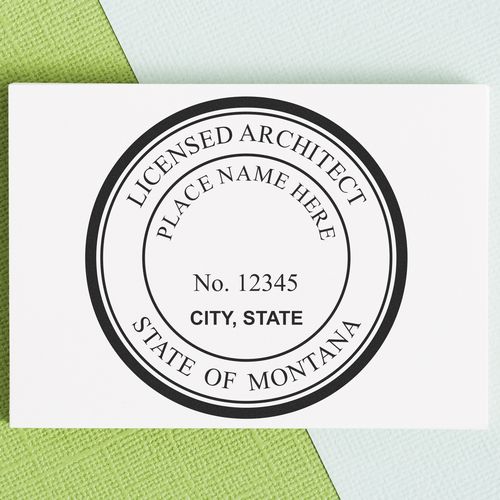
What the rule does give is short: “Each seal shall be a circular seal, 1-1/2 inches minimum diameter and shall include the licensee’s name, license number, ‘State of Utah’, and ‘Licensed Architect’.” Take the legend exactly: Licensed Architect, not Registered Architect.
Utah architect seal requirements at a glance
| Requirement | Utah rule | Source |
|---|---|---|
| Seal required | Yes | Utah Admin. Code R156-3a-601 |
| Required elements | Your name as licensed, Your license number, The words State of Utah, The words Licensed Architect and A circular seal | Utah Admin. Code R156-3a-601(1) |
| Size and shape | Circular, one and one-half inches minimum diameter. | Utah Admin. Code R156-3a-601(1) |
| Device allowed | The architect rule does not specify a device type, and its sister rules do. | Utah Admin. Code R156-3a-601 (silent) |
| Signature and date | The rule requires technical submissions to be “signed and dated with the licensee’s seal” and adds that “Electronically generated seals and signatures are acceptable.” Placement is not prescribed for architects. | Utah Admin. Code R156-3a-601 (placement not prescribed) |
| What must be sealed | All technical submissions prepared by the licensee or under the licensee’s supervision, meaning documents required by public authorities for building permits or regulatory approvals, or intended for construction purposes, including all addenda and other changes. | Utah Admin. Code R156-3a-601, R156-3a-102(13), R156-3a-502(1) |
| Electronic seal | “Electronically generated seals and signatures are acceptable,” with one duty attached: “It is the responsibility of the licensee to provide adequate security when documents with electronic seals and electronic signatures are distributed.” Note the verb. | Utah Admin. Code R156-3a-601 |
| Renewal and lapse | Not addressed in the seal rule. | Utah Admin. Code R156-3a-305, R156-3a-306, R156-3a-301(2)(c) |
| Firm requirements | Not applicable. | Utah Admin. Code R156-3a-102(12), R156-3a-502(2) |
| Regulator | The Utah Architect Licensing Board, which acts with the Utah Division of Professional Licensing | Utah Admin. Code R156-3a, Architect Licensing Act Rule, sections R156-3a-102, R156-3a-301, R156-3a-305, R156-3a-306, R156-3a-502 and R156-3a-601, read in full from the Utah Office of Administrative Rules, with date of last change November 7, 2016 and notice of continuation October 22, 2025 |


Is a seal required in Utah?
The rule states the duty in a single sentence and ties it to the statute. Utah Admin. Code R156-3a-601: “In accordance with Section 58-3a-601, all technical submissions prepared by the licensee or prepared under the supervision of the licensee, shall be signed and dated with the licensee’s seal.” Technical submissions are defined at R156-3a-102(13) as documents required by public authorities for building permits or regulatory approvals, or intended for construction purposes, including all addenda and other changes.
What must appear on the seal
- Your name as licensed
- Your license number
- The words State of Utah
- The words Licensed Architect
- A circular seal
Four items and a circle, and that is the whole specification: “Each seal shall be a circular seal, 1-1/2 inches minimum diameter and shall include the licensee’s name, license number, ‘State of Utah’, and ‘Licensed Architect’.” Nothing provides for an expiration date, a discipline line, a firm name or an NCARB number. Take the legend exactly: Licensed Architect, not Registered Architect. Utah’s sister rules use the same frame with a different title, so a dual-credentialed licensee needs a separate die for each of Licensed Architect, Professional Land Surveyor, Licensed Landscape Architect and Licensed Professional Geologist.
Size and shape
Circular, one and one-half inches minimum diameter. R156-3a-601(1) gives a floor, not a fixed figure and not a range with a ceiling. You may go larger. The same one and one-half inch minimum runs through the Utah engineering and land surveying rule at R156-22-601, the landscape architect rule at R156-53-601 and the professional geologist rule at R156-76-601, so the figure is consistent across Utah’s design professions even though the legends differ.

Embosser, rubber stamp or digital
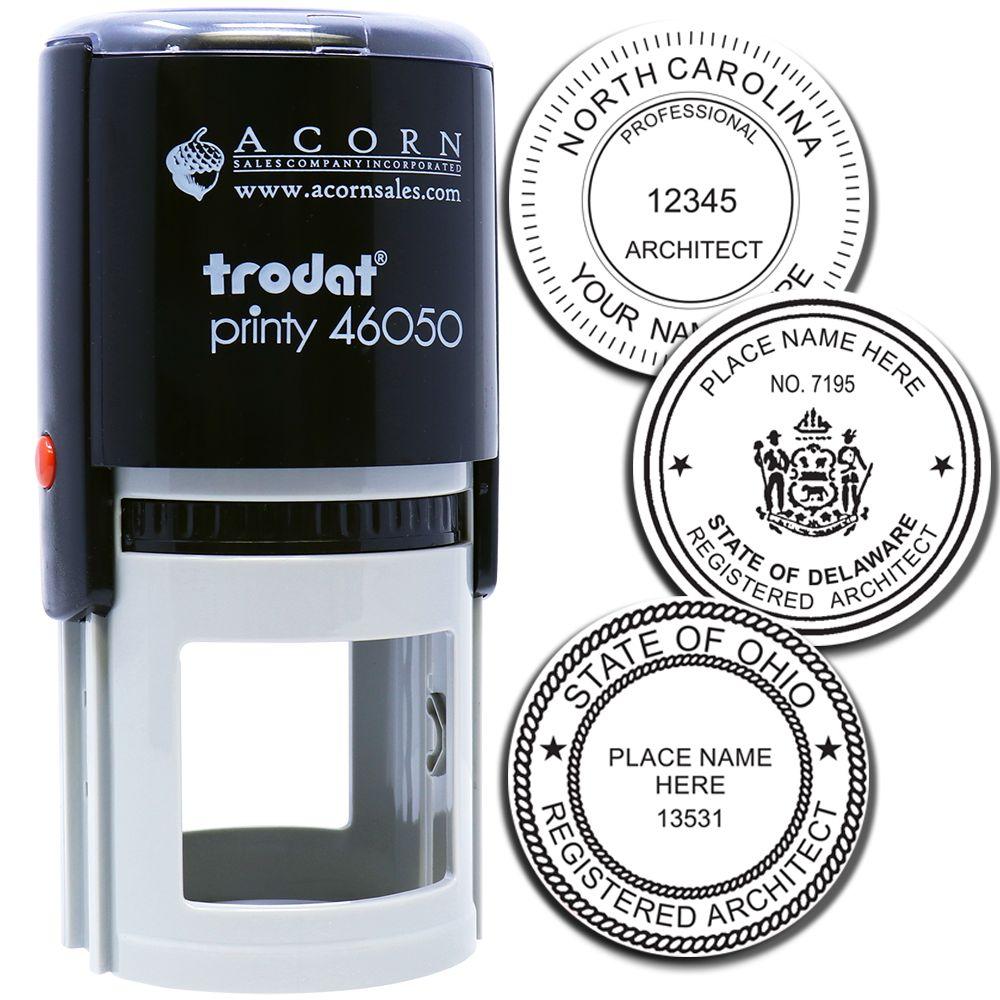
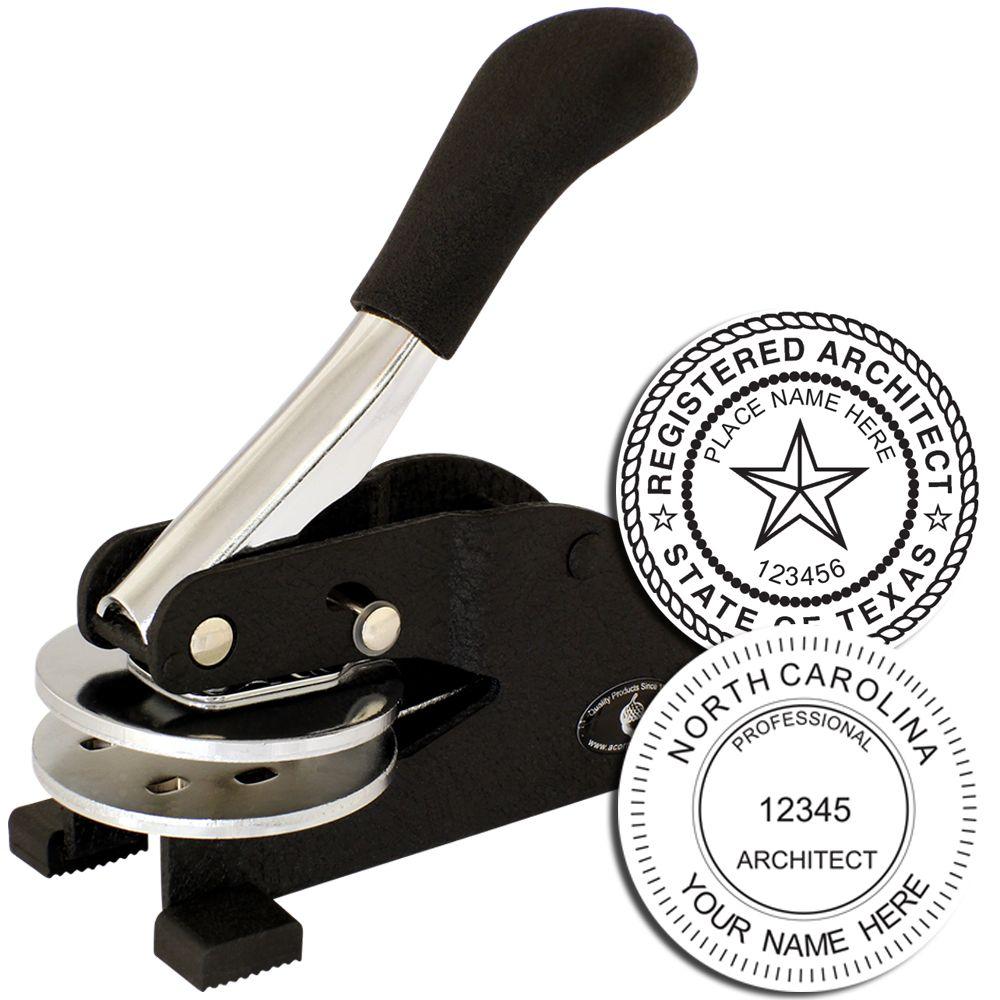
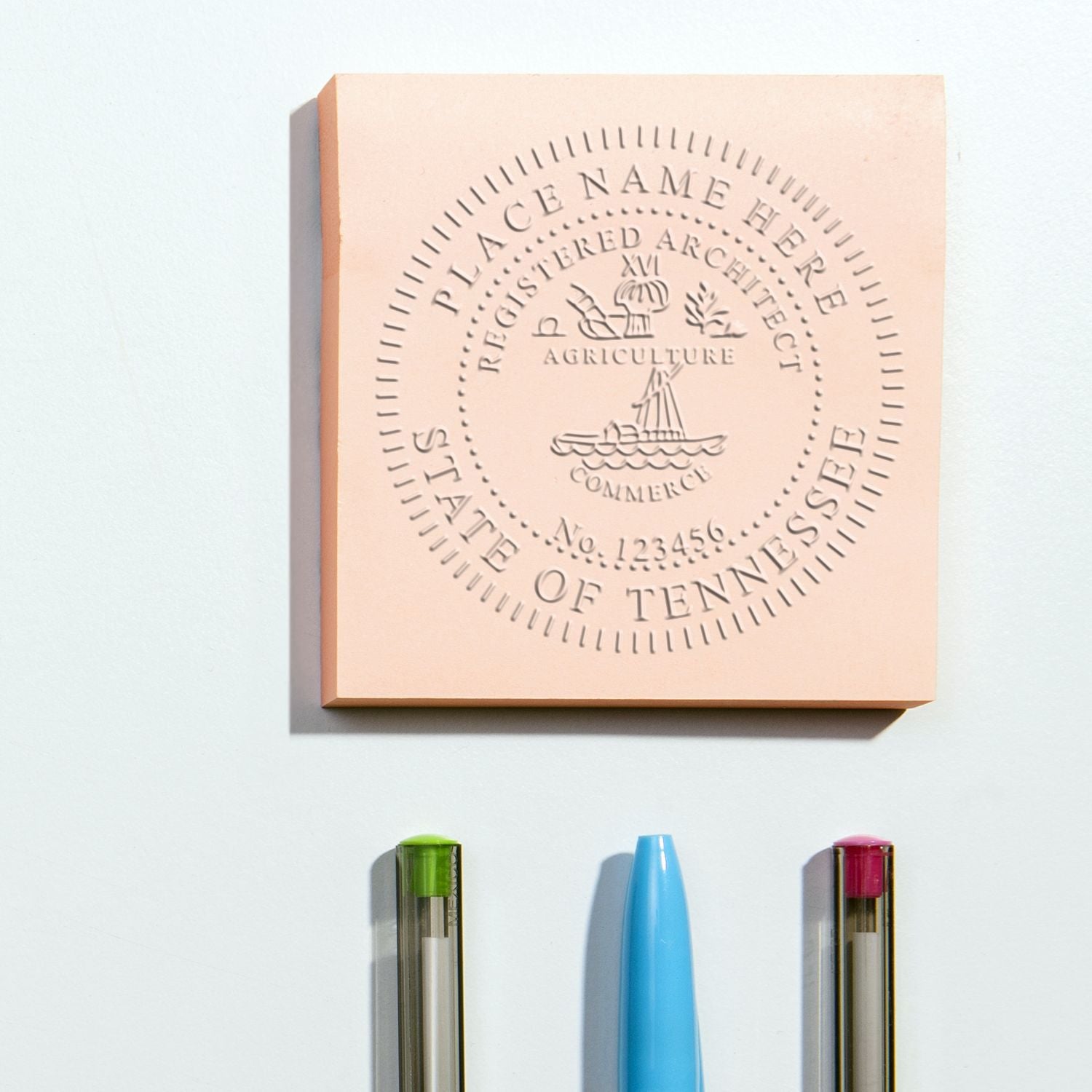
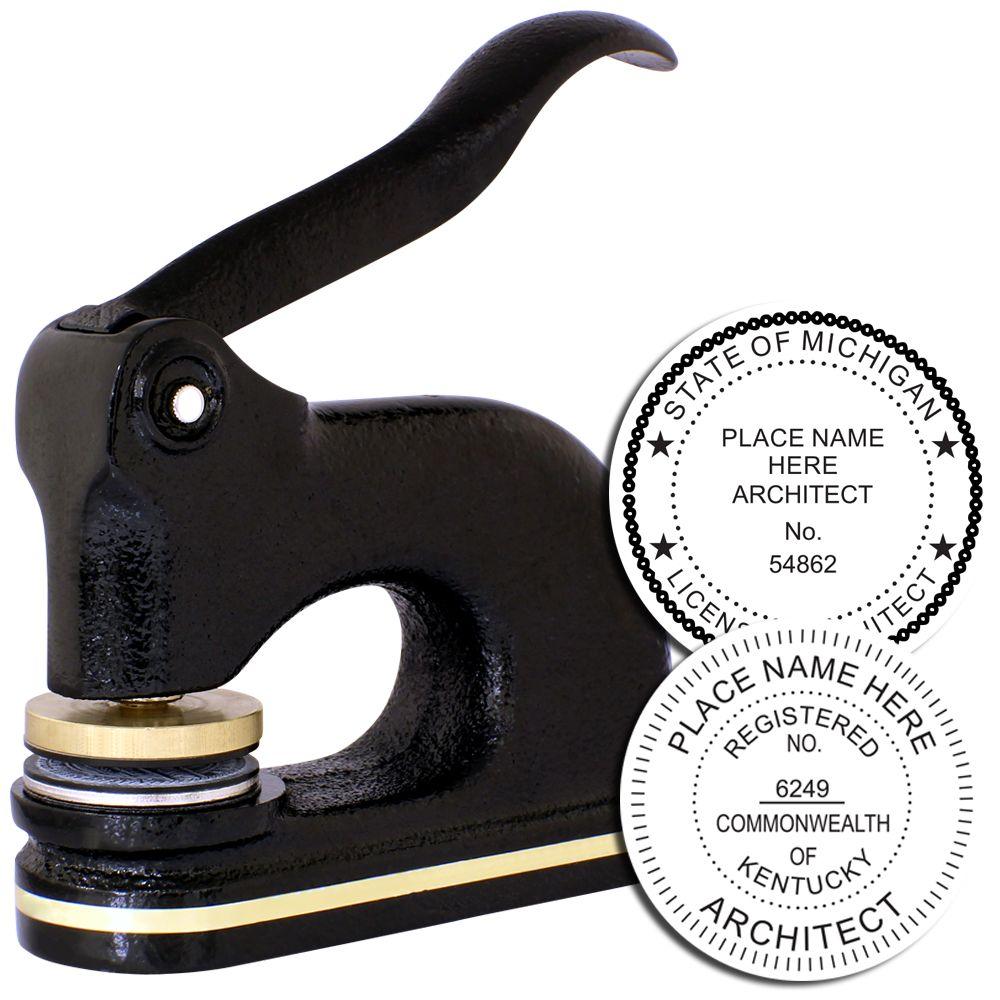
The architect rule does not specify a device type, and its sister rules do. R156-3a-601 permits electronically generated seals and signatures and says nothing else about the instrument. The engineering and land surveying rule at R156-22-601(1)(e), the landscape architect rule at R156-53-601 and the geologist rule at R156-76-601 each contain the sentence “A seal may be a wet stamp, embossed, or electronically produced.” That sentence is absent from R156-3a-601. Utah therefore does not address whether an architect’s seal may be embossed. It is not forbidden and it is not permitted; the rule is silent. The safe buy is a wet stamp, which is expressly good for every other Utah design profession and cannot be wrong here.
Signing and dating
The rule requires technical submissions to be “signed and dated with the licensee’s seal” and adds that “Electronically generated seals and signatures are acceptable.” Placement is not prescribed for architects. R156-3a-601 does not say the signature and date go across the face of the seal imprint, while R156-22-601(1)(c), R156-53-601 and R156-76-601 all do say exactly that for their professions. Signing across the impression is therefore the prudent practice and not an express Utah requirement for an architect.
Utah tells engineers, surveyors, landscape architects and geologists what a seal may be, and tells architects nothing
The four Utah seal rules are near-identical templates. R156-22-601 for engineers and land surveyors, R156-53-601 for landscape architects and R156-76-601 for professional geologists each say “a seal may be a wet stamp, embossed, or electronically produced” and each require the signature and date to appear across the face of each seal imprint. The architect rule, R156-3a-601, contains neither sentence. It gives the circle, the minimum diameter, the four elements and the acceptability of electronically generated seals and signatures, and stops.
Which documents must be sealed
All technical submissions prepared by the licensee or under the licensee’s supervision, meaning documents required by public authorities for building permits or regulatory approvals, or intended for construction purposes, including all addenda and other changes. The rule supplies one concession: “Sheets subsequent to the cover of specifications are not required to be sealed, signed and dated.” Read that narrowly, because it names specifications and not drawings. R156-3a-502(1) makes it unprofessional conduct to submit an incomplete final plan, specification, report or set of construction plans to a client who could reasonably expect it to be complete and final, or to a building official for the purpose of obtaining a building permit.


Electronic and digital seals
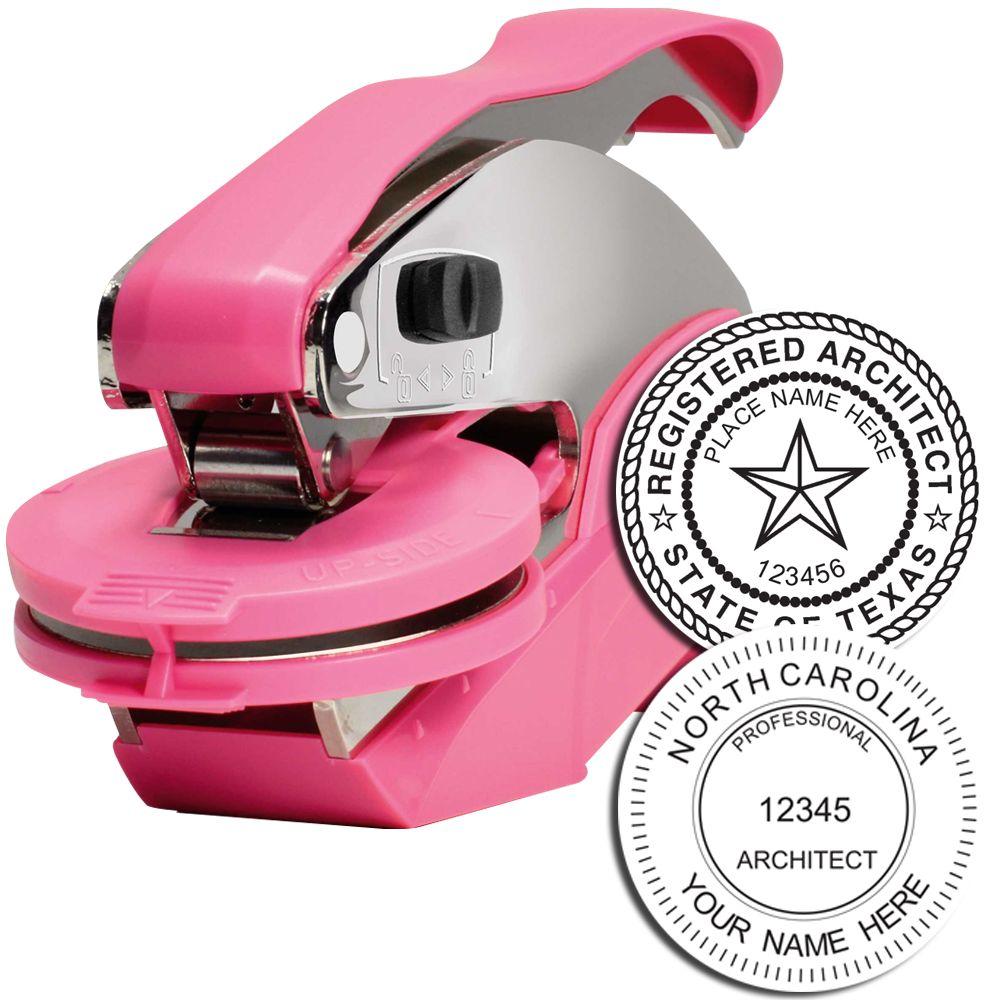
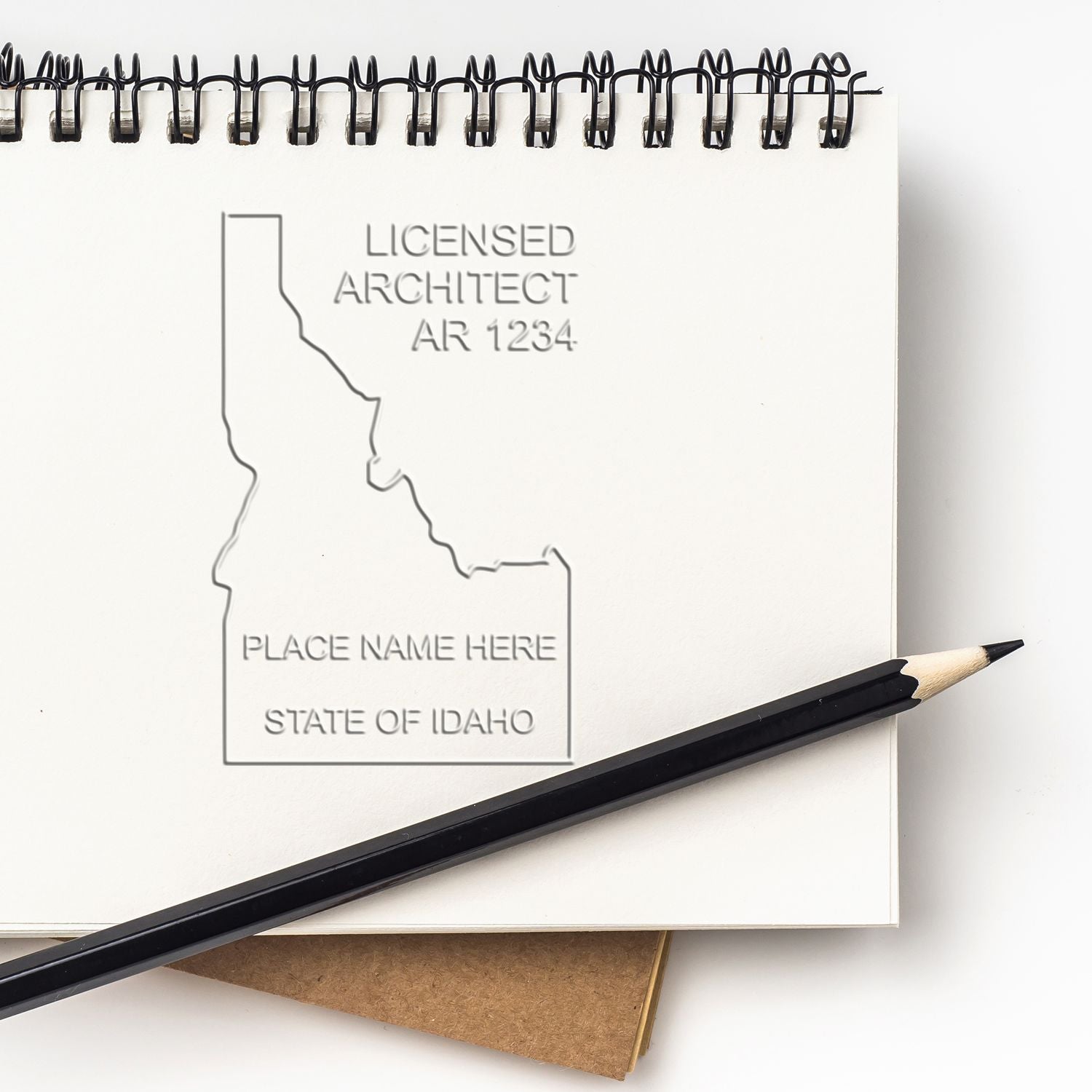
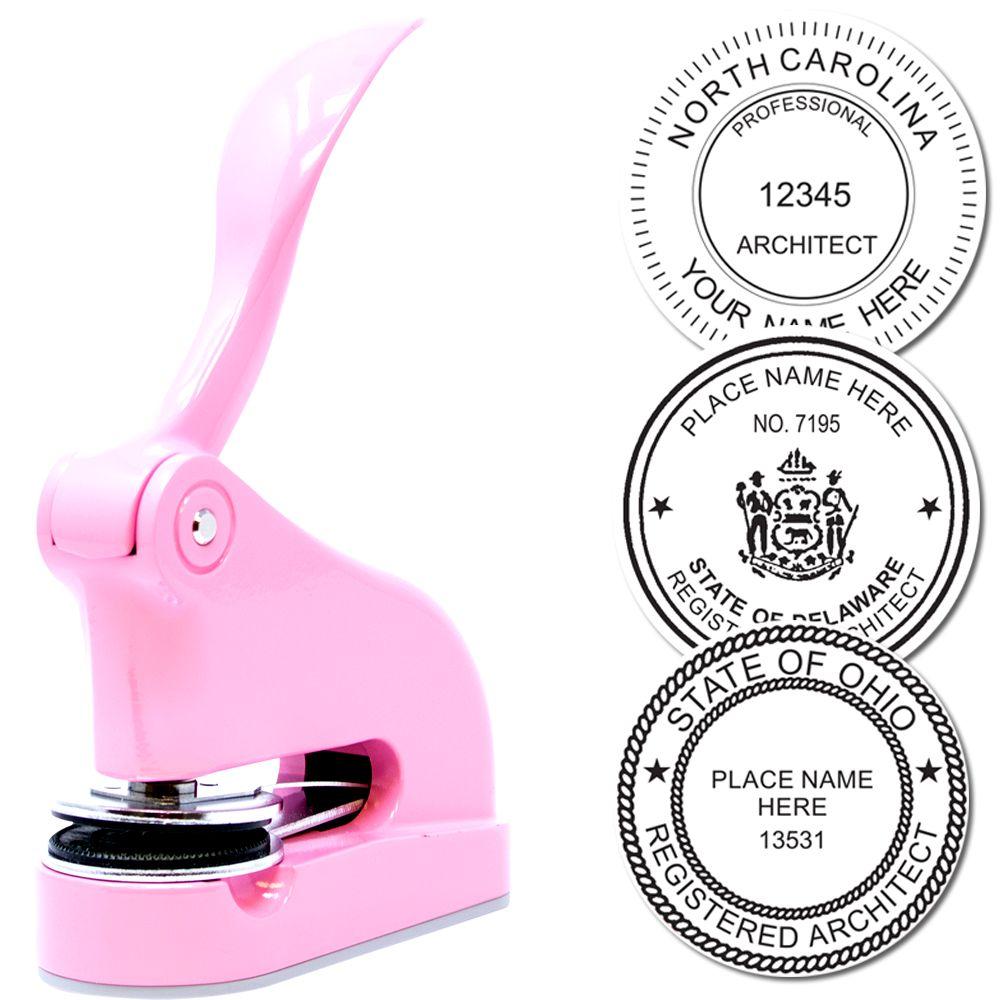
“Electronically generated seals and signatures are acceptable,” with one duty attached: “It is the responsibility of the licensee to provide adequate security when documents with electronic seals and electronic signatures are distributed.” Note the verb. The architect rule says distributed; the engineering and surveying rule at R156-22-601(1)(g) says submitted. No certificate authority, cryptographic standard or authentication process is named in either. Security is the licensee’s problem to solve.
Renewal, lapse and retirement
Not addressed in the seal rule. R156-3a-601 says nothing about the seal on expiration, lapse, inactive status or revocation. R156-3a-306(1) requires an inactive licensee to certify that the licensee will not engage in the practice of architecture while inactive except to identify the individual as an inactive licensee, which reaches sealing by implication. R156-3a-301(2)(c) governs reinstatement of a license lapsed more than two years. Nothing requires the device to be destroyed or surrendered. Checked R156-3a in full.
Firm requirements
Not applicable. Rule R156-3a creates no certificate of authorization, no firm seal and no firm number on the face of a document. Responsible charge by a principal is defined at R156-3a-102(12) as direct control and management by a principal over the practice of architecture by an organization, and R156-3a-502(2) makes failing as a principal to exercise responsible charge unprofessional conduct, but the document still carries only the individual licensee’s seal.
What to check before you order
Order a circular stamp at least one and one-half inches in diameter carrying your name as licensed, your license number, the words State of Utah and the words Licensed Architect. That legend is exact; Utah does not use Registered Architect. There is no maximum diameter. The rule does not say whether the device may be inked or embossed, so buy a wet or self-inking stamp: that form is expressly permitted for every other Utah design profession and is what building officials expect on a permit set. Seal, sign and date every technical submission, including addenda and changes; you may leave the sheets after the cover of specifications unsealed, but not the sheets of the drawing set. If you also hold a Utah landscape architect, land surveyor or professional geologist license, you need a separate die for each, because the legend names one profession.
Browse architect stamps and seals.
Frequently asked questions
Is an architect seal required in Utah?
Yes. Utah Admin. Code R156-3a-601 states it in one sentence: “In accordance with Section 58-3a-601, all technical submissions prepared by the licensee or prepared under the supervision of the licensee, shall be signed and dated with the licensee’s seal.” Technical submissions are defined at R156-3a-102(13) as documents required by public authorities for building permits or regulatory approvals, or intended for construction purposes, including all addenda and other changes.
What has to appear on a Utah architect seal?
Four items and a circle: your name as licensed, your license number, the words State of Utah and the words Licensed Architect. Nothing provides for an expiration date, a discipline line, a firm name or an NCARB number. Utah’s sister rules use the same frame with a different title, so a dual-credentialed licensee needs a separate die for each of Licensed Architect, Professional Land Surveyor, Licensed Landscape Architect and Licensed Professional Geologist.
What size is a Utah architect seal?
Circular, one and one-half inches minimum diameter. R156-3a-601(1) gives a floor rather than a fixed figure or a range with a ceiling, so you may go larger. The same minimum runs through R156-22-601, R156-53-601 and R156-76-601, so the figure is consistent across Utah’s design professions even though the legends differ.
Can a Utah architect use an embosser?
The rule does not say. R156-3a-601 permits electronically generated seals and signatures and says nothing else about the instrument, while the engineering and land surveying rule at R156-22-601(1)(e), the landscape architect rule and the geologist rule each expressly allow a wet stamp, an embossed seal or an electronically produced seal. That sentence is absent here, so an embossed architect seal is neither permitted nor forbidden by the text. A wet stamp is the safe buy, because it is expressly good for every other Utah design profession and is what building officials expect on a permit set.
Where do the signature and date go in Utah?
Placement is not prescribed for architects. R156-3a-601 requires technical submissions to be “signed and dated with the licensee’s seal” and does not say the signature and date go across the face of the seal imprint, while R156-22-601(1)(c), R156-53-601 and R156-76-601 all do say exactly that for their professions. Signing across the impression is the prudent practice rather than an express Utah requirement for an architect.
Which documents have to be sealed in Utah?
All technical submissions prepared by you or under your supervision, meaning documents required by public authorities for building permits or regulatory approvals, or intended for construction purposes, including all addenda and other changes.
Do I have to seal every specification sheet in Utah?
No. The rule supplies one concession: “Sheets subsequent to the cover of specifications are not required to be sealed, signed and dated.” Read it narrowly, because it names specifications and not drawings. Leaving the sheets of a drawing set unsealed is how architects get caught short on a permit review.
Can I seal electronically in Utah?
Yes, with a duty attached. “Electronically generated seals and signatures are acceptable,” and “It is the responsibility of the licensee to provide adequate security when documents with electronic seals and electronic signatures are distributed.” Note the verb: the architect rule says distributed, where the engineering and surveying rule at R156-22-601(1)(g) says submitted. No certificate authority, cryptographic standard or authentication process is named in either. Security is the licensee’s problem to solve.
What happens to my Utah seal if my license lapses?
The seal rule does not address it. R156-3a-601 says nothing about the seal on expiration, lapse, inactive status or revocation. R156-3a-306(1) requires an inactive licensee to certify that the licensee will not engage in the practice of architecture while inactive except to identify the individual as an inactive licensee, which reaches sealing by implication. R156-3a-301(2)(c) governs reinstatement of a license lapsed more than two years. Nothing requires the device to be destroyed or surrendered.
Does a Utah architecture firm get a seal?
No. Rule R156-3a creates no certificate of authorization, no firm seal and no firm number on the face of a document. Responsible charge by a principal is defined at R156-3a-102(12) as direct control and management by a principal over the practice of architecture by an organization, and R156-3a-502(2) makes failing as a principal to exercise responsible charge unprofessional conduct, but the document still carries only the individual licensee’s seal.
What counts as an incomplete submission in Utah?
R156-3a-502(1) makes it unprofessional conduct to submit an incomplete final plan, specification, report or set of construction plans to a client who could reasonably expect it to be complete and final, or to a building official for the purpose of obtaining a building permit.








