
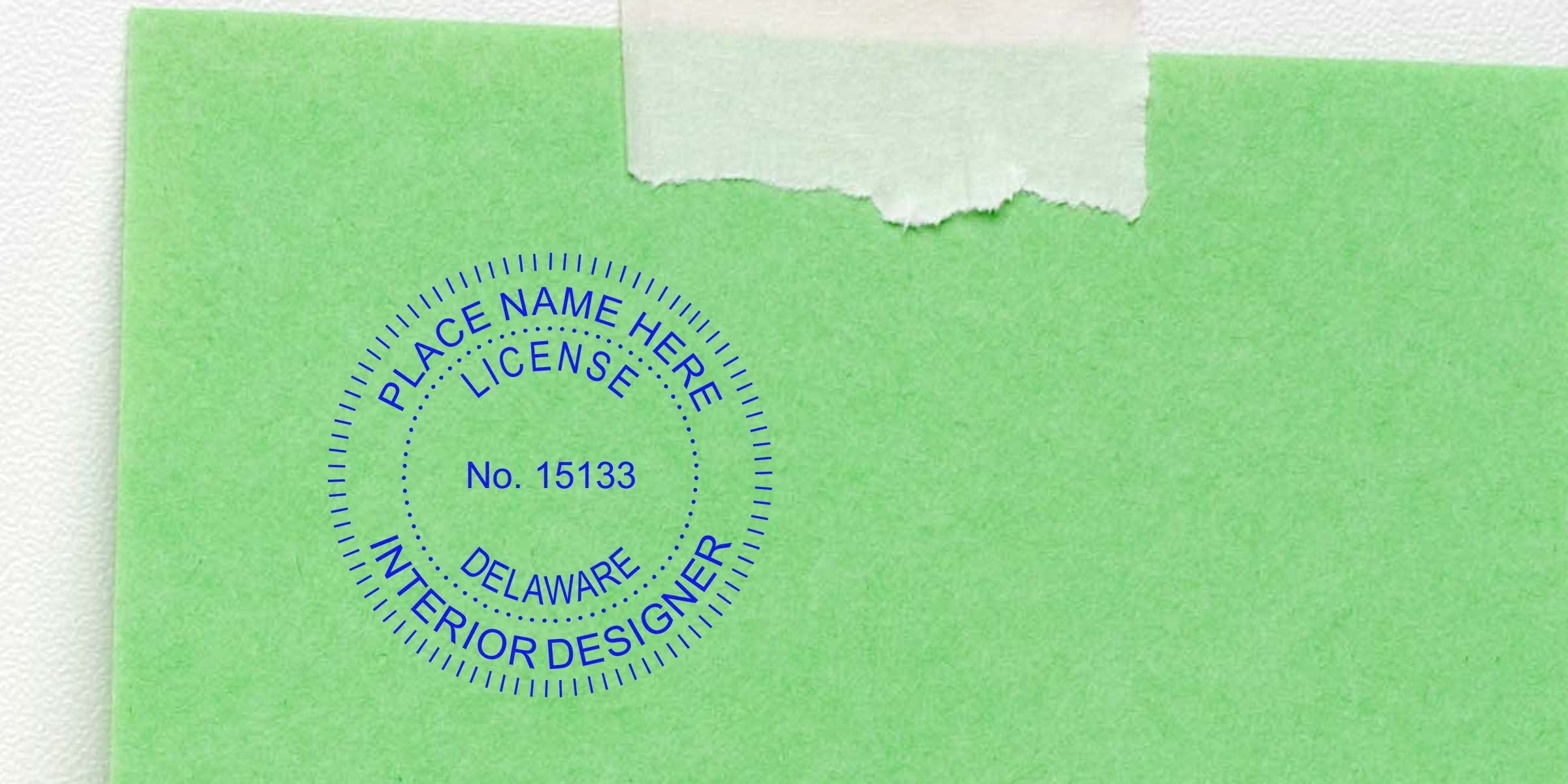
If you’re an interior designer working in Delaware, you might already know there’s a special set of rules for authenticating your drawings and reports. These rules, often called “delaware interior designer seal regulations,” can feel confusing at first glance. But don’t worry, you’re not alone. This guide walks you through the essentials step by step. I’ll share a few insider tips on what to avoid, plus how to stay compliant so your projects keep moving forward.
Below, you’ll find straightforward advice on licensing, stamping do’s and don’ts, and why the right stamp supplier can save you time. By the end, you’ll feel more confident about tackling official documents without the fear of making costly mistakes.
Grasp The Basics
Know Why Seals Matter
Seals and stamps aren’t just official-looking markers. They tell clients, contractors, and government agencies that your work meets Delaware’s standards. When you place a seal on floor plans, sketches, or design proposals, you’re vouching for the accuracy and integrity of the content inside. Think of it as your professional signature, but with legal weight.
State regulators require these official indicators to cut down on fraudulent or subpar design work. They also protect clients, who need to clearly see that a qualified individual created their design. If anyone questions the validity of your plans, your seal confirms you have the right credentials to practice in Delaware.
Understand The Key Elements
A Delaware interior designer seal typically includes:
- Your full name as it appears on your license
- The term “Interior Designer” or similar state-mandated wording
- Your Delaware license or registration number
- A design or border matching the official regulations
Delaware may update these requirements, so double-check with the latest guidelines. A properly formatted stamp or seal strengthens your credibility.
Navigate Licensing Requirements
Confirm Your Qualifications
Before you even think of ordering a seal, be sure you meet all Delaware licensing prerequisites. Usually, this involves:
- Completing a state-approved interior design program
- Passing the National Council for Interior Design Qualification (NCIDQ) exam or an equivalent test
- Submitting any necessary application forms, fees, and supporting documents
Double-check your coursework and exam status. If something’s missing, your license application might get delayed or denied, which can stall your entire design career.
Follow The Application Process
After confirming you meet all the educational and exam requirements, you’ll submit a detailed license application to Delaware’s regulatory agency. You might also need references from peers or instructors. Keep digital copies of everything, from transcripts to professional recommendations, in case a clerk requests them again.
Once your application is approved, you’ll get an official license number. This number must be included in your seal, so wait until you have it in hand before ordering any stamps. If you’re curious about what your seal design should look like or how large it should be, it helps to review available details on delaware interior designer stamp requirements. That page breaks down specific layout guidelines you don’t want to miss.
Avoid Common Pitfalls
Steer Clear Of Invalid Seals
One frequent mistake is using an outdated seal template. If Delaware updates its requirements, older stamps become obsolete or even invalid. Always check for the most recent guidelines. The same goes for newly licensed designers who borrow a colleague’s seal without updating the name or license number. It might feel like a shortcut, but it can cost you in fines or rework.
Another trap is forgetting that digital documents need an electronic seal. Just because you’re submitting plans via PDF or an online portal doesn’t mean you can skip the seal altogether. Delaware typically requires either a digital seal that matches your physical one or an approved digital signature. This ensures consistency whether you’re working with paper or pixels.
Pay Attention To Placement
Where do you actually place your seal? Usually on title pages or near your signature block, but always follow Delaware’s recommendations. Some designers put it in a corner to keep the artwork looking minimal. Others integrate it gracefully with other project details. Either approach is fine, as long as it meets official guidelines. Proper seal placement can save you from repeated re-submittals, which chew up valuable time and money.
Choose A Reliable Supplier
Why Supplier Choice Matters
A professional-quality seal isn’t just about looks. It’s about having something durable, precise, and compliant with the rules. You want a clear impression that’s easy to read, retains ink well, and matches the mandated design. Working with a subpar supplier could result in smudged lines and incomplete impressions that frustrate both you and the reviewing authority.
That’s where Acorn Sales becomes a game-changer. As a trusted supplier for Delaware Interior Designer stamps and seals, we understand the nuanced design requirements. We’ve been perfecting our craft for over 60 years, which means you’ll get a crisp, long-lasting seal that satisfies (and often exceeds) state standards. Plus, we offer a free digital seal, so your online submissions stay consistent with your paper forms.
Look For These Quality Indicators
When you’re picking your seal vendor, be sure to check:
- Expertise in Delaware’s design laws
- Durable build for long-lasting impressions
- Ergonomic handles or easy-grip designs
- Optional add-ons like extra ink pads, digital files, or specialty sizes
At Acorn Sales, we help you navigate all these details without upselling you on things you don’t need. Our goal is to simplify your life, not complicate it.
Final Thoughts
Getting your Delaware interior designer seal right isn’t just a regulatory matter. It’s a statement about your professionalism, dedication, and respect for the craft. Use the seal properly, keep tabs on the latest rules, and put quality first. Mistakes might happen, but as long as you’re informed and prepared, you’ll be well on your way to delivering top-notch designs that impress clients and pass the state’s requirements.
If you’re ready to order your official seal or have any lingering concerns, feel free to connect with the Acorn Sales team. We’ll guide you through picking the perfect design and handle any licensing quirks so you can focus on the creative side of your interiors. Good luck, and happy stamping!
Frequently Asked Questions
Do I Need A New Stamp If I Move To A Different Delaware Office?
Typically, no. Your seal is issued to you personally, so it follows you wherever you work in the state. Just remember to update your address with the licensing board if you relocate.
Can I Share My Seal With A Colleague Who Also Has A License?
You shouldn’t. Seals are personal and tied to your unique license number. Each licensed interior designer must use their own seal.
What Happens If My License Expires?
Once your license is expired, your seal usage is invalid. Renew your license promptly to continue using your seal without interruptions.
How Often Must I Renew My Delaware Interior Designer License?
Renewal cycles vary by state, and Delaware typically outlines the renewal schedule in your licensure packet. Keep track of these dates. Late renewals can result in tricky penalties or a lapse in your right to practice.
Does Acorn Sales Offer A Replacement If My Stamp Gets Damaged?
Absolutely. We stand by our products. If your seal impression fades or your device breaks, reach out to us for a replacement. We can also provide a new free digital seal if you lose your original file.








