
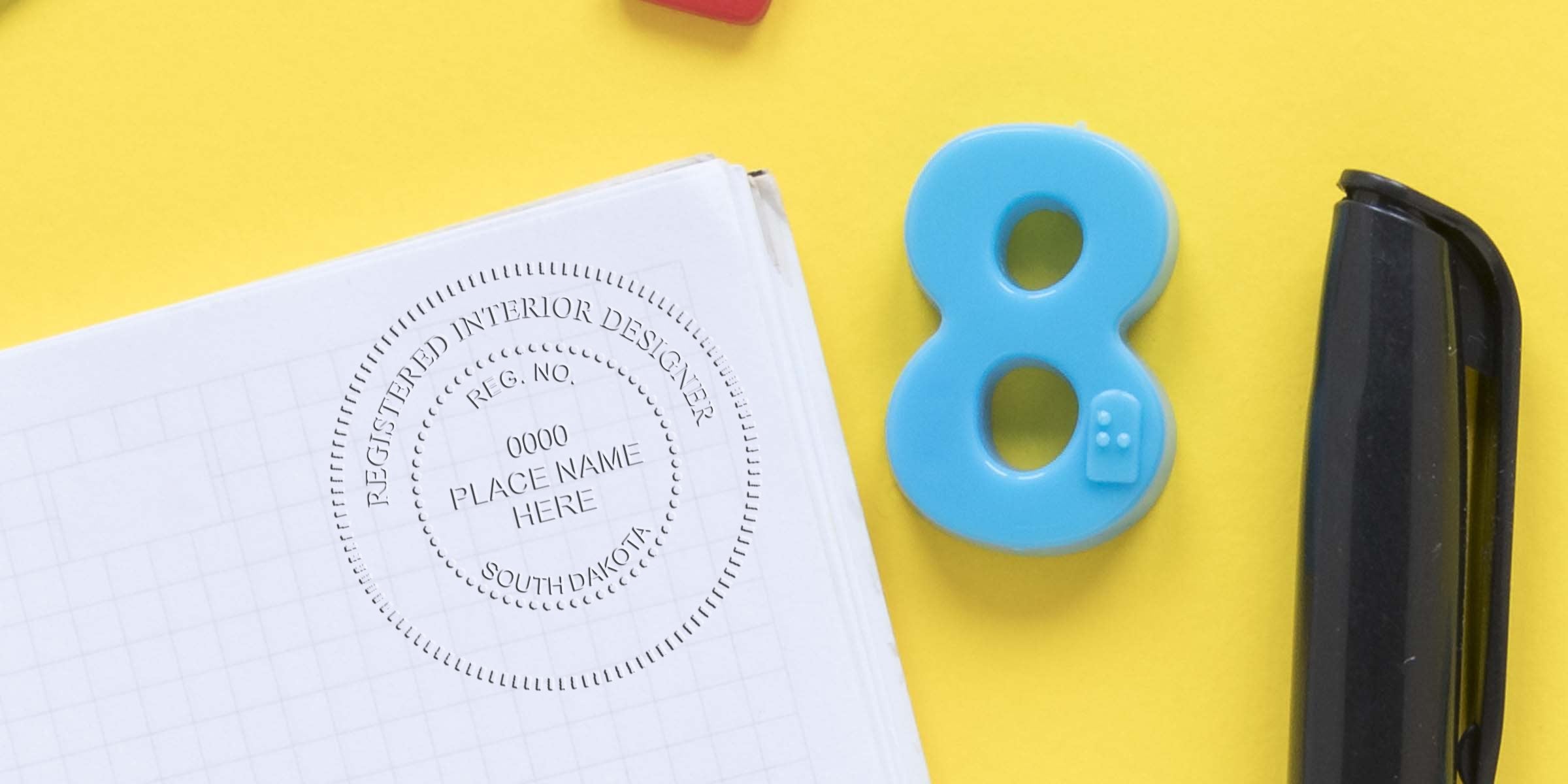
Have you ever wondered if you’re on the right track with South Dakota interior designer seal regulations? Trying to keep up with all the official rules can feel confusing, especially if you’re handling multiple design projects. But don’t worry. With a clear understanding of the requirements and a few best practices, you can stay confident that your seals and stamps will meet every standard in South Dakota.
Below, you’ll find a detailed look at what these regulations are, why they matter, how to select a reliable supplier, and the most common pitfalls to avoid. Plus, you’ll get answers to five frequently asked questions at the end. Let’s dive in.
Understand The Value Of Seals
Your seal, also often referred to as your stamp or certification mark, is more than just a fancy design. It’s a visual indicator of your authority and qualifications as an interior designer. When a client or regulating body sees your seal on official documents, it signals that you meet the legal requirements to provide interior design services in South Dakota.
Seals can be electronic or physical. Both types have their uses, but you’ll typically need to follow specific guidelines to ensure you’re applying the correct version at the right time. Here’s why your seal is a cornerstone of your professional image:
- It confirms your design credentials for local authorities.
- It shows clients you’re legally authorized to perform design work.
- It creates a consistent, recognizable mark of quality on your documentation.
Proof Of Professional Integrity
One reason your seal matters so much is because it stands for trust. By displaying your professional seal on construction documents, project specs, or official reports, you let everyone know that you’re committed to following industry standards and local codes. This simple gesture builds immediate confidence that your recommendations are backed by recognized expertise.
Differentiating Yourself In A Crowd
South Dakota’s interior design field has grown, and that means more competition. Having a valid, clearly marked seal on your documents sends a message that you’re detail-oriented, legitimate, and worthy of a client’s investment. It’s also an official sign that you prioritize compliance, which can set you apart from designers who are less disciplined about state guidelines.
Follow The Key Regulations
Even though exact rules can feel complicated, staying compliant with South Dakota interior designer seal regulations isn’t as daunting as it might appear. Essentially, you’ll need to confirm what should appear on your seal, where to apply it, and when it’s required. South Dakota law might dictate these details:
- Your name and license number (as applicable).
- The words “Licensed Interior Designer” or a similar title that matches local requirements.
- Consistent design format that meets state standards (such as a circular or rectangular shape).
If you want more specifics on what your seal should look like or what text must be included, you can read additional guidelines in the South Dakota Interior Designer Stamp Requirements. This page goes deeper into the exact formatting, sizing, and any special text mandated by South Dakota law.
Physical Seal Or Digital Seal?
You may find that your daily projects call for a variety of document types. Some are printed, while others are electronic. That’s why it helps to have an official embossing seal (the old-school physical stamp) plus a digital version to place on PDFs or other online submissions. Doing so means you’re always ready, regardless of how your client or local authorities prefer your documents.
Timing And Placement
When do you actually need to place that seal? Generally, you’ll add it alongside your signature on official plans, design specs, and certain submission documents. The state often requires that you seal any final documents before sending them out for permitting or review. Think of it as your finishing touch. Keep these points in mind:
- Place the seal in a highly visible spot, usually near your signature.
- Apply it to all finalized documents, not drafts or incomplete files.
- Double-check each page that needs a seal so you don’t miss anything.
Know The Supplier Process
Locking in a high-quality seal is essential, so you’ll want to work with a supplier that understands the unique requirements in South Dakota. That’s where Acorn Sales comes in. As a trusted supplier for interior designer stamps and seals, Acorn Sales has been in business since 1964, providing reliable products to professionals nationwide.
Why Choose Acorn Sales?
When you’re ready to purchase your stamp or seal, you want a company that knows the ins and outs of design regulations. Acorn Sales offers:
- Decades of expertise: With over half a century of service, they understand state-specific rules inside and out.
- Free electronic seal included: You don’t have to manage separate file formats on your own. You get a digital version that’s ready for immediate use.
- Quick turnaround: You often can’t afford delays, so it helps that Acorn Sales delivers products fast.
- Quality you can trust: Their seals and stamps stand up to repeated use, ensuring each impression comes out crisp for official documents.
Reviewing Your Options
Shopping for a seal can feel like a quick in-and-out purchase, but you should still explore your options:
-
Embossing Seals
- Create a raised impression on paper.
- Offer a traditional and professional look.
- Require physical pressure to make the imprint.
-
Self-Inking Stamps
- Use an internal ink pad, so you can stamp multiple times before re-inking.
- Provide sharp, consistent images in black or color ink.
-
Pre-Inked Stamps
- Have ink embedded in the die, giving you thousands of clean impressions.
- Clean and easy to handle, perfect for repeated stamping sessions.
Whichever route you choose, make sure the product meets all official format requirements for South Dakota interior designers. Take your time checking specs, and confirm that any text or numbering matches your licensing credentials.
Avoid Common Pitfalls
With so many regulations and guidelines to follow, it’s easy to make a few oversights along the way. Yet even small mistakes can cause big headaches, delays, or extra fees. Below are some of the most typical missteps and how to steer clear of them.
Misuse Of The Stamp
One common problem is applying the stamp or seal too early or too late in the document approval process. If you place your seal on work-in-progress designs, you may unintentionally signal that they’re final. On the flip side, if you forget to seal your official docs, your submission might be rejected.
- Wait until you’re sure the design is complete.
- Keep a simple checklist to flag any pages needing your official seal.
- Label preliminary drafts to avoid using the seal prematurely.
Missing Or Incorrect Details
Some designers forget to include all required details on the seal itself. Skipping your license number or using outdated job titles can lead to compliance issues if a local board spots the error. Regularly check that your wording and numbering remain valid, especially if you’ve renewed your license or changed your business name.
Improper Seal Storage
Sounds trivial, but storing your embossing seal and stamps carelessly can lead to accidental impressions on blank pages or create wear and tear that reduces the quality of future imprints. It can also put you at risk if someone else gets hold of your stamp and uses it without your permission. Instead:
- Keep your seal in a secure drawer or locked cabinet.
- Store it separately from your digital seal files (if you have them on a shared computer).
- Inspect it periodically to see if any parts need repair or cleaning.
Oversized Or Inconsistent Seals
South Dakota interior designer seal regulations typically call for a certain size and shape. Going too big might not only look cluttered, but might also violate local guidelines. Meanwhile, if your original seal design changes each time you reorder supplies from different vendors, you risk losing consistency. Work with one reliable supplier, and stay consistent about shape, color, and text.
Bringing It All Together
Propelling your interior design career forward in South Dakota is exciting, but it also comes with a fair share of paperwork. Getting your seal just right isn’t optional; it’s a must-have step to show that you’re properly certified, conscientious, and ready to deliver top-notch service to your clients.
Make sure you:
- Understand the value of your seal in building trust.
- Follow the official state regulations on required information and design.
- Pick a trustworthy supplier like Acorn Sales to ensure quality and fast service.
- Watch out for pitfalls like misusing the stamp or storing it carelessly.
- Stay current on any updates, especially regarding license numbers or changing business details.
Acorn Sales, in operation since 1964, takes pride in providing top-quality stamps and seals. Their attention to detail and familiarity with local requirements mean you can be confident you’re getting a product that fully meets South Dakota’s standards. Plus, with a free electronic seal included, you’ll have what you need to tackle both physical and digital submissions.
When it comes time to order, look over the specifications and regulations. Confirm the text, size, and overall appearance of your seal, ensuring that every element meets the updated guidelines. This attention to detail will spare you from overlooked errors and unnecessary last-minute changes. By doing everything right the first time, you avoid frustration down the road.
Before you finalize any official document, always review the correct placement of your seal. Make it a habit to triple-check the final page count, ensuring each important sheet has the seal and your signature properly displayed. This step may sound basic, but it’s often where mistakes happen.
Having your seal in perfect order instills confidence in your clients, your peers, and ultimately, yourself as a designer. You’ll know that each plan or specification you submit stands up to scrutiny, meets every regulation, and gains acceptance more smoothly.
If you feel a bit overloaded, remember that every professional grows through learning. By staying up to date, exploring the South Dakota Interior Designer Stamp Requirements, and collaborating with a reputable seal provider, you keep the focus right where it belongs: designing incredible spaces. And that’s exactly where your energy should go.
So go ahead, get your South Dakota-compliant seal sorted out, and enjoy the peace of mind that comes with knowing you’ve handled a crucial detail in your professional practice. It’s one surefire way to deliver exceptional designs with confidence, every single time.
Frequently Asked Questions
Do I Need A Separate Seal For Every Project?
You can use the same seal for all your projects, as long as you remain in good standing with the state. The important part is verifying that your seal meets the current standards and that you only apply it to your final, approved work.
Are Digital Seals Acceptable For Official Documents?
Yes. More institutions are embracing e-signatures and electronic submissions. In many cases, a digital seal or e-stamp is acceptable, particularly if it’s formatted according to state regulations and includes your licensing details.
What If My License Number Changes Or I Move To Another Firm?
If your license number changes, you’ll need to update your seal. Likewise, if you change business names or addresses, you may have to modify the text on your seal to reflect your new details. Always keep state standards in mind before ordering a new seal.
Is There A Penalty For Using The Wrong Stamp?
Using an incorrect or outdated seal may lead to penalties such as document rejection or disciplinary action by local licensing boards. Double-check each updated standard and consult the South Dakota Interior Designer Stamp Requirements for guidance to avoid any issues.
Can My Colleague Use My Seal If I’m Away?
It’s never a good idea to share your seal. You’re responsible for every document stamped with your professional mark, so letting someone else use it could place you at legal or ethical risk. If a colleague needs to finalize documents, they must have their own valid seal.








