
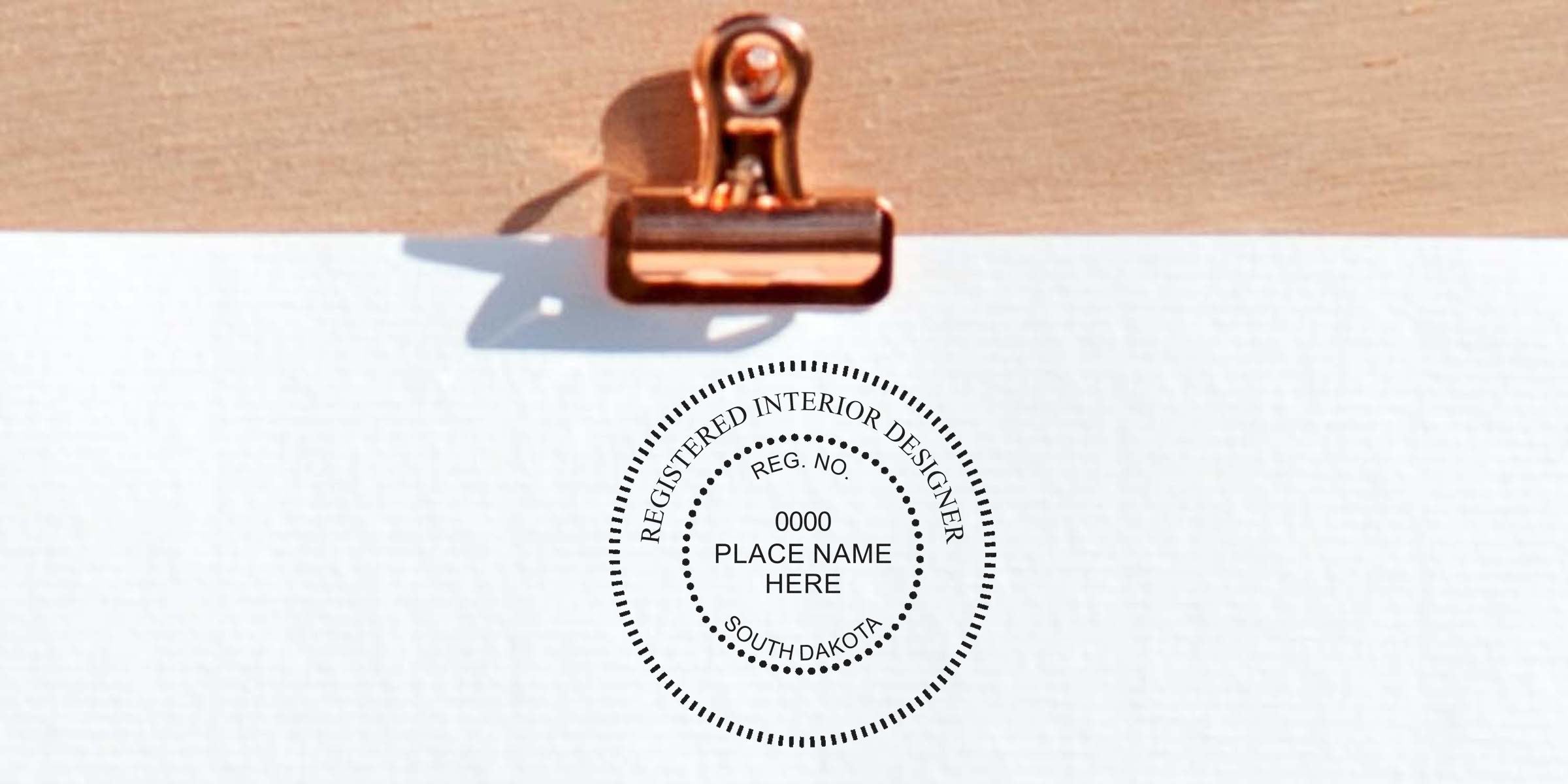
Are you an interior designer looking to work in South Dakota? If so, you’ve likely heard about the South Dakota interior designer seal design guidelines and how crucial they are for your professional documentation. Having the right seal, complete with every required detail, ensures that your work meets legal standards and instills confidence in your clients. Let’s walk through the key points you need to know, step by step.
Locate Official Guidance
Before you dive into creating or ordering your seal, it’s important to find the official regulations that outline what you can and cannot do. South Dakota typically provides these guidelines through its licensing board, so checking their online resources should be your first move. You can also contact the board directly for more detailed explanations if you’re unsure about any requirement.
For a head start, consider reviewing state statutes or administrative codes that specifically address interior designer licensing. These documents detail everything from the size of your seal to the exact wording that must accompany it. Think of it as your blueprint, ensuring your seal includes all the right sections for professional use.
- Where to look:
- South Dakota board website
- Any official rulebooks or legislative documents
- Updates or bulletins that clarify recent changes
- Why it matters:
- Avoids legal issues
- Maintains your professional status
A quick tip: while state websites can feel a bit overwhelming, most licensing boards include a FAQ page or quick-links to seal rules. That’s often the easiest way to confirm that you’re viewing the correct info.
Understand The Core Requirements
Once you track down the official guidance, you’ll see a list of specific instructions. These might include ring size, text placement, and wording that identifies you as an interior designer licensed in South Dakota. You can think of these instructions as a recipe—follow them precisely and your finished seal will be in full compliance.
Some states are strict on whether your seal should say “Registered Interior Designer” or “Licensed Interior Designer.” Others might only allow certain abbreviations like “ID,” so be sure you apply the right language. Also keep an eye on details like whether your name must be at the top or bottom of the seal, or if the seal is expected to feature the state’s outline.
- Standard requirements you might see:
- Correct license designation (e.g., “Interior Designer,” “Registered Interior Designer,” or relevant acronym)
- Your full legal name
- State name and license number
- Official ring design or shape (circle, oval, etc.)
If you feel overwhelmed, you’re not alone! Seeking a second opinion from colleagues or even a quick consult with the licensing board can save you from potential headaches. Triple-checking these specifics early on helps you avoid painful corrections later.
Include Key Seal Elements
Designing a seal that meets the South Dakota interior designer seal design guidelines often comes down to a few must-have elements. Depending on the official rules, you can expect to highlight:
- Your License Number
- The Words “South Dakota”
- An Indication That You’re an Interior Designer
- A Distinctive Border or Ring to Mark the Seal’s Boundary
Because the seal is part of legal paperwork, clarity is everything. The text must be legible, the spelling should be spot-on, and the design shouldn’t be too cluttered. While you want your name displayed, you also need to make sure it stays clean and professional. No fancy swirls or elaborate fonts that compromise legibility!
If you need more background on specific stamp requirements, you can check out South Dakota interior designer stamp requirements. It’s one more resource to help you confirm that you have all the elements that your state expects.
Avoid Common Pitfalls
Even the most experienced designers slip up on small details, so it’s smart to learn from common mistakes. One big pitfall is using an outdated seal after a rule change has occurred. State boards occasionally update their requirements, and if you’re still stamping with last year’s design, you could face issues. Another common error is ignoring legibility—if any part of your text is cut off or blurred when stamped, the document may be considered invalid.
Keep in mind that your seal’s purpose is to confirm you’re properly credentialed. Mistakes like smudged impressions, misaligned text, or an unreadable license number defeat that purpose. Quality (both in design and the physical stamp) goes a long way. This is why many interior designers prefer working with professional suppliers that understand their specific licensure requirements.
- Common sealing errors:
- Using the wrong size or shape
- Omitting essential info (like your name or license number)
- Neglecting to update the seal after rule changes
- Poor stamp ink quality resulting in faded impressions
When in doubt, think about the seal’s readability from a client’s or regulator’s perspective. If you can’t read it clearly on the first try, it’s time to refine your approach.
Navigate The Application Process
Once your seal is designed and you’re confident it fits South Dakota’s guidelines, the next step is putting it to practical use. Typically, you’ll need to submit a final copy of the seal impression to the licensing board. They may require a physical or digital sample so they can verify it meets the requirements. This official verification helps both you and the state confirm you’re on the right track.
When it comes to actually applying your seal on real projects, remember that each document you sign or approve as an interior designer might need that official seal. Whether you’re working on residential or commercial plans, stamping them correctly protects both you and the client, showing your plan is legit and recognized by South Dakota. It’s important to keep any guidelines about digital documents in mind as well. Some boards allow an electronic seal on PDFs, while others still prefer wet-ink stamps on paper.
- Tips for smooth application:
- Double-check your licensing expiration date before stamping
- Keep extra ink handy for physical stamps
- Follow board rules for electronic seal usage, if permitted
- Avoid stamping incomplete or preliminary plans
Maintain Ongoing Compliance
After you’ve established a rhythm for stamping and sealing your documents, don’t forget to keep up with regulation updates. The Department of Labor and Regulation (or a similar entity) may issue new instructions, especially if there are changes in how interior design is regulated in South Dakota. Spotting changes early can make your life a whole lot easier!
Simple habits can help you stay on top of shifting requirements. Subscribe to newsletters from the state board, check relevant websites regularly, and network with fellow professionals to exchange updates. Small changes in wording or formatting can pop up, and you never want to be caught with a noncompliant seal in the middle of a major project.
- Ongoing compliance checklist:
- Read board emails or newsletters
- Renew your license on time
- Check for modifications to seal layouts
- Keep your professional contact info updated with the board
Staying informed not only safeguards your practice, it also shows clients that you’re a proactive professional. That’s a reputation you can’t put a price on.
Choose A Trusted Supplier
Building a seal that matches state specifications can seem complicated if you go it alone. That’s where a seasoned supplier like Acorn Sales comes in. We’ve been in business since 1964, specializing in professional stamps and seals that meet state guidelines across the country. When you decide to work with a team that understands South Dakota interior designer regulations, you’re less likely to run into compliance hiccups.
One perk you’ll appreciate is having a free electronic seal included with your purchase. That way, if your board allows digital documents, you’re already set up to handle them. Plus, a reputable supplier ensures the physical stamp you receive is high quality, offering clear impressions and durable construction.
- Reasons to consider a supplier like Acorn Sales:
- Extensive experience with South Dakota requirements
- High-quality stamp materials for crisp impressions
- Free electronic seal included
- Comprehensive customer support for any seal-related questions
Taking the guesswork out of meeting these rules means you can focus on what really matters—helping your clients design comfortable, functional spaces.
Wrap Up And Next Steps
If it feels like a lot of rules, don’t worry—you’re not alone, and you’re definitely not stuck. Mastering your South Dakota interior designer seal design guidelines is simply a matter of knowing what the board wants, ensuring your seal is professionally produced, and then consistently applying it on the correct documents. Once you’ve done that, you’ll enjoy smoother approvals and the peace of mind that comes with meeting all legal obligations.
Take a moment to:
- Double-check your seal design for accuracy
- Ensure you’re up to date on any regulatory changes
- Connect with trusted suppliers like Acorn Sales to handle production
- Keep your records organized, so you’re always ready when clients or the board requests documentation
Ultimately, a compliant seal is more than just a state requirement. It’s a symbol of your professional standing and commitment to quality design work.
By following these steps, you’ll stay compliant with South Dakota requirements and give your clients the reassurance that their interior design project is handled by a true professional. If you have more questions or need fresh guidance, now’s the time to explore the resources available from your licensing board, industry peers, and trusted suppliers. Good luck with all your upcoming projects!
Frequently Asked Questions
Do I need to replace my seal after each license renewal?
Typically, you don’t need a completely new seal every time you renew your license, as long as the design is still valid. However, if there are updates to the rules or changes in your license number, you might have to modify or reorder your stamp.
Are electronic seals acceptable for official documents in South Dakota?
Many boards now accept digital seals to streamline paperwork, but policies vary. Always confirm with the South Dakota licensing board before relying solely on an electronic seal.
How should I store my physical seal?
It’s best to store physical stamps and seals in a secure location, like a locked cabinet, because they hold legal authority. Keep them away from heat or moisture to preserve the ink pad and any rubber elements.
Do I need color ink, or is black preferred?
Black ink remains the most widely accepted color for official documentation, but you should verify the board’s rules. Some states may allow other colors (e.g., blue), as long as it doesn’t compromise visibility.
Where can I get a replacement if I lose my seal?
Reach out to a reputable supplier such as Acorn Sales. They’ll help you create a new seal that still complies with any updated South Dakota guidelines. Also, let the board know if your seal is lost or stolen to prevent misuse.








