
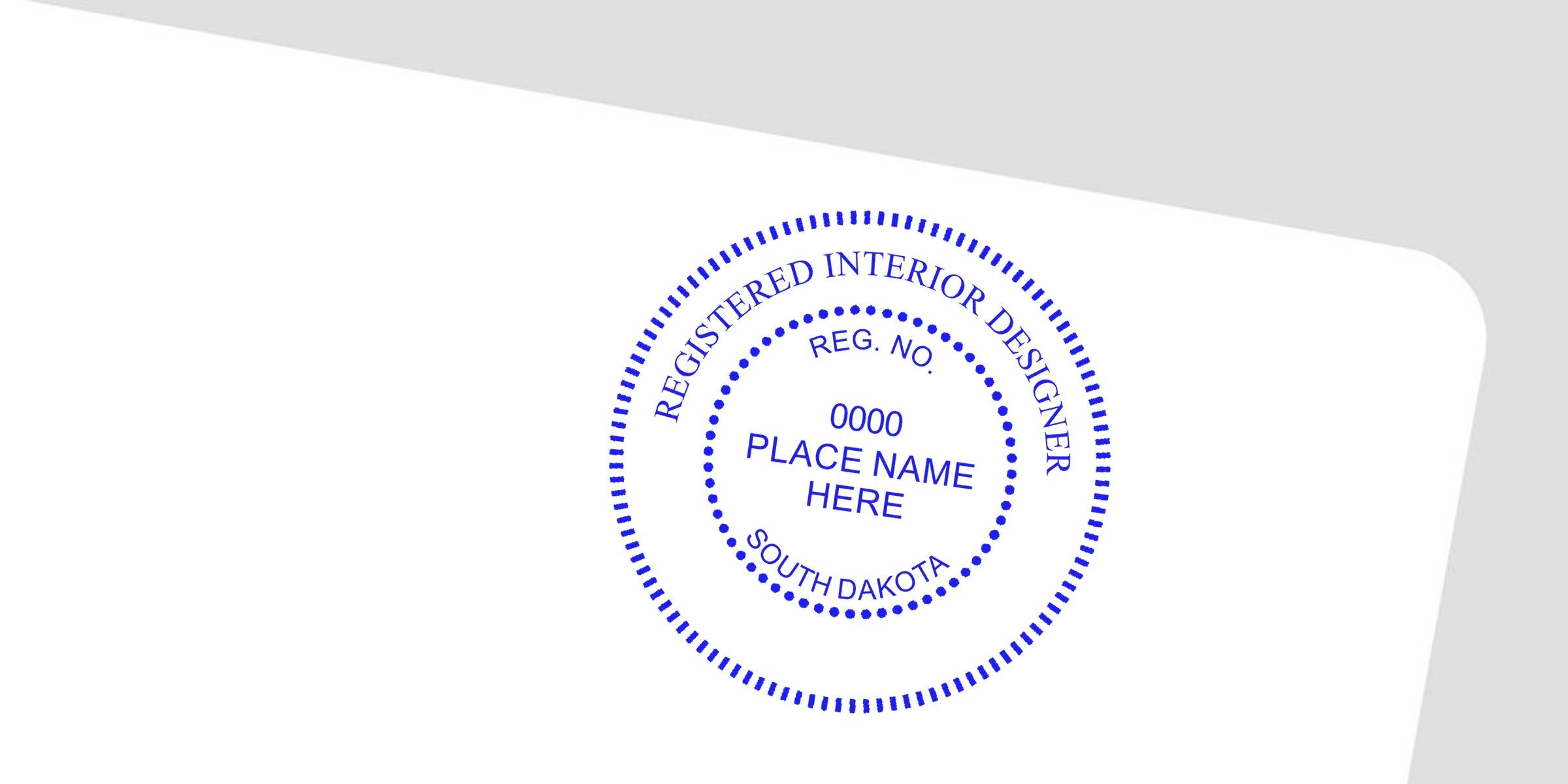
Whether you’re just beginning your interior design career or you’ve been sketching room makeovers for years, choosing the right South Dakota interior designer seal embosser can feel like a big step. But once you know what to look for, it becomes a straightforward process that saves you headaches later. In this post, you’ll discover why the seal embosser is so important, what features to pay attention to, and how to stay in line with South Dakota regulations. Plus, you’ll get a few practical tips on using your embosser the right way—no fuss and no confusion.
Recognize The Purpose
A professional seal embosser isn’t just a fancy stamp. In South Dakota, interior designers use an official seal to confirm that their plans, drawings, or other documents meet state guidelines. Picture it this way: just as a notary seal verifies the authenticity of a signature, your seal embosser certifies the legitimacy of your work. So, if a building official or a client wants proof that your design follows state rules, your seal is there to speak on your behalf.
• Symbol of Professionalism. Nobody wants to hire an interior designer whose credentials seem iffy. When you emboss a document, you’re showing you’ve satisfied the educational and licensing requirements.
• Proof of Compliance. Many counties, cities, or permit offices will specifically ask for an embossed seal on official design drawings. This helps ensure that people working on the project can trust the documentation.
• Peace of Mind. Nothing’s better than a little reassurance that you’re doing things by the book. An accurate, sturdy embosser helps you check that item off your list with confidence.
Explore Key Components
Not every seal embosser is built the same. Some are sleek and portable, while others offer extra leverage for crisp impressions. Which aspects matter most to you? Let’s walk through a few core features.
-
Impression Clarity
- You want every letter and design element to stand out. If your embosser leaves incomplete or fuzzy edges, it’s harder for officials or clients to read.
- High-quality embossers use precision engineering and durable metal plates that ensure letters come through sharply.
-
Durability
- Because you’ll be using your seal regularly, pick something that doesn’t break down or warp.
- Strong metal construction, especially for the handle and base, is key to a long-lasting tool.
-
Portability
- Do you need to carry your embosser to project sites or client meetings? A handheld model might be more convenient.
- If you spend most of your time in one office, a desk embosser provides added stability without sacrificing impression quality.
-
Customization
- Every interior designer’s information is unique. Your full name, license number, and the phrase “South Dakota Interior Designer” must be laid out exactly as the state requires.
- A reputable supplier will ensure the embosser matches all official guidelines.
A question to ask yourself here is: Will you be stamping documents on-the-go or mainly at your desk? Once you answer that, deciding on a handheld versus a desk model becomes easier.
Consider Practical Factors
Beyond the finer details of clarity and materials, a few everyday considerations can influence your choice. Nobody likes surprises—especially when you’re dealing with official documentation. So, here’s what to keep in mind:
• Embossing Pressure
Some embossers require more muscle than others. If you opt for a pocket-style model, you might apply extra force to achieve a crisp impression. Desk embossers often have a longer handle or built-in lever system, which can make the process smoother.
• Document Thickness
Thick cardstock, multi-page plans, or heavier paper might be more of a challenge to emboss. Check the specifications on your chosen model to confirm if it can handle the materials you use most often.
• Design Aesthetics
Function is important, but so is form. If you’re working in an office where clients see your workstation, you might want a sleeker-looking embosser that reflects your professional style. Some models come in black, chrome, or other finishes that match your décor.
• Future Adjustments
What if you move to a different licensing jurisdiction in the future, or your license information changes? Some embossers have removable die plates, so you can update your seal without purchasing an entirely new device. That’s handy if you’re thinking ahead.
Comply With State Rules
Choosing an embosser also means staying on top of legal obligations. In South Dakota, interior designers follow specific guidelines for what the seal should look like and where to place it. If you’re unsure, you can review the details at south dakota interior designer stamp requirements. This resource outlines what your seal must include, such as your name, license number, and the correct wording.
• Confirm Design Requirements
South Dakota typically mandates certain text and layout elements to appear on your seal. Make sure your embosser’s design matches these rules exactly—no guesswork allowed.
• Know When to Apply the Seal
Is it necessary for every plan you draw up, or just for final documents you submit to permitting offices? Knowing exactly when to emboss can save you time and reduce the chances of an oversight.
• Stay Updated
Regulations can change. It pays to check for updates from the South Dakota board that handles design licensure. A simple rule shift can make your old seal invalid, so stay informed to avoid rework.
If you’re worried about missing a small detail, don’t sweat it. That’s where a specialized supplier and official state resources come in handy.
Rely On A Trusted Supplier
Even the best interior designers need a helping hand with their tools. That’s where Acorn Sales steps in. We’ve been in business since 1964, supplying South Dakota interior designer stamps and seals to professionals who want a dependable product. We know the ins and outs of official designs, so we’ll get your details right the first time.
• Why Choose Acorn Sales
- Decades of Experience. After more than half a century in this industry, we’ve pretty much seen it all. Our team understands what interior designers need and how to meet those strict state requirements.
- Free Electronic Seal. When you order an embosser through Acorn Sales, you also get an electronic version of your design at no extra charge. This perk can be a big deal when you need to submit digital documents.
• What To Expect
- Personalized Guidance. Not sure which embosser model suits your workflow? Our staff will walk you through the pros and cons, making it easy to pick the right option.
- Seamless Ordering. You can select your embosser style, confirm your custom details, and know that everything aligns with the South Dakota interior designer code.
• Peace of Mind
- We understand that your reputation is on the line. If there’s any discrepancy with your seal or if state regulations shift, you can count on us to help update your embosser promptly.
Use Your Embosser Correctly
Once you have the right tool in hand, it’s time to use it masterfully. Proper technique ensures that each impression is valid, professional, and easy to read. Let’s be honest: if you’re applying your seal incorrectly, you might undo all that hard work you put into choosing it. Here’s how to keep everything on track:
-
Position The Paper
- Align the page so the embossed impression lands where you need it. Typically, seals go near your signature block or another designated space.
- Make sure the paper is flat. Any bumps or creases could distort your design.
-
Apply Steady Pressure
- Squeeze the handle (or push the lever) slowly and evenly. If you press too quickly, the impression might slip or smudge.
- For desk embossers, use the built-in lever system for consistent force. This will help you get a crisp impression every time.
-
Check The Result
- Inspect the embossed area immediately to confirm it’s clear and legible.
- If you ever get partial impressions, adjust your technique or consider a different paper thickness.
-
Keep It Clean
- After repeated use, tiny paper fibers or dust can gather around the seal. Wipe the plates gently with a soft cloth if you notice any buildup.
- Storing your embosser in a protective pouch can also extend its lifespan.
-
Stay Organized
- Some states require you to keep a record of each document you seal, including date and context. Even if South Dakota doesn’t mandate that, it’s a good practice to stay consistent with your documentation.
A pro tip: Don’t seal multiple copies of the same page in a rush. Emboss them one by one, which helps you maintain consistent results for each impression.
FAQs For Quick Reference
Still have a few questions popping into your mind? You’re not alone. Below are five common questions about picking and using a South Dakota interior designer seal.
-
How do I confirm I have the correct seal design?
- Always compare your seal layout to the guidelines issued by the South Dakota board in charge of interior design licensing. If you see differences in text size or arrangement, ask your supplier to revise it. You can also reference the south dakota interior designer stamp requirements for extra clarity.
-
Is a pocket embosser strong enough for thick documents?
- A quality pocket embosser can handle standard paper and some card stock, but it might struggle with very thick materials. If you regularly work with multi-layer plans, a heavier-duty desk embosser is usually a better bet.
-
What if I change my name or license info?
- If anything in your seal needs an update, some embossers come with removable plates that you can swap out. Or you can order a replacement die that matches the new licensing details. Check in with your supplier to confirm what’s possible.
-
Why should I buy from Acorn Sales?
- Acorn Sales has specialized in stamps and seals since 1964, so our experience is a real plus in understanding state-by-state requirements. We also include a free electronic seal for digital documents, which saves you money and gives you a faster way to sign off on your designs.
-
Will my seal be valid for digital project submissions?
- Some jurisdictions require a purely digital seal for electronic files. With Acorn Sales, your free electronic seal is part of the package, so you can attach it to PDFs or other digital formats as needed.
Conclusion
Selecting a South Dakota interior designer seal embosser doesn’t have to be complicated. It’s all about understanding your own workflow—from how often you stamp documents to the thickness of your materials—and verifying that every detail matches state requirements. Once you’ve checked those boxes, you’ll enjoy peace of mind knowing you’re meeting legal standards and presenting yourself as a true professional.
Try testing a few samples if you’re unsure about which style (pocket or desk) works best for you. And if you want an expert opinion, Acorn Sales has been guiding interior designers since 1964. With a free electronic seal in the mix, you’ll also be well-equipped for modern, digital processes. Once your embosser is in hand, be sure to practice your technique on scrap paper so you can create crisp, clean impressions right from day one. After all, you’re not just stamping a piece of paper—you’re making your creative mark on every project you touch.
Frequently Asked Questions
What should a South Dakota interior designer seal embosser include?
Your embosser should match South Dakota’s official requirements, including your name, license number, and the correct wording for “South Dakota Interior Designer.” It’s important to verify the exact layout and text with current state guidelines before ordering.
Should I choose a pocket embosser or a desk embosser for my interior design practice?
If you travel frequently or need to emboss documents on-site, a pocket embosser may be the better fit. If you work mostly from an office and want easier, more consistent impressions, a desk embosser is usually the best choice.
How do I know if my seal embosser will make a clear impression?
Look for a high-quality embosser with durable metal plates and strong construction. A good model should create sharp, legible impressions without fuzzy edges, especially on the paper types you use most often.
Can a South Dakota interior designer seal embosser handle thick documents?
Some embossers can handle standard paper and light cardstock, but thicker plans or multi-page documents may require a desk embosser with stronger leverage. Always check the product specifications to make sure it matches your typical document thickness.
What should I do if my name or license information changes?
If your license details change, you may need a replacement die plate or a new embosser, depending on the model you purchased. Choosing a design with removable plates can make future updates easier and more cost-effective.
Is an electronic seal included with a South Dakota interior designer seal embosser order?
Some suppliers, like Acorn Sales, include a free electronic seal with your embosser order. This is especially helpful if you also need to submit digital files or PDFs along with printed documents.








