
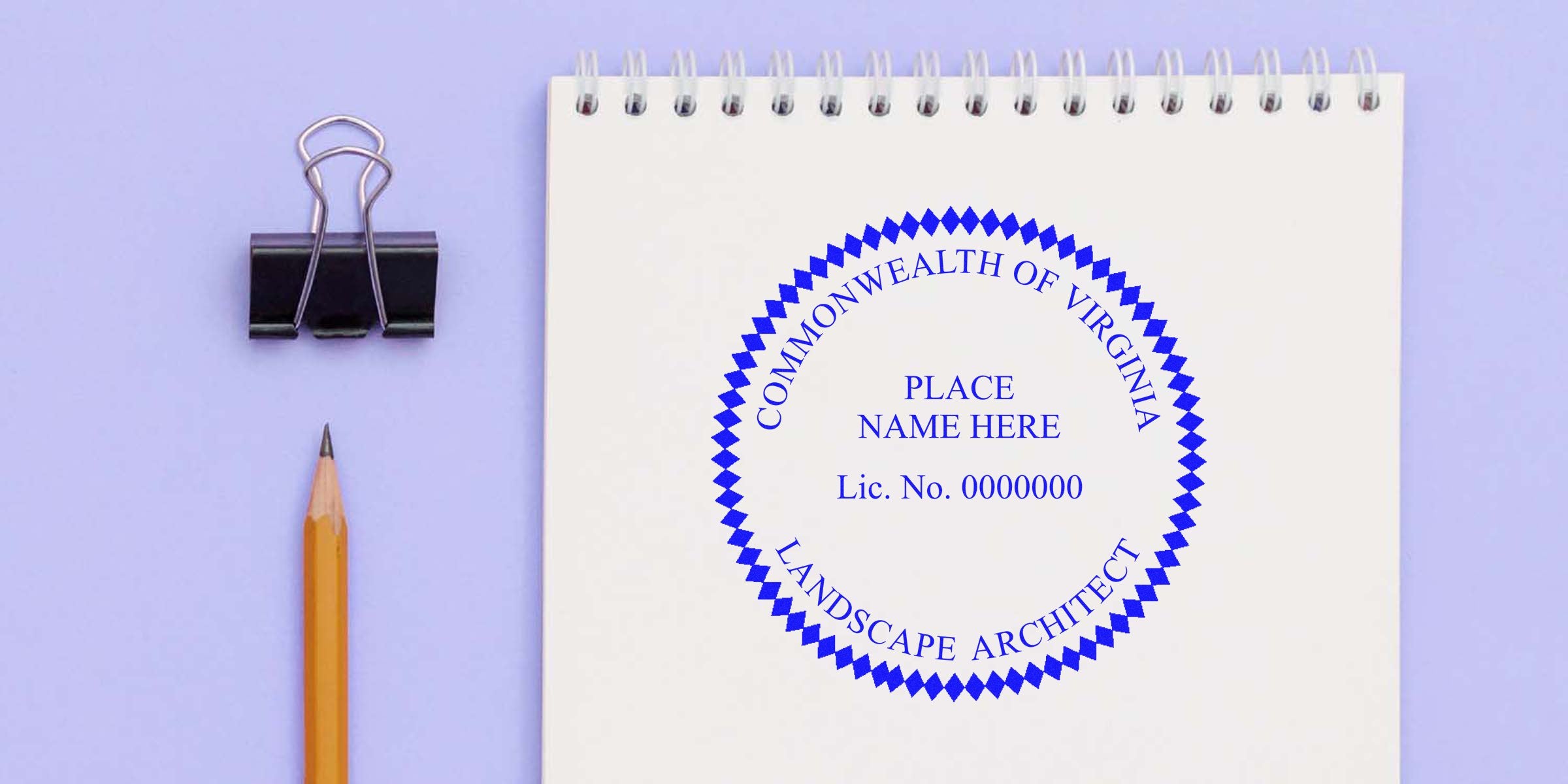
Picture The Right Stamp
Imagine you’ve got a big presentation looming with your final landscape plans, but you suddenly realize your seal is off-size. Sound stressful? It can be. Getting the correct Virginia Landscape Architect Stamp Size right from the start saves you headaches and ensures your documents are accepted. In Virginia, you’re required to place a seal on drawings, reports, and other documents to show you’re properly credentialed. But here’s the thing, if your stamp is too large or too small, there’s a risk that officials might reject your submission. That’s not a conversation anyone wants to have at the last minute.
This is why selecting the proper size and style of stamp is more than a tiny detail. It’s a crucial piece of your professional toolkit. You’ve spent hours crafting beautiful landscape designs, so why let a small imprint derail the entire process? Even if you’ve been licensed for years, it never hurts to review the official specifications. Rules and interpretations can shift over time, and you don’t want to rely on outdated guidelines.
In this post, we’ll talk about the importance of the correct stamp dimensions, typical pitfalls, and how to keep your imprint crisp. By the end, you’ll know what to look for in a Virginia landscape architect stamp, plus a few easy ways to keep those impressions clean and professional. Let’s get started.
Understand The Importance
Let’s be honest, running a landscape architecture practice is no walk in the park. You deal with project deadlines, zoning regulations, and site evaluations all at once. In the flurry of everyday tasks, the size of your stamp might not be top of mind. But it’s officially recognized by licensing boards as proof that you’re authorized to work in Virginia. If you miss the mark on the required dimensions, you risk delaying project approvals or even invalidating crucial drawings.
Think of your seal as a signature that highlights your credibility and compliance. A stamp that’s too big can appear sloppy, crowding out essential details on your plans. On the other hand, a stamp that’s too small could make it hard for officials to read your name or license number. Neither scenario helps you or your clients.
Beyond technical concerns, clarity matters. You are providing professional assurances that landscaping work meets certain codes and standards. A properly sized stamp instantly conveys that you’re detail-oriented and following industry requirements. That sense of trust can be the difference between moving forward smoothly or getting stuck battling red tape.
Spot Common Stamp Mistakes
Stamp errors happen more often than you might think. Maybe you inherited an older seal that doesn’t match current requirements, or you rushed an online purchase without carefully checking the dimensions. Mistakes like these can cause problems down the road. Here are a few typical slip-ups:
Not Checking Regulation Updates
Regulations aren’t static. The board might revise the acceptable size or layout guidelines. If you haven’t confirmed the current rules recently, you could be working off outdated info.-
Overlooking Document Type Requirements
Some documents demand a more visible seal, while others might require a more compact stamp. Using the same size across every document could be an issue if your board expects variations for specific paperwork. Poor Placement on Drawings
Even if your stamp measures up, positioning it in a cluttered corner can make it illegible. You want an area free of text and lines so the entire imprint is clear.Fuzzy or Inconsistent Ink
A well-sized stamp still causes trouble if your ink pad is old or your self-inking mechanism is worn out. Blurred edges or missing letters undermine the professionalism of your seal.
Being mindful of these pitfalls can save you time, effort, and embarrassing do-overs. Plus, it makes your overall workflow smoother. Nobody wants to scramble at the eleventh hour when a client or a regulatory board points out that your stamp doesn’t comply.
Meet Virginia Requirements
Before you finalize a purchase or dust off your older stamp, confirm you’re following current Virginia regulations. Virginia’s licensing boards usually specify certain elements: the landscape architect’s name, license number, and the wording “Registered Landscape Architect” or “Licensed Landscape Architect.” They also expect the seal to fit a standard diameter, often around 1.75 inches to 2 inches, although it’s vital to check the exact updates from the relevant board.
Keep in mind:
- The wording on your seal must match your license exactly.
- The board typically requires that the seal be a circular design, but verify if a square or oval form is acceptable.
- It’s important to keep the text legible, so the letters shouldn’t look cramped or run into the edges of the seal.
If you need specifics, you can contact Virginia’s professional board or refer to the official guidelines published on their website. Accuracy is key here; a fraction of an inch can make a difference between approved and disapproved. For more background on these regulations, you can also explore the guidelines provided with each Virginia landscape architect stamp you purchase, as reputable suppliers typically include relevant details.
Choose The Right Size
Selecting the appropriate Virginia landscape architect stamp size might feel overwhelming. But there’s some good news. Most reputable suppliers in the state or online are well aware of the guidelines. When you order from a trusted company like Acorn Sales, you’ll notice they specify that their products meet or exceed Virginia’s board requirements. They’ve been in business since 1964, and their longtime experience ensures you get a seal that is recognized and respected.
Here’s a quick breakdown of your main options:
Pre-Inked Stamps:
These come with an integrated ink reservoir, producing crisp impressions without the need for a separate pad. Often, they’re available in standard diameters that align with regulation.-
Self-Inking Stamps:
Similar to pre-inked but with a built-in inked pad that re-inks the die after each use. This is often a good choice for people who need to stamp multiple documents in quick succession. Traditional Rubber Stamps:
These require a separate ink pad, which can offer flexibility in ink colors or re-inking. However, you’ll have to ensure your pad stays sufficiently inked for a clean imprint.
Most professionals prefer a self-inking or pre-inked model for convenience. Just be sure the text on your stamp is easy to read even at the prescribed diameter. Your name and license number should be crystal clear, with enough space between the text and the seal’s border.
Acorn Sales also bundles a free digital seal with your order, which is handy for electronically submitted documents or digital plan sets. Digital seals are becoming more popular, and having both a physical stamp and a digital file covers all scenarios where you might need authenticated designs.
Maintain Crisp Impressions
Practice makes perfect, and stamping is no exception. Even the most perfectly sized seal will look messy if you don’t keep your equipment in good shape. Here are a few tips for top-quality impressions:
Store Your Stamp Properly
If you’re using a self-inking or pre-inked device, keep it closed and away from direct sunlight. Extreme temperatures or too much exposure to air might dry out the ink.Test On Scrap Paper
Before stamping important documents, do a quick test on a scrap piece. Check that the center text looks clear and that there aren’t any smudges along the circle’s edge.Re-Ink When Necessary
You’ll know it’s time to re-ink if your stamp starts to fade or deliver uneven impressions. Manufacturers often provide specific ink types for each stamp model. Using the wrong ink can gum up the mechanism or produce blotchy prints.Clean The Surface
Dirt or lint on the stamp face can distort details. Gently wipe the surface with a soft, lint-free cloth every so often.Apply Even Pressure
If you tend to press harder on one side, you’ll end up with partial prints. Aim for a level, consistent push to get a well-centered image. This might sound obvious, but a quick practice round can help clarify how much pressure you need.
Once you get in the rhythm, stamping your seal will become second nature. Each time someone sees that crisp, well-sized imprint, it underscores your professionalism and attention to detail.
Wrap Up And Next Steps
It’s easy to put off details like stamp size until the last minute. But paying attention to your Virginia landscape architect stamp now prevents rejections, delays, and unnecessary confusion later on. Whether you’re renewing your license, starting fresh, or simply want to confirm you’re still compliant, a perfect seal is worth the investment.
Acorn Sales has served countless professionals since 1964, and they understand exactly what Virginia boards want. Place an order with them, and you’ll also get a free digital seal for any times you need to submit documents online. That’s one less detail you’ll need to juggle on your own.
Take a moment to confirm you have everything you need for your next stamping session. The right size, a fresh ink pad or self-inking unit, and a well-practiced hand can all work together to help you deliver a professional finish on every design. If you ever feel unsure, reach out to a reputable supplier such as Acorn Sales and let them steer you in the right direction. With a properly sized seal in hand, you’ll be free to focus on what really matters: creating landscape designs that make Virginia’s spaces more beautiful, functional, and sustainable. Happy stamping!
Frequently Asked Questions
What is the official size requirement for a Virginia landscape architect seal?
Board guidelines vary, but most specify a round seal with a diameter of roughly 1.75 inches to 2 inches. Always confirm with the current regulations to ensure compliance.
I already have a stamp I’ve been using for years. Do I really need a new one?
Possibly. If your existing stamp is worn out, illegible, or doesn’t match updated regulations, you should consider replacing it. A clear and compliant stamp avoids future issues, especially if rules have changed since your original purchase.
Can I use different ink colors?
Usually, yes, but black is your safest bet for most official documents. Some boards permit blue, but check if your local agency has stricter preferences.
How do I ensure my digital seal is accepted?
A valid digital seal typically includes encrypted credentials or a secure signature file. Acorn Sales provides a free digital seal with each purchase, which you can use for electronic submissions as long as your board recognizes digital equivalents.
Do I need a different seal for each document type (plans, reports, etc.)?
The same standard seal is generally used for multiple document types, as long as it meets size and content rules. Just remember to stamp clearly in an appropriate area to avoid overlapping text or design details.








