
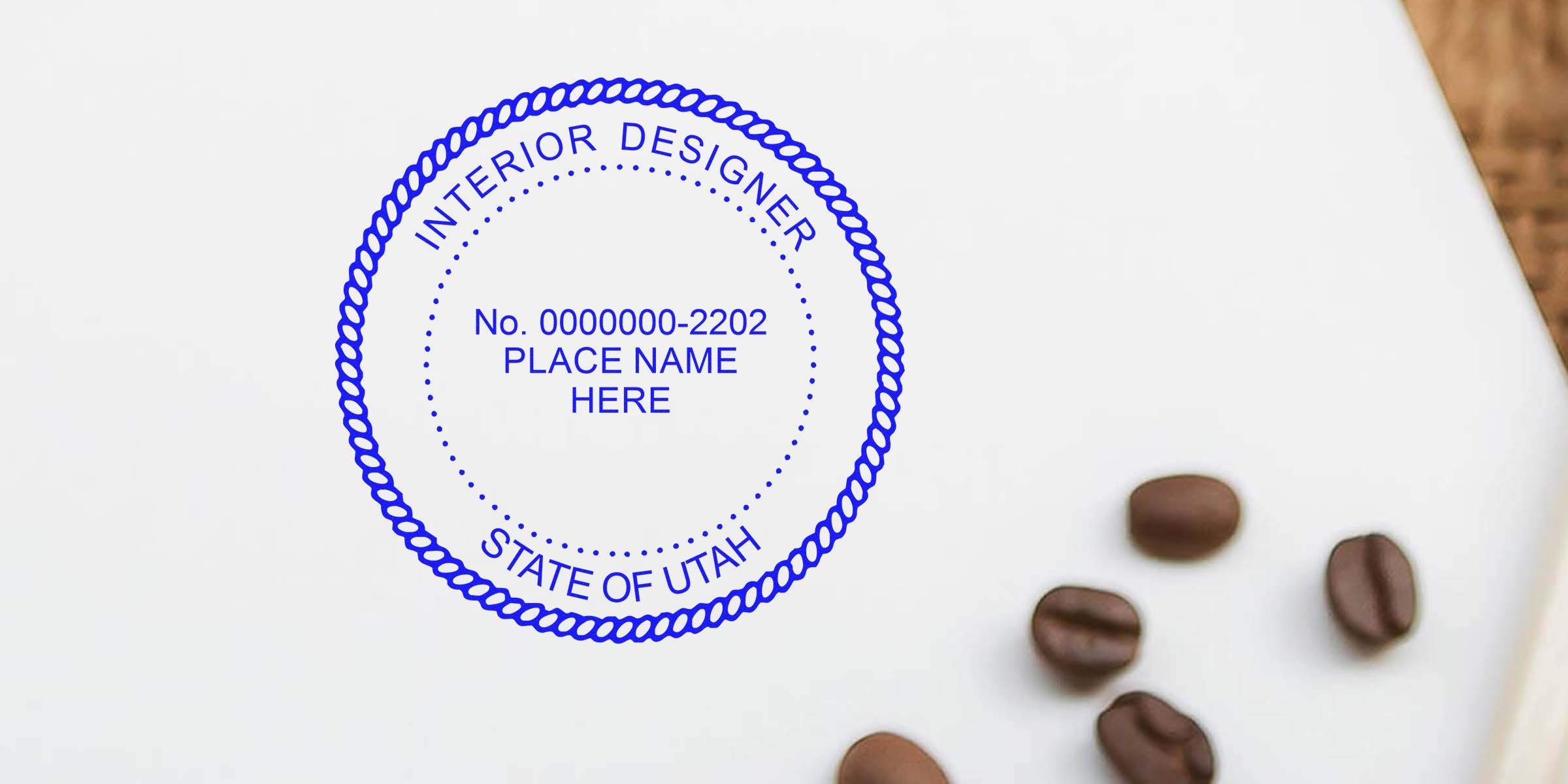
Understand The Utah Interior Designer Stamp Guidelines
If you’re stepping into the world of interior design in Utah, you’ve probably come across countless details about licensing, sealing, and stamping. It can feel overwhelming. The good news is that understanding Utah interior designer stamp guidelines isn’t nearly as complicated once you break it down into key steps. By getting clear on these regulations early, you’ll avoid expensive compliance mistakes and set yourself up for a smooth project approval process.
In this article, you’ll learn how interior designer stamps and seals in Utah work, why they matter, and the common pitfalls to dodge. Whether you’re brand-new or have been designing interiors for years, following the right stamping protocols keeps your professional documents valid and credible. Let’s dive in.
Why A Stamp Matters For Interior Designers
You might be thinking: “Isn’t a stamp just a formality?” Actually, it’s so much more. When you place a stamped seal on your drawings, plans, or other project documents, you’re showing regulatory bodies, clients, and contractors that your work meets Utah’s professional standards. It’s your personal seal of approval.
Key Benefits Of A Proper Stamp
- Establishes Professional Credibility: A stamped plan says you’re up to date on licensure, design codes, and ethics.
- Fulfills Legal Requirements: Utah’s interior designers typically need to comply with state guidelines that mandate stamped documents for significant projects.
- Protects All Stakeholders: Properly sealed documents ensure everyone involved can have confidence in the design’s integrity.
The guidelines aren’t there just to make you jump through hoops. They help maintain a uniform quality standard so every interior designer operating in Utah is on the same page.
Common Mistakes To Avoid
We all slip up sometimes, but some mistakes can cost you time, money, and even your license. Getting familiar with the pitfalls will save you from last-minute headaches.
Mistake 1: Using The Wrong Format
The most frequent slip? Not having the right stamp design. For instance, some designers create a personal stamp that looks great aesthetically, but it fails to meet Utah interior designer stamp requirements. No matter how attractive your logo is, you should ensure your stamp contains all mandatory elements, like your name, license number, and any specific phrases required by Utah’s licensing board.
Mistake 2: Placing The Stamp Incorrectly
Stamps should be easy to spot on official project documents. If you hide your stamp behind design elements or push it to the corner of the last page, building officials could overlook it. Make sure the stamp is clearly visible and placed where it can be easily checked.
Mistake 3: Forgetting To Sign
A stamp on its own might not be enough. Many states require an accompanying signature to confirm you (the designer) are the one who actually prepared or supervised the work. Forget to sign, and you could be forced to revise and resubmit.
Mistake 4: Relying On Generic, Outdated Stamps
Did you know that older stamps might no longer comply with updated rules? Keeping your stamping tool up to code is essential. If you’ve had the same design since day one, it might be time to check if the requirements have changed.
Steps To Acquire Your Utah Stamp
Getting your official stamp doesn’t have to be difficult. If you organize your paperwork and know where to order, you’ll be set up in no time.
-
Confirm Your Eligibility
Before you apply for a Utah interior designer seal, make sure you meet the state’s licensing criteria. This usually includes specific educational degrees, examinations, and sometimes documented experience hours. -
Check Current Stamp Requirements
Next, dig into the latest Utah guidelines. Requirements can evolve, so confirm everything from size and shape specifications to mandatory text on the stamp. Utah’s board website is a good starting point, but you might also talk with colleagues or check local designer forums to verify. -
Choose A Trusted Supplier
Once you know exactly what design you need, it’s time to source your stamp. This is crucial. Not all suppliers have the same reputation or quality control. Pick someone who’s known for providing official seals that comply with Utah’s requirements. This is where we’d love to say hello—at Acorn Sales, we’ve been creating reliable professional stamps since 1964. -
Provide Accurate Licensing Details
When you order, you’ll typically submit your name and license number, plus any additional info required by Utah’s board. Double-check everything. Spelling your name incorrectly could lead to a major headache later. -
Review A Proof
Most reputable suppliers will send you a proof of the stamp before finalizing. Take a close look at text, spacing, and any official seals or state outlines that need to be included. Once you give the green light, production begins.
Acorn Sales: Your Long-Standing Partner
Choosing a stamp supplier is more than a transaction—it’s a relationship. You want someone who not only delivers quality but also helps you navigate any questions that pop up along the way.
Why Acorn Sales?
- In Business Since 1964: We’ve been around for over half a century, helping thousands of professionals get the right stamps and seals. That experience translates into a product you can trust.
- Free Electronic Seal Included: Beyond your physical stamp, you’ll get a digital version you can insert into electronic documents. It’s the modern solution that saves time.
- Seamless Customization: If Utah updates its guidelines, we can quickly redesign or revise your stamp so you’re never left behind.
- Friendly Customer Support: We love chatting with our customers. Questions? Confusions? We’re here to walk you through it.
When you partner with Acorn Sales, you bring on a team that knows how to keep you on the right side of Utah’s regulations. It’s not just about making a stamp. It’s about giving you professional peace of mind.
Tips For Maintaining Compliance
Staying compliant is not a one-and-done deal. You’ll need to keep your paperwork current, follow design changes, and ensure your stamp usage remains consistent with state laws.
Stay Updated On Rule Changes
Regulations can shift with little warning. Every so often, the state board might tweak the required text or layout for your seal. Mark your calendar to review guidelines at least once a year, or set a reminder to check the board’s website each quarter.
Train Your Staff
If you run a small design firm or have an administrative assistant, make sure everyone understands the stamping process. That includes where to place stamps in client documents, how to store physical stamps securely, and the significance of electronic seals.
Store Physical Stamps Securely
Your stamp is a symbol of your professional identity. Keep it in a safe place—preferably locked up when not in use. The last thing you want is an unauthorized person stamping drawings or forging documents in your name.
Use The Digital Seal Wisely
If you decide to attach an electronic seal to your PDF plans, treat it with the same respect as the physical stamp. Don’t just leave the file version lying around on a public drive. Your digital seal, especially if it includes your signature, should be protected with passwords or encryption.
Wrapping Up
Following Utah interior designer stamp guidelines doesn’t have to be stressful or complicated. By understanding the importance of stamps, avoiding common slip-ups, and sticking to a clear acquisition process, you’ll keep your projects flowing without delays. When it comes to reliable stamps and seals, Acorn Sales is here to help you stay on track.
You’ve got the creative talent. Now back it up with the right stamps and seals so your final designs pass both inspection and client approval. With just a bit of care and organization, you can sidestep the headaches and make the stamping process feel effortless.
If you need more details, you can explore Utah interior designer stamp requirements. Plus, if you have any specific questions about the stamping process or you’re ready to order, Acorn Sales is here to guide you step by step.
Feel free to reach out anytime. Your stamping journey might look complicated at first, but with the right resources and a supportive supplier, you’ll get it done without a hitch. Enjoy designing, and remember to stamp with confidence!
Frequently Asked Questions
Do I Need To Sign My Stamped Documents?
Yes. Even if Utah’s board specifies a certain stamp design, most rules require a physical or digital signature in addition to the stamp. The signature confirms that you prepared or directly supervised the project.
How Often Do These Guidelines Change?
The state rarely makes dramatic changes, but smaller tweaks can happen yearly or biannually. It’s wise to check official sources or speak with fellow interior designers regularly so you don’t get caught off guard.
Can I Use The Same Stamp Design In Multiple States?
Not necessarily. Each state has its own regulations about the wording and format of professional seals. It’s best to have a separate, state-specific stamp for your Utah projects.
Can I Order A Custom Stamp That Includes My Logo?
You can usually add a logo or distinctive design feature as long as it doesn’t override Utah’s mandated text. Make sure all state-required elements remain prominent. Always verify that your custom seal meets local regulations.








