
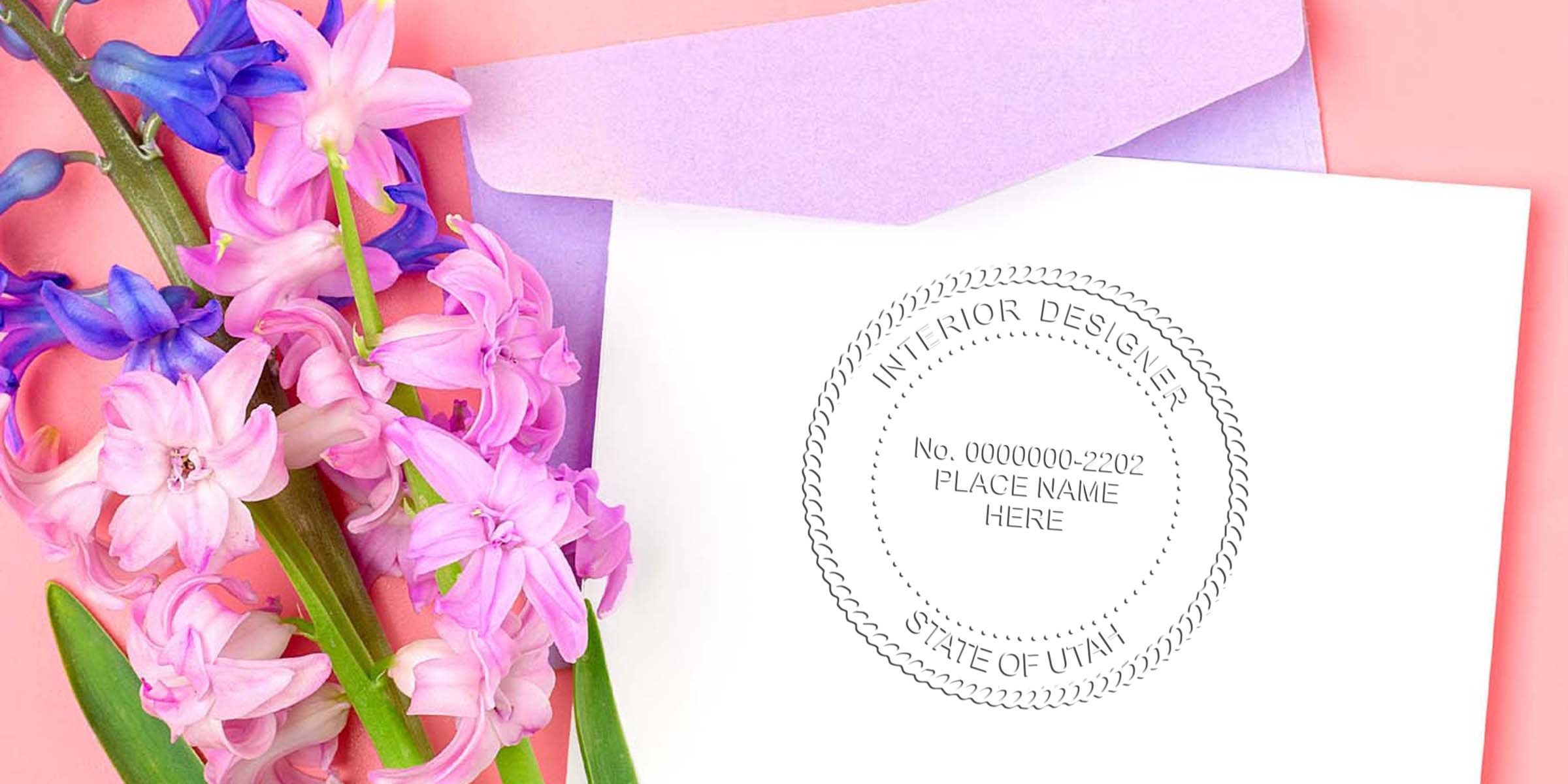
Ever wondered what exactly goes into Utah interior designer seal regulations? You’re not alone. Many interior designers in Utah feel unsure about when and how to use their official stamp or seal—and whether they’re meeting all the rules. In this article, you’ll find a clear overview of the core requirements, tips on staying compliant, and insights into choosing a reliable supplier for your professional stamp and seal. By the end, you’ll feel confident knowing how to manage every step, from understanding relevant laws to applying a new seal on finalized drawings.
Understand Utah Requirements
No matter how small or large your interior design projects are in Utah, you need to be aware of the state’s overall guidelines for professional seals. These regulations help keep your work authentic, consistent, and aligned with local standards. In practical terms, you’ll typically use a stamp or seal to indicate that your design drawings meet Utah’s legal and ethical benchmarks.
But why do these requirements exist in the first place? In short, they protect clients, designers, and the broader public by ensuring that only licensed professionals take responsibility for design decisions. If you’re licensed in Utah, you’ll likely need an official seal that certifies your identity, credentials, and the authenticity of your work. That little impression on your drawings or documents signals that you’ve met state standards before finalizing your designs.
Key Points to Know
- Utah’s guidelines generally specify who can hold a seal, when it’s used, and how it should appear.
- You remain responsible for all documents bearing your stamp or seal, so no one else should use it, even if they work with you.
- Be sure to keep up with any regulation updates, as rules can shift over time.
Distinguish a Stamp From a Seal
You might have heard the words “stamp” and “seal” used interchangeably, which can be confusing. In many professional contexts, a “stamp” commonly refers to the physical device you press onto ink and transfer to paper. A “seal” can mean either the impression itself or an embossed image. Some states define these terms more strictly, but in Utah, you’ll often see them used in broader ways.
What truly matters is that you have a consistent method to mark your official interior design documents. Whether you choose an ink stamp or a specialized embossing tool, both must meet Utah’s guidelines for size, format, and critical details (like your name and license number). You’ll want to know these details inside and out, because a misaligned or incorrect seal could invalidate your documents or stump your approval process.
Stamp vs. Seal Comparison
| Aspect | Stamp (Ink) | Seal (Embossed) |
|---|---|---|
| Visibility | Highly visible in ink, easy to scan or copy | Physically imprinted, can be harder to reproduce via scans |
| Common Use | Frequent for everyday documents and standard drawings | Used for official or more formal submissions |
| Utah Requirements | Must include name, license info, and Utah-based design elements if needed | Same info as stamp, but raised impression may be required in certain localities |
Even if the differences seem small at first, you’ll save yourself headaches by confirming exactly which format your city or county requires. If you’re ever unsure, it’s best to call your local municipal office and ask about region-specific guidelines.
Apply and Use Your Seal
Once you have the correct stamp or seal, you’ll want to know when to apply it to your drawings, specifications, and various documents. Typically, you’ll affix your seal on final plans before sending them for review or signing off a project. You might also need to include it on official reports, contracts, or addenda that require your professional sign-off.
Some states let you keep a digital seal on file, which can be just as official as your physical versions—provided it meets the same design criteria. Utah has been fairly comfortable with electronic options as long as the seal can be clearly viewed on electronic documents. That flexibility comes in handy when you’re emailing designs to clients or building inspectors who can’t meticulously review a paper print.
Common Documents That Need a Seal
- Construction or remodeling plans
- Final design sketches, especially for larger builds
- Planning or zoning board submissions
- Technical specifications or materials lists
Remember, if your stamp or seal is missing on critical pages, local authorities might return your documents without approval. This can delay your plans and your progress, so double-check each page before you call a project “done.”
Follow the Application Process
Believe it or not, getting your seal set up is often the straightforward part. The real challenge can be ensuring you’ve met licensure conditions and kept up with official paperwork. To start, you’ll need a Utah interior designer license. Then, you should register or verify your stamp and seal according to guidelines set by Utah’s licensing board.
If you’re still exploring the specifics of stamps versus seals, or you want to confirm the data that goes on them, check out our in-depth overview of Utah interior designer stamp requirements. It goes into detail on what exactly must appear on your stamp, like your full name, license number, and any official design that Utah might mandate. Think of it as a cheat sheet for ensuring you never miss a key requirement.
Steps to Acquire and Use a Seal
- Confirm your interior designer license is current and in good standing.
- Review Utah guidelines for your seal’s design, format, and wording—some details might change periodically.
- Procure your customized stamp or seal device from a trusted provider who knows Utah’s legal standards.
- Register your seal (or keep documentation) if Utah requires official proof of your unique design.
- Use your stamped or sealed impression on final drawings, specifications, or other official documents.
Try to keep an organized file (even digital) that shows samples of each version of your seal: physical stamp and digital image if applicable. You never know when you’ll need to provide proof of authenticity or answer a licensing board inquiry.
Stay Compliant Over Time
When you first receive your license, you’ll feel that rush of excitement. But the journey doesn’t end there. You need to maintain compliance with Utah’s regulations. You’ll likely renew your license every few years, and that renewal might require continuing education credits or fees. If you overlook this step, your stamp or seal could be considered invalid until you bring your license back into good standing.
In addition, any changes in your personal information—like changing your name—will require an update on your stamp or seal. Make sure to keep your details accurate so your documents remain legally valid. Keeping a personal checklist can help you track your renewal dates, continuing education deadlines, and any necessary updates to your seal design.
Renewal Checklist
- Renew your Utah license by the deadline.
- Complete required continuing education, if mandated.
- Update any personal or contact details on record.
- Contact your stamp supplier for a revised seal if your name or license number changes.
Staying compliant isn’t just about meeting official rules—it also protects your reputation. When clients see you have an up-to-date seal, they can trust that your work is covered by all the proper certifications and legal frameworks.
Partner With a Trusted Supplier
High-quality stamps and seals help ensure your designs look professional and meet state guidelines. That’s why many designers in Utah work with Acorn Sales, a supplier known for reliable craftsmanship and top-notch customer support. We’ve been in business since 1964, and through the decades we’ve helped countless professionals get the right seal, whether they need a classic embosser, a self-inking stamp, or a crisp electronic image.
One perk is that at Acorn Sales, a free electronic seal is typically included with your order. If you need to send digital plans to a building department, that e-seal can save you time and shipping costs. A good electronic seal also eliminates confusion around messy scans, ensuring the receiving party can read all your license info clearly.
Why Acorn Sales Stands Out
- Decades of Experience: We’ve served architects, engineers, and interior designers for over 60 years.
- High-Quality Materials: Sturdy devices that last, along with crisp impressions every time.
- Compliant Designs: Each stamp or seal is created to match your state’s latest regulations.
- Free Electronic Seal: Keep a digital version handy for projects that might handle all documents online.
While it’s tempting to order a cheaper stamp from an unknown source, you might run into trouble if the impression doesn’t meet Utah’s standards. Investing in a professional supplier adds peace of mind—plus, you’ll have someone to contact if your seal ever needs replacement or adjustment.
Wrap-Up and Next Steps
Understanding Utah interior designer seal regulations is more than just checking off a to-do list—it’s about preserving the integrity of the industry, protecting clients, and standing behind your own professional work. Once you familiarize yourself with when and how to use your seal, you’ll present designs that look polished and credible to both authorities and clients.
If you’re feeling uncertain at any stage, check with the state licensing board or reach out to a reliable stamp provider for direct guidance. A bit of upfront research can save you from revision requests or project delays down the road. And if you’re currently hunting for a new stamp or seal, remember you’ve got options: from physical embossers to digital seals, there’s a solution that matches your workflow and the unique demands of Utah-based projects.
By following these essential tips, you’ll stay on top of your licensing obligations, show off your expertise, and move your projects forward with ease. It’s as simple as making sure you have the right tools, a consistent routine for applying them, and a handle on all the applicable rules. Here’s to designing beautiful, fully compliant spaces—one stamped set of plans at a time.
Frequently Asked Questions
Do I really need both a stamp and a seal?
Not necessarily. Most Utah interior designers either use an ink stamp or an embossed seal, depending on personal preference and local requirements. However, certain municipal building offices may request one format over the other, so always confirm with the agency you’re submitting to.
Can I share my seal with colleagues?
No. You alone are responsible for how your seal is used, and you should never lend it to another designer (licensed or not). Doing so can create legal liability issues and places your professional standing at risk.
What if my contact information changes?
You’ll need to update your license records with Utah’s licensing board and potentially get a new seal device if your name or other essential details have changed. It’s best to do this immediately to avoid confusion or invalid documents.
Are electronic seals acceptable in Utah?
Yes, Utah generally recognizes electronic seals if they’re identical in appearance and content to your physical stamp or seal. Check local regulations to ensure you follow any specific digital format requirements. Having both options can simplify how you submit your documents.
Where can I order a compliant seal?
Trusted suppliers like Acorn Sales specialize in Utah-compliant stamps, embossers, and electronic seals. They’ll design your seal according to the latest legal standards, ensuring your impression meets all the guidelines.








