
Written by Acorn Sales Company, manufacturing stamps and seals since 1964 · Reviewed by Holly R, VP of Sales and Marketing at Acorn Sales, against Acorn Sales product catalog, stamp ink and stamp pad range on 21 September 2026 · Updated 25 September 2026
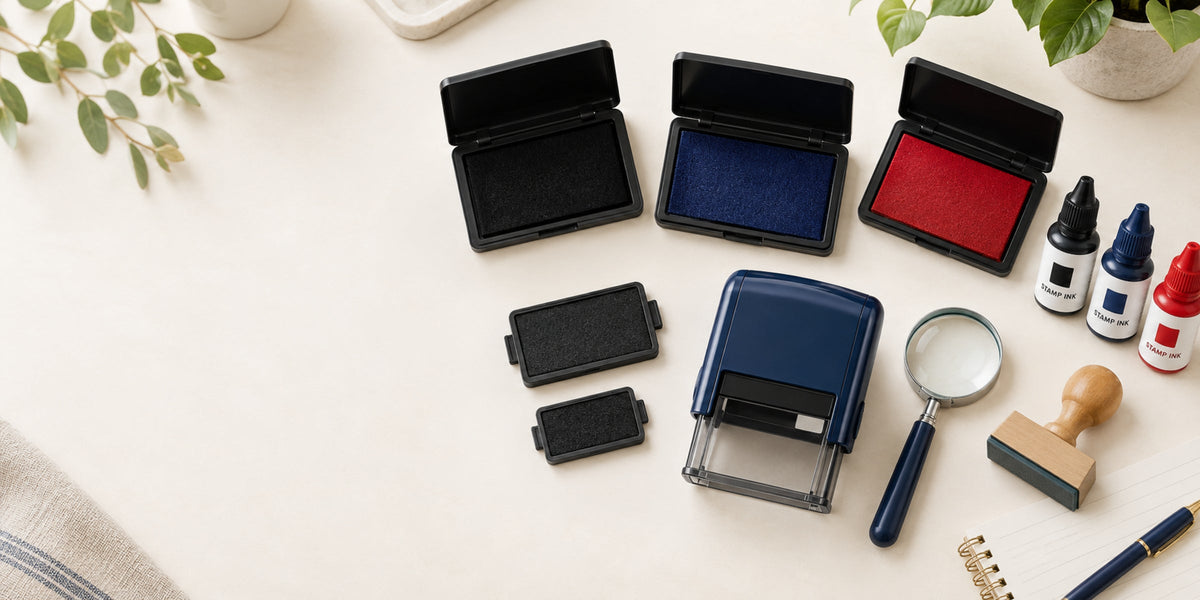
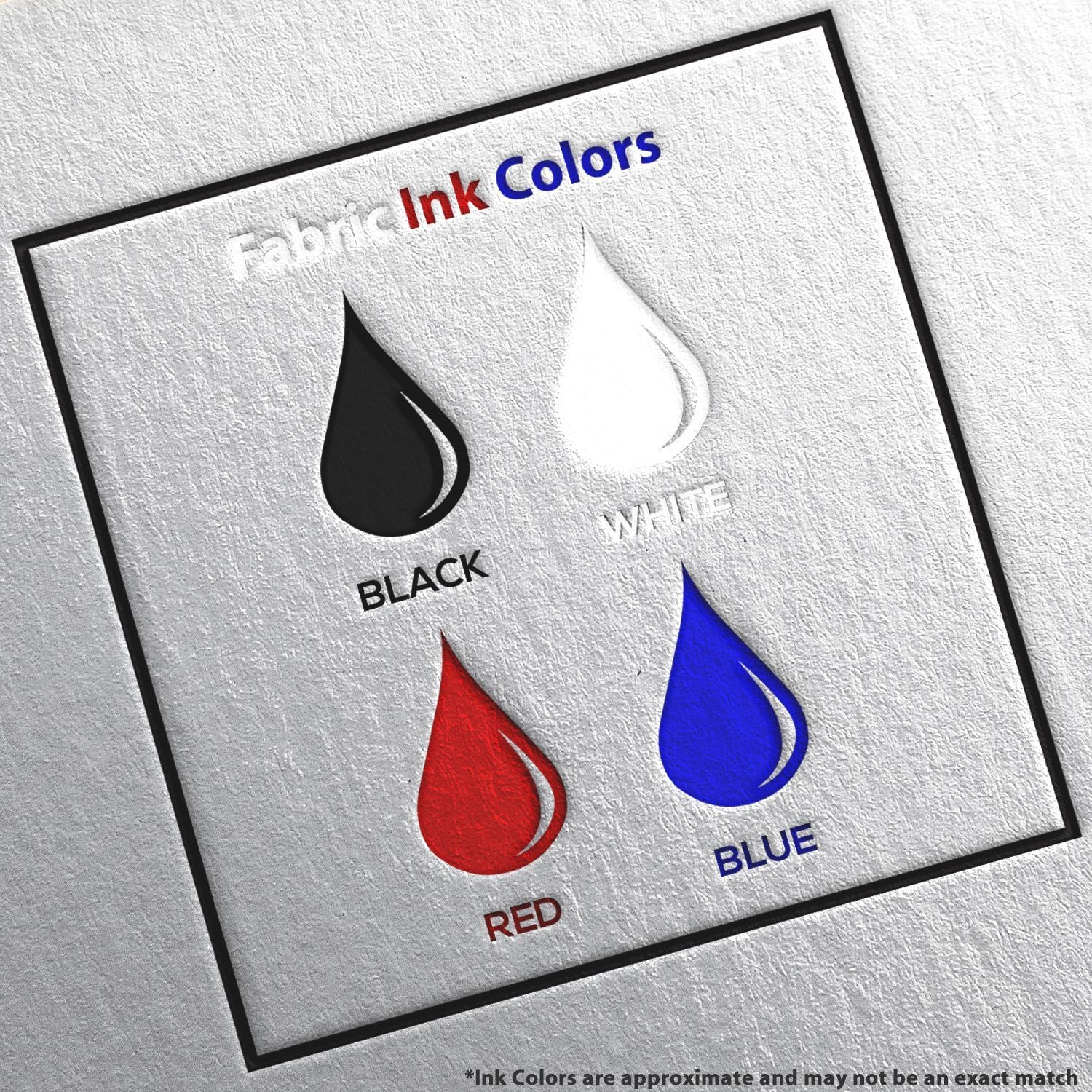
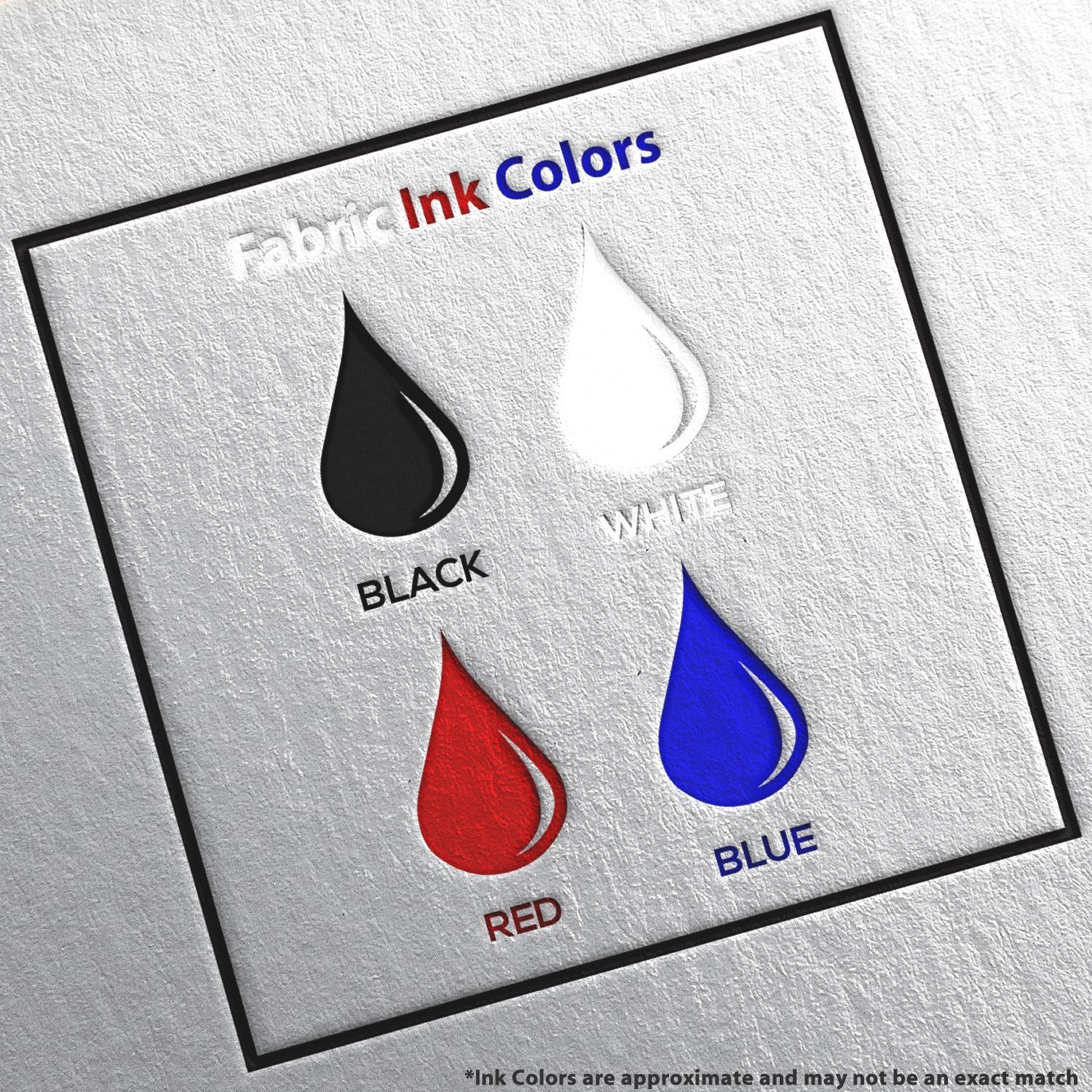
The ink color on a stamp is set by what you buy with it. Self-inking stamps are offered in 11 ink colors, Slim and PSI pre-inked stamps in five (red, blue, green, purple and black), and loose cloth stamp pads for wood handle stamps in red, blue, black, green or violet. For cloth, Mylar or chrome coated labels, pair a dry pad with Fabric Stamp Ink or Quick Drying Stamp Ink.
What these are for
One group of buyers here is choosing a color for everyday stamping on paper. The other is stamping a surface ordinary ink will not hold: cloth, Mylar, chrome coated labels, resin coated photographic paper, corrugated, or food packaging.
The ranges we stock
Stamp pad ink for paper, corrugated and labels
Regular Rubber Stamp Ink, $11.95 for the full bottle or $3.95 for the 6CC size, is a water soluble ink for a cloth covered felt pad. It meets U.S. Department of Agriculture guidelines for use on food packaging and suits paper, corrugated, Kraft paper and labels. Colors are Black, Blue, Green, Purple and Red.
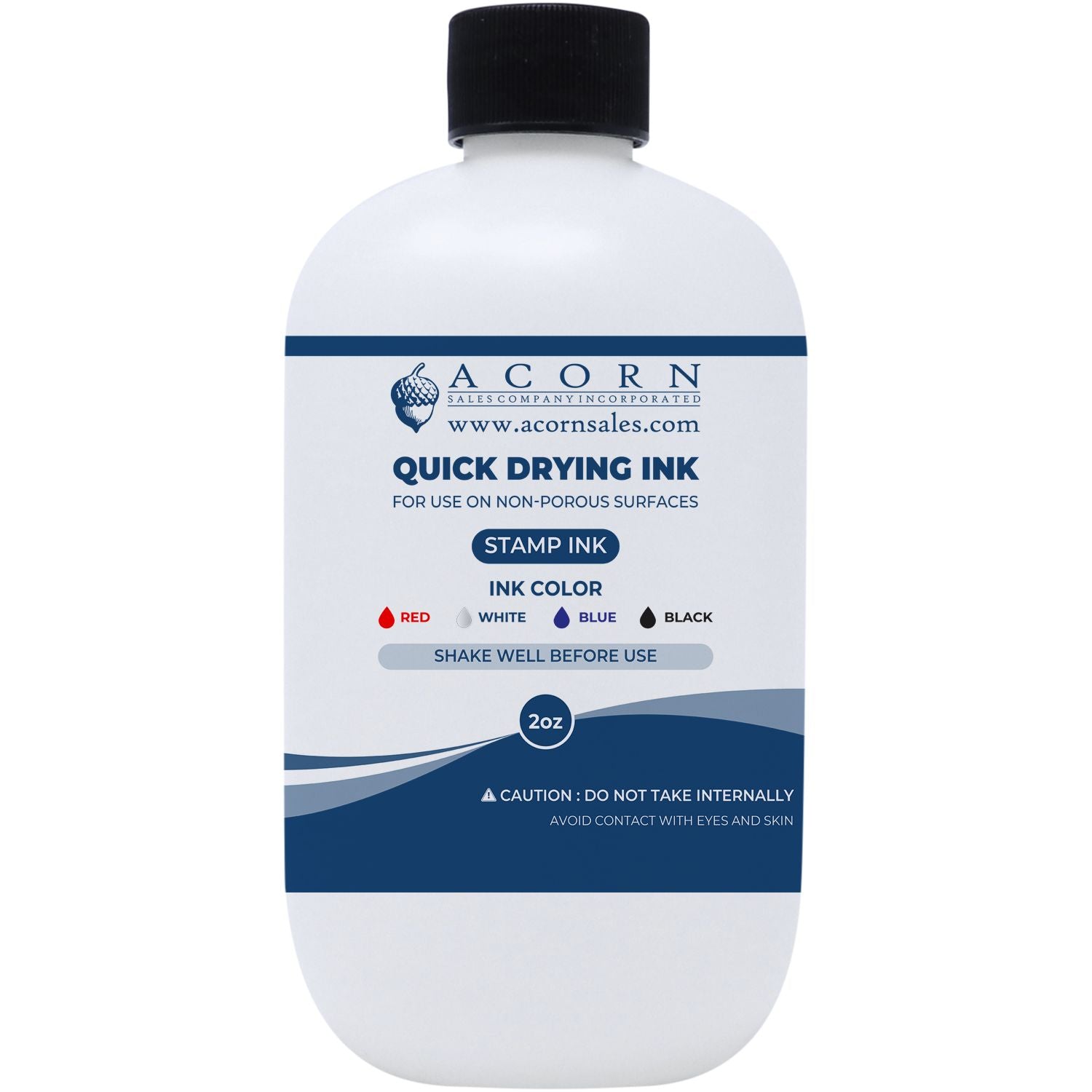
Quick Drying Stamp Ink, also sold as Indexing Ink (non-porous surfaces)
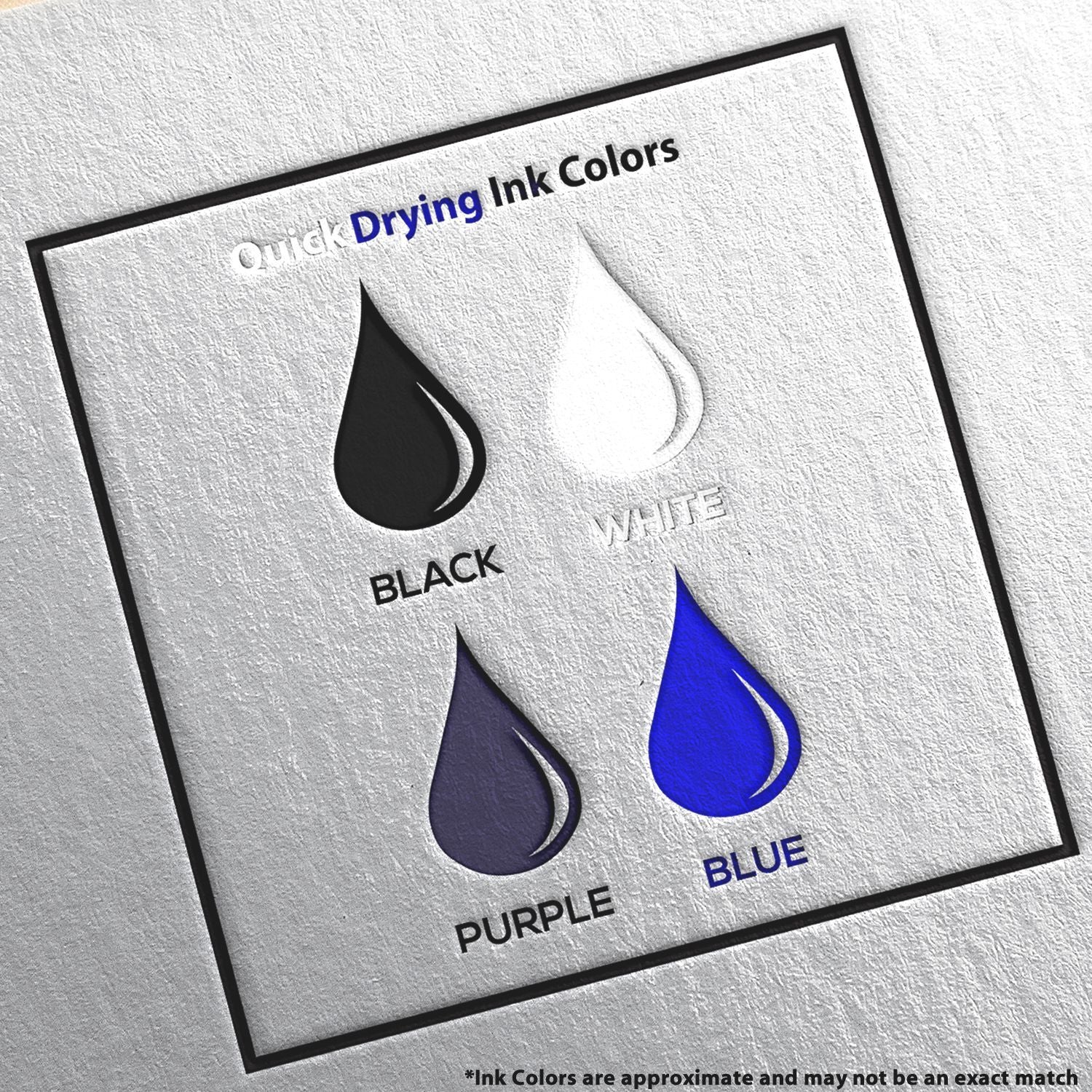
Quick Drying Stamp Ink, $19.95, is the answer to the question ordinary ink cannot handle. It is an all-purpose waterproof ink that adheres to resin-coated photographic paper, Mylar and chrome coated labels, meets U.S.D.A. guidelines for use on food packaging, and dries in roughly 10 to 15 seconds. It is applied with a regular hand stamp and a cloth covered felt pad, and the only color currently listed is Black.
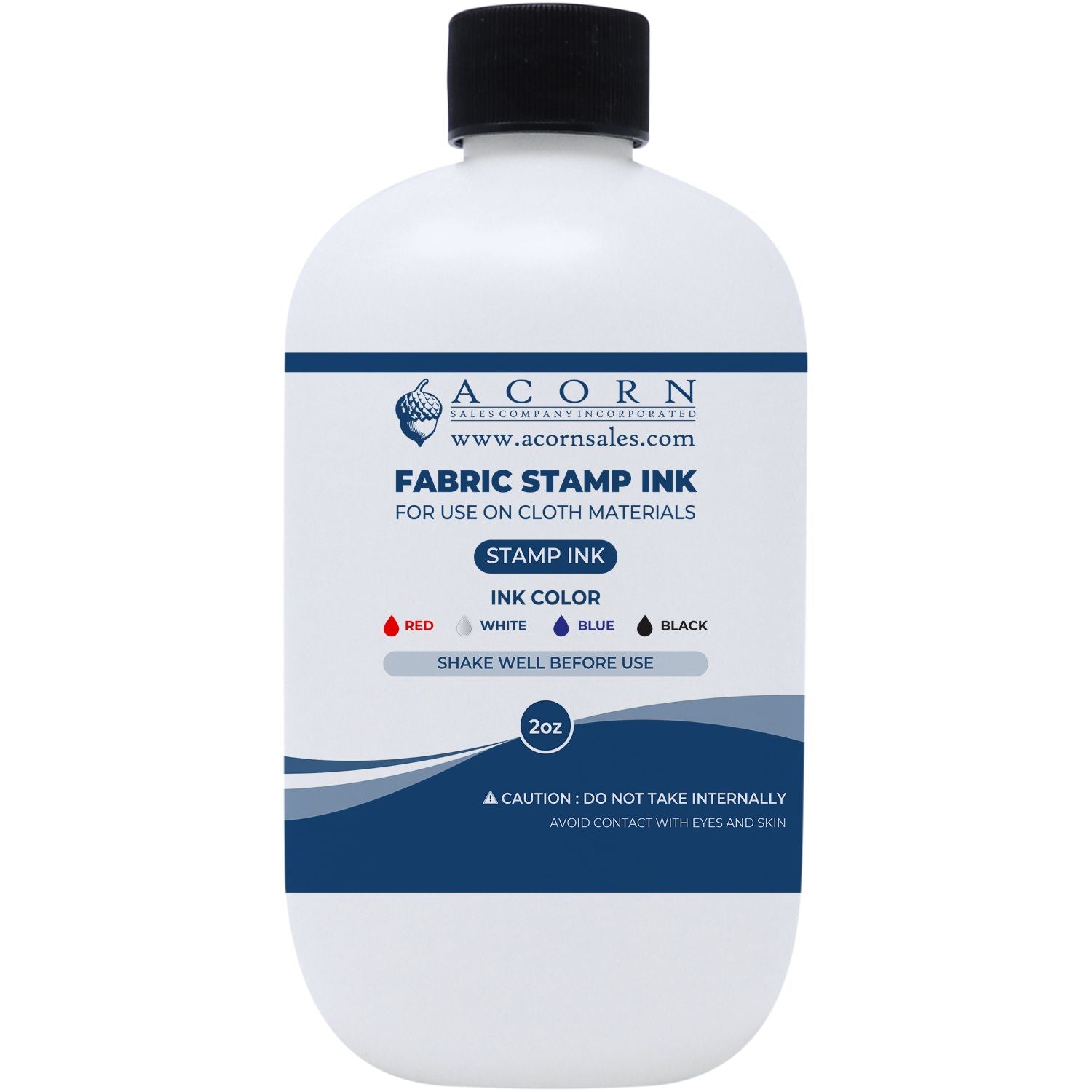
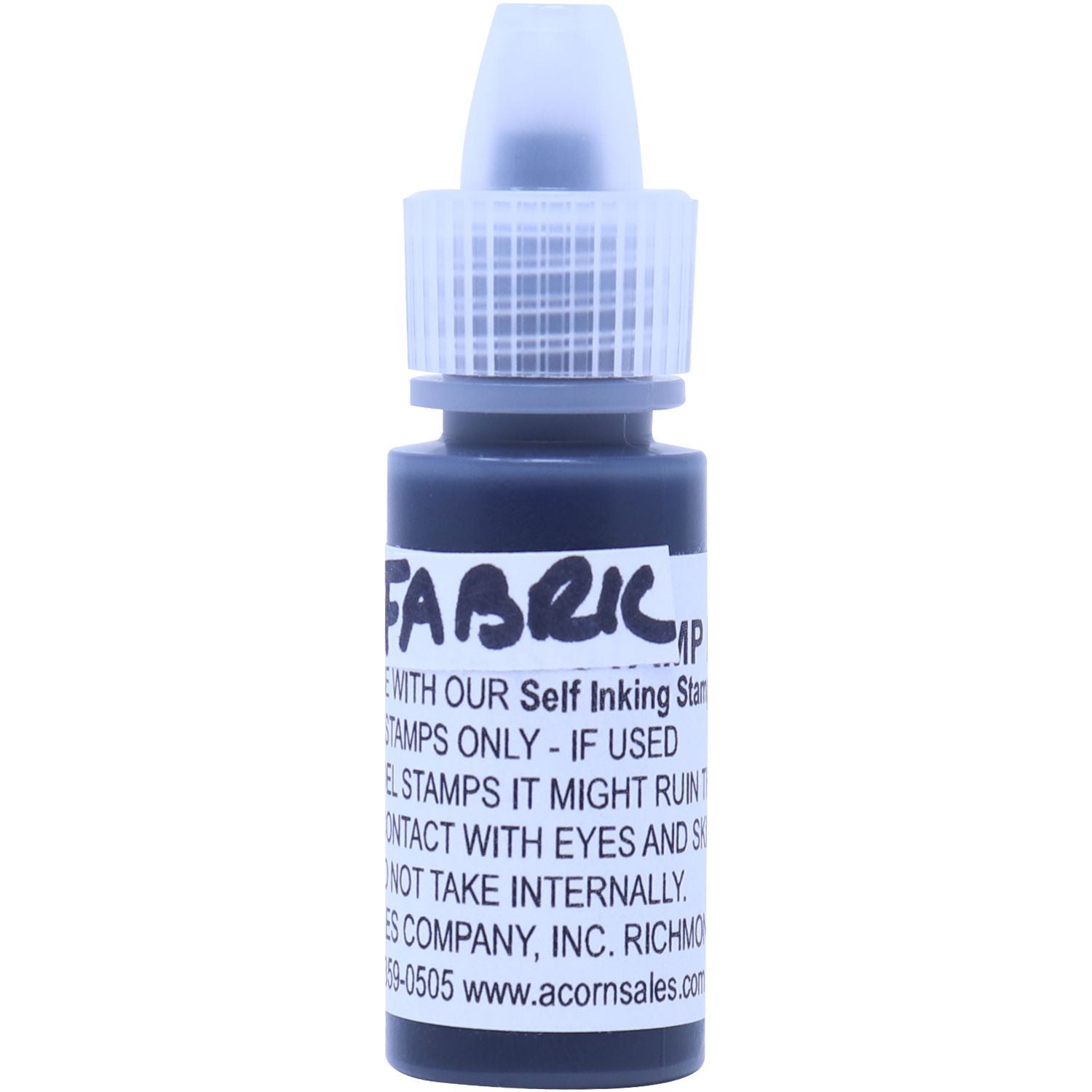
Fabric Stamp Ink, also sold as Indelible Ink (cloth and clothing)
Fabric Stamp Ink, $19.95, or $7.95 in the 6CC bottle, is a non-acid based ink for cloth, linen and clothing. It will not bleach out, needs no hot iron and no other preparation, and the cloth can be washed immediately after marking. One caution from the listing: do not apply it over sizing. If sizing is present, wash the cloth before marking. Use it with a hand rubber stamp and a felt stamp pad.
Loose stamp pads
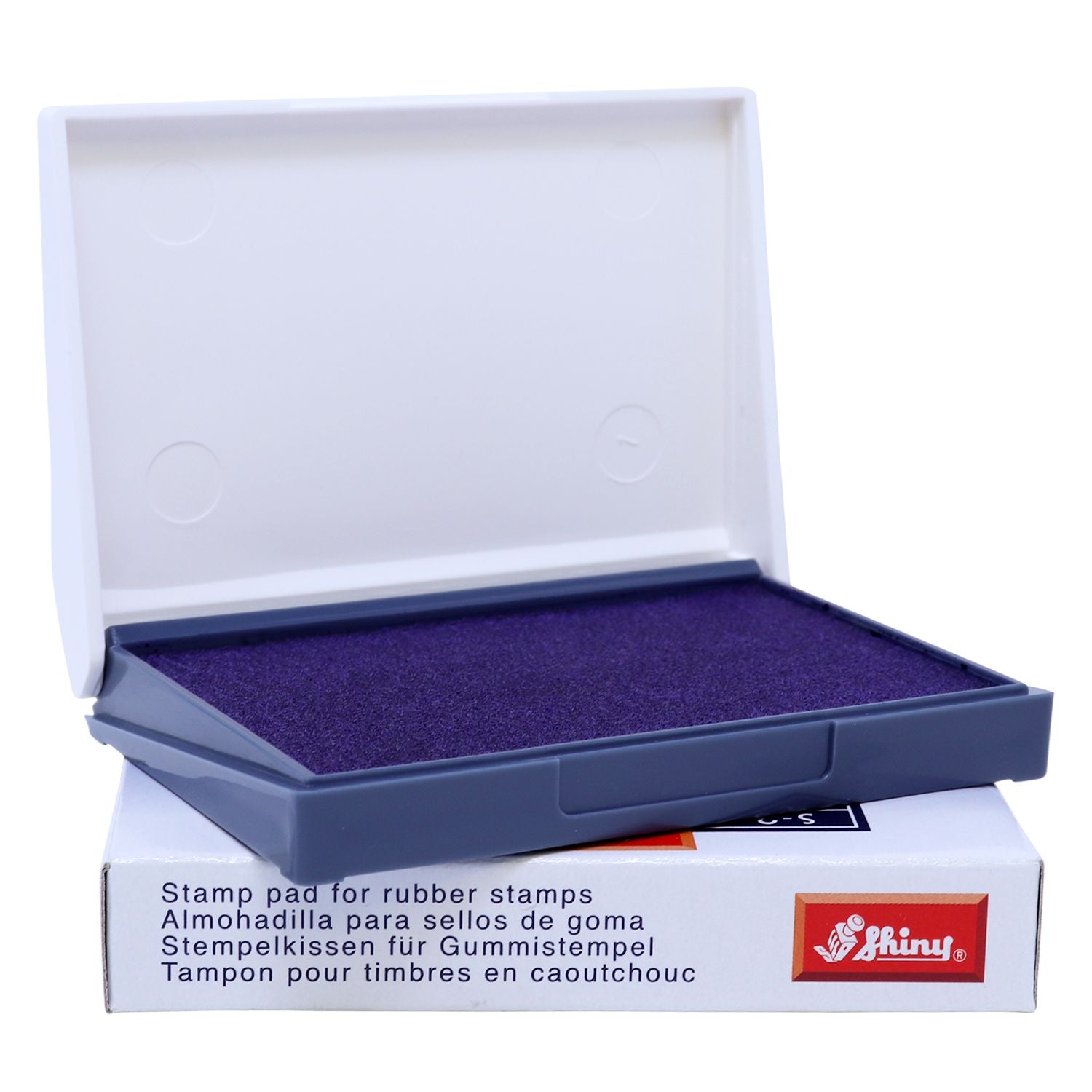
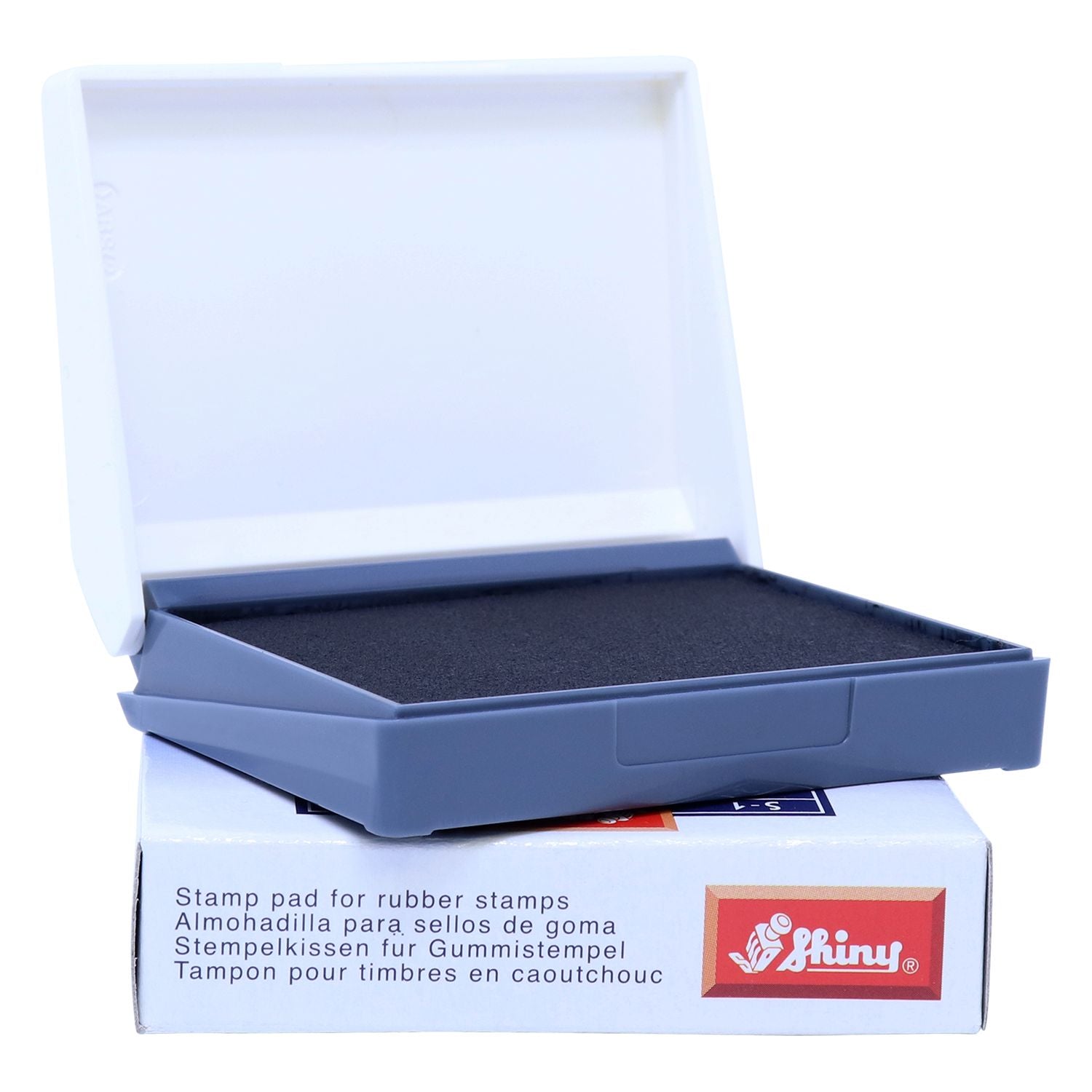
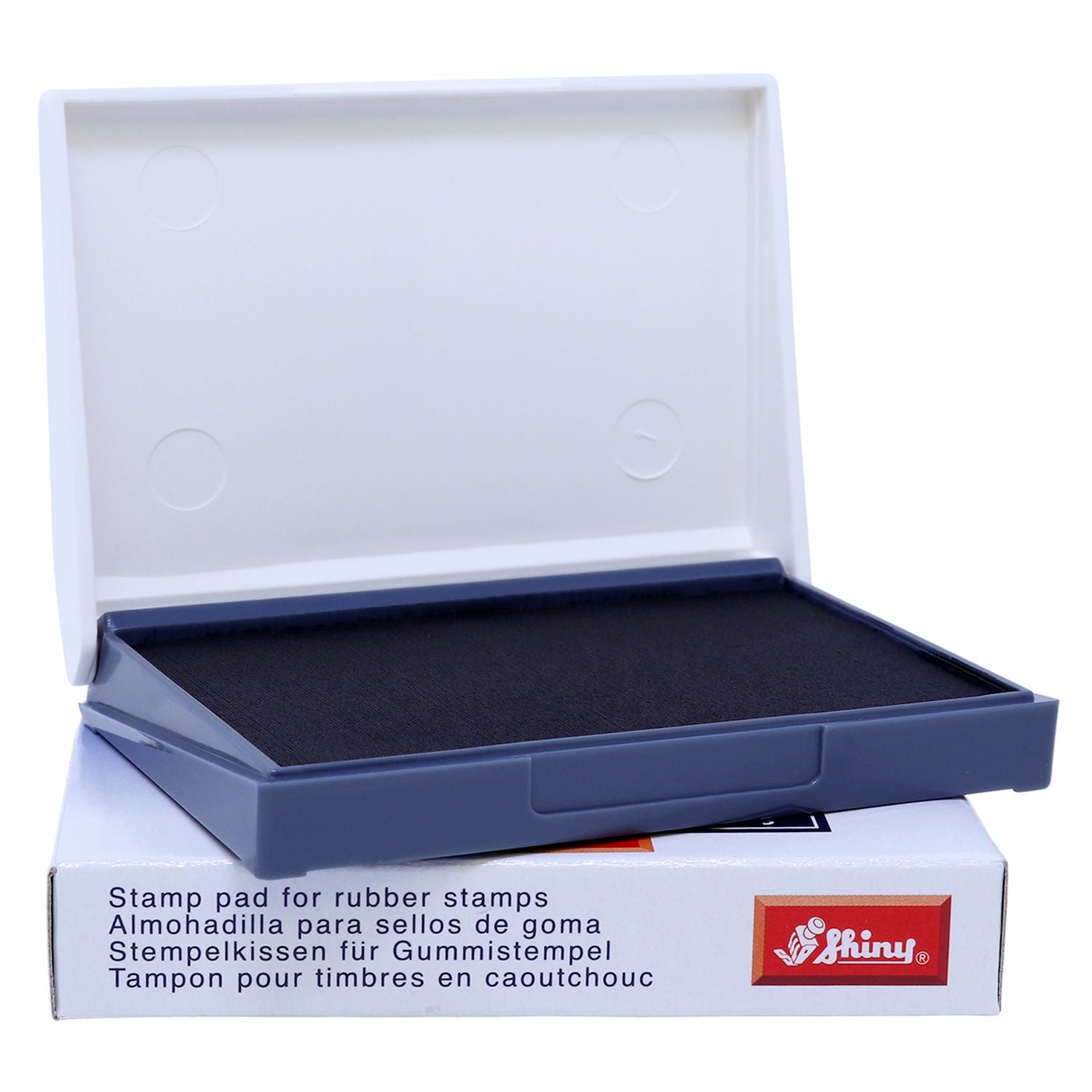
Traditional wooden hand stamps take a loose cloth pad, from the PAD-00 at $5.95 up to the PAD-LT at $99.95. Our stamp pad guide matches pad sizes to common stamps.
Sizes and dimensions
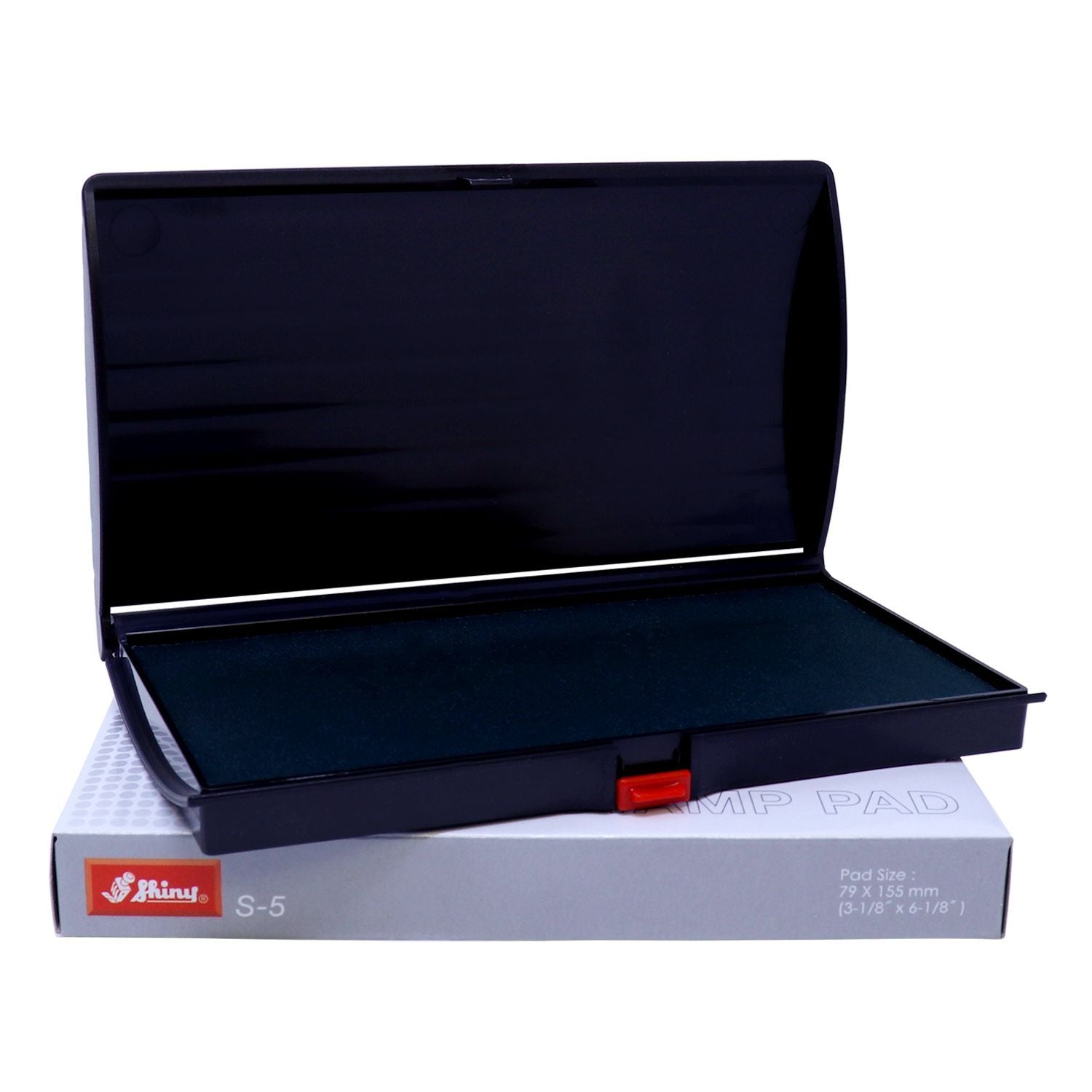
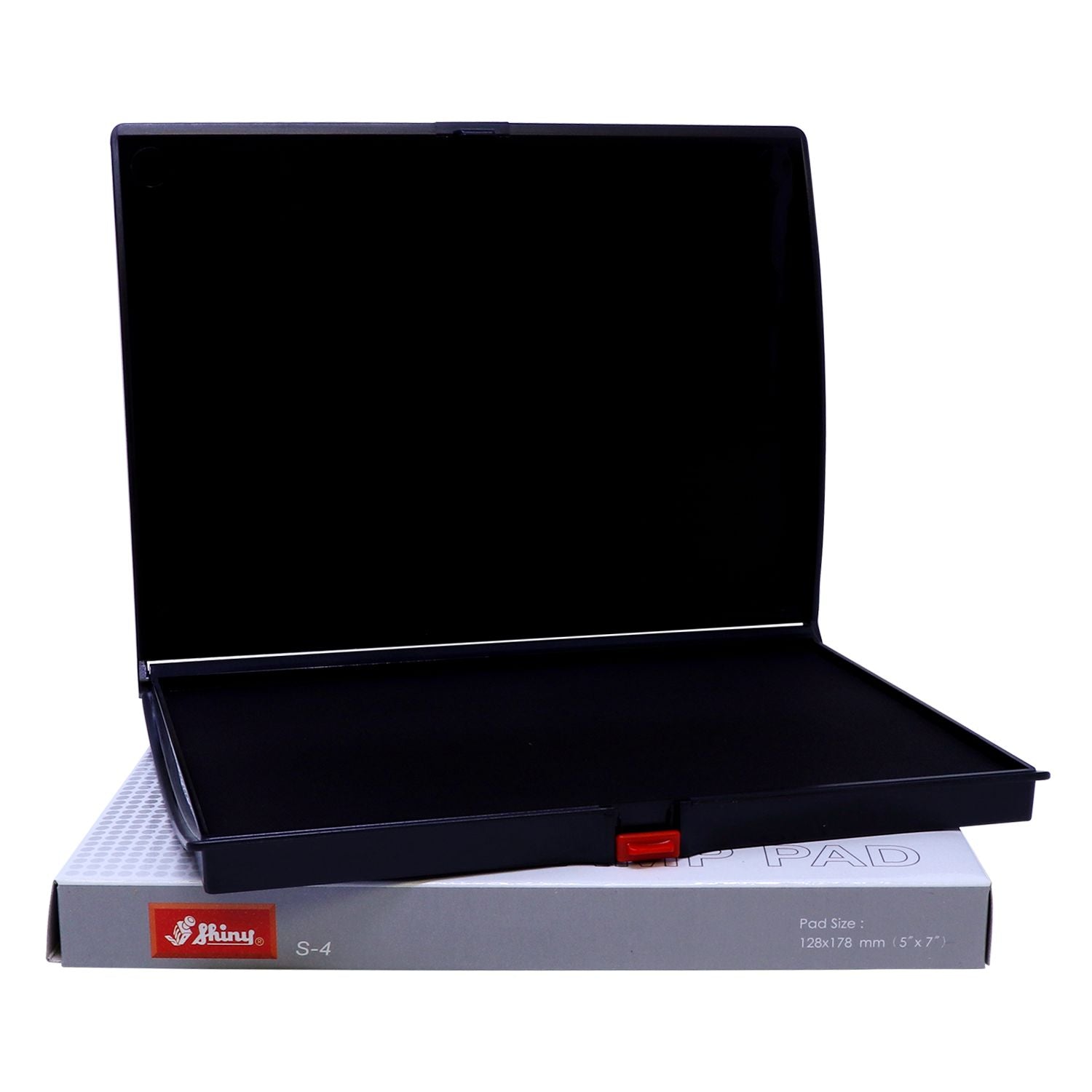
Loose cloth stamp pads come in eight sizes. The Rubber Stamp Pad 00 measures 1-1/2″ x 2-3/4″ at $5.95, the PAD-0 measures 2-1/4″ x 3-1/2″ at $5.95, the PAD-1 measures 2-3/4″ x 4-1/4″ at $5.95, the PAD-2 measures 3-1/4″ x 6-1/4″ at $9.95 and the PAD-3 measures 4-1/2″ x 7-1/4″ at $14.95. Above that the range turns industrial and ships dry: the PAD-10 at 6″ x 8″ for $79.95, the PAD-12 at 6″ x 12″ for $89.95, and the PAD-LT at 9-1/4″ x 12-1/4″ for $99.95, which the catalog recommends for extra large stamps.
Ink and colors
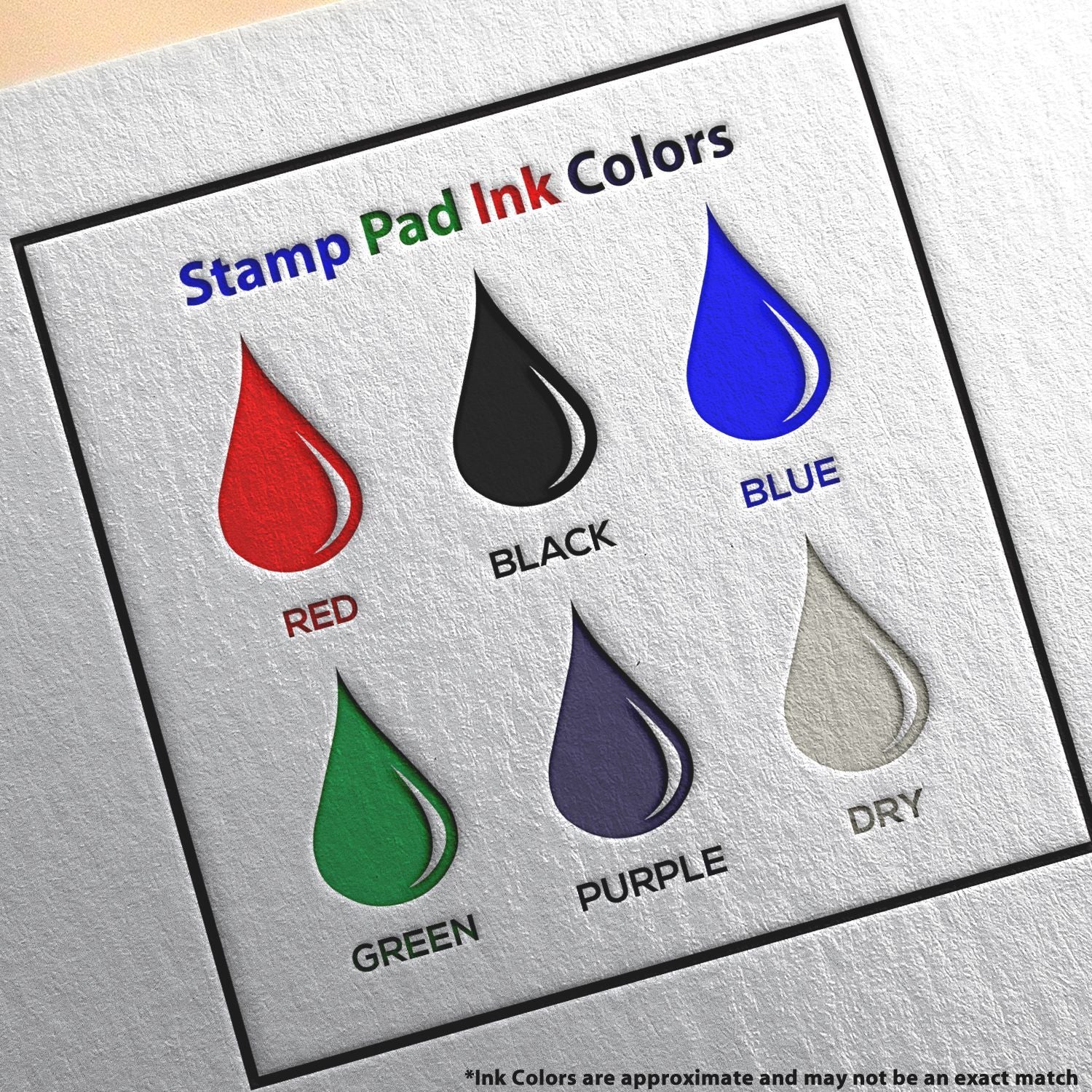
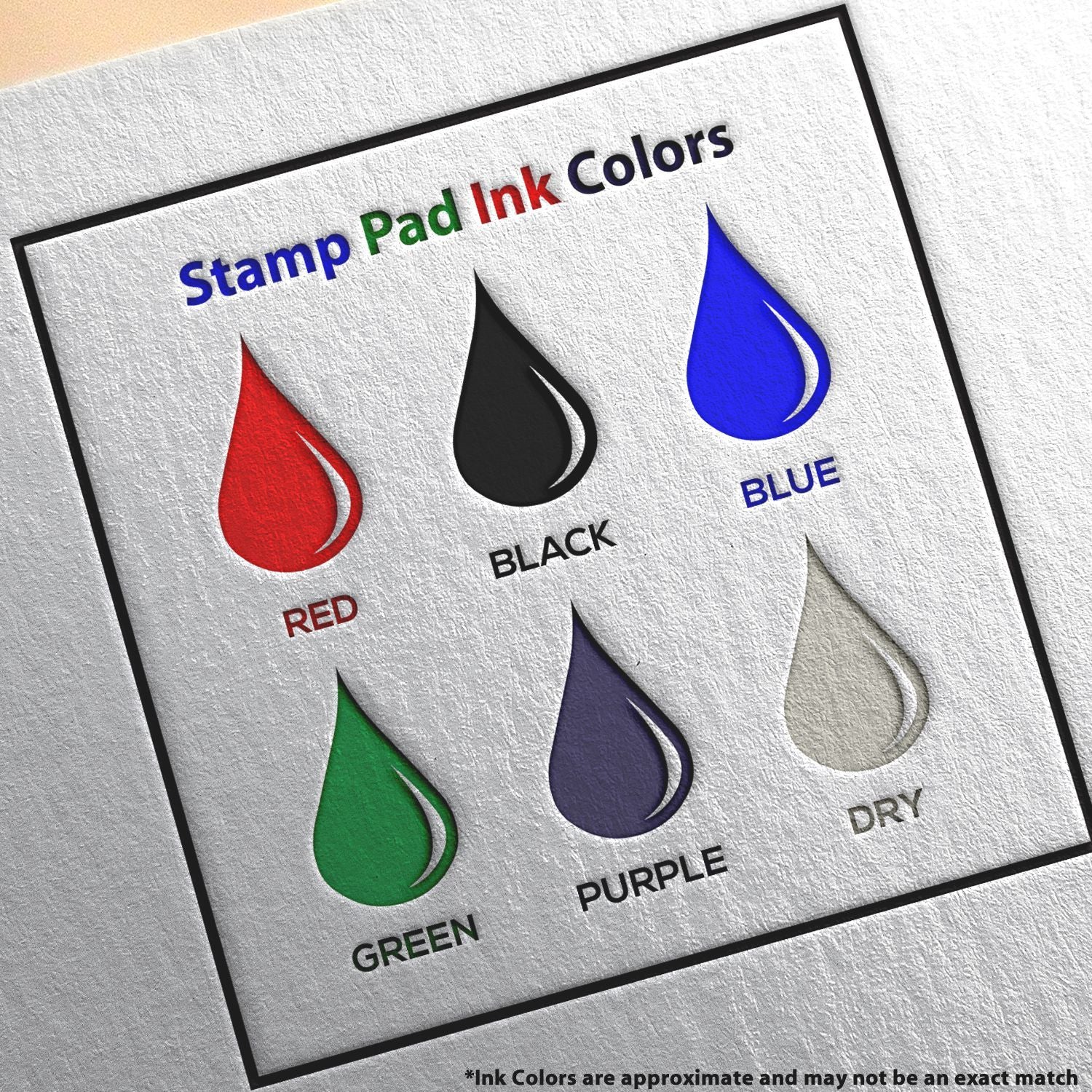
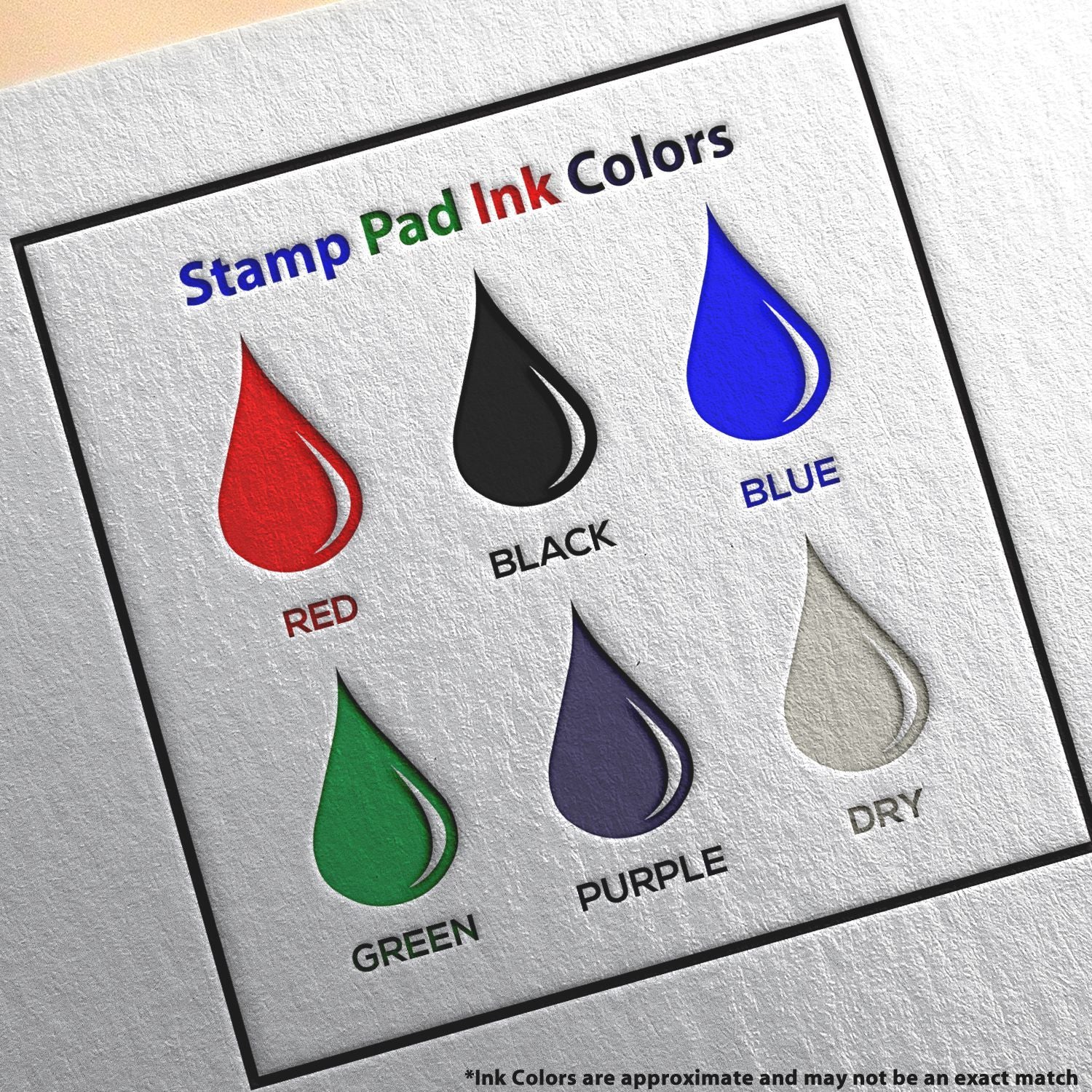
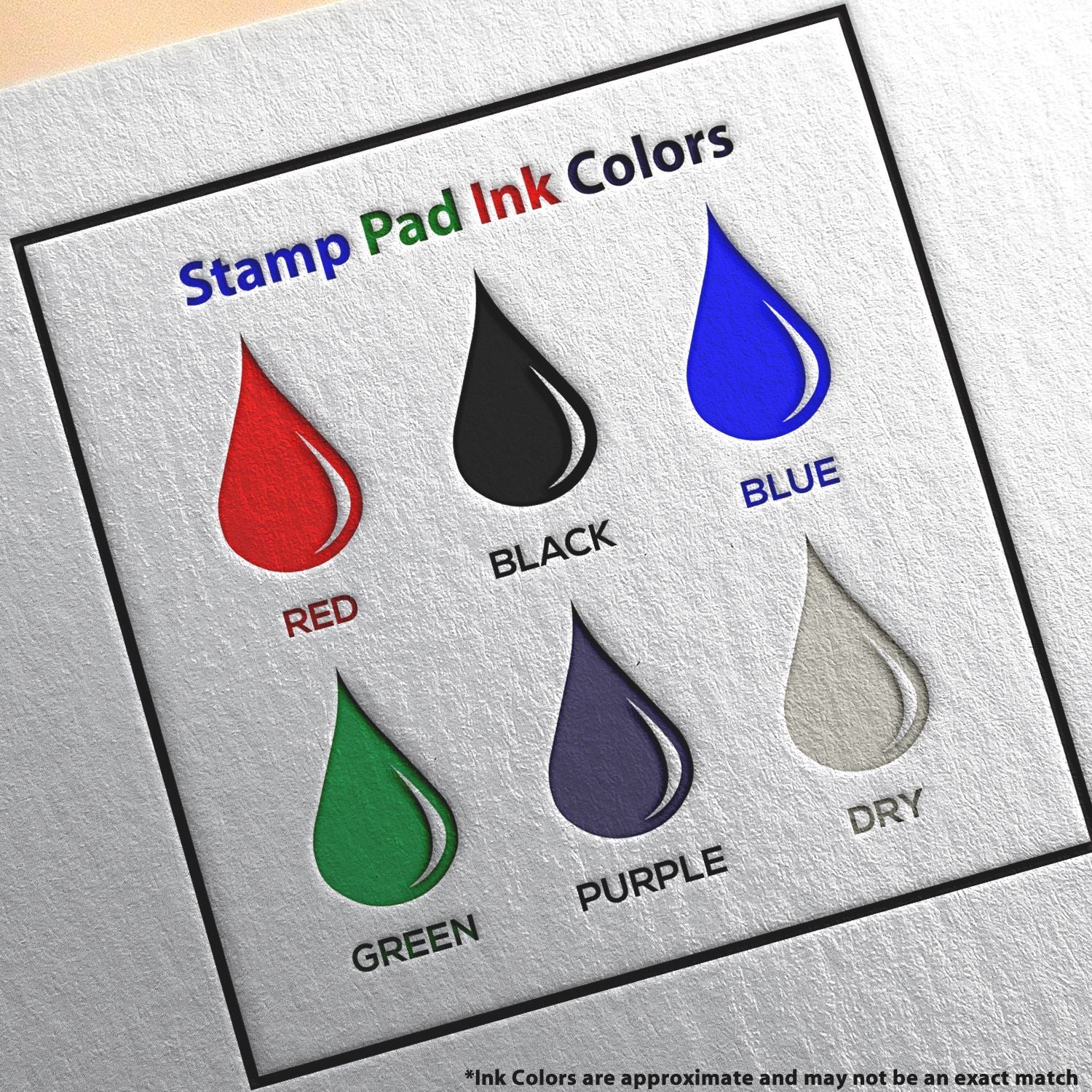
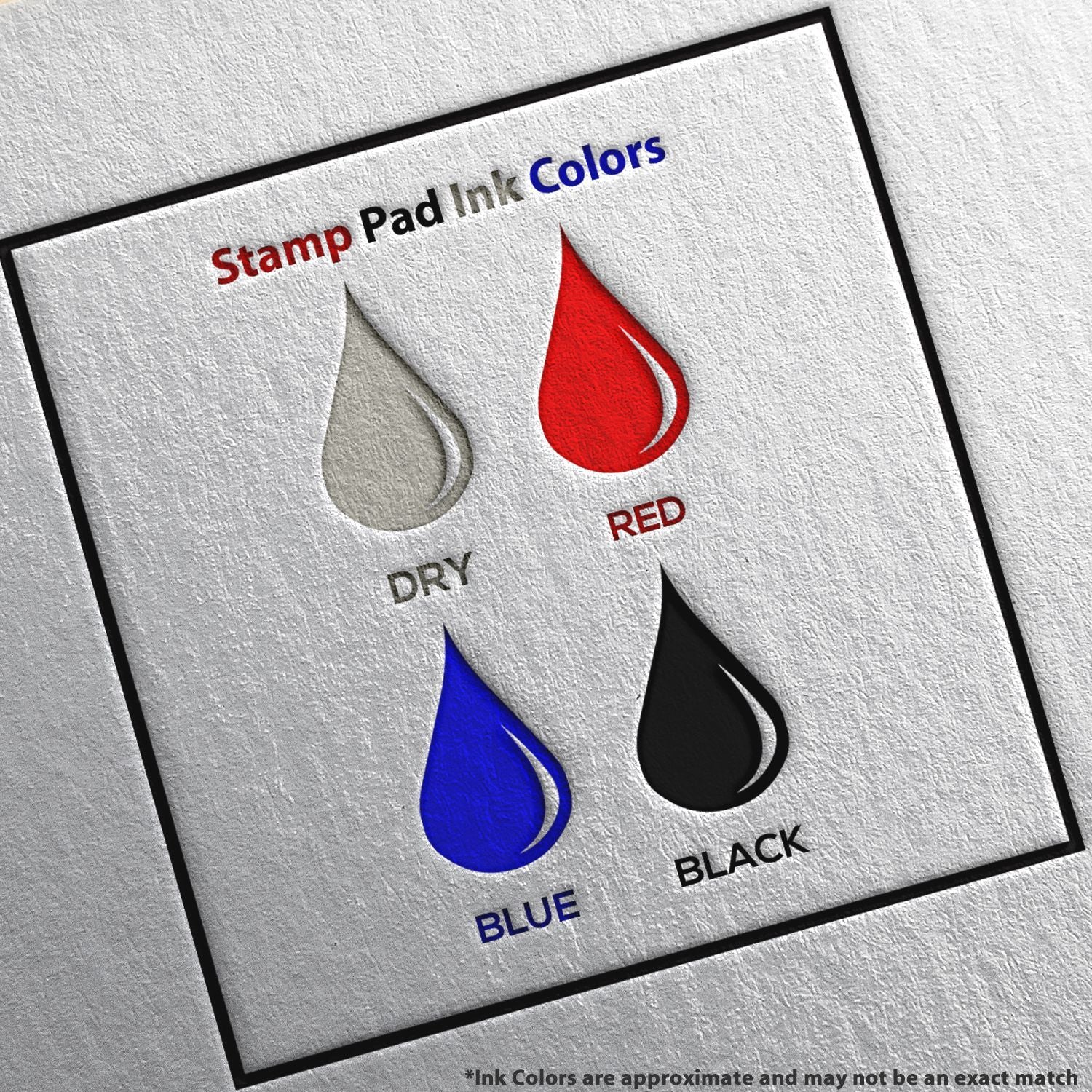
Color choice depends on the stamp. A self-inking stamp is offered in 11 ink colors. Slim and PSI pre-inked stamps are offered in five: red, blue, green, purple and black. A wood handle stamp takes whatever color of pad you pair with it.
Loose cloth stamp pads come in five standard colors, Red, Blue, Black, Green and Violet, and the PAD-3 is listed as Red, Blue, Black and Dry. Two color daters put the text in one color and the date in another, and the standard combination Acorn stocks is blue text with red dates. Among the bottled inks, Regular Rubber Stamp Ink comes in five colors and Quick Drying Stamp Ink is Black only.
What you can customize
Customization in this cluster is about matching, not artwork. Loose cloth pads are available in custom PMS color matching at an additional charge, quoted on request rather than listed; the PAD-0 and PAD-1 listings both say so. Every loose pad size can be ordered dry, and the catalog is explicit about why: choose a dry pad if you are using a special ink, so an indexing or indelible ink is not contaminated by the pad’s factory color.
Matching the ink to the surface
Where the surface rather than the color is the problem, the answer is a different ink and a dry pad. Mylar, chrome coated labels and resin coated photographic paper need Quick Drying Stamp Ink at $19.95, applied with a hand stamp and a cloth covered felt pad. Cloth needs Fabric Stamp Ink at $19.95. In both cases order the loose pad dry so the factory ink does not contaminate the special ink.


Ordering, proofs and delivery
Production is 1 business day. There is no minimum order and no setup fee. Orders ship from Richmond, Virginia, and transit runs 3 to 10 business days depending on method and carrier, sometimes next day if rush shipping is selected at checkout. A PDF proof is an optional add-on and applies to custom die work.
Care and longevity
Keep pads closed between uses so the felt does not dry out, and keep stamps out of direct sun, which hardens rubber.
Products in this range
| Product | Price |
|---|---|
| Regular Rubber Stamp Ink | $11.95 |
| Quick Drying Stamp Ink | $19.95 |
| Fabric Stamp Ink | $19.95 |
| Rubber Stamp Pad 0 Size 2-1/4 x 3-1/2 | $5.95 |
| Rubber Stamp Pad 1 Size 2-3/4 x 4-1/4 | $5.95 |
| Rubber Stamp Pad 2 Size 3-1/4 x 6-1/4 | $9.95 |
Browse the full range: Rubber Stamp Pads.
Related guides
- Date Stamps, Numbering Machines and Line Numbers
- Corporate and LLC Seals: Embossers and Seal Stamps
- Craft & Personalized Stamps: Sizes and Prices
- Stamp Pads: Sizes, Colors and Which Ink for Which Surface
- Self-Inking vs Pre-Inked vs Traditional Rubber Stamps
- No-Ink Book Embosser: A Fun Way to Personalize Your Library
Frequently asked questions
What ink colors can I get on a stamp?
Eleven on a self-inking stamp. Five on a Slim or PSI pre-inked stamp: red, blue, green, purple and black. On a wood handle stamp the color is set by the pad, and loose cloth pads come in red, blue, black, green or violet.
Which ink works on Mylar, chrome labels or photo paper?
Quick Drying Stamp Ink, also sold as Indexing Ink, at $19.95. It adheres to resin-coated photographic paper, Mylar and chrome coated labels, and dries in about 10 to 15 seconds. Apply it with a regular hand stamp and a cloth covered felt pad. It is currently listed in Black only. For a corporate seal on Mylar, the catalog names the Regular Rubber Corporate Seal Stamp as the best choice.
Is any of your stamp ink approved for food packaging?
Two are. Regular Rubber Stamp Ink at $11.95 and Quick Drying Stamp Ink at $19.95 both meet U.S. Department of Agriculture guidelines for use on food packaging, and the Quick Drying listing adds that it conforms to relative government specifications. These are inks for marking packaging, not for direct contact with food itself.
How do I mark cloth or clothing so the mark survives washing?
Use Fabric Stamp Ink, $19.95, or $7.95 in the 6CC size. It is a non-acid based indelible ink that will not bleach out of fabric, requires no hot iron and no preparation, and the cloth can be washed immediately after marking. Do not apply it over sizing; wash the cloth first if sizing is present.
Do you sell pads without ink?
Yes. Every loose cloth pad size can be ordered dry. The catalog’s own advice is to choose a dry pad if you are using a special ink, so an indexing or indelible ink is not mixed with the pad’s factory color. The industrial pads, the PAD-10 at $79.95, the PAD-12 at $89.95 and the PAD-LT at $99.95, ship dry as standard and the ink is bought separately.
What size loose stamp pad do I need?
Pick a pad the die fits inside. The sizes are 1-1/2″ x 2-3/4″ for the PAD-00, 2-1/4″ x 3-1/2″ for the PAD-0, 2-3/4″ x 4-1/4″ for the PAD-1 and 3-1/4″ x 6-1/4″ for the PAD-2, all at $5.95 apart from the PAD-2 at $9.95. Above that the PAD-3 is 4-1/2″ x 7-1/4″ at $14.95 and the industrial sizes run to 9-1/4″ x 12-1/4″.
Can you match a specific brand color for my ink pad?
Custom PMS color matching is available on the loose cloth stamp pads at an additional charge. It is quoted rather than listed, so contact us with the PMS number and the pad size for a price. The five standard cloth pad colors are Red, Blue, Black, Green and Violet.
How fast do ink and pad orders ship?
Production is 1 business day. Orders leave Richmond, Virginia, and transit runs 3 to 10 business days by method and carrier, sometimes next day with rush shipping selected. There is no minimum order and no setup fee.








