
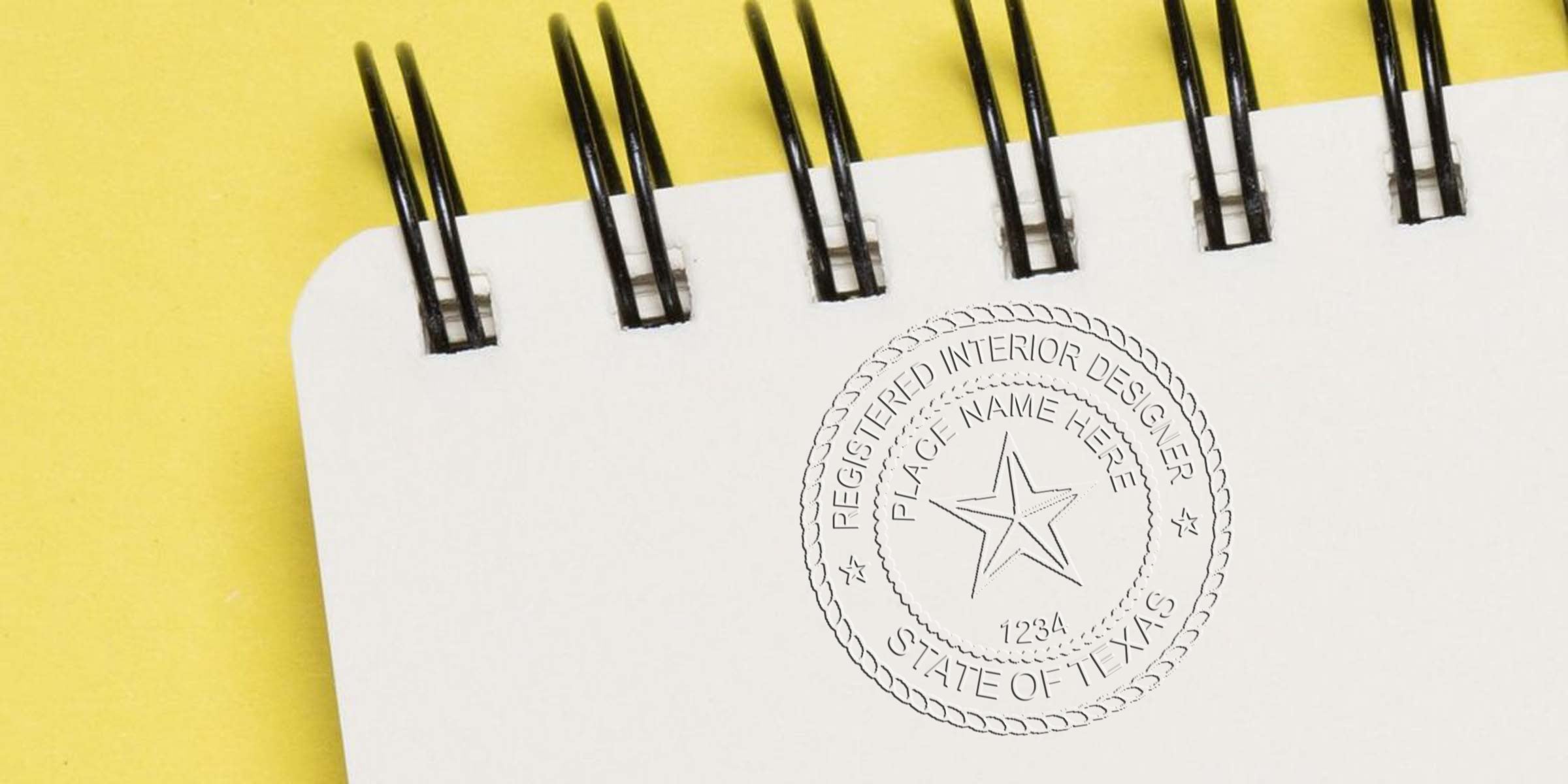
Are you a Texas interior designer who keeps running into the “texas interior designer stamp vs seal” dilemma? It’s easy to feel uncertain when you’re trying to follow professional requirements and keep your paperwork looking polished. The good news is, once you know the fundamentals of stamps and seals, the path gets much clearer. Both tools serve as official verification for design documents, but each has unique benefits and best-use cases. In this post, you’ll learn the differences between a Texas interior designer stamp and a Texas interior designer seal, how each is used, and how to choose the right one for your needs.
Below, we’ll break down the key points, including your basic legal obligations, tips for purchasing, and a handy comparison table. By the end, you’ll have a solid grasp on why one option might fit your practice better than the other, plus some must-know maintenance tips to keep everything going smoothly.
Know The Basic Requirements
Before getting into stamps or seals, it helps to confirm that you meet Texas’s licensing and practice requirements as an interior designer. You typically need to hold a valid registration, ensure your design work falls under the scope of what Texas law permits, and be informed about official marking standards. If you’re unsure, check out the texas interior designer stamp requirements for more on the steps needed to legally stamp or seal your documents.
A key point to remember is that all documentation you submit for permits or official approval should include the proper markings. While the specifics vary depending on local jurisdictions, you don’t want to be caught off-guard. Having either a stamp or seal—and knowing which is right for which project—helps keep you compliant.
If you’re newly registered, it’s normal to question exactly what this stamp or seal must include. Typically, it features your name, your license or registration number, and sometimes a short mention of your professional title. In many cases, your marking indicates that you’re responsible for the technical accuracy of the documents you’ve prepared.
Takeaway: double-check your local rules and your registration status. You want to be fully aligned with Texas standards before investing in any tools.
Understand The Stamp’s Role
When people talk about a Texas interior designer stamp, they usually mean a rubber or self-inking device that leaves an ink impression on your design documents. The stamp often includes your name, license number, and possibly the words “Registered Interior Designer” (or a variant) depending on how the laws are written at the time.
Why might you want a stamp? First, it’s convenient. You can carry a compact self-inking stamp just about anywhere. Whenever you need to sign off on a drawing or specification, you simply press down and leave a crisp, professional-looking imprint. Second, it’s pretty fast—no fussing with embossing plates or specialized handles. And if you’re handling a big stack of documents requiring a quick mark, a stamp might save you time.
Of course, there are a few considerations. Ink can sometimes smear if you’re not careful, especially on glossy paper. You’ll also want to make sure the stamp’s size and clarity meet any mandated format, so read the fine print. Despite these caveats, a stamp is a go-to for many interior designers who appreciate its convenient design and consistent result.
Examine The Seal’s Benefits
A seal, on the other hand, often refers to an embosser that creates a raised impression—no ink required. The seal also contains your identifying details, but the look and feel are quite different from the stamped image. Certain designers prefer a seal because it adds a mark of formality, tradition, and authority. Some professionals just like the visual impact of an embossed mark, which can appear more difficult to forge (though modern technology can replicate just about anything).
Seals can be manual hand-press devices or even electronic. In fact, digital seals are increasingly common, which allow you to affix an official seal image to PDFs and other electronic documents. This might be useful if you submit a lot of your plans digitally. If you’re obtaining a physical embosser from a supplier, double-check it meets state standards for size and layout, just as you would for a stamp.
One minor downside is that using a seal can be less efficient if you’re prepping a large volume of paper documents. Generally, it’s best to place your seal in a single, consistent spot on each plan sheet. If you’re dealing with heavy cardstock or thick cover pages, you’ll need enough strength to press down firmly without tearing or wrinkling the page.
Compare Stamp Vs Seal
Now that you know how each option works, which one is best for you? Let’s see them side by side:
| Feature | Stamp | Seal |
|---|---|---|
| Typical Format | Ink-based impression (self-inking or manual) | Raised emboss or digital seal |
| Speed Of Use | Fast if you have multiple sheets | Slightly slower, manual force sometimes needed |
| Professional Look | Clean, simple, inked imprint | Traditional, official, embossed or digital image |
| Paper Requirements | Works on most standard paper types | Can be tricky on thick or coated papers |
| Durability Of Mark | Can fade over time if ink is low-quality | Embossing is permanent, digital can’t fade |
| Risk Of Smudging | Possible if ink is wet, especially on gloss | None with dry emboss, not an issue digitally |
| Best When | You want a quick, portable solution | You value a formal, certified aesthetic |
When it comes to “texas interior designer stamp vs seal,” consider your workflow. Do you submit loads of sketches to clients or building authorities? Are you partial to an embossed look? Do you typically handle physical or electronic documents? If you find yourself leaning toward tradition and you love the look of embossing, the seal might be your best friend. If speed and convenience are key, a stamp might be a better match.
Purchase With Acorn Sales
Once you’ve decided on a stamp or seal, the next step is picking the right supplier. That’s where Acorn Sales enters the picture. We’ve been in business since 1964, providing high-quality markings for various professionals, including Texas interior designers. Our inventory includes rubber stamps, self-inking options, embossers, and electronic seals that meet the standard Texas guidelines.
Why choose Acorn Sales? We offer a free electronic seal when you invest in a physical stamp or seal device, giving you extra flexibility for digital submissions. On top of that, our craftsmanship ensures the details on your stamp or seal are sharp, consistent, and properly sized. That way, you won’t run into formatting issues that might cause a permit office to reject your drawing.
We also understand that each designer’s style and needs can differ. Maybe you want a sleek, modern design or something that radiates traditional flair. With plenty of customization options, we’ll help you find a balance between personal branding and compliance with state rules. You can also lean on our customer service team if you have any concerns about placement, design, or maintenance.
Think about how many documents you’ll be stamping or sealing. While some designers only need to mark a few key sheets, others might produce massive plan sets on tight deadlines. Whatever your volume, Acorn Sales has a solution ranging from lightweight handheld stamps to heavy-duty embossers that can handle frequent use.
Maintain Your Stamp And Seal
After putting time and effort into choosing the right stamp or seal, you want to keep it in tip-top shape. Proper care not only preserves the quality of your impressions but also extends the life of your device.
Here are a few pointers for each:
-
Stamp Maintenance
-
Store your stamp upright to prevent ink leaks or pad damage.
-
Keep spare ink cartridges (for self-inking models) on hand so you’re not caught short.
-
Clean any excess ink buildup around the edges with a lightly damp cloth.
-
Seal Maintenance
-
For manual embossers, regularly check the alignment of the metal plates. If they loosen, carefully tighten them or get them serviced.
-
Avoid using excessive force when embossing thick paper—it can strain the handle and misalign the plates.
-
If you have an electronic seal, store your digital file securely and back it up.
If your stamp impression starts looking faded or your seal isn’t crisp, consider re-inking, reordering, or recalibrating. A less-than-perfect impression could lead to confusion about your credentials.
Conclusion And Next Steps
Hopefully, this guide demystifies the question of whether you should use a Texas interior designer stamp or a seal. Each method provides an easy way to confirm your professional standing, with the choice largely depending on your workflow and aesthetics. If you’re eager for speed and portability, a self-inking stamp might be your best bet. If you love the traditional feel of a raised emblem, an embosser or digital seal is your friend.
Whichever you choose, remember that Acorn Sales is here to help. We’ve supplied stamps and seals to professionals since 1964, and we’re ready to link you up with a free electronic seal so you can handle anything from a local code office to an all-digital platform. Good luck with your upcoming interior design projects, and don’t forget to keep your documents looking official. After all, a crisp mark on your plan is a clear sign of the expertise you bring to every job. Happy designing!
Frequently Asked Questions
Do I actually need a stamp or a seal to practice interior design in Texas?
” This depends on your specific registration and the kind of documents you produce. Most official drawings, especially those submitted for permits, require an official mark signifying you take responsibility for the content. Always confirm with state guidelines if both (or just one) are acceptable.
Is a rubber stamp less professional than an embossed seal?
” Not necessarily. While a seal can look more formal and traditional, a properly executed stamp is just as valid and official in many jurisdictions. It often comes down to personal choice and speed considerations.
What about free electronic seals?
How do they factor in?” Electronic seals are great if you submit digital documents or need to quickly send your plans online. At Acorn Sales, you receive a free electronic seal when you purchase a physical stamp or seal, so you’re covered for both physical and digital settings.
How often do I need to replace or update my stamp or seal?
” You only need to update if your name changes, you renew your license or registration number, or your device gets worn out. If you choose a high-quality supplier, you could go years before needing a replacement. Just keep an eye on the clarity of your imprint or emboss.
Will out-of-state clients accept my Texas stamp or seal?
” Usually, your official mark is tied to your Texas registration. If you take projects in other states, you’ll need to meet that state’s design regulations and possibly acquire a separate stamp or seal. Always check local requirements if you cross state lines.








