
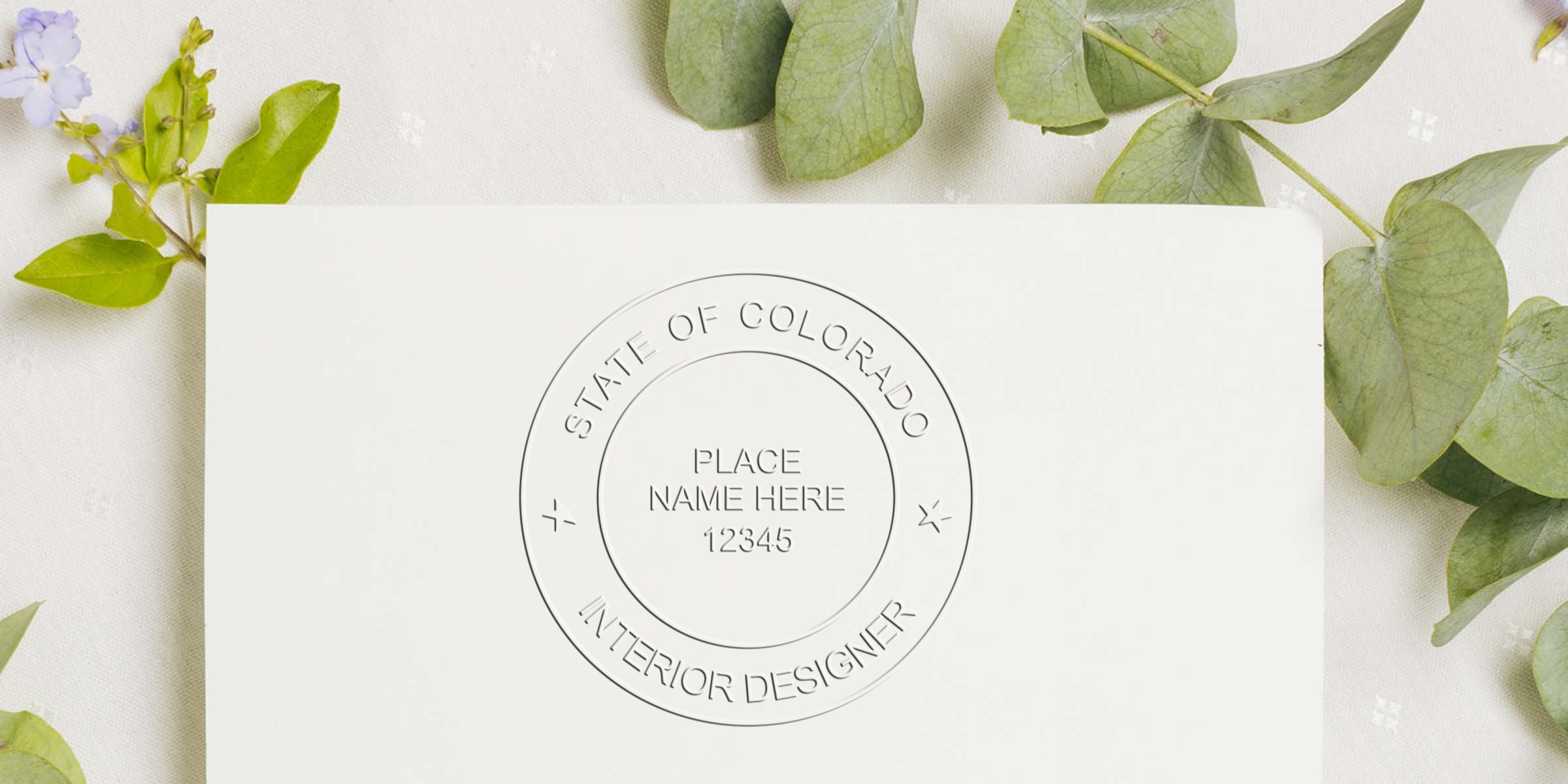
Discover Colorado Interior Designer Seal Regulations
You might be wondering how Colorado interior designer seal regulations affect your daily design work. These regulations go beyond simple guidelines, ensuring that every plan you submit meets the professional standards required by the state. If you’re new to designing in Colorado or you’re updating your seal to stay compliant, it’s important to know the rules and the reasoning behind them. By understanding these requirements, you’ll be better prepared to safeguard your projects from potential setbacks.
What Are Interior Design Seals?
An interior design seal is a specialized stamp or seal that certifies the authenticity of your work as an interior designer. When you place your seal on design documents, you’re indicating that those documents meet the necessary state and industry benchmarks. Seals offer peace of mind to clients, contractors, and building officials alike. They exist to confirm that the work has been done by a qualified professional who adheres to the legal framework set out by the local governing body.
Why Colorado Requires Stamps And Seals
You might be curious about why Colorado specifically requires these seals for interior design projects. It’s mainly about public safety and consistency. The state wants to make sure that crucial elements, such as exits, accessibility, and critical design components, follow building codes and best practices. When you comply with Colorado’s rules, you’re helping protect your clients, your reputation, and your own liability. Plus, having a regulated system of stamping makes it easier for municipal departments to spot-check designs quickly.
Key Regulatory Details To Know
Before you start drafting or revising your documents, it helps to have a clear idea of the main guidelines you’ll face. These regulatory details revolve around where and how you place your seal, the accompanying information you must provide, and how long you need to keep track of your signed documents.
Proper Use Of The Seal
Your seal isn’t something to use casually, like a personal signature on every random note. In Colorado, you should only apply the seal when your design plans are complete and ready for official review. Typically, this means construction drawings, final sketches, or other documentation that will go through permitting or compliance checks. Never seal draft versions that aren’t fully reviewed.
- Use your official seal only on documents you prepared or supervised.
- Make sure your seal appears on each sheet where your professional oversight applies.
- Place the seal somewhere legible, so reviewing officials don’t have to go searching for it.
Signature And Date Requirements
Along with your seal, you’ll generally need to include your signature and the date of finalization. The act of signing affirms that you’re taking responsibility for the content. Once your name is on that page, you’re officially on the hook for the details. If changes happen after you’ve sealed, you’ll need to resign and re-date any altered pages or sections.
- Sign in ink or via a secure digital signature process.
- Date each page at the time of sealing to clearly mark version control.
- Resign and redate if significant modifications occur.
Record Retention Guidelines
Colorado may require you to keep copies of design documents for a specific duration, usually a few years beyond final approval. Holding onto these records is more than just housekeeping. Should any disputes, audits, or compliance checks come up, you’ll have evidence that confirms your portion of the work was done right.
- Store electronic copies with version tracking for backup.
- Keep paper copies in a safe, dry place.
- Ensure you can retrieve documents quickly if needed for legal or professional questions.
How To Obtain Your Official Seal
Once you understand the guidelines, your next step is getting the right seal in your toolbox. Having a seal that meets Colorado’s regulations is critical, but there’s also a need to ensure quality, convenience, and accuracy of the final imprint.
Verifying Your Credentials
Before you acquire a Colorado interior designer stamp, confirm that you’re eligible to use it. Typically, you need to have the proper licensure or certification. If you’re not sure about the exact requirements, you can check out the colorado interior designer stamp requirements to clarify the essential steps and qualifications.
- Confirm your state registration or licensure is current.
- Stay updated on any changes in state board rules or codes.
- Be aware of renewal deadlines to keep your credentials valid.
Selecting A Trusted Supplier
Not all stamp makers are the same. A trusted supplier can ensure that your seal meets Colorado’s layout rules, size specifications, and material quality. That’s where Acorn Sales comes in. We’ve been in business since 1964 and have a long track record of offering professional-grade seals for interior designers. Ordering from a reputable source means fewer worries about smudges or unreadable impressions, plus you’ll have a reliable company standing behind its product.
- Choose a supplier familiar with Colorado’s legal requirements.
- Prioritize durability so the seal remains crisp over years of use.
- Look for a company that can also provide rapid replacements if needed.
Free Electronic Stamp Option
Along with a physical seal, you’ll often need your stamp in digital form. Many projects these days involve e-submittals, and digital plans are constantly on the rise. Acorn Sales offers a free electronic stamp with every order, helping you keep up with changing submission formats. Having both digital and physical versions saves you from last-minute scrambling when an online portal requests an immediate upload.
- Ensure your electronic stamp matches the design of your physical seal.
- Check that the digital file is high-resolution for professional clarity.
- Store the e-stamp securely to prevent unauthorized use.
Complying With Colorado Rules
You’ve got your seal in hand, and you know the basics. Now, let’s walk through everyday best practices for maintaining compliance. These practices ensure that when you submit plans, they glide smoothly through any municipal or state-level checks.
Ensuring Accuracy In Documents
Accuracy involves double-checking everything from dimensions to code references. A small error in the design can carry big implications for safety and compliance. With your seal in place, it becomes your responsibility to make sure each line and label is correct. Ask yourself: if an inspector questions a measurement, can you confidently back it up?
- Keep a checklist to spot-check your common trouble areas.
- Have a peer or colleague review major drawings before sealing.
- Schedule time away from the project before your final review. Fresh eyes help detect overlooked mistakes.
Maintaining Compliance Over Time
Staying compliant isn’t a one-time event. Building codes, municipal rules, and state requirements can evolve. You’ll want to keep tabs on any updates and integrate changes seamlessly into your workflow. It helps to sign up for professional newsletters or state board bulletins. That way, you’re not caught off guard by a new rule that affects how or where your seal appears.
- Subscribe to local board updates to see new deadlines or rule changes.
- Join professional associations to stay in the loop.
- Regularly revisit official Colorado websites to verify current guidelines.
Avoid These Common Mistakes
Even with the best intentions, you could slip up on a few details. Below are frequent pitfalls designers face when embedding their seals into documents. Spotting these mistakes early saves time and stress later.
Incorrect Seal Placement
If your seal is stuck in an obscure corner, a reviewer may miss it entirely. Sometimes, too, placing the seal over text or design lines blurs important information. In short, making your seal visible and easy to interpret is key.
- Place the seal in a consistent spot on each sheet, typically a corner with enough white space.
- Double-check that crucial text or images are not blocked by the seal.
- Ensure the seal imprint contrast is strong enough for scanning or photocopying.
Mixing Personal And Company Seals
Some designers run separate seals for personal work and company-branded documents. If you mix them up or swap them improperly, you risk confusion about who is responsible for a project. Always confirm which seal applies to the project in question before stamping.
- Maintain a clear naming system or labeling method.
- Inform your team about the differences so they don’t use the wrong seal.
- Avoid using a personal seal for a group project where you’re not the principal authority.
Using Outdated Stamps
Over time, state regulations might tweak the required text or design of approved seals. If your stamp is a decade old, it may be missing something important. Continually verify that your seal meets any updated standards. Replacing it might seem like a hassle, but staying compliant is far cheaper in the long run than dealing with rejections or resubmissions.
- Check your seal’s format once you renew your license or certification.
- Compare your imprint with current sample seals from the state board.
- Replace worn seals to keep your documents professional and legible.
Hopefully, these tips and clarifications help you navigate Colorado interior designer seal regulations. When you’re ready to order your seal or learn more about staying compliant, talk to a reliable stamp provider, and keep up with current state guidelines. With a thoughtful approach, your stamped designs will look professional, follow the rules, and shine a bright light on your expertise as an interior designer.
Frequently Asked Questions
Do I Need A Physical Seal If I Have A Digital Stamp?
Yes, most designers keep both. A physical seal is often required for paper submissions or when certain jurisdictions haven’t fully switched to electronic review. Having the digital version speeds up online submissions and plan revisions.
Is There A Specific Design Format My Seal Must Follow?
Typically, yes. Colorado sets rules about what should appear on the seal, like your name, license number, and the words “Registered Interior Designer.” Always confirm the latest format by checking with official state guidelines or referencing colorado interior designer stamp requirements.
When Do I Need To Renew My Stamp?
You generally don’t renew the stamp itself but rather your professional credentials. Once your license or certification updates, verify that your stamp still meets any new requirements. If the state alters required text, you’ll likely need a new stamp.
What Happens If I Use My Seal On Incomplete Designs?
Using your seal on incomplete or incorrect documents can lead to liability issues. If a design doesn’t meet code and you’ve already sealed it, you’re responsible for any consequences. It could also delay approval if regulators notice missing pieces.
Where Can I Get A Compliant Colorado Seal?
Acorn Sales is a trusted supplier with decades of experience. We’ve been in business since 1964, and we provide a free electronic stamp with every physical seal. Our products are designed to comply with statewide requirements, so you can get up and running fast with minimal stress.








