
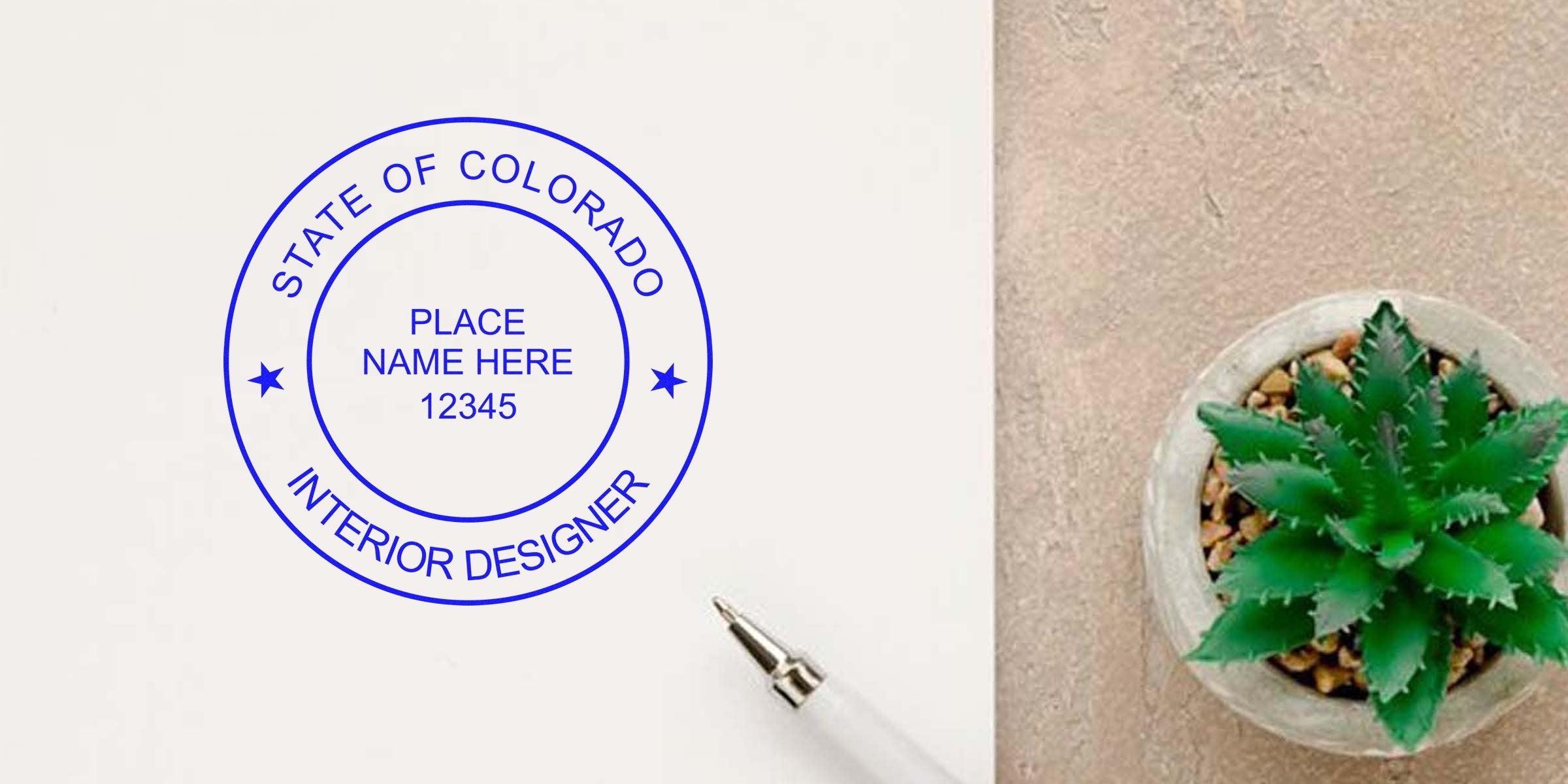
If you’re an interior designer working in Colorado, there’s a good chance you’ve heard the term “Colorado interior designer seal notary” tossed around. At first glance, it might sound like unnecessary red tape. But think of it this way: your seal (often referred to as a stamp in everyday conversation) adds a professional touch to your projects and certifies that you’re meeting state requirements. Ever wondered if you really need one? The short answer is yes. This credential helps confirm the authenticity and credibility of your work, especially when you’re submitting design plans or legal documents.
By the end of this post, you’ll know exactly why your seal matters, how to get it, and how to avoid some frequent pitfalls. You’ll also see how a trusted provider like Acorn Sales, which has been supporting professionals since 1964, can make the process seamless. In fact, there’s a free electronic stamp included with every order, which makes your to-do list a little lighter. Let’s dive in so you can keep your focus on designing beautiful interiors, without second-guessing whether you have the correct stamp or seal in place.
Below, you’ll find clear steps to help you understand state regulations, order your stamp, and use it properly. If you’ve got lingering what-if questions, don’t sweat it. We wrap up with five frequently asked questions that address everything from timeframes to electronic seal use. Let’s start by clarifying what the Colorado interior designer seal notary is and why it’s on nearly every professional’s radar in the state.
Understand the Colorado Interior Designer Seal Notary
Picture this scenario: You’ve created a stunning interior design plan for a local business. The space is modern, open, and welcoming, all thanks to your carefully drafted sketches. But before those plans can be filed for permits or official documentation, you’re asked for a notarized seal. That’s where the Colorado interior designer seal notary comes in.
Definition and Purpose
Think of the seal as your official signature on any professional design documents. In many states, including Colorado, interior designers must authenticate certain plans with a seal and sometimes have them notarized for legal use. This stamp or seal verifies that a licensed professional created the design, which can be vital for project approvals and records.
- Identity Confirmation: The seal notifies others that you’re credentialed and authorized to produce these drawings.
- Professional Credibility: A stamp shows you adhere to state standards and guidelines.
- Document Validation: Plans often need sealed authorization before project bidding or construction can begin.
When You Need It
Not every single piece of paper that leaves your desk needs a seal. Typically, you’ll need the seal on design drawings and project plan sets going to building departments, clients, or government agencies. Anytime your documentation crosses into official territory, that’s a strong sign you’ll need to apply your Colorado interior designer seal. Additionally, if certain aspects of your design require additional oversight, you may be asked to attach a notary acknowledgment, too.
Meet Colorado Requirements
Let’s be honest, no one enjoys wading through pages of legal language. Thankfully, the Colorado rules surrounding interior designer seals are fairly straightforward. However, you do want to stay updated on any yearly changes or new guidelines.
Official Highlights
Regulations in Colorado typically discuss the size of your seal, the wording around it, and the type of license information it must include. Usually, the official seal features:
- Your full legal name
- A reference to your specific designation (e.g., “Interior Designer”)
- State license or registration number
- The words “Colorado” or “State of Colorado”
There might be instances where you need a notary’s stamp or acknowledgment on certain affidavits or sworn statements. This level of formality exists to protect your work and reassure clients that they’re hiring a properly authorized individual. If you want more details on the nitty-gritty of Colorado rules, check out the colorado interior designer stamp requirements. It covers specifics that could save you from reordering the wrong stamp later.
Documentation and Proof
When you apply for or renew your interior design license, Colorado agencies may ask for proof that you own the correct seal. This proof could be:
- A photocopy of your stamp impression
- An electronic file showing your digital seal design
- A written statement from a supplier verifying that you purchased a seal
Having this paperwork on hand keeps you ready for any surprise audits or compliance checks. In many cases, it also speeds up your license renewal.
Order Your Designer Stamp
Once you grasp the requirements, your next stop is to get a seal that fits all of Colorado’s guidelines. Before you start clicking around online, it’s smart to know what to look for in a supplier.
Finding a Trusted Supplier
It’s not enough to run a quick web search for “Colorado interior designer seal.” You want a company that understands your industry and can walk you through the right design. Watch for:
- A proven track record of working with interior designers
- Knowledge of state regulations and preferences
- Options for both physical and digital seals
- Clear return or replacement policies in case anything’s off
A reliable provider can also suggest helpful extras, like an embosser if you’d prefer a raised design. Ultimately, the last thing you need is a stamp that doesn’t meet the exact lettering or sizing requirements.
Acorn Sales in Colorado
Acorn Sales checks all these boxes. The company has been around since 1964, which means you’re working with a seasoned team that knows the ins and outs of professional seals. Plus, each order includes a free electronic stamp, so you don’t have to pay extra just to have a digital version on file. That’s handy if you plan to submit documents electronically or if you frequently create digital mockups for clients.
Beyond the basics, Acorn Sales offers dedicated customer service reps who can answer your questions. Unsure about wording? Curious what size is acceptable for official documents? They’ll let you know the best practices to ensure compliance with Colorado’s guidelines. And if you ever need a quick turnaround, having a long-established supplier often means your seal is produced and shipped faster.
Avoid Common Hurdles
You’ve done the research, you’ve got the right seal, and you’re ready to stamp your plans. Before you ink up, here are a few snags Colorado designers sometimes encounter. Avoiding them from the start saves stress (and possible fees).
- Incorrect Format: A tiny error like missing your license number or including the wrong text can get your stamp rejected. Double-check your final design.
- Using the Seal Too Freely: Be careful not to stamp every single document in sight. Overuse can weaken its significance and confuse clients or officials.
- Notarization Oversight: Some documents may require your seal plus a notary’s acknowledgment or stamp. Failing to attach both can result in delays or legal complications.
- Stale License: If your Colorado license lapses, your seal is no longer valid. Renew on time to keep that stamp active.
- Electronic vs. Physical Use: Make sure you know when an inked seal is required and when a digital seal will suffice.
Ballooning project timelines and repeated redesigns are headaches you don’t need. Spending a few minutes now to clarify your stamping approach can ward off days of frustration later.
Implement Best Practices
Sealing your plans is about more than placing a crisp impression on a page. Follow a few best practices, and you’ll streamline your workflow while reinforcing your reputation as a trustworthy interior designer.
-
Keep Your Stamp Safe
Think of your seal as a personal ID. You wouldn’t toss your driver’s license in a random drawer, right? Store your stamp or embosser in a secure spot—like a locked compartment or a desk you frequently monitor—to prevent misuse. -
Maintain High-Resolution Files
If you have a digital seal, keep a high-resolution version on hand. This ensures it’s always legible on final PDFs or printed sheets. If you’re turning in official documents digitally, a fuzzy seal reflection could raise eyebrows. -
Archive Each Stamped Document
Once you’ve signed and sealed a set of designs, keep a backup copy or digital scan for your records. That way, you have proof of exactly what was stamped if disputes or questions arise later. -
Follow Proper Placement
Typically, you want to place your seal near your signature block or at a clearly visible location on the plan sheet. Don’t hide it in the margin or crowd it with text. A well-placed seal signals confidence and clarity. -
Stay Current on Changes
Regulations evolve, and so do the demands of project owners or local building departments. Keep an eye on Colorado’s official updates. Even a small wording change can prompt you to order a new seal.
These simple guidelines help you avoid missteps and secure your professional reputation in a field where credibility matters. By stamping your documents accurately and consistently, you’re also making it easier for contractors, local authorities, and even your clients to trust your work.
At this point, you should feel confident in your next steps. Whether you’re finalizing a blueprint for a local restaurant or prepping a redesign for a corporate office, having the right seal in place paves the way for smooth approvals. In the end, it’s less about red tape and more about underscoring your professional credibility as a Colorado interior designer.
If you haven’t secured your stamp yet, consider a reputable provider like Acorn Sales. They’ve been around since 1964, so they get the Colorado regulations and know exactly how to set you up for success. Plus, you’ll snag a free electronic stamp with every order, saving you both money and time. Once you have your seal, remember to keep it secure, use it responsibly, and stay up to date on any new rules.
Got more questions? Revisit the FAQs above, or reach out for personalized help. The peace of mind that comes with having the proper Colorado interior designer seal notary is well worth the effort—and you’ll be able to focus on what you love most: creating inspired, functional interiors for your clients.
Frequently Asked Questions
What if my project is just a small redesign, do I really need to seal it?
” Even small redesigns may require sealing if they involve official documents or permitting. Generally, if you’re submitting something for formal approval, it’s safer to use your seal. Delays happen when an office rejects drawings that lack proper authorization.
Can I use one seal for everything or do I need multiple versions?
” Most of the time, you just need a single approved design. However, if you practice in multiple states, you might need separate seals. Also, some designers invest in both an ink stamp and an embosser for various scenarios.
Is a notary always required alongside my interior designer stamp?
” Not always. You typically only need a notary when you must submit a sworn statement or affidavit verifying the truth of the document. Some building departments or clients specifically request notarization for extra assurance.
How long does it take to get my seal?
” Many suppliers can deliver in a few business days, especially if you order a standard Colorado design. Acorn Sales, for instance, has a quick turnaround on standard seals. Remember to factor in shipping time if you’re on a tight deadline.
Do electronic seals hold the same weight as physical ones?
” Yes, as long as they meet the state’s authenticity criteria. A digital seal is especially handy for e-filed plans and can speed up approvals. Just remember to confirm if the department or agency you’re working with accepts electronic seals before sending your documents.








