
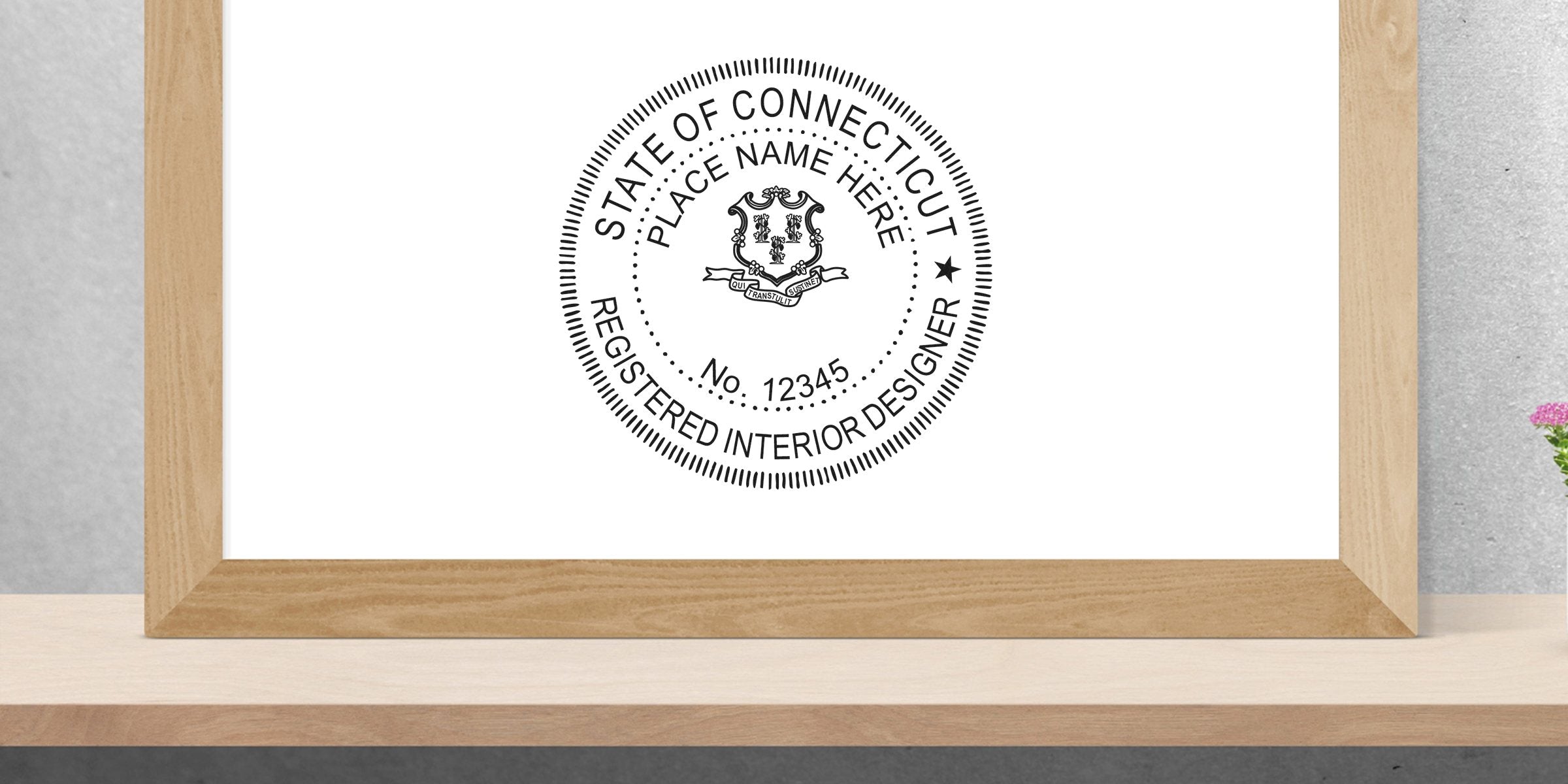
When you first hear about “Connecticut interior designer stamp requirements,” you might imagine a tangled maze of rules and paperwork. The good news? It’s more straightforward than you’d think. With the right know-how, you’ll be stamping your professional mark on design documents in no time.
Most states require licensed interior designers to apply an official stamp or seal on plans, specifications, or other project documentation. In Connecticut, these stamps confirm you meet the standards set by local authorities, protect the public interest, and ensure design quality.
Below, you’ll discover the key points of these requirements. We’ll also dig into how to stay compliant, which seal options you can choose from, and how Acorn Sales can help you simplify the process.
Connecticut Interior Designer Stamp Requirements
The State of Connecticut mandates that certified interior designers authenticate their professional work with a seal or stamp. This requirement helps distinguish legitimate, credentialed experts from unlicensed or untrained individuals. It also adds a layer of accountability, letting clients and review boards know the plan meets recognized design standards.
Why You Need a Stamp
- It’s a legal requirement for licensed interior designers in Connecticut.
- It reassures clients that you have the right training and qualifications.
- Stamped drawings help regulatory committees quickly verify your professional status.
If you want more details on how regulations affect the overall stamping process, you can refer to the connecticut interior designer stamp regulations. This resource clarifies which documents must carry your stamp and which might remain exempt.
Key Points for Compliance
- Only licensed and registered interior designers can lawfully use an official stamp.
- The stamp must be clear, legible, and used on all relevant project documents.
- You may need to include your signature alongside the stamp to validate your design.
Don’t overlook these stamp requirements. If you skip them, you risk project delays or even fines. Confirm your license status, learn the right format, and keep your stamp ready for every set of plans you prepare.
Check Licensure Guidelines
Before you head out to buy a stamp, make sure you’re fully licensed under Connecticut law. Different states have varied rules for education, exams, and on-the-job experience. Connecticut typically expects proof of education in interior design plus successful exam results.
Confirm Your Credentials
- Double-check you’ve met all educational prerequisites.
- Ensure your work hours and apprenticeship meet state regulations.
- Keep your contact info, business address, and name updated with Connecticut’s licensing board.
If you haven’t already reviewed the parameters for exactly how your seal should appear, you can visit the connecticut interior designer seal specifications. It’s a great way to verify you’re on track with the official size, shape, and text details. Once you’re certain you qualify, you can move on to selecting the right stamp or seal.
Explore Seal Or Stamp Options
Not all stamps and seals are created equal. You can choose a traditional rubber stamp, an embosser, or even a digital file that you can drop directly into your plans. Your pick mostly hinges on personal preference, as long as it fits official guidelines.
Standard Designs To Consider
-
Rubber or Self-Inking Stamp
- Easy to use, quick impressions.
- Ink can fade over time if not stored well.
-
Embosser
- Presses a raised seal onto paper.
- Creates a permanent, professional feel.
- May be tricky to see on certain paper types.
-
Digital Stamp (Electronic Seal)
- Ideal for electronic submissions.
- Prevents ink smudges or missing stamps.
- Must comply with e-signature laws if required.
For a deeper look at recommended styles, shapes, and text placement, check out the connecticut interior designer stamp design. If you prefer a raised seal with a classy finish, you might want to consider a connecticut interior designer seal embosser for official paperwork.
Quick Comparison Table
| Stamp/Seal Type | Pros | Cons |
|---|---|---|
| Rubber Stamp | Simple to use, affordable, fast drying | Ink can smudge, may require re-inking |
| Self-Inking | Clean impressions, easy refill | Initial cost higher than rubber stamps |
| Embosser | Permanent, elegant raised impression | Limited visibility, heavier tool |
| Digital Seal | Great for electronic docs, no physical storage | Must ensure correct file formats |
No matter which option works for you, always review the connecticut interior designer stamp size to ensure your design meets all spatial requirements. A too-small or blurry seal could cause rejection of your documents during plan reviews.
Stay Up-To-Date
Regulations can evolve. The Connecticut board overseeing interior designers periodically reviews standards to keep up with industry changes. Ignoring an updated requirement might lead to outdated stamps, unrecognized seals, or project setbacks.
- Sign up for newsletters or email announcements from Connecticut’s professional licensing board.
- Attend local design association meetings to find out if rules have shifted.
- Make sure your stamp meets the current guidelines by reviewing official sources every few months.
If you suspect your old stamp is outdated, you can verify it with the connecticut interior designer stamp verification checklist. This step helps confirm you’re still meeting any new technical demands or graphic design standards.
Benefit From Acorn Sales
You might be wondering, "Where do I actually get my stamp made?" That’s where Acorn Sales comes in. We’ve been in business since 1964, serving interior designers, architects, and other professionals across the nation. Our experience means you’ll get a top-quality product shaped around Connecticut’s unique requirements.
- We offer a free electronic stamp with each physical stamp or seal purchase.
- Our range of products ensures you’ll find the perfect fit for your personal workflow.
- With decades of expertise, we understand how to incorporate any revised state guidelines immediately.
If you’re curious about pricing or want to get an idea of the range of options available, see our quick reference at connecticut interior designer stamp cost. From budget-friendly stamps to premium embossers, we have something for every designer.
Why Trust Acorn Sales?
-
Decades of Experience
- We’ve crafted professional stamps since 1964.
- Our team stays updated on design laws, so you don’t have to.
-
Quality Materials
- We use durable materials that hold up to heavy use.
- No worries about faded ink or worn-out embossers after a few months.
-
Personalized Support
- Not sure which stamp size is best for you? We’ll guide you.
- Need a custom layout for your text? We’ve got the tools.
Staying within Connecticut’s rules is easier when you partner with a company that understands both the legal framework and the nitty-gritty of stamp design. Plus, if you ever want to tweak your seal layout or add finishing touches, check out our connecticut interior designer seal template for ready-made designs you can adapt.
Wrapping Up
Navigating Connecticut interior designer stamp requirements doesn’t have to be difficult. Once you’re licensed, you’ll just need a properly formatted seal and a willingness to stay informed about any changes in local guidelines. From verifying your credentials to picking the right stamp, each step ensures your designs hit the mark and resonate with clients, review boards, and design peers.
If you’re ready to set up your stamp or simply upgrade your existing one, Acorn Sales has you covered. With a free electronic stamp included and a legacy of trusted service, you can proceed confidently, knowing your seal meets every official detail. Give yourself peace of mind, and let your stamped plans stand out in every professional setting.
Frequently Asked Questions
Can I use a digital stamp for all my Connecticut design projects?
- Yes, as long as the digital file meets Connecticut’s official guidelines. Always confirm with local authorities that electronic seals are acceptable for your specific project.
How often do I have to renew my stamp?
- The stamp itself doesn’t expire, but your professional license does. Keep your license active, and your stamp remains valid. If the design regulations change, you might need to get an updated stamp.
Do I need separate stamps for different project types?
- Typically, no. You can use the same stamp across residential, commercial, or hospitality projects, as long as you’re properly licensed for that scope of work.
Does an embosser carry more weight than an ink stamp?
- Both are equally valid. The choice depends on your personal preference and the reviewing authority’s requirements. An embosser creates a raised seal, while a stamp leaves an ink imprint.
Is a free electronic stamp truly included with my purchase?
- Absolutely. Acorn Sales provides a digital version along with any physical stamp or seal purchase, so you’re always ready for electronic submissions.








