
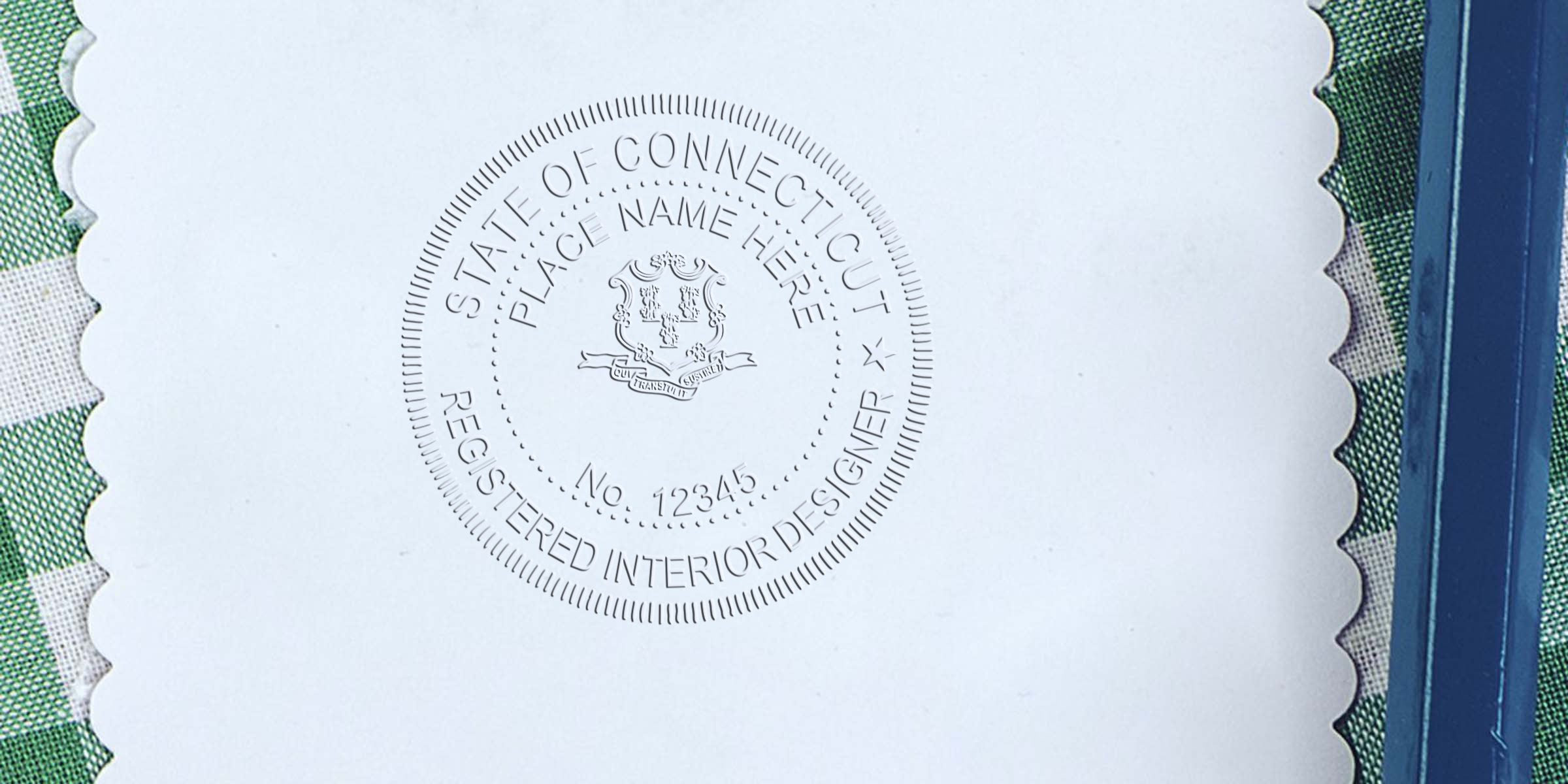
Navigating the ins and outs of Connecticut interior designer seal guidelines can feel intimidating at first. You might wonder, “Where do I even start?” Fortunately, you’re in the right place. In this guide, you’ll discover how to ensure that your professional seal meets Connecticut’s regulations. By the end, you’ll have a clear plan for selecting and using your seal correctly, so you can focus on delivering stellar design work.
Understand Connecticut Seal Basics
A professional seal is more than a decorative stamp. In Connecticut, it serves as your official statement of responsibility for the design documents you create.
A seal typically includes your name, your professional title, and any license or registration number. When you imprint or affix it to a blueprint or concept plan, you’re confirming that you stand behind the contents. It’s like your personal mark of quality.
While the design of an interior designer’s seal often follows standardized formats, there can be subtle differences in appearance or size. These details matter. A misplaced line or poorly sized font could lead to questions about your documents or even slow down permits.
Why Seals Matter So Much
- They indicate professional credibility, showing that you’ve met certain requirements to practice.
- They’re legally recognized markers that your work complies with state laws.
- They reassure everyone involved, from clients to safety inspectors, that your designs meet the right standards.
Know The Key Requirements
Before you dive into designs for your next project, make sure you’re familiar with the broad set of requirements attached to your seal. First, you need a clear understanding of how Connecticut regulators expect you to adopt and use your seal.
These guidelines define when the seal should appear, how the seal must look, and what text it must contain. For further specifics around measurements or inscriptions, check out the Connecticut interior designer stamp requirements. With these details at your fingertips, you ensure every sealed document passes muster.
Basic Must-Haves
- Your legal name and professional title.
- Your Connecticut license or registration number.
- A border that frames the text in a tidy circle or shape.
- Legibility, so reviewers can instantly confirm the seal’s authenticity.
If any requirement is off by a wide margin, you risk rework or formal complaints. Be thorough here. It’s usually best to confirm the official wording and layout with the state board. That way, you won’t overlook something that could cause big headaches later.
Follow The Legal Implications
As an interior designer in Connecticut, you’re subject to rules that protect public safety and uphold professional standards. By applying your seal, you’re saying you followed state regulations in developing your plans. In short, the moment your seal hits that page, it becomes a legal declaration.
Let’s break it down in a simple table:
| Aspect | Meaning | Your Action |
|---|---|---|
| Professional Responsibility | You become accountable for all sealed design documents. | Verify accuracy before stamping. |
| Authenticated Drawings | Legal agencies see your seal as official permission to proceed. | Confirm you’re using current codes. |
| Risk of Misuse | Using someone else’s seal is a violation of the law. | Safeguard digital stamp files. |
| Public Protection | Your seal assures clients and authorities of a qualified author. | Keep license and seal details current. |
You want to protect your seal as though it were a signature. If someone else gets hold of it, that’s more than identity theft—it’s a breach of state law. Always store any digital files securely. If you prefer a physical stamp, keep it locked away when not in use.
Select Your Seal Format
Maybe you’ve seen different varieties of professional seals: raised embossers, rubber ink stamps, and even digitally generated versions. Each format comes with perks.
You may find that an ink stamp is quick and convenient. You push it onto the document, and you’re done. An embosser, on the other hand, gives you a crisp raised impression that can’t be easily altered or photocopied. Many designers enjoy the tactile professional look of an embossed seal.
Points To Weigh
- Some agencies require a seal that’s visible once scanned, which might mean ink or digital is better than embossing.
- Ink stamps are easy to replace if damaged, but keep them away from moisture and direct sunlight.
- Embossers last a long time, but pay attention to plate alignment for a perfect impression.
You’ll want to check local permitting offices to see which style they prefer. Certain towns might only accept physical seals, while others embrace digital versions.
Use Electronic Stamps
Electronic seals (or e-seals) can save you time, especially if you’re working with an entirely paperless operation. If your state board recognizes digital stamping technologies, you can embed your seal in documents right from your design software.
You’ll commonly see these stamps as files that include your name, license number, and unique design. They’re often locked to prevent unauthorized copying, and they come with encryption to prove authenticity.
Key Advantages Of E-Seals
- You skip the hassle of printing, stamping, and rescanning documents.
- They’re often acceptable for online permit submissions.
- You can easily store and share them in a secured digital location.
Of course, confirm that your local authorities allow electronic seals on official documents. Some states remain cautious, requiring a physical stamp for final sign-offs. But in many places, e-seals are gradually becoming the norm.
Shop Trusted Suppliers
Don’t trust your official seal to just any vendor. You want a supplier who understands the nuances of state guidelines. Getting a seal that’s slightly off in dimension or wording could mean reordering and wasting design time.
At Acorn Sales, we’ve specialized in creating professional stamps and seals for Connecticut interior designers since 1964. Our line of products is designed to meet the exact guidelines you need. Whether you’re looking for a sleek self-inking stamp or a classic embosser, we can guide you toward the right option.
Why Choose Acorn Sales
- We’ve been in business since 1964, so we know the detailed rules for most states.
- Every purchase includes a free electronic stamp option, making it easier to pivot between paper and digital workflows.
- Our customer support team can help you double-check your design, so you avoid errors before production begins.
When it comes to something as important as your stamp, accuracy is everything. A reputable supplier helps you cross your t’s, dot your i’s, and ensure the final product meets every specification.
Putting all this guidance to work will help you shine in your Connecticut interior design practice. A properly created and protected seal is like a badge of honor, declaring your commitment to quality and integrity in everything you design. If you’re ready to order or need more details, give Acorn Sales a call. We’re here to make sure your seal meets every requirement, from layout to final impression. Happy designing!
Frequently Asked Questions
How Do I Know If I Need A Seal?
Every licensed interior designer in Connecticut who creates or signs off on construction documents for official or public review needs one. It’s mandated by state rules to confirm your professional status.
Can I Use A Seal From Another State?
Connecticut regulators typically require a seal unique to Connecticut’s standards. A seal from another state usually won’t meet the local requirements, so it’s best to order the correct seal that aligns with Connecticut’s guidelines.
Are Electronic Stamps Always Accepted?
In most locations, e-stamps are increasingly recognized. However, you should check with the specific permitting office or professional board in your jurisdiction. Some might still require a physical impression or original signature.
What Happens If I Lose My Physical Stamp?
Immediately notify the relevant authorities and consider purchasing a replacement to avoid legal loopholes. If someone uses your lost stamp without authorization, you may face liability unless you’ve officially documented its loss.
How Often Do I Need To Update My Seal?
Generally, you only need to change it when your name, status, or license number changes. Still, keep track of any new rules that might call for an updated design.








