
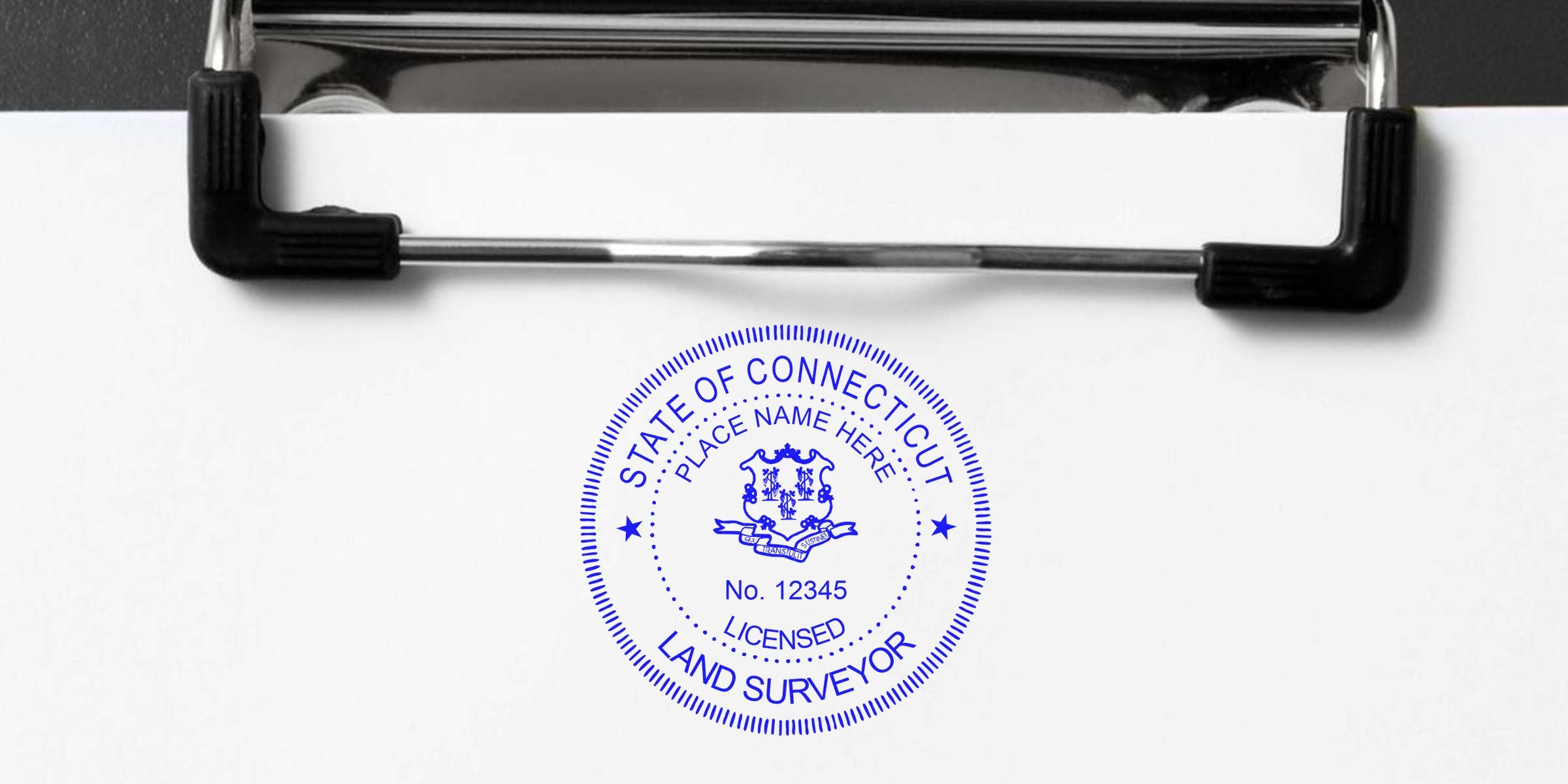
Understand Connecticut Land Surveyor Seal Guidelines
If you’re a licensed land surveyor in Connecticut, navigating the Connecticut land surveyor seal guidelines can feel a bit overwhelming at first. But here’s the good news: once you know the rules, you’ll operate more confidently and protect yourself from potential compliance headaches. In this guide, we’ll explore why professional seals matter, when and where to use them, common pitfalls, and how to secure a legitimate seal supplier. Let’s dig in.
Why You Need a Proper Seal
In Connecticut, land surveyor seals aren’t just decorative stamps. They serve as an official mark of your professional qualifications and legal authorization. By affixing your seal to maps, reports, or legal documents, you’re attesting that you’ve followed the required surveying standards and that your work complies with state regulations. In simpler terms, that little seal helps you stand behind your work with confidence.
- Legal Backing: Keeps you compliant with state laws and professional board requirements.
- Professional Credibility: Signals that you hold the appropriate credentials.
- Liability Protection: Helps clarify who is responsible for the survey and how it was conducted.
Explore Key Legal Requirements
Connecticut’s guidelines for land surveyor seals focus on ensuring that each authorized professional is uniquely identifiable and that no unauthorized person can claim your credibility. Here’s what you should know:
The Basic Essentials
- Registration: Before you think about your seal, be sure your land surveyor license is active and in good standing.
- Seal Style: You typically have the choice of a rubber stamp or an embosser (a raised seal).
- State Identification: The seal must reference Connecticut or “State of Connecticut,” ensuring it’s recognized as compliance with local regulations.
- Name and License Number: Clearly display your full name, exactly as it’s registered, along with your unique license number.
Varying Stamp Types
When it comes to meeting the guidelines, choosing the right stamp or embosser can make everyday work more efficient. Different types offer different benefits, so here’s a quick overview:
| Stamp Type | Typical Use | Key Features |
|---|---|---|
| Pre-Inked Rubber Stamp | Quick document stamping | Sharp ink impressions, fast-drying |
| Self-Inking Stamp | Repetitive stamping, moderate volume | Built-in ink well, convenient refilling |
| Embossing Seal | Adding raised impressions to documents | Elegant look, unique raised imprint |
Tip: For a more detailed look at suitable stamps, check out connecticut land surveyor stamp requirements to see how certain stamp styles meet the official standards.
Use Your Seal Properly
Knowing where and when to apply your land surveyor seal is half the battle. If you’re unsure, here are typical scenarios:
- Maps and Plats: Whenever you finalize a boundary or topographic map, your seal should accompany your signature.
- Official Reports: Drainage studies, subdivision surveys, or construction documentation often require sealed pages.
- Digital Submissions: As e-documents become more popular, ensure you have a high-quality digital version of your seal, especially if it’s offered for free with your purchase of a physical stamp.
Required Signatures Accompanying the Seal
In most cases, your seal alone isn’t enough. A signature, plus the date, is commonly required to authenticate the final version of each page or sheet bearing that seal. Why? Because it indicates the moment in time you confirmed the accuracy of that work. If you ever need to revise a document, it typically must be resealed with the updated date and your re-confirmation.
Check Formatting Standards
Applying your seal might seem straightforward, but small formatting mistakes can undermine the professional look you’re aiming for. Typically, land surveyor seals in Connecticut follow these guidelines:
- Legible Text: Your name, license number, and “Connecticut” must be crystal clear.
- Permanent Imprint: The impression should be durable, especially if it’s for official public record.
- Consistent Size: Standard sizes often fall between 1 5/8 inches and 2 inches in diameter. Double-check if your board has a preference.
Digital vs. Physical
With more offices going paperless, you may opt for a digital seal. This version should match your physical seal’s artwork and meet any board rules for file security (for example, secure PDFs). Many land surveyors use a digital signature software too, which might require you to upload your seal image so it can be affixed with a digital timestamp.
Avoid Common Pitfalls
Respecting the Connecticut land surveyor seal guidelines isn’t just about having the right design and format. It also means steering clear of easy-to-make mistakes:
- Using an Expired License: Don’t forget to renew. Even if you have the correct seal design, stamping documents with an expired license can lead to severe penalties.
- Letting Others Use Your Seal: Keep your seal secure. Under no circumstances should non-licensed individuals stamp documents in your name.
- No Signature or Date: Some surveyors forget to sign or date sealed pages, invalidating the entire document.
- Poor Quality Impressions: A smudged or partially stamped seal might not hold up under scrutiny. Make sure the text is easily read.
- Ignoring Border Requirements: Some states specify that the seal's outer ring must be a circle. Confirm nothing about your design is cut off or distorted.
Trust the Right Stamp Supplier
Having the guidelines down is great, but you also want a reliable supplier who understands Connecticut specifics. One of the common questions is how to pick a vendor that offers high-quality stamps or embossers along with trustworthy customer service.
- Look for Specialized Experience: Not every office supply store knows the ins and outs of land surveyor seals.
- Check for Digital Seal Inclusions: Does the supplier provide a free digital seal? This can save you time and money in the future.
- Longevity Matters: A company that’s been around for decades usually has a proven track record of customer satisfaction.
Acorn Sales: A Trusted Supplier
If you want a seal that meets Connecticut regulations, Acorn Sales is well worth a look. We’ve been in business since 1964, supplying professional seals and stamps to land surveyors throughout the country. Plus, we include a free digital seal version with our physical products so you can keep pace with electronic filings. We pride ourselves on customer support too, walking you through any stamp setup questions you might have.
- Years of Experience: More than half a century in the business.
- Quality Assurance: Stamps that stand up to repeated use.
- Competitive Pricing: You don’t have to break the bank for professional-grade products.
- Free Digital Seal: Perfect for e-documents and secure, paper-free processes.
Wrap Up
Having a clear grasp of the Connecticut land surveyor seal guidelines isn’t just about bureaucratic checkboxes. It’s about underscoring your credibility, upholding legal standards, and confidently representing the integrity of each survey you perform. When you secure your seal from a reputable supplier like Acorn Sales, you’re also investing in tools that let you adapt as technology evolves—such as easily using a digital seal for e-submissions.
If you haven’t already, consider reviewing your current seal to confirm you’re hitting all the marks. Is your license info legible? Is the size correct? Are you remembering to sign and date each stamped or embossed page? A little diligence now can spare you legal headaches down the road.
Feel free to experiment with finalizing your next boundary map or construction report using a high-quality stamp or embosser. Double-check the guidelines, be sure to sign and date your work, and rest easy knowing you’re meeting all the state requirements. And if you find yourself running into any snags, you can always get guidance from experienced providers who’ve seen it all before—after all, that’s what we’re here for.
Frequently Asked Questions
Do I need both a physical and a digital seal?
The short answer is yes, if you’re doing both paper-based and electronic filing. Some local jurisdictions still require paper originals, while others accept in-app digital documents. Having both options keeps you flexible.
Are there specific font requirements for my seal text?
Typically, the board only requires that your text (name, license number, and state identifier) be legible. Standard block fonts are most common, and they ensure clarity on official copies.
What happens if I forget to sign after stamping a document?
A seal on its own doesn’t fully authenticate the document. Without your signature, the document might be considered “incomplete,” which can raise legal or administrative issues. Always sign and date after applying the seal.
Do I need to re-seal every page if I make small corrections?
In many cases, yes. If any detail changes—even a minor note or measurement—the corrected page should be resealed and re-signed to confirm the new updates are official and accurate.
Where can I learn more about these seal requirements?
For step-by-step guidance on what your stamp should look like, check out connecticut land surveyor stamp requirements. You can also consult Connecticut’s licensing board website for up-to-date regulations.








