
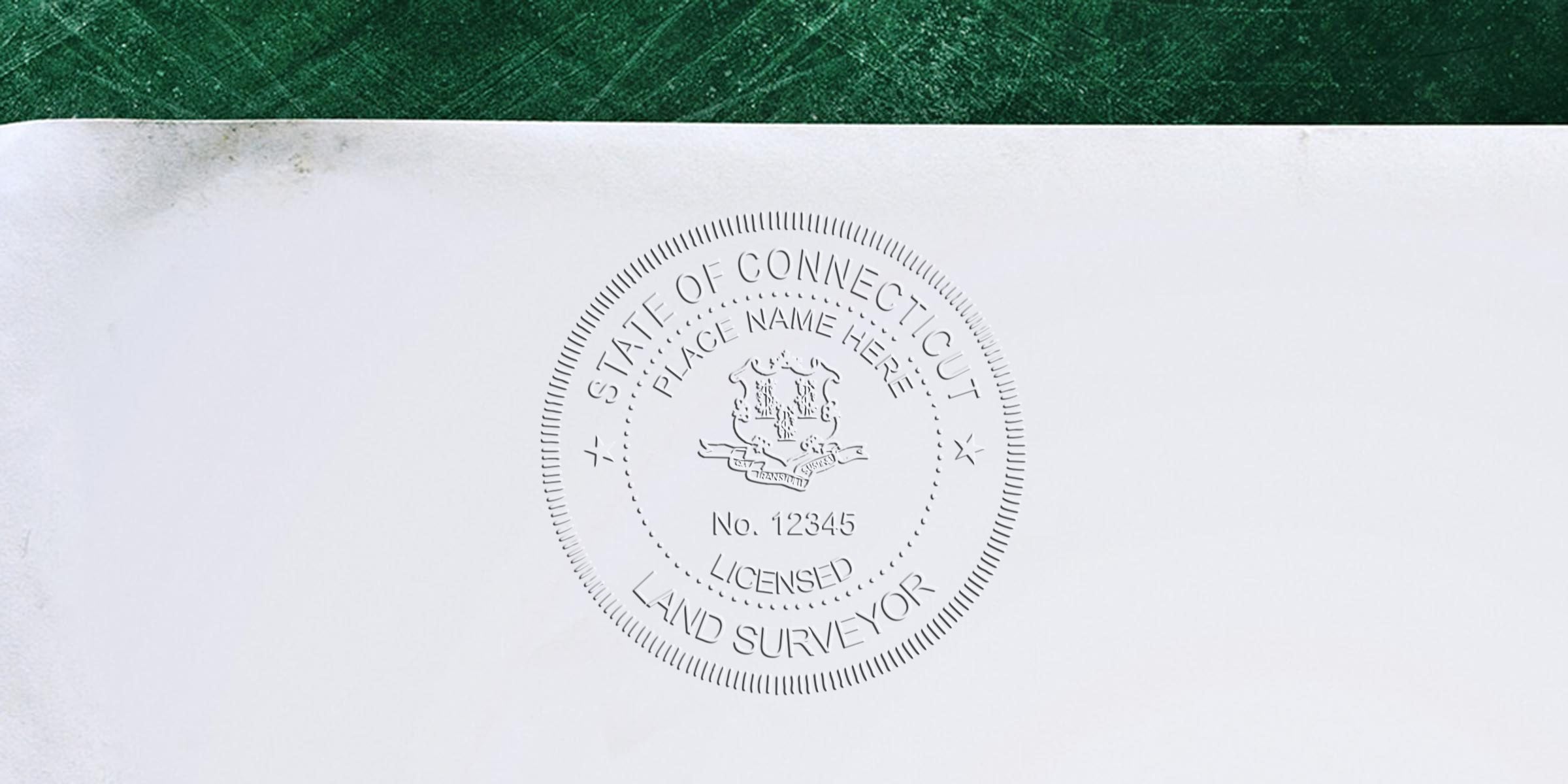
Whether you’ve just started your journey as a land surveyor or you’ve been stamping property boundary maps for decades, understanding Connecticut land surveyor seal specifications is a must. After all, your seal is not just a formality, it’s a symbol of your professional integrity and a direct reflection of your careful work. If you’re feeling a bit unsure about precisely what the state requires, keep reading. I’ve put together a friendly, straightforward overview so you can stamp with confidence, knowing your seal meets every important detail.
Understanding Connecticut Land Surveyor Seal Specifications
You might be wondering why Connecticut pays so much attention to a seal. In a nutshell, the state wants to ensure the public can instantly verify that a licensed professional prepared a land survey. Your clients, government agencies, and even courtroom proceedings rely on that seal to certify the accuracy of your plans. Plus, having consistent specifications prevents confusion across documents, especially when multiple surveys or legal filings are in play.
Connecticut law outlines specific guidelines for size, design, and even the content of your seal. Typically, your seal features your name, license number, and relevant professional designation. By adhering to these guidelines, you create a uniform standard that prevents tampering or misuse. That’s why paying attention to small details, such as ink color or the outer ring’s diameter, really does matter.
Why Consistency Matters
Consistent seal requirements make everyone’s life easier. Imagine scrolling through survey documents and coming across a seal that’s blurry or missing key information. That’s where confusion creeps in. But when your seal is clear, uniform, and matches the state’s expectations, it signals thoroughness and transparency. It also shows you went the extra mile to uphold your profession’s code of conduct!
Connecting It All Together
Even though the seal might sound like a minor detail, it’s a gateway to trust. As soon as officials or clients see that clear emboss, they’re reassured the survey came from a dedicated, licensed professional. If you ever have questions on the step-by-step aspects of stamps and seals, you can check out our guide on connecticut land surveyor stamp requirements. It covers important nuances, like the difference between embossed seals and pre-inked ones.
Role And Requirements Of A Connecticut Land Surveyor Seal
Your official seal is more than just a rubber stamp in your desk drawer. It’s a seal of approval (literally) that cements your responsibilities for accuracy, thoroughness, and ethical standards. Connecticut’s guidelines help protect you and your clients from any misunderstandings. By law, your seal confirms that the accompanying documents are your original or reviewed work. Without it, your surveys may not hold legal weight.
Elements Your Seal Typically Must Include
- Your name exactly as it appears on your license
- Your license or registration number
- The term “Licensed Land Surveyor” or a similar official designation
- A standard size and legible font
The state usually expects a circular design with a clear outer ring. The diameter often falls between 1 5/8 inches and 2 inches (although you can confirm any minor updates directly with state regulations). You’ll also want to make sure the text is easy to read and doesn’t crowd the edges.
Common Uses For Your Seal
- Survey maps and plats
- Legal documents requiring a certified boundary description
- Official correspondences tied to land measurements
- Engineering plans that overlap with surveying tasks
Occasionally, you might also need to physically sign through or near the seal. This practice helps confirm that the seal is yours and ensures no one else can peel it off and paste it onto different documents. This signature step is one more layer of security and authenticity.
Design And Format Tips For Your Seal
Now let’s talk about the nitty-gritty of creating or ordering your seal. You have options like embossers, pre-inked stamps, or self-inking stamps. Each style has its perks. The self-inking type is convenient, since you won’t need a separate ink pad, while an embosser leaves that classic raised impression. Regardless of which style you pick, keep an eye on a few key design elements:
- Legible Font: If the text is too stylized, it could appear fuzzy when stamped or embossed.
- High-Quality Materials: Look for metal embossers or sturdy plastic parts that won’t wear out quickly.
- State-Approved Template: The layout and wording should match the state’s official guidelines.
Inking Essentials
When choosing an ink color, black is usually the safest bet. Blue can also be acceptable, especially when you want to distinguish an original document. Whatever color you decide, ensure it contrasts well with the paper. A crisp, clear mark is your goal—otherwise, the whole point of having a detailed seal can get lost.
Embossers Versus Pre-Inked Stamps
- Embossers:
- Creates a raised impression on paper
- Often used for more formal or archival documents
- Requires a bit more hand strength to apply
- Pre-Inked Stamps:
- Portable, mess-free design
- Produces a crisp, dark imprint
- Easier to apply on multiple pages quickly
Depending on how many documents you stamp each day, you might opt for the convenience of a self-inking or pre-inked design. But if you love that traditional feel—and your arm doesn’t mind a little workout—embossers are a timeless choice.
How Acorn Sales Can Help
Finding a reliable supplier for Connecticut-compliant seals can be tricky. That’s why Acorn Sales has been a go-to name since 1964. We specialize in providing land surveyor stamps and seals across multiple states. From ensuring the perfect diameter for your official seal to giving you options like self-inking or embossing, we’ve got your back.
And here’s the kicker: We offer a free digital seal when you purchase from us. That’s right, you’ll get both a physical version and a digital file. Why is this handy? Because many county offices now accept or even require electronic submissions. By having a digital seal, you’re ready to file online or email scanned copies without a hitch. It’s an easy way to remain efficient and keep your survey process up to speed in our tech-driven world.
Our Promise
- Compliance with state specifications
- Durable materials for long-lasting use
- Fast turnaround times and personalized support
- Knowledgeable staff that can answer your state-specific questions
We understand how hectic your schedule can be—long days out in the field, phone calls with clients, constant updates to project files. The last thing you need is a seal that doesn’t measure up to regulations. With Acorn Sales, you can trust that your seal will be meticulously crafted, fully compliant, and built to last.
Practical Guidelines And Tips
Now that you know where to get a good seal, let’s talk through a few practical tips for using it day to day. After all, the best seal in the world doesn’t help if you’re not applying it correctly or you’re missing out on time-saving techniques.
- Keep A Spare: If you plan on using a physical embosser, having a backup pre-inked stamp is convenient for large sets of documents.
- Ink Pad Maintenance: For those who prefer a traditional rubber stamp, don’t let your ink pad run dry. An uneven stamp can obscure the text.
- Double-Check Each Document: Before you finalize any survey or plan, glance over your seal and confirm its clarity. A smudge can create doubt in a legal setting.
- Explore E-Seals: If you do a lot of electronic filing, your free digital seal from Acorn Sales can streamline your workflow by stamping PDF documents directly.
Staying Updated
Regulations can evolve, even if only slightly. It doesn’t happen often, but it’s wise to keep an ear out for state board announcements. Another tip is to stay active in professional associations, where they’ll usually send out alerts if changes pop up.
Going Beyond The Basics
You’d be surprised how many times people forget seemingly obvious details. A prime example is forgetting to sign a document that already has the seal. Seals and signatures typically go hand in hand. Failure to include a signature can be seen as an incomplete certification. Always read the fine print to see if your local municipalities have an extra step or two.
Also, consider your storage and care. If your seal is battered, dull, or missing parts, the impression might be unusable. Hygiene counts here too—if your manual embosser has gathered dust or grit, it’ll show in the final imprint. A quick wipe with a clean cloth can keep your seal crisp and professional.
One Last Reminder
Every so often, I see folks using an outdated or worn seal because they think “it’s still basically readable.” But regulations typically require a neat imprint that includes all text. Don’t risk a rejected survey or a potential audit fiasco. If your seal no longer produces a sharp outline, it’s time for a replacement.
Wrapping Up
By now, you should feel more comfortable with Connecticut land surveyor seal specifications. Whether you’re brand new to the field or a seasoned pro, it pays to keep your seal up to date and within legal requirements. After all, your clients rely on your professionalism, and your seal is a quick visual testament to that trust. When you need a new seal—or you’re looking to switch from an embosser to a pre-inked stamp—Acorn Sales has you covered.
We’ve been in the business since 1964, knowing exactly what it takes to remain compliant while offering customers a stress-free experience. Our free digital seal is the perfect add-on for anyone juggling diverse client requests. If you’re curious about more specific guidelines related to your stamp, be sure to check out our helpful resource on connecticut land surveyor stamp requirements.
Got more questions? Feel free to share them in the comments or reach out directly. We’re here to make the entire process—picking the right seal, verifying compliance, and applying it properly—straightforward and worry-free. In the end, a properly stamped document isn’t just a formality, it’s a reflection of your professionalism and dedication to the craft of surveying.
Frequently Asked Questions
Do I Always Need To Use My Seal On Every Document I Produce?
Generally speaking, you’ll need to seal all final survey drawings and contracts that require your professional certification. Drafts or preliminary sketches might not need a seal, but it’s good to double-check local rules or client requests.
Can I Modify The Design To Match My Branding Colors?
It’s best to stick with the state-approved layout. Slight color changes for ink are typically acceptable, but the diameter, outer ring, and core text must remain consistent with official requirements.
What About Electronic Submissions, Do I Still Need A Physical Seal?
Many jurisdictions now accept digital seals, especially if they’ve been created securely. However, if you’re asked for a paper copy, your documented seal impression is still necessary. The safest route is to have both options available (which is why our free digital seal comes in handy!).
How Often Should I Replace My Stamp Or Embosser?
There’s no strict timeline. Generally, you’ll want to replace it once it starts wearing down or producing inconsistent marks. High-volume usage tends to wear it out faster.
Does My License Number Always Have To Appear Under My Name?
Yes, the position of your license number is typically designated in the guidelines. Often, it appears centered below your name within the circular border. Check the exact placement required by the state for the most precise outcome.








