

Written by Acorn Sales Company, manufacturing stamps and seals since 1964 · Reviewed by Holly R, VP of Sales and Marketing at Acorn Sales, against the Connecticut State Board of Landscape Architects, within the Department of Consumer Protection and Conn. Gen. Stat. § 20-372(b) on 21 September 2026 · Updated 21 September 2026
The legend is the only thing that reliably distinguishes this seal from a Connecticut architect’s. Conn. Gen. Stat. § 20-372(b) requires each licensed landscape architect to have a seal approved by the board “which shall contain the name of the landscape architect and the words ‘licensed landscape architect, state of Connecticut’, and such other words or figures as the board may deem necessary.” Section 20-293 does the same job for architects with different words. In a combined practice that is a real risk of the wrong stamp on the right drawing.
Almost everything else is left to the board-approved specimen. Section 20-372(b) prescribes no diameter, shape or proportion, names no device, and says nothing about a signature, a date or placement. The Department of Consumer Protection publishes no seal specification on its landscape architect licensing pages. Ask the State Board of Landscape Architects for the design it approves before you order anything, since the license number is not named in the statute and comes in, if at all, through that approved design.
The sealing duty itself is clear enough. Working drawings or reports prepared for plans or projects which chapter 396 requires a licensed landscape architect to prepare “shall be stamped with the seal of the landscape architect.” Because the operative verb is stamped, and because the seal has to read on the drawings and reports a client or an agency receives, an inked stamp cut to the board-approved design is the safe buy.
Connecticut landscape architect seal requirements at a glance
| Requirement | Connecticut rule | Source |
|---|---|---|
| Seal required | Yes | Conn. Gen. Stat. § 20-372(b) |
| Required elements | The words “STATE OF CONNECTICUT” around the upper arc; Your place name on a second line beneath it; A serrated outer border of fine radial ticks; A five-pointed star at each side, on the horizontal centerline; The Connecticut state coat of arms, the shield of three grapevines above the ribbon reading Qui Transtulit Sustinet, in the center; The words “LICENSED LANDSCAPE ARCHITECT” around the lower arc; Your license number beneath the legend, in the form “No. 123456”; A dotted inner ring enclosing the center block | Acorn Sales production artwork, Connecticut landscape architect seal (Conn. Gen. Stat. § 20-372(b) fixes the legend only) |
| Size and shape | This is what Acorn actually makes for Connecticut, taken from our own production artwork rather than from a published rule. | Acorn Sales production artwork, Connecticut landscape architect seal |
| Device allowed | Not addressed. Chapter 396 speaks of drawings and reports being “stamped with the seal” and names no device; the words embossed, rubber stamp, facsimile and electronic do not appear. The sources here are. | Conn. Gen. Stat. ch. 396 (no device named) |
| Signature and date | Not addressed in the statute. | Conn. Gen. Stat. § 20-372(b) (silent as to signature and date) |
| What must be sealed | Working drawings or reports prepared for plans or projects which chapter 396 requires a licensed landscape architect to prepare. | Conn. Gen. Stat. §§ 20-369, 20-372(b), 20-376 |
| Electronic seal | Not addressed. Chapter 396 contains no electronic or digital seal provision and names no technology, certificate authority or verification standard. The sources here are §§ 20-367 through 20-376. The NIST. | Conn. Gen. Stat. ch. 396 (no electronic seal provision) |
| Renewal and lapse | Section 20-372(a) provides that “Licenses to practice landscape architecture shall remain in full force until revoked or suspended for cause, as provided in section 20-373,” with fees and continuing education under § 20-374 and disciplinary action under § 20-373. | Conn. Gen. Stat. §§ 20-372(a), 20-373, 20-374 |
| Firm requirements | Corporate and limited liability company practice is permitted and regulated, at Conn. Gen. Stat. § 20-369a, headed practice of landscape architecture under corporate form or by a corporation or limited liability company employing licensed landscape architects. | Conn. Gen. Stat. § 20-369a |
| Regulator | The Connecticut State Board of Landscape Architects, within the Department of Consumer Protection | Conn. Gen. Stat. ch. 396 (Landscape Architects), §§ 20-367 through 20-376, principally § 20-372 (Issuance of license. Roster. Seal), § 20-369a and § 20-374, read from the Connecticut General Assembly’s published statutes |
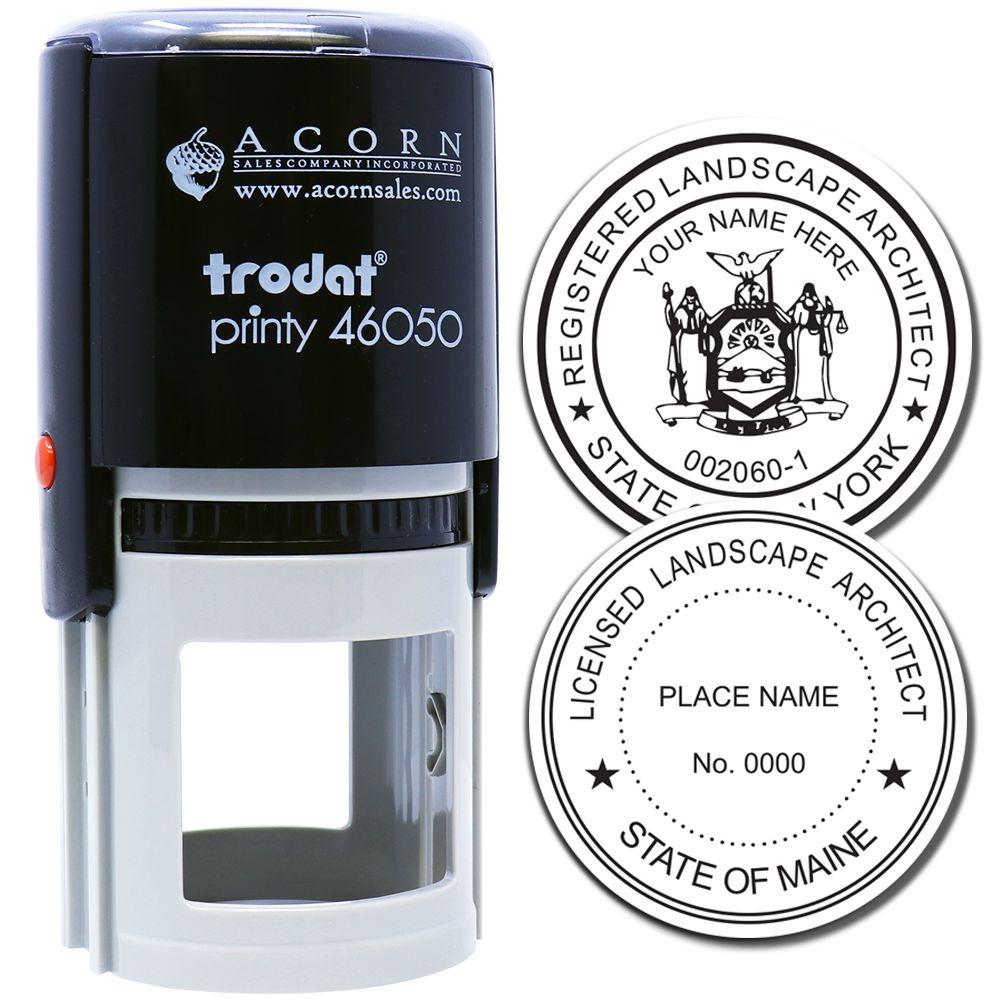

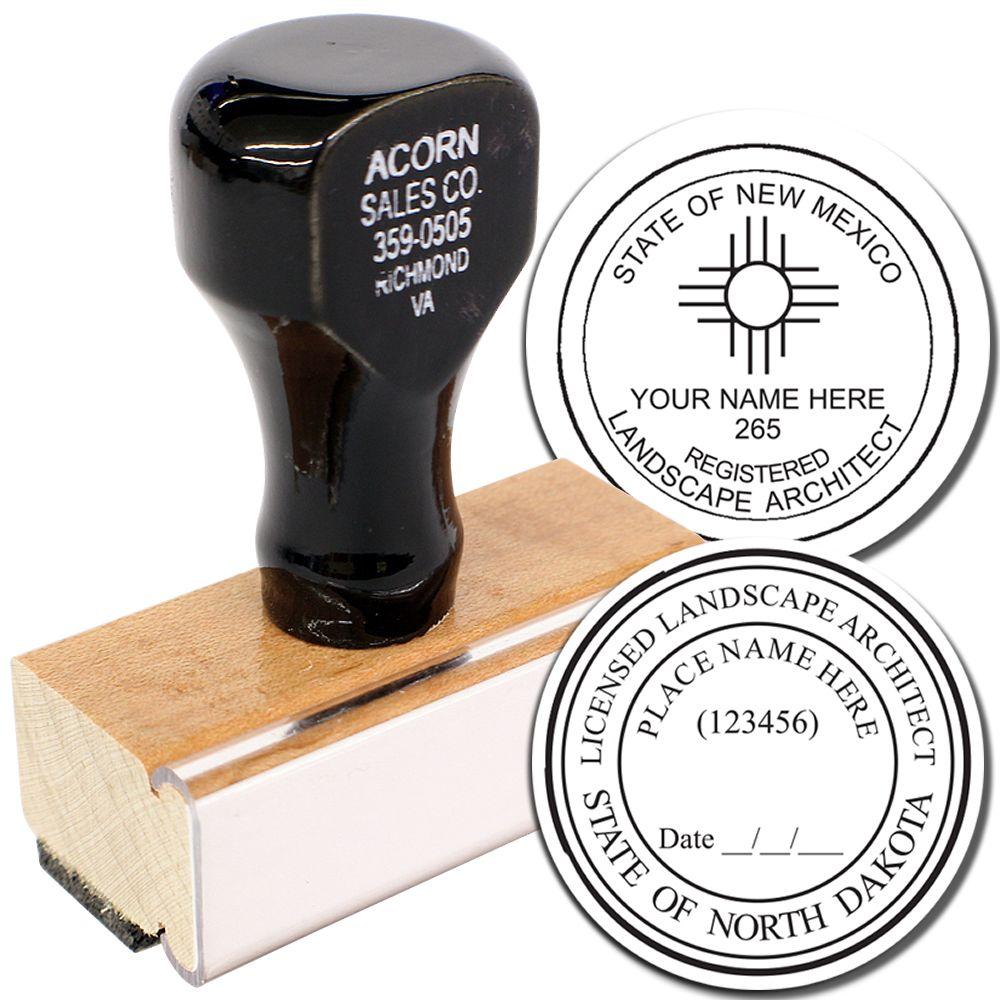



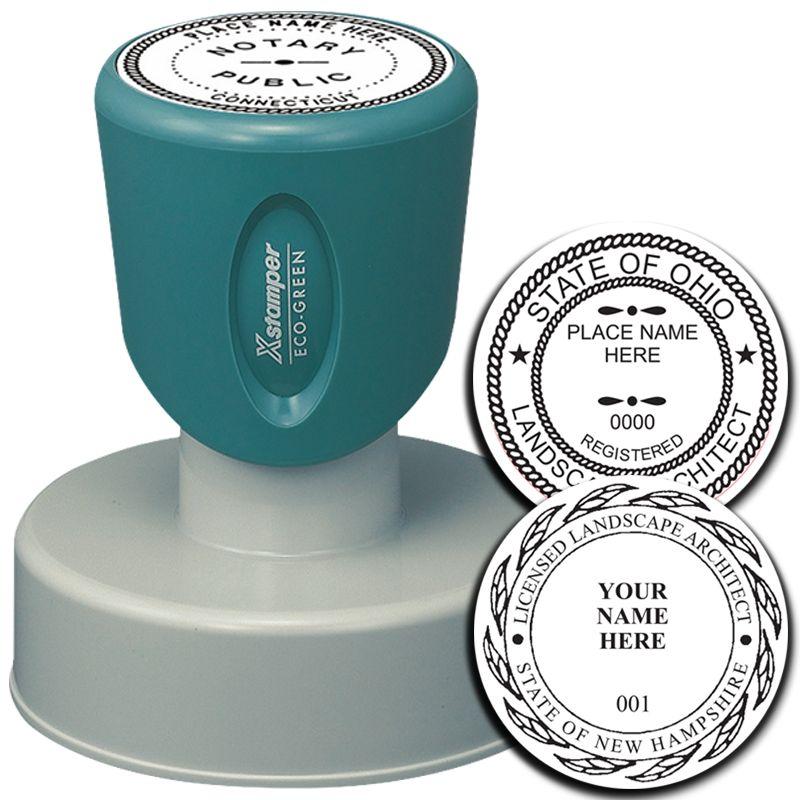

Is a seal required in Connecticut?
Conn. Gen. Stat. § 20-372(b) tracks the architect statute almost word for word. Each licensed landscape architect “shall have a seal approved by the board, which shall contain the name of the landscape architect and the words ‘licensed landscape architect, state of Connecticut’, and such other words or figures as the board may deem necessary.” The duty follows: “Working drawings or reports prepared for plans or projects which by the terms of this chapter shall be prepared by a licensed landscape architect shall be stamped with the seal of the landscape architect.” The same subsection bars anyone from designating or implying authorship of such drawings or reports unless in responsible charge of their preparation, whether made personally or under immediate supervision.
What must appear on the seal
- The words “STATE OF CONNECTICUT” around the upper arc
- Your place name on a second line beneath it
- A serrated outer border of fine radial ticks
- A five-pointed star at each side, on the horizontal centerline
- The Connecticut state coat of arms, the shield of three grapevines above the ribbon reading Qui Transtulit Sustinet, in the center
- The words “LICENSED LANDSCAPE ARCHITECT” around the lower arc
- Your license number beneath the legend, in the form “No. 123456”
- A dotted inner ring enclosing the center block
The list above is Acorn’s own production artwork, not a published specification. It is what we cut and ship for this credential, and it is offered as a starting point rather than as the rule. As for what the state itself publishes: Two fixed elements and an open delegation, exactly as for Connecticut architects. The statutory legend is printed in lower case in the General Statutes, “licensed landscape architect, state of Connecticut,” and boards conventionally set it in capitals on the artwork; take the casing from the board-approved specimen rather than inventing it. The license number is not named in the statute and comes in, if at all, through the design the board approves. Do not letter the architect legend from § 20-293 on a landscape architect device; the two statutes are deliberately parallel and the words are the only thing distinguishing the devices.
Size and shape
This is what Acorn actually makes for Connecticut, taken from our own production artwork rather than from a published rule. Section 20-372(b) requires a seal approved by the board and prescribes no diameter, shape or proportion, and the Department of Consumer Protection publishes none. What follows is the die we cut. The printed die measures 1-1/2 inches across, drawn inside a guide circle a shade over that, so 1-1/2 inches is the figure to work from. That is the same plate size across all three Connecticut credentials we cut, which is worth knowing because Connecticut delegates the design to three different boards and none of them prints a diameter.
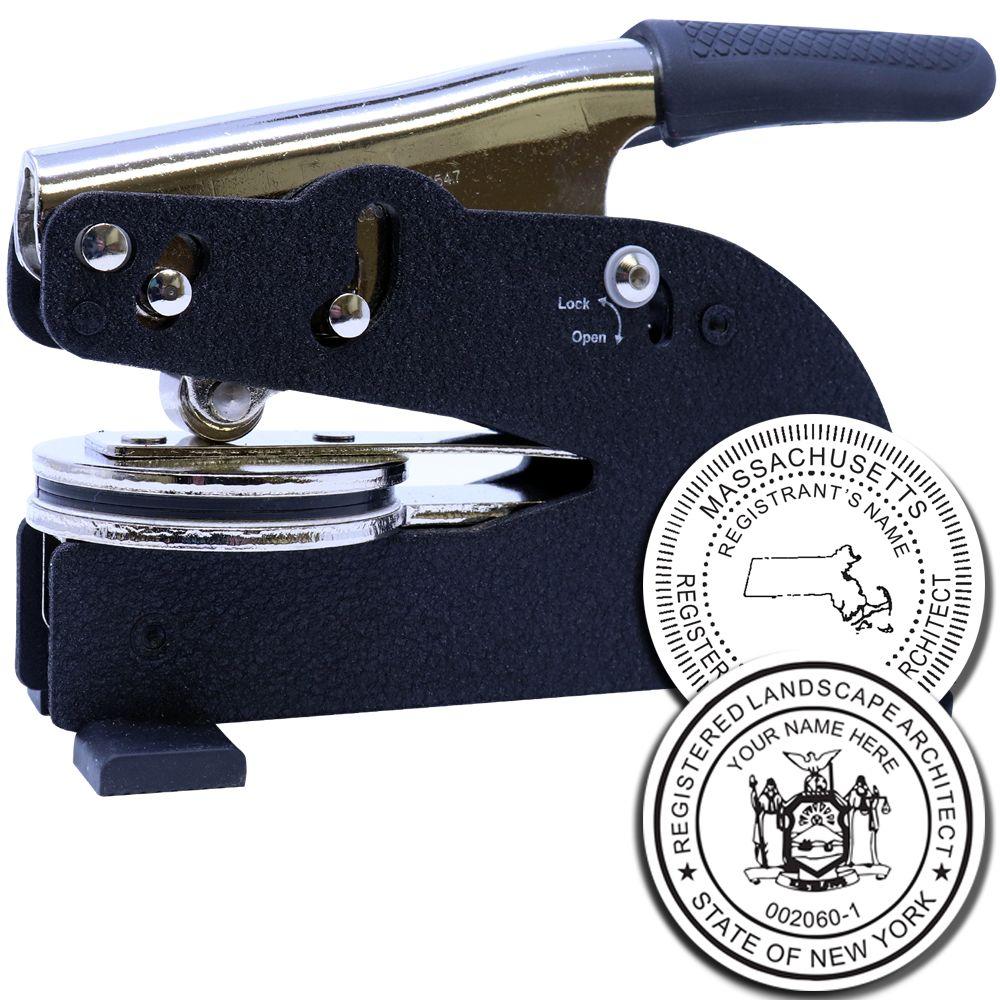







Embosser, rubber stamp or digital
Not addressed. Chapter 396 speaks of drawings and reports being “stamped with the seal” and names no device; the words embossed, rubber stamp, facsimile and electronic do not appear. The sources here are §§ 20-367 through 20-376. Because the operative verb is stamped and because the seal must read on the drawings and reports a client or an agency receives, an inked stamp cut to the board-approved design is the safe buy.
Signing and dating
Not addressed in the statute. Section 20-372(b) requires the seal and regulates authorship, and says nothing about a signature, a date, or placement. The sources here are §§ 20-367 through 20-376. The Department of Consumer Protection does, however, publish a Licensee Responsible for Signing and Sealing form for professional firms, which indicates that signing and sealing practice is administered at firm level; ask the Department for the current form before assuming the seal alone is enough on a firm-issued document.
Two Connecticut statutes, written to the same template, with different words
Conn. Gen. Stat. § 20-293 and § 20-372(b) are close to identical in structure. Both require a seal approved by the board, both fix the name and a legend, both allow the board to add other words or figures, and both make the sealing duty attach to the working drawings the chapter requires the professional to prepare. The only reliable difference on the face of the device is the legend: “Licensed Architect, State of Connecticut” against “licensed landscape architect, state of Connecticut.” In a combined practice that is a real risk of a wrong stamp on a right drawing.
Which documents must be sealed
Working drawings or reports prepared for plans or projects which chapter 396 requires a licensed landscape architect to prepare. Section 20-369 sets the license requirement for practice, § 20-367 defines the practice, and § 20-376 carries the exemptions. The chapter states no preliminary or draft carve-out and no bound-set concession of the kind the engineer and land surveyor regulation gives at Regs. Conn. State Agencies § 20-300-10(a).






Electronic and digital seals
Not addressed. Chapter 396 contains no electronic or digital seal provision and names no technology, certificate authority or verification standard. The sources here are §§ 20-367 through 20-376. The NIST Digital Signature Standard requirement Connecticut imposes at Regs. Conn. State Agencies § 20-300-10(c) is adopted under chapter 391 for engineers and land surveyors and does not on its face reach a landscape architect. Treat an electronic Connecticut landscape architect seal as a question for the board.
Renewal, lapse and retirement
Section 20-372(a) provides that “Licenses to practice landscape architecture shall remain in full force until revoked or suspended for cause, as provided in section 20-373,” with fees and continuing education under § 20-374 and disciplinary action under § 20-373. Section 20-372(a) also makes the issued license evidence that the named person is entitled to the rights and privileges of a licensed landscape architect while it remains valid, and requires the Department to keep a public record of licensees. Not addressed: whether the license number changes on reinstatement, and whether a seal must be surrendered or destroyed on revocation. Checked §§ 20-372 through 20-374.
Firm requirements
Corporate and limited liability company practice is permitted and regulated, at Conn. Gen. Stat. § 20-369a, headed practice of landscape architecture under corporate form or by a corporation or limited liability company employing licensed landscape architects. The Department of Consumer Protection separately issues a Landscape Architect Firm credential and publishes a Licensee Responsible for Signing and Sealing form for professional firms. The firm gets no seal of its own, and § 20-372(b) puts the seal on the individual licensed landscape architect. Whether a firm credential number must appear on a sealed document is not addressed in chapter 396.
What to check before you order
Ask the State Board of Landscape Architects for the seal design it approves before ordering, because Conn. Gen. Stat. § 20-372(b) requires a board-approved seal and Connecticut publishes no dimension or layout. The statute fixes your name and the words licensed landscape architect, state of Connecticut, and lets the board require other words or figures, which is usually where the license number comes from. Buy an inked stamp, because the statute speaks of drawings and reports being stamped. Seal the working drawings and reports that chapter 396 requires a licensed landscape architect to prepare. If you work through a firm, ask the Department for its current Licensee Responsible for Signing and Sealing form; the firm has no seal of its own and yours is the one that goes on the sheet.
Browse landscape architect stamps and seals.
Frequently asked questions
Is a seal required for landscape architects in Connecticut?
Yes. Conn. Gen. Stat. § 20-372(b) requires each licensed landscape architect to have a seal approved by the board, and provides that “Working drawings or reports prepared for plans or projects which by the terms of this chapter shall be prepared by a licensed landscape architect shall be stamped with the seal of the landscape architect.” The same subsection bars anyone from designating or implying authorship of such drawings or reports unless in responsible charge of their preparation, whether made personally or under immediate supervision.
What has to appear on a Connecticut landscape architect seal?
Two fixed elements and an open delegation: your name, the words licensed landscape architect, state of Connecticut, and such other words or figures as the board may deem necessary. The statutory legend is printed in lower case in the General Statutes and boards conventionally set it in capitals on the artwork, so take the casing from the board-approved specimen rather than inventing it. Do not letter the architect legend from § 20-293 on a landscape architect device. Acorn’s own production artwork carries STATE OF CONNECTICUT on the upper arc with the place name beneath it, LICENSED LANDSCAPE ARCHITECT on the lower arc with the license number beneath that, the Connecticut coat of arms, the three-grapevine shield over the Qui Transtulit Sustinet ribbon in the center, a star at each side, a dotted inner ring and a serrated outer border. That is what we cut, not a published specification.
What size is a Connecticut landscape architect seal?
Connecticut does not state one. Section 20-372(b) requires a seal “approved by the board” and prescribes no diameter, shape or proportion, and chapter 396 adds nothing. The state takes the same approach with architects at § 20-293 and with engineers and land surveyors at Regs. Conn. State Agencies § 20-300-10(a). Build from the board-approved specimen. Acorn’s own production artwork for this seal prints at 1-1/2 inches across, the same plate we cut for Connecticut architects and land surveyors. That is our production record rather than a published rule, so the board remains the authority if it later publishes a figure.
Stamp or embosser for a Connecticut landscape architect?
The chapter names no device. It speaks of drawings and reports being “stamped with the seal,” and the words embossed, rubber stamp, facsimile and electronic do not appear anywhere in §§ 20-367 through 20-376. Since the operative verb is stamped and the seal has to survive reproduction on drawings and reports, an inked stamp cut to the approved design is the practical choice.
Does a Connecticut landscape architect have to sign and date a sealed drawing?
The statute does not say. Section 20-372(b) requires the seal and regulates authorship, and says nothing about a signature, a date or placement. The Department of Consumer Protection does publish a Licensee Responsible for Signing and Sealing form for professional firms, which indicates that signing and sealing practice is administered at firm level, so ask the Department for the current form before assuming the seal alone is enough on a firm-issued document.
Which Connecticut documents have to be sealed?
Working drawings or reports prepared for plans or projects which chapter 396 requires a licensed landscape architect to prepare. Section 20-369 sets the license requirement for practice, § 20-367 defines the practice, and § 20-376 carries the exemptions. The chapter states no preliminary or draft carve-out and no bound-set concession of the kind the engineer and land surveyor regulation gives at Regs. Conn. State Agencies § 20-300-10(a).
Can I seal electronically in Connecticut?
Chapter 396 contains no electronic or digital seal provision and names no technology, certificate authority or verification standard. The NIST Digital Signature Standard requirement Connecticut imposes at Regs. Conn. State Agencies § 20-300-10(c) is adopted under chapter 391 for engineers and land surveyors and does not on its face reach a landscape architect. Treat an electronic Connecticut landscape architect seal as a question for the board rather than as settled.
Does a Connecticut landscape architect license expire?
Not on a calendar. Section 20-372(a) provides that “Licenses to practice landscape architecture shall remain in full force until revoked or suspended for cause, as provided in section 20-373,” with fees and continuing education under § 20-374. That is a different structure from the annual expiry Connecticut applies to architects under § 20-292 and to engineers and land surveyors under Regs. Conn. State Agencies § 20-300-11. Whether the license number changes on reinstatement, and whether a seal must be surrendered on revocation, are not covered by the chapter.
Does a Connecticut landscape architecture firm get its own seal?
No. Corporate and limited liability company practice is permitted and regulated at Conn. Gen. Stat. § 20-369a, and the Department of Consumer Protection separately issues a Landscape Architect Firm credential, but the firm gets no seal of its own. Section 20-372(b) puts the seal on the individual licensed landscape architect. Whether a firm credential number must appear on a sealed document is not covered by chapter 396.








