
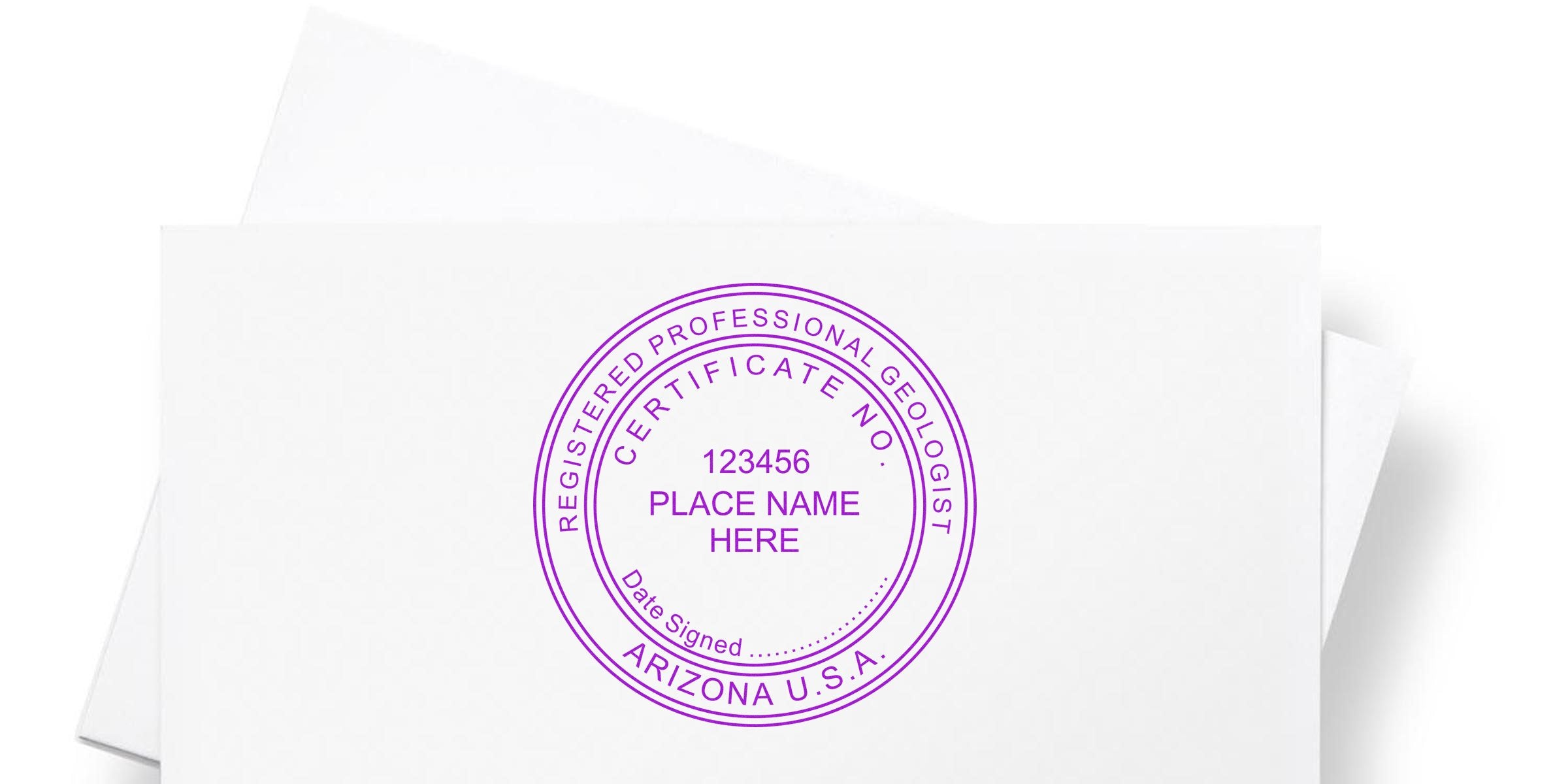
Discover Arizona Geologist Seals
Are you gearing up for your geology practice in Arizona? Chances are you’ll need a custom geologist seal for Arizona documents and project submissions. This official mark confirms your professional credentials, assures clients that your work meets state standards, and helps the licensing board identify you as a legitimate geologist. In short, having the correct seal is more than just a rubber stamp—it’s a mandatory step in validating your expertise.
You might be wondering who needs one. If you’re planning to submit site evaluations, geological reports, or any official paperwork, the Arizona regulatory authorities typically require you to stamp or emboss your seal. That’s why it’s crucial to understand what this seal entails, how it’s used, and where to get it. When you’re juggling client deadlines and fieldwork, knowing these details upfront can save you plenty of time and confusion later.
Below, you’ll find straightforward tips on meeting Arizona’s geologist seal requirements. We’ll explore the significance of your seal, the relevant guidelines to follow, and how to ensure your documentation passes muster with state regulations. Let’s dig in so you can focus on what you do best—delivering valuable geological insights.
Meet State Requirements
To keep everything on track, you’ll need to align your seal creation and usage with Arizona’s official rules. Arizona’s State Board of Technical Registration typically oversees these standards. You can expect precise guidelines for the seal design, including elements like:
- Your full name as registered with the board.
- Your license or registration number.
- “Professional Geologist” or a similar designation to confirm your credentials.
Make sure you double-check the dimensions set by the board. Some states specify stamp diameter, allowable fonts, or exact wording. Arizona usually requires a seal that’s legible at common document sizes, so you don’t run into any readability issues. If you’re unsure about measurements, it never hurts to review the most up-to-date guidelines on the state board’s website.
How to Stay Compliant
If you want to remain in good standing, use your seal only when you’ve prepared or supervised the work in question. For example, if you’re signing off on a geotechnical report, ensure you’re the one who led the investigation or verified every section’s accuracy. Then, apply your seal and signature in the designated area, typically near your final signoff. This keeps your documentation aligned with professional standards and demonstrates due diligence.
Documenting Changes
It’s also wise to plan for revisions. If your report or drawing is updated, you might need to reapply your seal to confirm the changes. Think of your seal as your personal stamp of approval that each version of the document meets the same rigorous standards. Whenever you revise or expand your materials, make sure any newly added pages also receive the official seal so there’s no confusion about your involvement.
Choose a Trusted Supplier
Once you’re clear on the rules, it’s time to pick a supplier. Because your seal is a professional requirement, you’ll want a company with a strong track record in producing official seals. One name you can turn to is Acorn Sales. We’ve been a trusted supplier of high-quality stamps and seals since 1964, and we know our way around Arizona regulations.
Why Acorn Sales?
When it comes to reliability, we offer:
- Stamps and seals that meet state specifications.
- Durable materials that stand up to daily use.
- A responsive team ready to answer your compliance questions.
We also include a free digital seal with your purchase, making it easier to stamp electronic reports or forms. This is particularly helpful if you often submit documents online and want a consistent look across digital platforms. We know that in a fast-paced industry, quick turnaround times and top-notch customer service can save you headaches and keep your projects on schedule.
Browse Specific Options
In Arizona, many geologists lean toward self-inking stamps, pre-inked stamps, and embossers. Each option has its pros:
- Self-inking stamps: Provide a clean impression and last for thousands of uses.
- Pre-inked stamps: Offer crisp, highly detailed prints, ideal for small text.
- Embossers: Create a raised imprint that is especially tamper-resistant.
If you need more info on the precise design or the differences between an Arizona geologist stamp and an embosser, check out our related resource at arizona geologist stamp. There, you’ll find a breakdown of available styles, plus tips on choosing the right one for your workflow.
Decide on Physical or Digital
Not every geologist’s needs look the same. Some prefer the dependability of a physical seal, while others lean heavily on a digital format. Whichever route you choose, it’s good to understand how each form aligns with Arizona regulations and typical business practices.
Physical Stamps
A physical stamp is great if you regularly submit paper documents, like site reports or test results, to state agencies or clients. When you hold that stamped page in your hand, there’s an undeniable sense of legitimacy. Physical stamps and embossers also leave a tactile impression, making any tampering more obvious.
If you go with a physical stamp, check that it:
- Fits standard legal or letter-sized pages.
- Offers crisp edges for quick scanning.
- Uses ink that won’t fade or smudge excessively over time.
Digital Seals
On the other hand, a digital seal is perfect for electronic submissions. This can be a simple image file with an exact replication of your official design. It’s key to store this file securely so nobody else uses it without your permission. Some geologists even use specialized design software to layer the seal on PDF documents for a clean, professional look.
Remember that digital options must meet the same content requirements as physical ones. Just because it’s electronic doesn’t mean the state board is less strict about what appears in the seal. The rules about your name, license number, and any relevant wording remain the same. By having both digital and physical versions, you can cover all bases and keep every document properly stamped.
Ensure Proper Usage
Once you’ve got your custom seal, how do you make sure you’re applying it correctly in everyday practice? Using your seal can be as simple as stamping or embossing, signing your name, and dating the document. But there are a few extra points to keep in mind so you don’t run into any compliance snags.
Placement for Clear Visibility
Place the seal in a spot that won’t be cropped or covered when documents are bound or scanned. Typically, you’d stamp near the bottom-right corner or close to your signature line. Legibility is crucial—decision-makers and state board reviewers need to see your name, number, and title clearly.
Maintain Readability
Over time, stamps can wear out, and digital files might degrade in quality if repeatedly converted or resized. If your seal starts looking fuzzy, or if your embosser no longer creates a sharp raised image, think about replacing or refreshing it. It’s better to invest in a new stamp occasionally than to battle with smudgy or illegible submissions.
Keep Security in Mind
Still, you want to protect your official mark. It represents your professional authority, so it’s not a good idea to let just anyone access it. For instance, store physical stamps in a locked drawer or cabinet. With digital seals, password-protect the files or use encryption. This ensures your seal remains authentic and helps you avoid unexpected liability if someone else uses it without your consent.
Rely on Acorn Sales
Finding a provider that understands your profession’s requirements can simplify your entire process. With Acorn Sales, you’re not just getting a piece of rubber or a few pixels—you’re gaining a partner in compliance. We’ve been in business since 1964, and during those decades we’ve seen quite a range of changes in state regulations and professional needs.
Our History and Benefits
When you work with us, you’ll notice a few perks right away:
- We understand Arizona’s standards for geologist seals.
- We maintain a broad catalog that caters to multiple professional boards.
- We stand by the quality of our products, offering guidance on design and usage.
We pride ourselves on balancing tradition and innovation. Physical stamps and embossers have been around forever, but we also recognize how commonly you submit digital documents today. That’s why we include a free digital seal with every purchase. Think of it as our way of helping you keep up with the latest industry practices.
Free Digital Seal Included
Is your next submission an electronic PDF? You’re covered. If the state board or your client wants a physical copy with a raised impression, Acorn Sales has that too. By offering both formats, we make sure you stay one step ahead of the game without scrambling to find another supplier. We’re happy to answer any questions on usage, design updates, or reorders, so you can focus on your core geological work.
Follow Best Practices
Since your geologist seal is a key marker of professionalism, you’ll want to follow best practices that go beyond basic rules. While the state board dictates the required elements, practical tips can keep you organized and confident in your daily tasks.
Mark Each Document
Always double-check which sheets or appendices need your seal. In some cases, only specific sections of a broader report must be sealed. By labeling each page that needs certification, you reduce the risk of missing pages that later cause compliance concerns.
Use a Consistent Process
Try setting up a small routine:
- Perform a final quality review of your report.
- Stamp or embed your seal.
- Add your signature and date.
- Save a copy for your own records.
This systematic approach helps you catch mistakes and ensures that every final version is properly authorized.
Keep a Backup
If you rely on a digital seal, have a spare copy in a secure cloud or external drive. Meanwhile, you might also keep a second physical stamp in your locked office. Accidents can happen. If you misplace your primary seal, at least you have a backup ready to go.
Final Thoughts
Obtaining the proper seal might feel like a formality, but it’s a pivotal component of your professional practice. By investing in a reliable custom geologist seal for Arizona and understanding exactly how to use it, you keep your work credible and maintain a good rapport with the licensing board. Remember that clarity, consistency, and security are your best allies. Every time you stamp or emboss your documents, you’re signaling your integrity and expertise as a geologist.
When you’re looking for a partner to streamline this process, remember Acorn Sales is here to help. We’ve been around since 1964, supplying geologists like you with quality seals that align with Arizona’s standards. From physical options to free digital seal files, we have you covered. That way, you can focus on what matters most—delivering trustworthy geological insights that keep your projects moving forward.
Frequently Asked Questions
Do I Really Need a Custom Geologist Seal in Arizona?
Yes, the Arizona State Board of Technical Registration requires licensed geologists to affix an official seal on documents they prepare or supervise. This seal validates your professional credentials and helps the board maintain consistent standards for public safety.
Can I Use a Digital-Only Seal for All My Submissions?
You can use a digital seal for many official e-documents, as long as it meets the same layout and content requirements. However, certain agencies or clients may still request physical copies with an embossed mark or ink stamp. Verify the specific requirements for each submission.
How Do I Keep My Seal Secure?
Store physical stamps in a locked drawer or office. Digital files should be password-protected, and you might use encryption for added safety. Restrict authorized users to avoid any unauthorized stamping.
What If the State Updates Its Requirements?
Regulations can change over time. It’s a good idea to periodically review board announcements or newsletters. If design specifications shift, you may need to order a new seal or update your digital file to stay fully compliant.








