
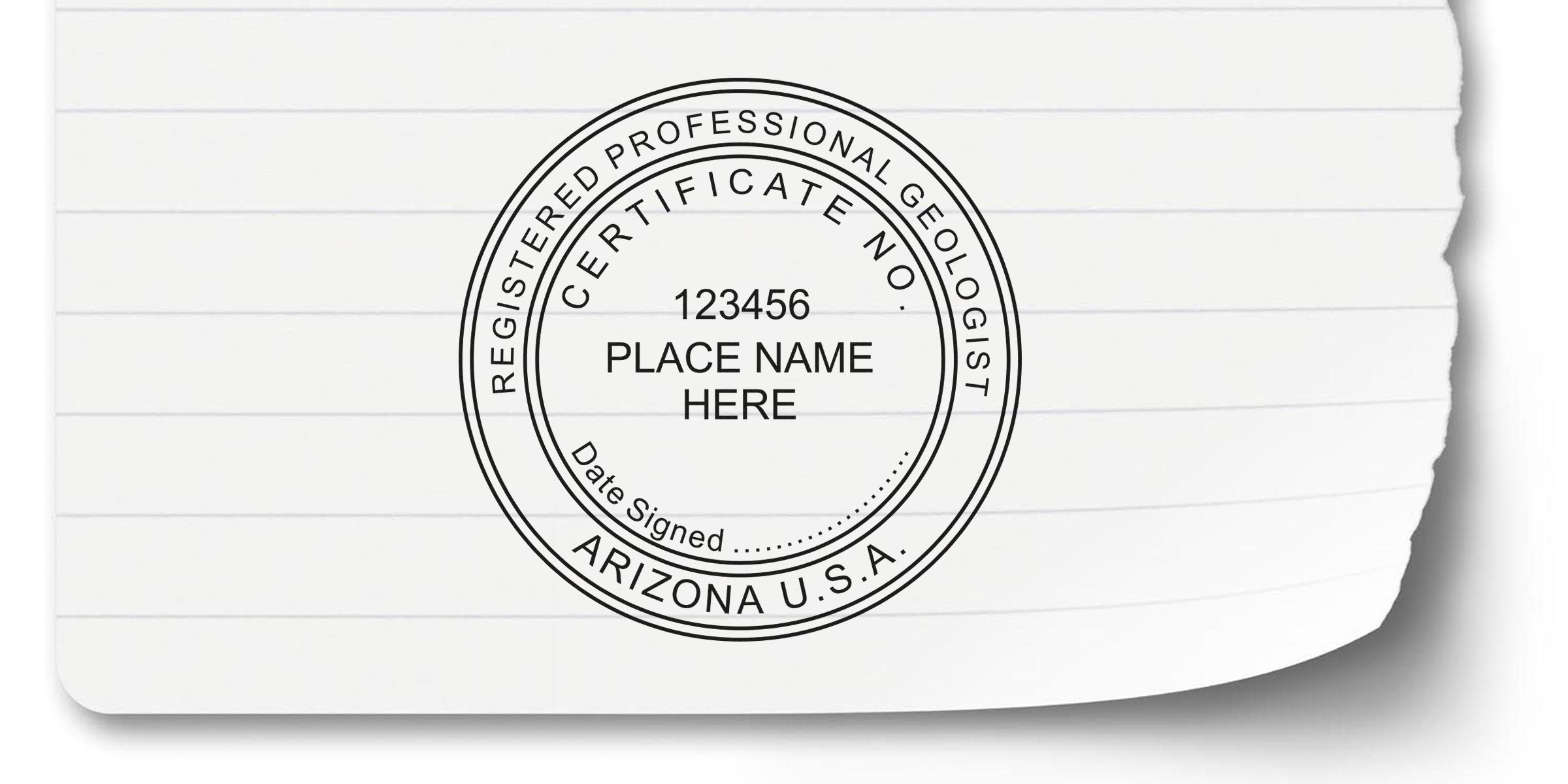
From the moment you decide to practice geology in Arizona, you’ll hear about the importance of meeting the state’s stamping requirements. Arizona geologist stamp guidelines aren’t just bureaucracy; they’re a foundational piece of your professional identity. Think of them like your personal seal of authenticity—once you have yours, you’re telling clients, colleagues, and regulatory bodies, “I’ve got the credentials, and I’m ready to do the job the right way.”
The process of understanding and following these guidelines can feel a bit confusing at first. But don’t worry—I’m here to walk you through the steps, clarify key points, and help you feel confident creating or updating your Arizona Geologist Stamp or Seal. By the end, you’ll know what the guidelines are, why they matter, and how to stay compliant without overcomplicating your workflow.
Understand Regulatory Requirements
Arizona sets specific standards for geologists who want to offer professional services. Fulfilling these standards ensures that your documents and drawings carry the official stamp or seal verifying your licensure. Regulatory bodies, such as the Arizona State Board of Technical Registration, define how your seal or stamp must look and how you should use it in practice.
What the Board Expects
You might be wondering, “Why does the Board have so many rules?” The short answer is to protect the public. When a geologist signs and stamps a report or plan, it implies that the document meets established scientific or technical standards. The Board wants to ensure each stamped piece of work is credible and can be trusted. That includes:
- Proper licensing of the professional who owns the stamp.
- Consistent format in the seal design, ensuring it’s easily recognized.
- Clear evidence of personal involvement or direct supervision over the work.
Even digitally submitted documents, like online reports, must reflect genuine credentials. That’s why many geologists choose to use a digital seal in addition to a physical stamp. We’ll get into digital options shortly, so keep reading if that’s on your radar.
Rule Highlights
Arizona has clear guidelines on dimensions and text for professional seals. You’ll often see that the seal or stamp must include:
- Your name exactly as it appears on your license.
- The term “Registered Geologist” or a similar reference.
- Your license or registration number.
- An official emblem or border that meets state standards.
Before you order any new stamp, please confirm with the Board that you’re using the most up-to-date format. Regulations can change over time, and you’ll want to stay current to avoid any compliance hiccups. If you need a quick refresher on official shapes, permissible variations, or color preferences, your state board’s website is a dependable resource. Alternatively, a trusted supplier can also guide you to the correct imprint design.
Design Your Geologist Stamp Or Seal
When you’re ready to create the physical representation of your profession, a well-designed stamp or seal can make your documents look polished and official. It’s not just about slapping your name and license number onto a circle. Rather, this design element should reflect the pride you have in your profession.
Top Elements to Consider
- Border and Layout: Most Arizona stamps use a circular format with an official border. Make sure the circles and text spacing comply with state standards.
- Font Style and Size: A clear, readable font is non-negotiable. Some boards specify certain font styles, so double-check any mandated details.
- Ink Options: Many professionals use dark ink (like black or blue) for clarity on printed and scanned documents.
- Durability: Select a stamp construction that can withstand repeated use. Look out for comfortable handles and robust materials, so your stamp won’t fade or wear out after a few months.
Remember, it’s usually better to invest in a high-quality design once rather than risking rejections from authorities. A small misalignment or the wrong style can cause headaches down the line—both in redoing the stamp and in potential regulatory issues.
Physical vs. Digital Seals
Physical stamps remain very popular for their simplicity—just press and you’re done. But digital seals are also becoming more common. They can reduce paper usage, especially for documents circulated online. In Arizona, electronic seals are acceptable if they meet security measures, such as password protection, so no one can alter them without your knowledge. If you’re looking to upgrade your workflow, consider adding a digital seal to your toolkit as well.
Follow Proper Usage Steps
Getting the right stamp design is only half the story. You also need to know how to apply the seal correctly. If you ever find yourself unsure about the process, take a moment to confirm the steps—this avoids misapplication, which could raise questions about your professionalism or lead to rejected documents.
Signing and Dating
Every time you stamp a document, it’s essential that you sign and date alongside the stamp. This practice verifies that you’re standing by the document’s content as of a specific moment in time. Without a signature, the stamp alone doesn’t hold its full weight.
Supervisory Oversight
Did you know that Arizona requires direct supervision by the registered professional geologist on any work that you stamp? That means you can’t stamp plans or reports if you only had a minor role. Ensure you’ve actively participated in the data collection, interpretation, or report preparation.
Handling Revisions
If you need to revise a document, you’ll usually have to re-stamp and re-sign. This requirement ensures each update is tied to a licensed geologist. Yes, it can be a bit tedious, but it’s a standard practice to maintain the integrity of the record.
Choose a Trusted Supplier
With numerous online shops offering professional stamps, how do you find one that’s truly reliable? You want a partner who understands Arizona geologist stamp guidelines, uses durable materials, and provides top-notch customer service. Enter Acorn Sales.
We at Acorn Sales have been serving professionals like you since 1964, focusing on quality, clarity, and trustworthiness. We take pride in offering:
- Product Durability: Long-lasting stamps and seals made from dependable parts.
- Up-to-Date Compliance: Designs that meet Arizona’s current layout requirements.
- Personalized Service: Answers to your questions regarding deadlines, design changes, and special requests.
- Free Digital Seal: If you’d like a digital version of your seal along with your physical stamp, we’ve got you covered at no extra cost.
Because we understand the nuances of regulatory compliance, our goal is to make sure your stamp is right the first time. That means no tedious back-and-forth, and more time for you to focus on actual geology work.
Explore Your Stamp Options
When you’re ready to order, you’ll find several styles. Let’s break them down:
-
Pre-Inked Models
- Best for professionals who need crisp, high-quality impressions.
- Ink is stored within the stamp, so you get consistently bold markings without re-inking.
-
Self-Inking Styles
- Convenient choice if you frequently stamp documents.
- An internal ink pad refreshes automatically between each impression.
-
Traditional Rubber Stamps
- Require a separate ink pad.
- Often more budget-friendly, but can be a bit messier if you stamp often.
Choosing the right option often depends on how frequently you’ll use it and your personal preference for inking. If you handle multiple documents a day, a pre-inked or self-inking style might be your best friend. If cost is a concern and you don’t mind an ink pad, a traditional rubber stamp could do the trick.
And if you’re curious about going digital (or adding that element to your usual routine), remember that a free digital seal is typically included when you get an Arizona Geologist Stamp through Acorn Sales. This gives you two methods—physical and online—for marking and securing your professional documents.
Manage Digital Seals Securely
If you decide to use electronic sealing, make sure you’re aware of Arizona’s guidelines for digital documents. Some boards require advanced security features, such as password-protected PDFs or specialized e-signature software that tracks document changes. Also, watch out for local or client-specific policies. Certain organizations may demand a wet signature or physical stamp for archival purposes.
Setting Up a Digital Signature
- Invest in a reputable e-signature platform.
- Use a strong password or multi-factor authentication to protect your digital seal files.
- Store your signature and seal in a secure folder with controlled access.
Within that secure setup, you’ll still follow the usual stamping norms: you sign, you date, and you ensure the content meets standards. The only difference is you’re applying a digital image rather than pressing down with an inked stamp.
Maintain Compliance Over Time
The last thing you want is to discover you’ve been using an outdated seal for a couple of years. Regulations can shift, and you might miss an update amid your busy day-to-day routine. To avoid that scenario, pencil in a brief compliance check once a year. Confirm whether any new legislation or board directives have changed the seal requirements. If you spot an update, address it quickly:
- Contact your trustworthy stamp supplier to discuss design changes.
- Double-check any references to your license status or number.
- Update your digital seal file if you use one.
This single practice can save you from scrambling should you discover a major revision weeks or months after it takes effect.
Keep Records Organized
Good documentation habits aren’t just about having the right stamp. You should also keep a log or archive of your stamped items. This is helpful if someone later questions the validity or scope of your work.
Simple Record-Keeping Steps
- Scan or save digital copies of each stamped document in a folder.
- Maintain a spreadsheet that notes the date, project name, and a brief description of the work.
- For large projects, organize documents by phases, so you can easily confirm you stamped the correct version at each key milestone.
If you’re ever audited or need to reference past projects, you have everything in one place. It’s a simple habit that pays off in peace of mind.
Anticipate Common Missteps
Even with the best intentions, you can run into hiccups. Maybe your seal design angles are off by a few degrees, or your digital signature file gets corrupted. Here’s a quick look at pitfalls to avoid:
- Using Old Seals: Double-check that your seal hasn’t been updated by the Board.
- Fuzzy Stamp Impressions: If your stamp is wearing out, replace it promptly so your mark is always clear.
- Skipping the Signature: Never rely on the stamp alone—always sign, date, and ensure you supervised the work.
- Poor Digital Security: If you use a digital seal, keep it protected via passwords, encryption, or secure cloud solutions.
Staying vigilant protects your professional reputation and shows that you take the state’s guidelines seriously.
Recap the Essentials
Being a licensed geologist in Arizona means more than knowledge of rock formations and groundwater flow. It also includes understanding and applying Arizona geologist stamp guidelines so your work is accredited, recognized, and always above board. Your stamp or seal may seem like a small detail, but it’s a vital key to unlocking trust with clients and authorities alike.
Let’s briefly recap:
- Study the board’s requirements, from design details to usage protocols.
- Decide whether physical, digital, or both stamp formats are right for you.
- Keep your design updated and confirm your seal is crystal-clear every time.
- Partner with a reputable stamping service that offers compliance support and stands behind their products—like Acorn Sales, providing stamps since 1964.
- Maintain a robust record-keeping system that archives all your stamped documents.
If you stick to these principles, you’ll navigate the guidelines smoothly and focus on what really matters: your expertise in geology and the valuable services you provide.
By following these practices, you’ll simplify your compliance journey and keep your professional materials up to par. Now that you’ve got a handle on Arizona geologist stamp guidelines, why not review your current stamp, plan your next purchase, or explore whether digital sealing could streamline your workflow? You’ve got the know-how—the next step is putting it into action.
Frequently Asked Questions
Do I Need a Digital Seal or Is a Physical Stamp Enough?
Both forms are valid in Arizona, provided they meet state guidelines. You can certainly use just a physical stamp if you prefer. However, a digital seal is handy for online submissions and can speed up paperwork.
How Often Should I Update My Stamp?
If the state board changes formatting or your license information changes, you should update your stamp right away. Otherwise, check at least once a year to ensure you’re still compliant.
What If My Stamp Impression Looks Faded?
Faded impressions can lead to document rejections. Consider replacing the ink pad, re-inking, or ordering a new stamp if the impression remains unclear.
Does Acorn Sales Provide a Free Digital Seal With Purchase?
Yes, we do. We’ve been helping professionals like you since 1964, and we know how important it is to have a convenient digital option. It’s included free of charge when you order a physical stamp.








