
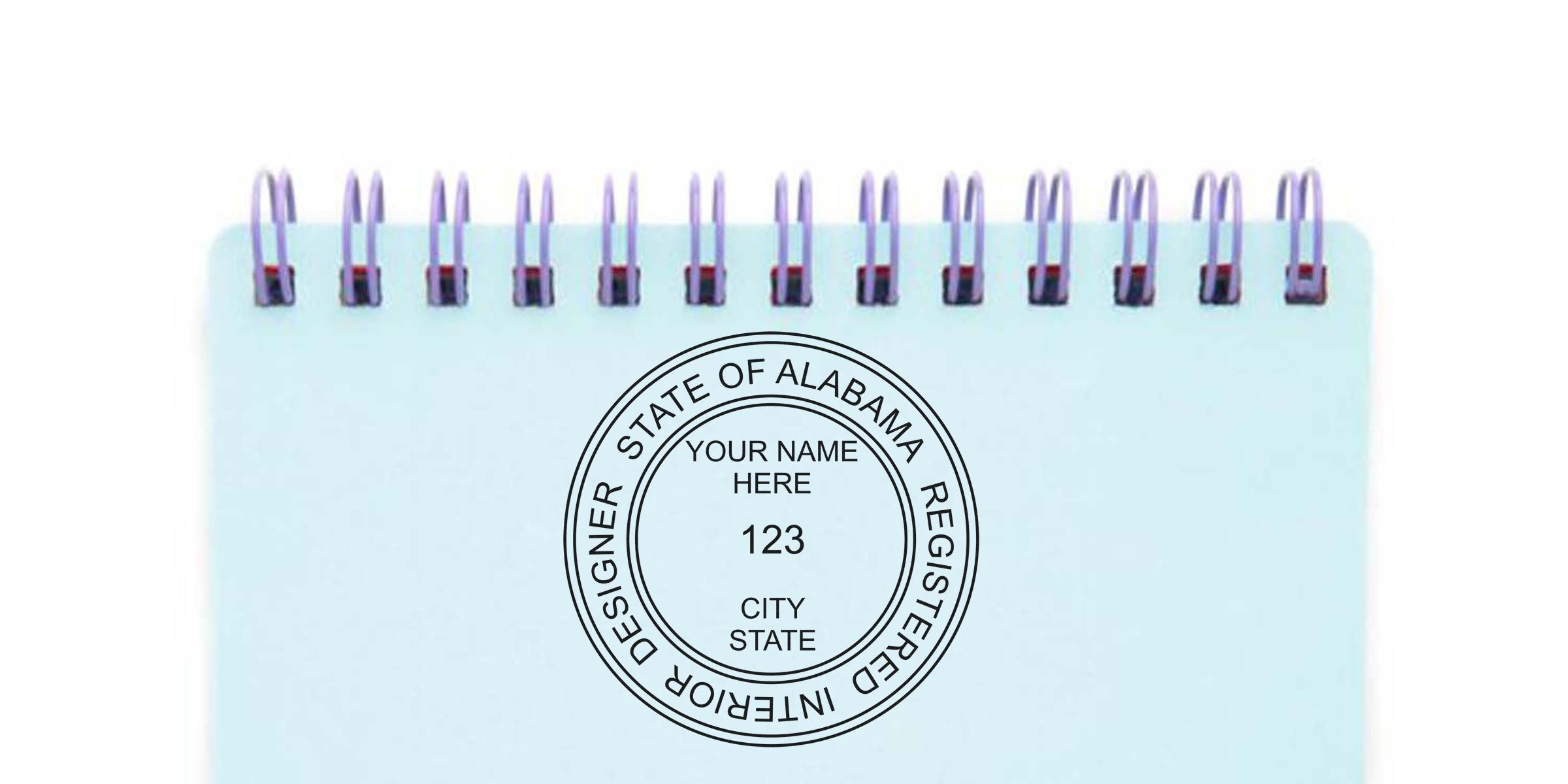
If you’ve ever wondered how to handle a custom interior designer seal Alabama requires, you’re in the right place. The process might sound complicated at first, but once you break it down into easy steps, it feels far more straightforward. In this guide, we’ll walk through the basics of meeting Alabama’s interior design requirements, gathering everything you need for your official seal, and finishing with a simple plan of action. By the end, you’ll know exactly where to start, who to contact, and why a trusted partner like Acorn Sales can make life simpler. Let’s get started.
Understand Alabama Requirements
The first piece of the puzzle is figuring out what the state actually demands from interior designers. Alabama may require a stamped or sealed document to confirm that your plans meet local rules. This seal is often your professional “signature,” signaling that you’ve met proper standards and are authorized to practice interior design in the state.
To confirm you’re on the right track, double-check:
- Your official Alabama interior designer license or registration status.
- Any guidelines issued by your licensing board that explain how your stamp or seal should appear.
- Specific size, content, or design formats for the seal.
Because regulatory details can change, it’s smart to check official sources or speak directly with Alabama’s professional board for interior designers. You want to confirm that you’re meeting the current guidelines, not last year’s.
Why Requirements Matter
When you place a seal on any official drawing or plan, you’re endorsing it, basically saying, “I’ve followed prescribed rules and standards.” That’s why the Alabama Board of Interior Design (and similar agencies) care about how your seal looks and how you apply it. It assures both clients and authorities that you’re doing things the right way.
Gather Your Needed Materials
Before getting into the fun part of crafting a personal seal, make sure you collect what you’ll need. Start with a basic checklist and keep it handy, so you don’t waste time hunting for missing pieces.
-
Official Alabama Interior Designer Registration Number
You might find it on your license or certificate. Keep it close, because it often goes right on the seal itself. -
Any Template or Artwork Requirements
Some boards outline the shape or text placement. If they do, note those specifics. -
Design Preferences
If you’re going for a custom design, consider which layouts, fonts, and symbols might suit your brand. Keep style consistency in mind. You want a seal that looks professional yet reflects your personal approach. -
Supplier Information
Before committing to a seal supplier, find out who’s known for quality and who can handle the custom details you want. This is where many designers turn to a reliable partner like Acorn Sales, well-known since 1964 for durable, high-quality stamps and seals.
Prepping Digital and Paper Documents
It used to be that official seals only existed in physical form. Now, digital stamps have become a must-have as well. Alabama often accepts electronic seals for certain submissions, which is handy if you’re working across locations. Keep in mind:
- You’ll need an electronic format that meets local guidelines.
- Consistency is key; your digital seal should match your physical one in both design and text.
- Always confirm which file type (JPEG, PNG, PDF, etc.) your licensing board prefers.
Create Your Custom Seal
Now comes the creative side. A custom interior designer seal for Alabama often feels like a personal brand statement. While the core design might be guided by the state’s regulations, you typically have room to add small touches that showcase your style.
Shape and Layout
Traditionally, circular seals are most common. You’ll often see the words “State of Alabama” along the outer ring and your name or license number in the middle. That said, rectangular or special shapes can sometimes be allowed, so always check the fine print. If you need a reference, check out the guidelines in alabama interior designer stamp, where you’ll find more details on typical layouts.
Font Choices
Legibility is vital. You want a clean, professional font that makes your name, license number, and title easy to read. If you’d like something a bit more personalized, consider touches that do not compromise clarity, like a subtle flourish. Think of it as walking the line between official and uniquely you.
Color Considerations
If you’re using a physical seal embosser, you might not have many color choices, but ink seals can come in different shades. While standard black or blue ink is typical, some designers like dark green or purple to stand out. Before finalizing, be sure your board approves that color. If you’re producing a digital version, you have more room for flair, though you’ll still want to keep it tasteful.
Follow The Registration Steps
Once you have a design in mind, it’s time to finalize everything and get your seal officially recognized. Each step is fairly simple, but skipping any could slow you down.
-
Confirm Final Design With Regulating Board
Some boards prefer a mockup or sample before you go into production. This ensures your text is accurate and your design is compliant. -
Order Your Physical Seal or Stamp
Look for a reputable supplier that provides high-quality materials. You need something sturdy that won’t wear down after a handful of uses. -
Obtain Your Free Electronic Stamp
At Acorn Sales, for instance, you often get a free electronic stamp along with your physical seal purchase, which can jumpstart your virtual documentation. Check directly with your chosen supplier to see if they offer this extra benefit. -
Keep Documentation of Approval
Whether you submit a form, pass a board review, or receive an official letter, store those records. Being able to show you followed the correct channels can help avoid any bureaucratic hiccups later.
Tips for Smooth Registration
- Send your design in well before you need to finalize any major project. Plan a few weeks for back-and-forth approvals.
- If you have a strict deadline, let the board or your seal provider know right away. They can often speed up the process if they understand its urgency.
- Always double-check spelling, license numbers, and any official reference to “Alabama.” A single typo can cause delays.
Consider Acorn Sales Benefits
As you search for the right solution, you’ll likely run into a few different vendors. So why choose Acorn Sales for your custom interior designer seal in Alabama? Simply put, they’ve proven their reliability for more than half a century. Since 1964, they’ve specialized in stamps, seals, and embossers used by professionals nationwide. Here are some core reasons designers like you keep coming back:
-
High-Quality Materials
You want a seal that stands up to frequent use, whether it’s stamping physical plans or embossing official documents. Their products typically last years without losing clarity. -
Accurate Customization
From your license number placement to specific fonts, you’ll find you have full control over your seal. That accuracy is crucial to getting approval from Alabama’s board. -
Free Electronic Stamp
Once you place your order, you often get a digital version at no extra cost. This perk alone can save you time, especially when you’re submitting documents online. -
Multiple Design Options
Whether you prefer a classic circle or something a bit more modern, there’s a stamp or seal style to match your aesthetic. -
Expert Customer Support
If you have questions about the placement of text or how to incorporate your signature, they can guide you step by step.
In an industry where small details can cause big headaches, it helps to rely on a supplier that understands your field. You can consider it a satisfying one-stop shop for your stamping and sealing needs.
Final Thoughts
Crafting a well-designed, fully compliant seal for your Alabama interior design practice can look daunting on day one, but break it down into steps, and you’ll find it’s not so tricky after all. By understanding the rules, gathering the right materials, and choosing a dependable supplier like Acorn Sales, you streamline the entire process. With a custom interior designer seal that’s both eye-catching and officially approved, your paperwork stands out for all the right reasons.
If it’s time for you to secure or update your seal, start by contacting Alabama’s professional board to confirm the latest requirements. Then, figure out how you want your seal to look: classic and simple, modern with clean lines, or maybe something subtly unique that matches your brand. Once you submit your design for approval and place your order, you’ll be ready to stamp or emboss your way confidently through all your project documents.
Have fun designing your seal, and feel empowered each time you use it. After all, you’ve put in the work to become a licensed professional in Alabama—now it’s time to display that effort with a seal that’s authentically yours. If you have any lingering questions, simply check with your board or contact a reputable stamp and seal provider. You’ll be sealing plans like a pro before you know it.
Frequently Asked Questions
Do I Need Both a Physical and Digital Seal?
” Yes, in many cases. Some projects require physically stamped or embossed documents to meet legal standards, while others are accepted digitally. Having both at your fingertips ensures you’re covered for any scenario.
How Often Do I Need to Update My Seal?
” Generally, you don’t have to update a seal unless your license information changes or new regulations come into effect. However, do watch for board announcements. If the guidelines or formatting rules shift, you might need to tweak your seal.
Can I Use a Decorative Font or Logo?
” It depends. Decorative fonts and logos can look nice, but clarity is everything. If the licensing board can’t read your name and license number easily, your seal could be rejected. Try striking a balance between personal flair and legibility.
Is an Alabama Seal Different from Other States?
” Definitely. Each state has its own standards, so a seal for Alabama may differ from one in Georgia or Florida. Make sure your design specifically fits Alabama’s rules. If you work in multiple states, you might need multiple seals.
What if My Seal is Rejected by the Board?
” Don’t panic. Usually, the board will tell you exactly what needs to change, whether it’s the size, text style, or layout. Make those adjustments, resubmit, and you should be good to go.








