
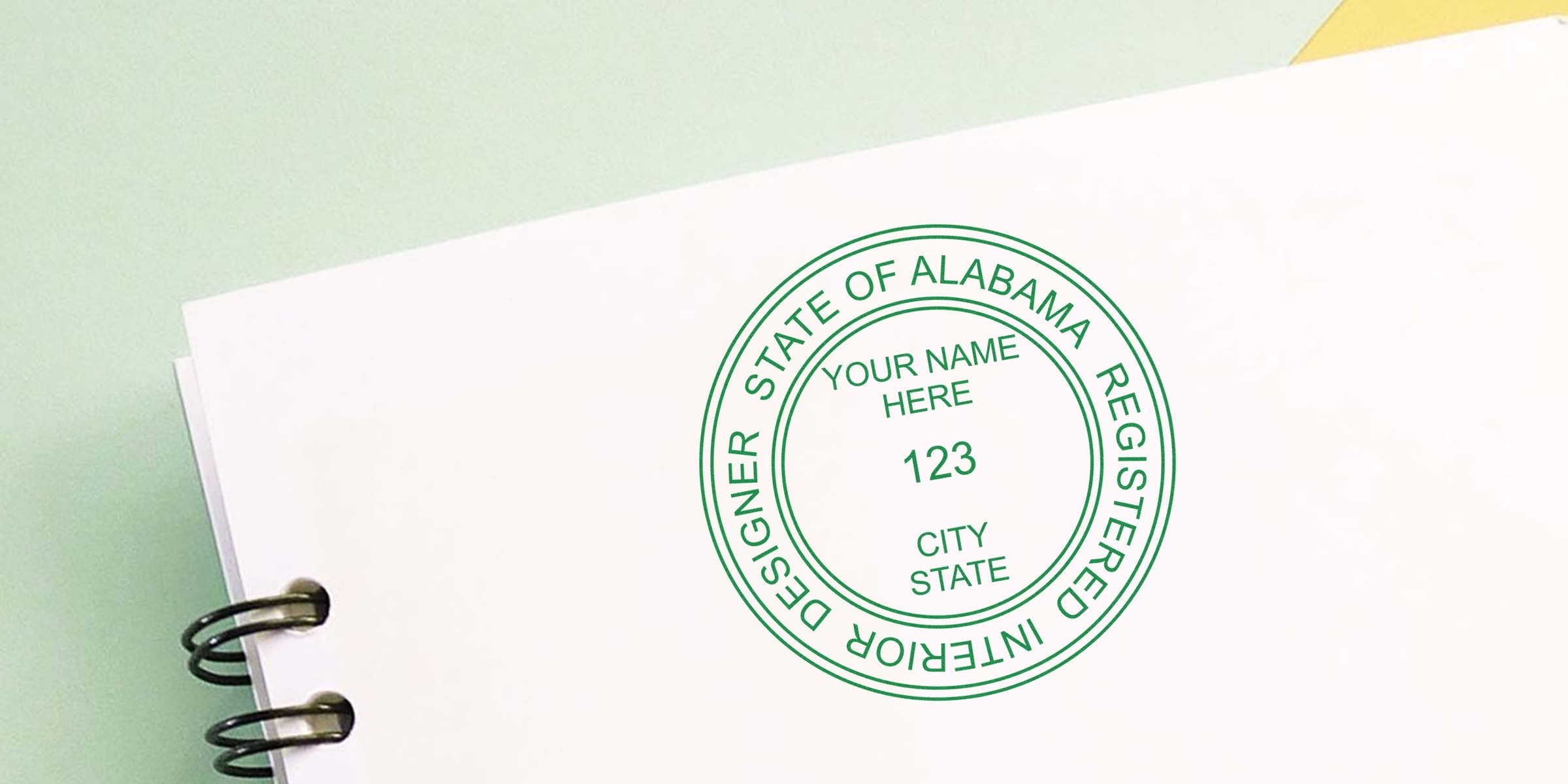
Understand The Alabama Requirements
If you are about to make your Alabama Interior Designer Stamp purchase, it’s important to start by understanding the basic requirements in the state. Alabama has specific guidelines that govern how interior designers should use their stamps and seals on official documents. These rules ensure your plans and drawings meet regulatory standards, so you avoid potential legal or licensing issues down the line.
Before you invest in a stamp, you’ll want to double-check that the design meets any existing requirements set by the Alabama Board for Interior Design or any applicable regulatory bodies. Although these requirements may vary, common guidelines include stamp size, specific wording, and clarity of information (like your name and license number). If you’re unsure about the most current regulations, be sure to look at the official Alabama Board website or consult a trusted mentor or colleague.
Remember, keeping track of official updates is essential for staying on top of any rule changes. You don’t want to rely on outdated specifics; an expired guideline can lead to unnecessary complications, such as refused permits or delayed project approvals. By having a firm grasp of these state requirements, you’ll be well on your way to making a smooth stamp purchase.
Quick State Requirement Tips
- Verify required stamp dimensions (e.g., diameter or shape).
- Confirm if you need a raised seal or inked stamp.
- Check license number placement and spacing rules.
- Stay updated on any new regulatory changes.
Recognize The Purpose Of Your Stamp
Your Alabama interior designer stamp has a purpose that goes well beyond simple branding. It indicates to clients, colleagues, and state inspectors that your documents are prepared by a duly licensed or certified interior designer. In other words, your stamp acts as a quick, professional verification tool.
When you affix the stamp to design plans, you’re effectively confirming the accuracy and credibility of the work you’ve done. It’s not just a nice add-on—it’s a sign of trust. Clients often expect these stamps on official project documents, and many regulatory offices require them for permit approval. Think of it as a handshake that says, “I stand by this design.”
Beyond compliance, though, your stamp helps you build a reputation. Having a clear, legible seal on your presentations or drawings tells others that you’re serious about your craft and mindful of local rules. That’s a big plus if you’re working to expand your business or consider branching into new project types.
Common Uses For Your Stamp
- Stamping construction drawings that go to the city or county.
- Sealing designer specifications, especially when health and safety codes apply.
- Providing proof of licensure to new or cautious clients.
Decide Between Physical And Electronic Stamps
In today’s digital world, the choice between a physical stamp and an electronic version can be confusing. Some designers like the reliability of a traditional rubber stamp or embossed seal. Others prefer the convenience of a digital file they can apply to PDFs and other electronic documents. Both options have their place, and you might end up wanting both.
A physical stamp has a classic look. If you work with printed documents a lot or if you prefer the tactile satisfaction of manually stamping, this route might be for you. Plus, raised seals (often called embossers) provide a unique, tangible imprint that’s hard to duplicate. In most cases, physical stamps are pretty straightforward to reorder or update if your license details change.
On the other hand, an electronic stamp is invaluable if you frequently share design drafts online or submit everything digitally to building departments. Instead of signing an entire stack of printouts, you could simply apply your stamp file to each page. Also, consider that some jurisdictions have begun to accept digital stamps without question, while others still favor wet-ink or embossed seals. Be sure to check local guidelines so you’re prepared.
Physical Vs. Electronic Comparison
| Feature | Physical Stamp | Electronic Stamp |
|---|---|---|
| Best Use | Printed plans, formal documents | PDF submissions, digital presentations |
| Look And Feel | Tangible, can be embossed | Clean, easy to replicate accurately |
| Convenience | Requires ink or embossing device | Quick to place, no extra supplies needed |
| Approval By Agencies | Widely accepted | Growing acceptance, check local rules |
Choose A Trusted Supplier
Once you know which stamp format you need, choosing a trusted supplier is the next big step. The quality of your stamp matters more than you might realize—poorly made seals can smudge or fail to meet state requirements. That’s why turning to a reputable vendor is essential.
For instance, alabama interior designer stamp options can be found through various sellers, but Acorn Sales has a long-standing track record when it comes to providing stamps and seals tailored to Alabama interior designers. They’ve been in business since 1964, which means they’ve had decades to perfect their craft and stay updated on changing regulations.
If you opt for a physical stamp, ensure the brand you choose is known for durable materials. You wouldn’t want to deal with a malfunctioning seal in the middle of an important deadline. Similarly, if you decide on an electronic stamp, check that the vendor can supply a clear, detailed digital file that meets the resolution standards for official documents.
What To Look For In A Supplier
- Longevity and reputable history in the industry.
- Clear knowledge of Alabama-specific formatting and design.
- High-quality stamp materials (long-lasting and smudge-resistant).
- Option for a free electronic stamp with your physical purchase, which simplifies your workflow if you need both formats.
Manage Proper Care And Maintenance
Caring for your interior designer stamp will help you avoid smudges and misprints. It also ensures that your seal remains sharp, so you maintain a professional appearance across all paperwork. For those using an inked stamp, you’ll want to make sure the ink reservoir stays fresh and full. Running out of ink at a critical moment is never fun, and it can push your schedule back.
If you have an embosser, periodic cleaning is a good idea. Dust or debris can weaken the impression or cause partial stamping. Simply wipe the embosser’s metal plates with a soft cloth every few uses. If you store it in a clean, dry place, chances are your seal will remain crisp for years.
For electronic stamps, “maintenance” is mostly about safe storage. Keep your digital file protected by a password on your computer or design software. You certainly don’t want unauthorized persons stamping your signature on random blueprints. Consider backing up the file on a secure drive too, just in case your main device crashes or ends up at the repair shop.
Basic Stamp Care Checklist
- Store your stamp in a protective case or bag.
- Refill ink regularly to maintain crisp impressions.
- Clean embossing plates with a gentle cloth to prevent dust buildup.
- Secure your electronic file behind a password or encryption.
Verify Legal And Contractual Needs
Even when you know the technicalities, you should also confirm whether your client or employer has particular preferences for how your stamp is used. Some companies want you to stamp every document in a set, while others only need your seal on final drawings. Communicating these details up front can prevent confusion later.
You may also want to check your insurance or liability coverage. Using a stamp acknowledges responsibility for the project’s design. If an error arises, you can be held accountable. Errors and omissions insurance is common among licensed professionals, and the cost is usually worthwhile. Knowing your legal obligations and having the proper coverage offers peace of mind.
Potential Requirements To Clarify
- Whether a notarized signature is needed alongside your stamp.
- If your design firm demands a specific stamping protocol (e.g., type of document, color of ink).
- If the jurisdiction requires you to keep stamped copies on file for a certain period.
- Whether your stamp should reflect your full name or match the business name.
Spot Common Pitfalls
Despite the best intentions, small errors can lead to big problems. One major pitfall is forgetting to renew your license and continuing to stamp documents. That might invalidate your work and call your professionalism into question. Mark your calendar with renewal dates to dodge this issue.
Another mistake is ordering a stamp that doesn’t align perfectly with the state’s mandated format. Even slight differences in wording or layout can create headaches if a building official rejects your documents. Review your final design proof carefully before it goes into production.
Finally, don’t overlook the official date field in certain situations. Some stamps feature a space for listing the date you signed or sealed the design. Make sure you fill that in accurately. An undated stamp might prompt extra scrutiny or requests for clarification, which can slow your project timeline.
Quick Tips To Avoid Issues
- Confirm your license status is active before stamping.
- Check the final proof for layout accuracy.
- Include the correct date if your stamp design provides space.
- Keep track of new guidelines from Alabama’s regulatory board.
Plan Ahead For Renewals
Staying ahead of renewals might be the least exciting part of design work, but it’s definitely necessary. Many professionals only remember licensing renewals when they get close to the expiration date. By planning ahead, you’ll save yourself the stress of scrambling for fees and forms at the last minute.
Think about setting up a simple reminder system, whether it’s a phone alert or a paper note taped to your office wall. If you’re part of a larger firm, you could ask the administrative team to keep a shared calendar of all license renewal dates. That way, you’re never caught off-guard.
If your new or updated license details change what must appear on your stamp, you’ll want to handle those adjustments promptly. The longer you keep using an outdated stamp, the higher the risk of invalid documents. By ordering a new stamp (physical or electronic) as soon as your license changes, you’ll always be in the clear.
Recap Your Next Steps
Now that you see how critical it is to follow the rules and choose the right stamp, you’re probably feeling more confident about the process. From checking Alabama’s requirements and deciding on physical vs. electronic stamps to safeguarding your digital file and planning for renewals, you have a roadmap that keeps you well-prepared.
If you’re ready to move forward, a great place to start is exploring an alabama interior designer stamp from a reliable provider. Acorn Sales, in business since 1964, is known for delivering high-quality stamps and seals that meet state guidelines, plus they offer a free electronic stamp with every physical purchase. By choosing a reputable source, you’ll have fewer worries about compliance, and more time to do what you truly enjoy: interior design.
With proper care and attention to detail, your Alabama interior designer stamp becomes a seamless part of your workflow. You’ll stand by your projects with confidence, knowing your stamp upholds both legal standards and your professional reputation.
Have more questions? Don’t hesitate to reach out to an experienced supplier like Acorn Sales. That way, you can place your stamp or seal confidently and refocus on creating beautiful interior spaces.
Frequently Asked Questions
Do I Really Need A Stamp If I Only Design Interiors For Small Residential Projects?
Yes. In Alabama, if you hold a license as an interior designer, the stamp serves as an official mark of your credibility and your commitment to state regulations, regardless of project size. It’s always better to meet city or county requirements in case permits or inspections become necessary.
What Happens If I Use My Stamp After My License Expires?
Using an expired license on any project could invalidate your seal and even your design submissions. The oversight may lead to legal issues or client disputes. Always ensure your license and your stamp details remain current.
Can I Share My Electronic Stamp File With My Administrative Assistant?
In most cases, you should keep your electronic stamp file private. If your assistant needs to place stamps on documents, consider a supervised process or a dedicated software solution with permissions. This prevents unauthorized usage.
How Often Should I Replace My Physical Stamp Or Embosser?
Typically, a well-made stamp can last for years if properly cared for. You’ll only need a replacement if the text or license number changes, or if the impression quality decreases significantly. Keep an eye on ink levels and check the clarity of each stamping session.
Is An Embosser More Official Than A Standard Ink Stamp?
Both embossers and ink stamps can be equally valid in Alabama. The main difference is the visual style and the tactile impression. Some designers prefer embossers for the classic raised look, while others go with ink for convenience. Check with local authorities, but often either is accepted as long as it meets official guidelines.








